


















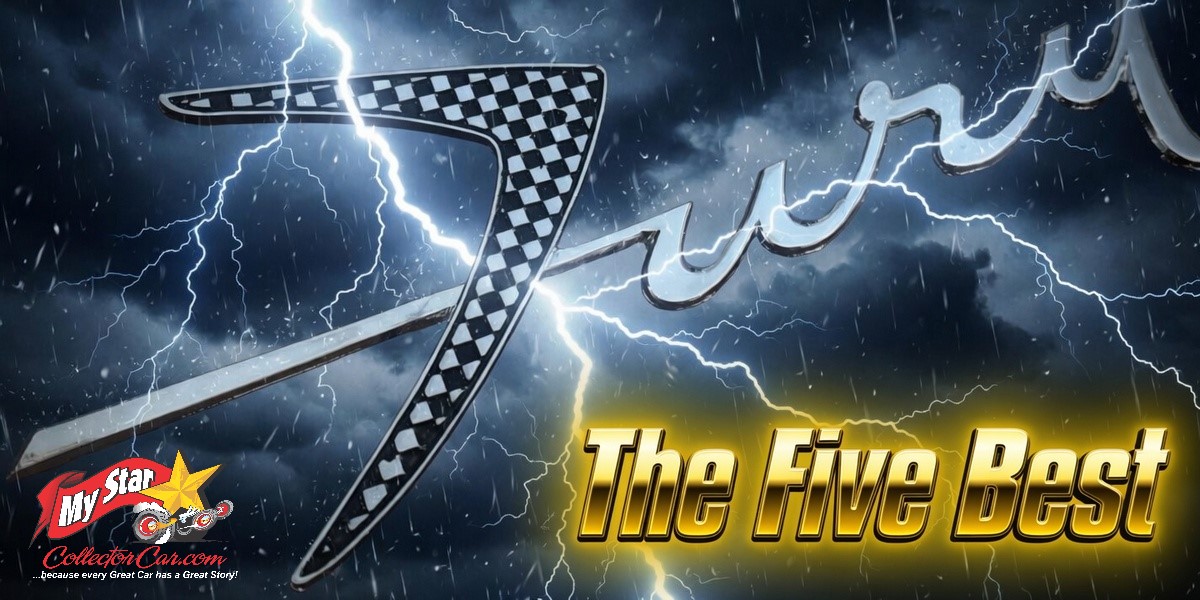
Fury was a legendary name for Plymouth because it set the stage for the performance era at Mopar.
Before that, Plymouth was simply regarded as a reliable, toned-down car for sensible buyers with modest budgets.
That changed in 1956, so the ’56 Fury is a logical place to start for five classic versions of the car that changed Plymouth.
Jerry Sutherland
The 1956 Fury Sport Coupe only came in one color (Sandstone White) and it had gold trim you wouldn’t find on a Belvedere or Savoy.
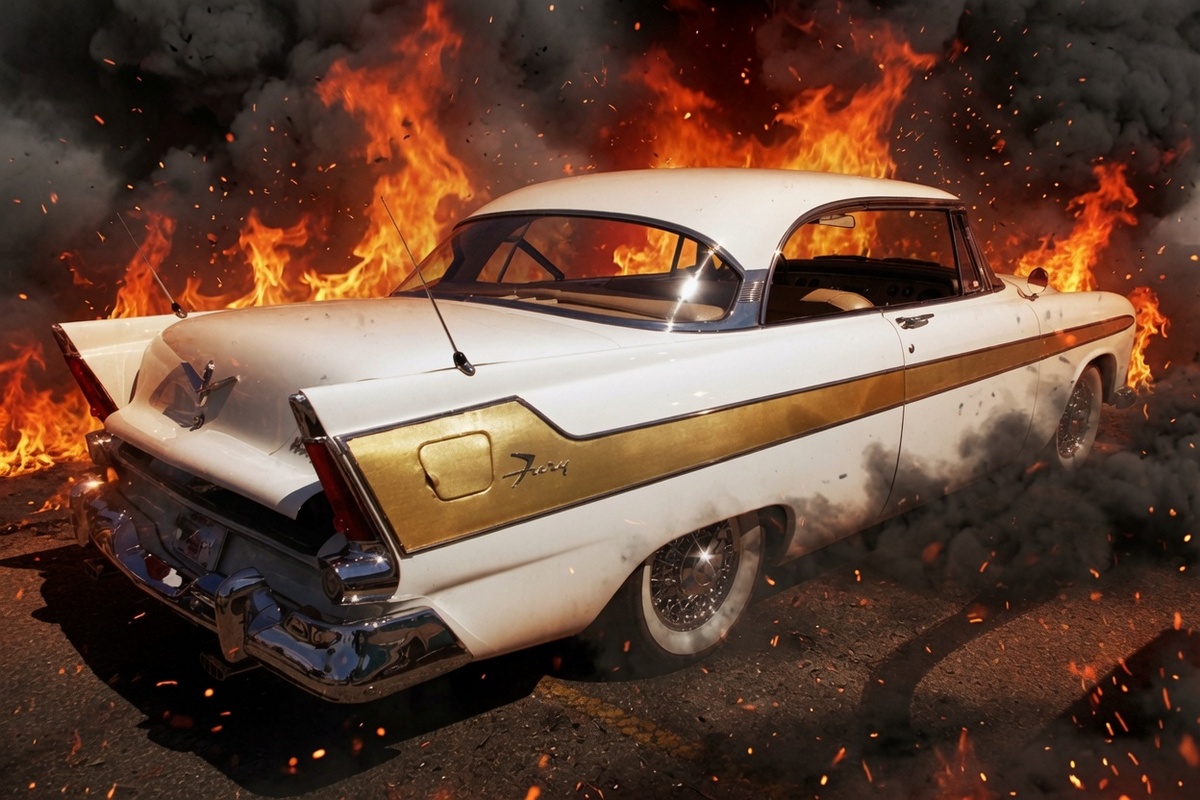
That wasn’t the only difference because the ’56 Fury also came with a fiery 303 cubic inch, packing 240 horses—a big number for 1956. This car was so legendary Rodney Crowell wrote a song about it.
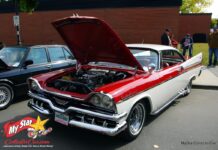
The 1960 Fury saw the exit of the fin car era, and Plymouth did it with flair because the 1960 models had fins you could see from a mile away. These are cult cars because not everyone was onboard with the look—but those who were fans became totally committed.
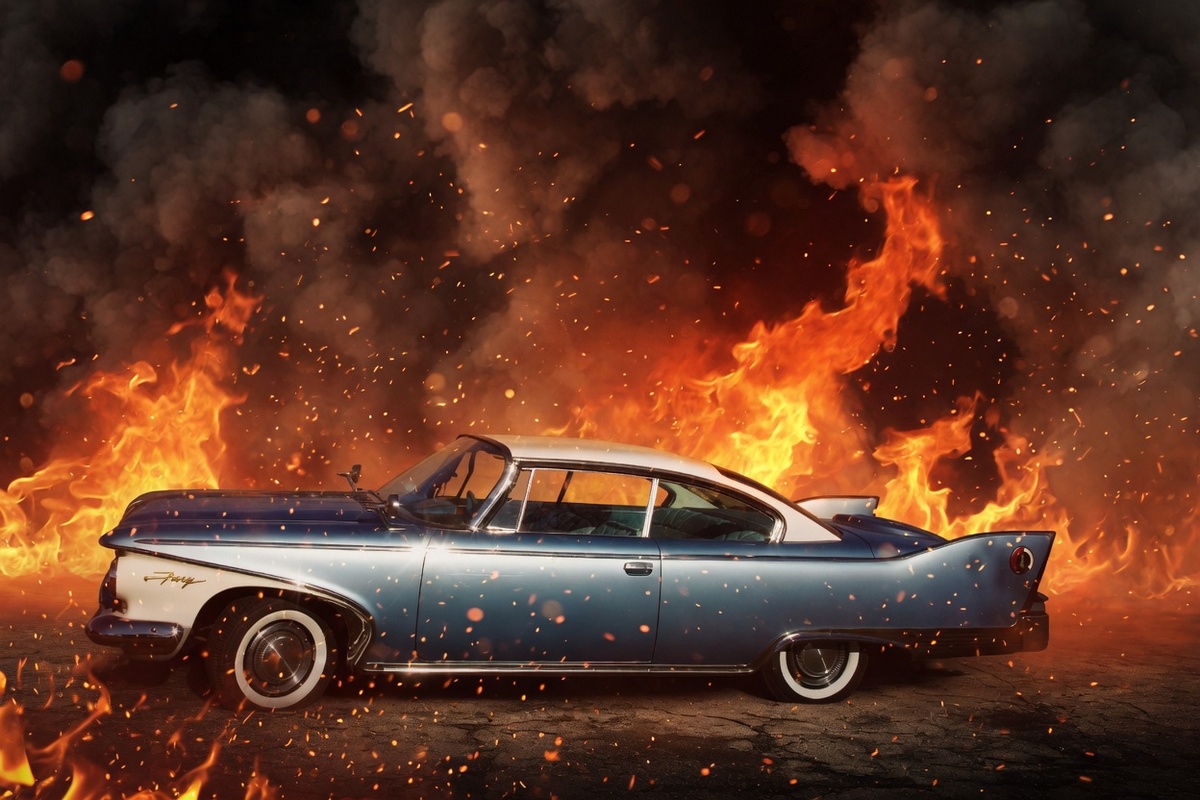
Plymouth Furys came in many colors by 1960, and the majority were two-tone versions, but what was most important was under the hood. The 383 cubic inch Sonoramic Commando ram induction pumped out 330 horsepower—massive power for a mid-range car in 1960.

The Sport Fury name was back in 1963 (reintroduced in ’62 after 3 years) , and it lived up to the now legendary Fury name. You could only get a two-door hardtop or convertible Sport Fury, because these cars were built for carefree buyers.
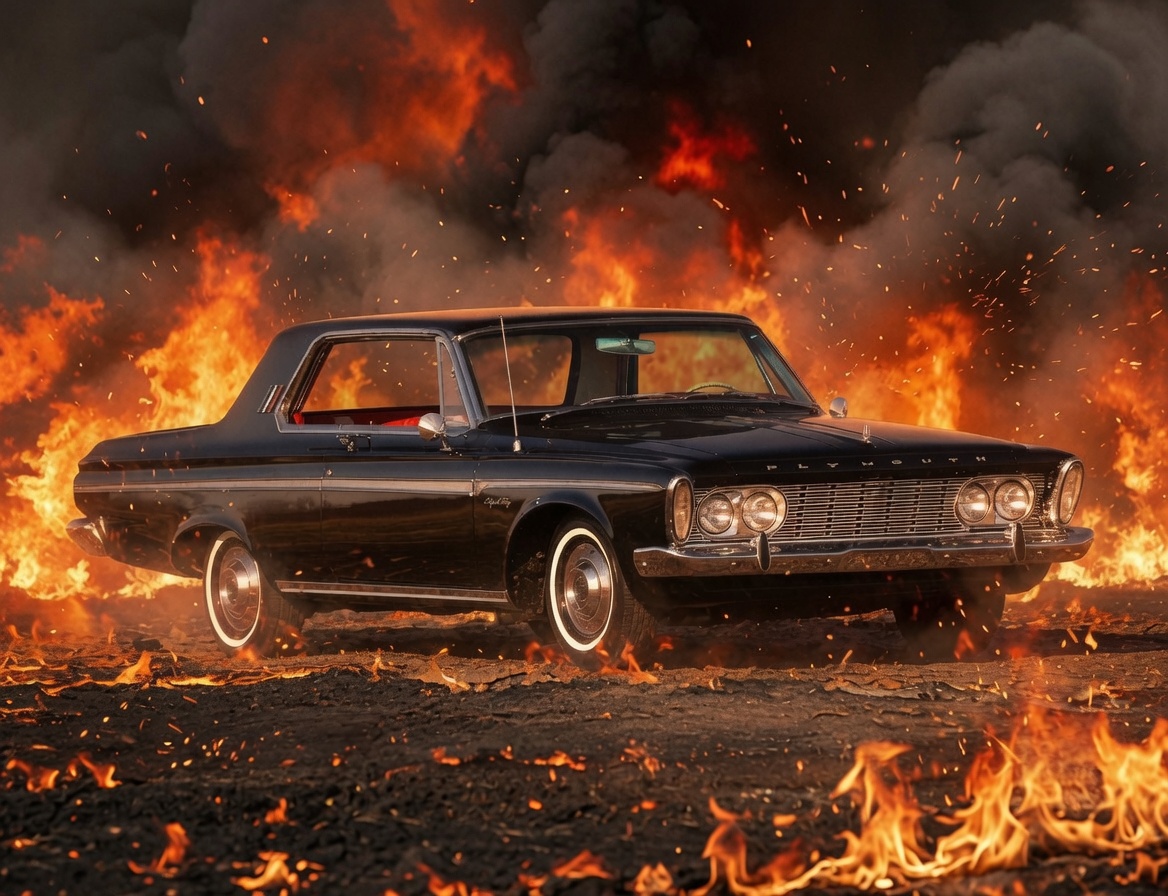
There were plenty of engine options for the Sport Fury and one of them was the 426 Max Wedge. There weren’t many buyers for this full-race option, but a few guys opted for the street version of the 426 Wedge. It punched out 415 horsepower in the slightly lower compression version.
Things had changed dramatically with the 1976 Plymouth Fury. For one thing, there were two sizes because the B-body was the Fury and the C-Body was the Gran Fury.
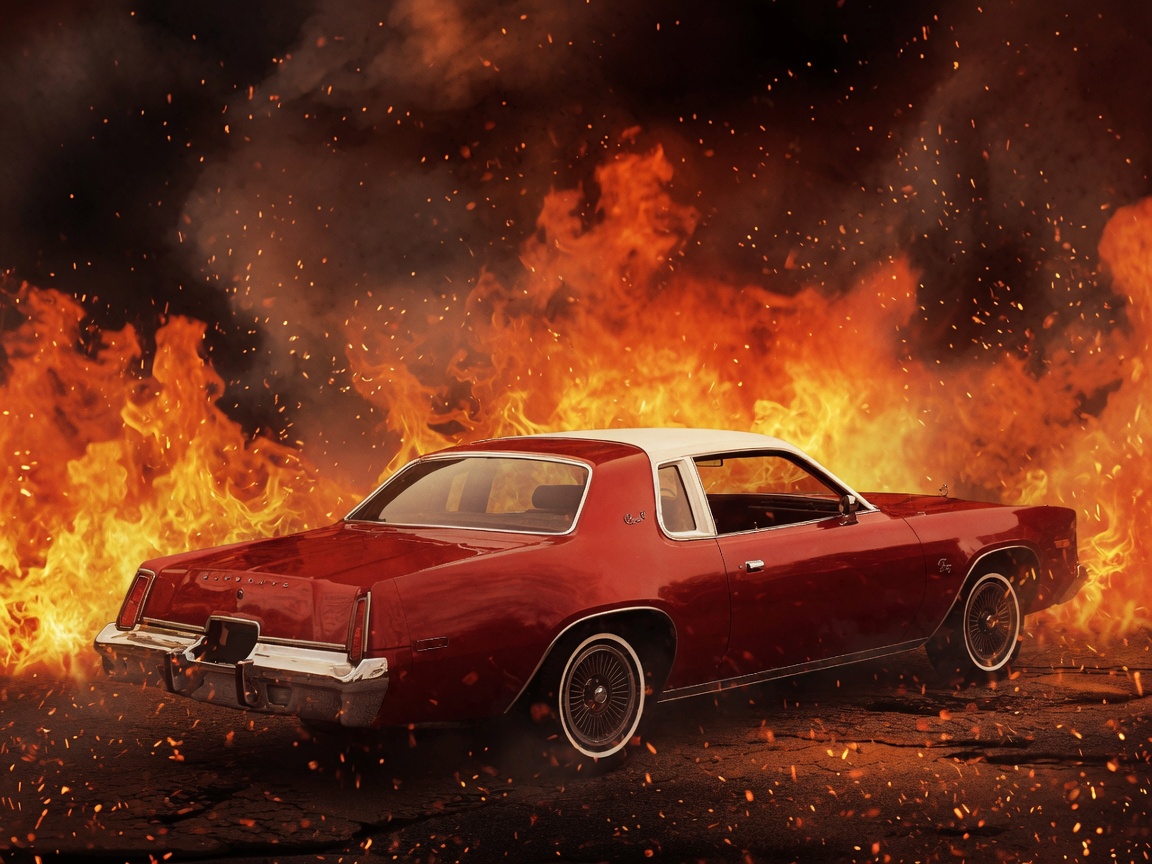
These were primarily fleet cars and were used as police cars and taxis because they were very dependable platforms by 1976. The fanciest version of the Fury was the two-door hardtop with a 400 cubic inch, four-barrel option pumping out 240 smog-era, horsepower. That was a magnificent number for 1976.
The last version of the Fury was found in 1989, and it called the Gran Fury. This car was light years away from every form of the Fury name because the car distilled down to function over form in the 80s.
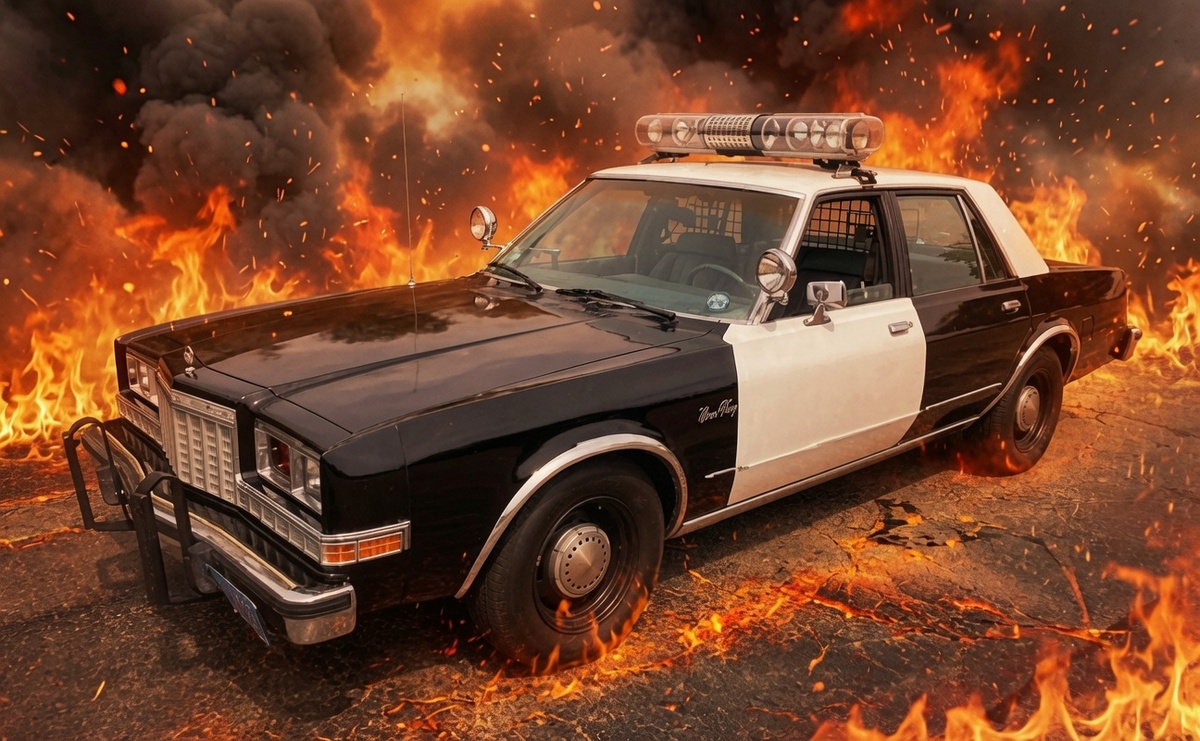
They were all four-door sedans destined for family, taxi or police use. There was nothing wrong with these cars because the platform and the powertrain were perfected over the years, but the Fury legend was gone.
It was a slow decline, but the Fury exited with a whimper—not a bang because that’s how car companies roll. Despite that, it was the last Plymouth Fury ever built so the ’89 version made the list.
The only thing left is the heritage because the Fury lived up to its name when it was at its best.
Jerry Sutherland
By: Jerry Sutherland
Jerry Sutherland is a veteran automotive writer with a primary focus on the collector car hobby. His work has been published in many outlets and publications, including the National Post, Calgary Herald, Edmonton Journal, Ottawa Citizen, Montreal Gazette, Saskatoon StarPhoenix, Regina Leader-Post, Vancouver Sun and The Truth About Cars. He is also a regular contributor to Auto Roundup Publications.
- CLICK HERE TO SIGN UP FOR THE NEWSLETTER
- CLICK HERE to Like us on Facebook
- CLICK HERE to Follow us on Twitter
- CLICK HERE to Follow us on Pinterest