










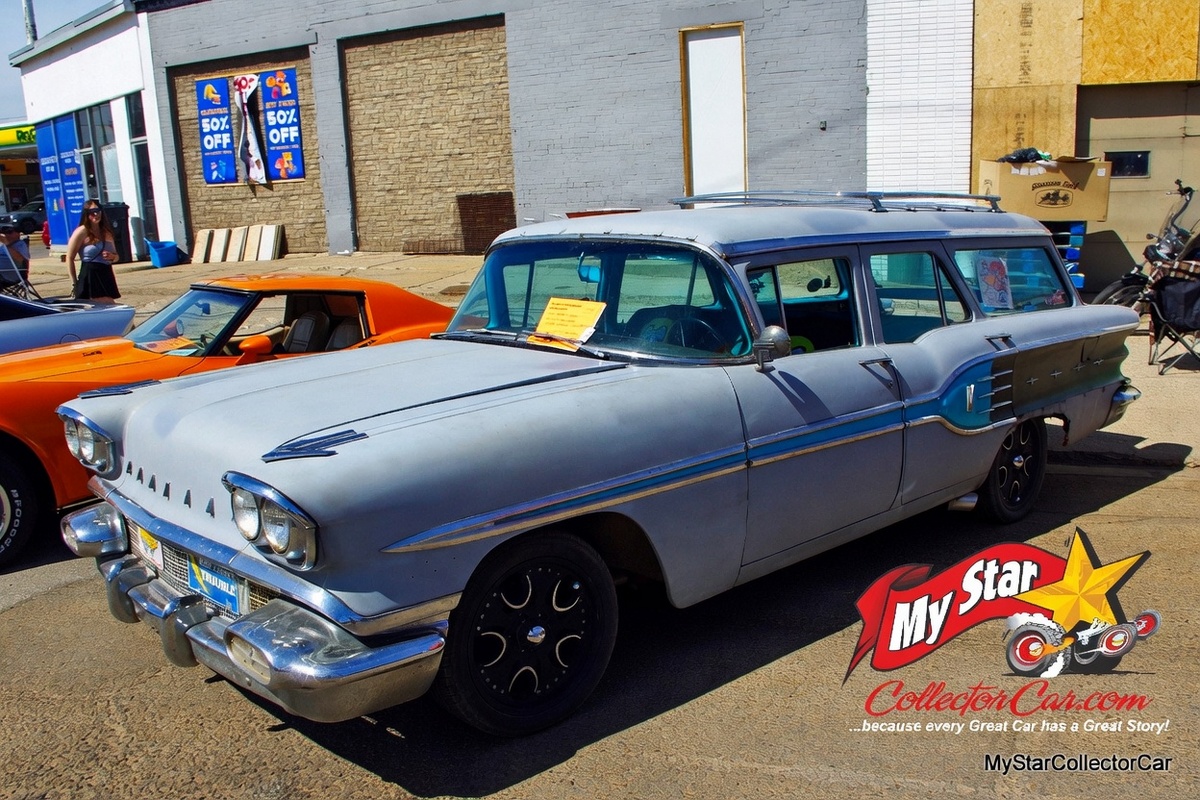
The best car stories are family-oriented because any car or truck that does one or more generational crossovers is a story worth telling.
That’s the case with this 1958 Pontiac Safari wagon, because this is clearly a story worth telling.
Jerry Sutherland
The story began in 1970 when Gerald Kultgen’s cousin bought this old wagon. He became one in a series of owners from the same family because, as Gerald explained, “It’s part of our heritage”.
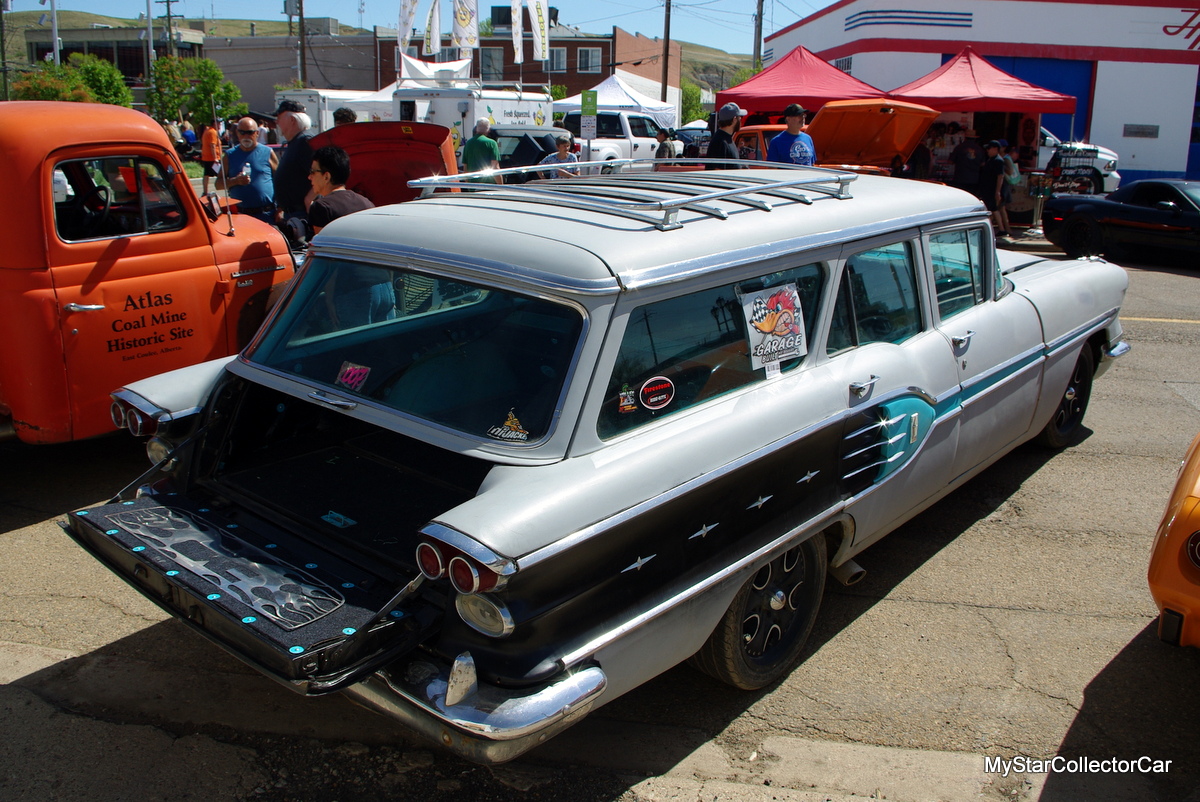
The car circulated through a few cousins until Gerald bought it in the 1980s. He explained how the Pontiac long-roof, “sat in my shop for many years” until Gerald decided to out it back on the road.
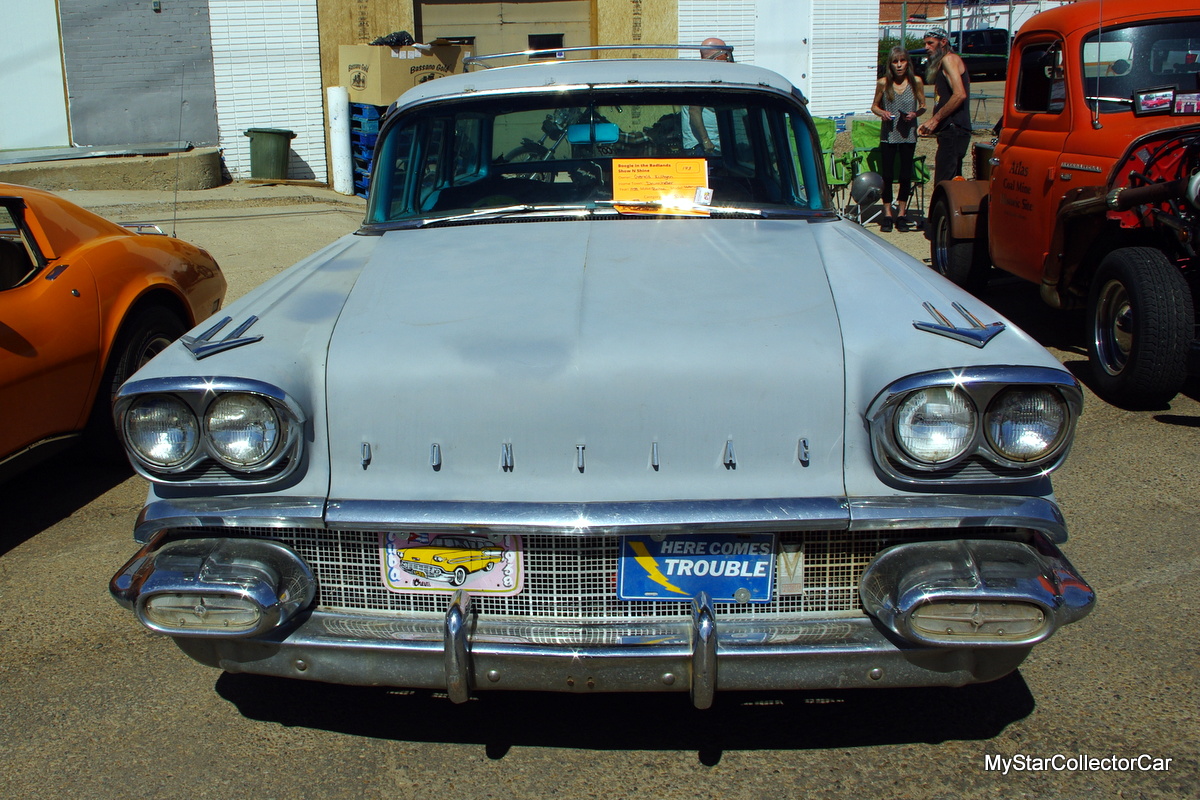
This was a heavily-loaded wagon for 1958 because it had things like power steering, power brakes and a 283 with an automatic. Those were rare options for a mid-level Pontiac wagon back in 1958.
Gerald’s plan was simple—make this old Pontiac wagon a functional driver, so the first thing he did was replace the small-block 283 with a small-block 350 from a donor 1971 Chevy truck. Gerald said he, “cleaned it up and rebuilt it”.
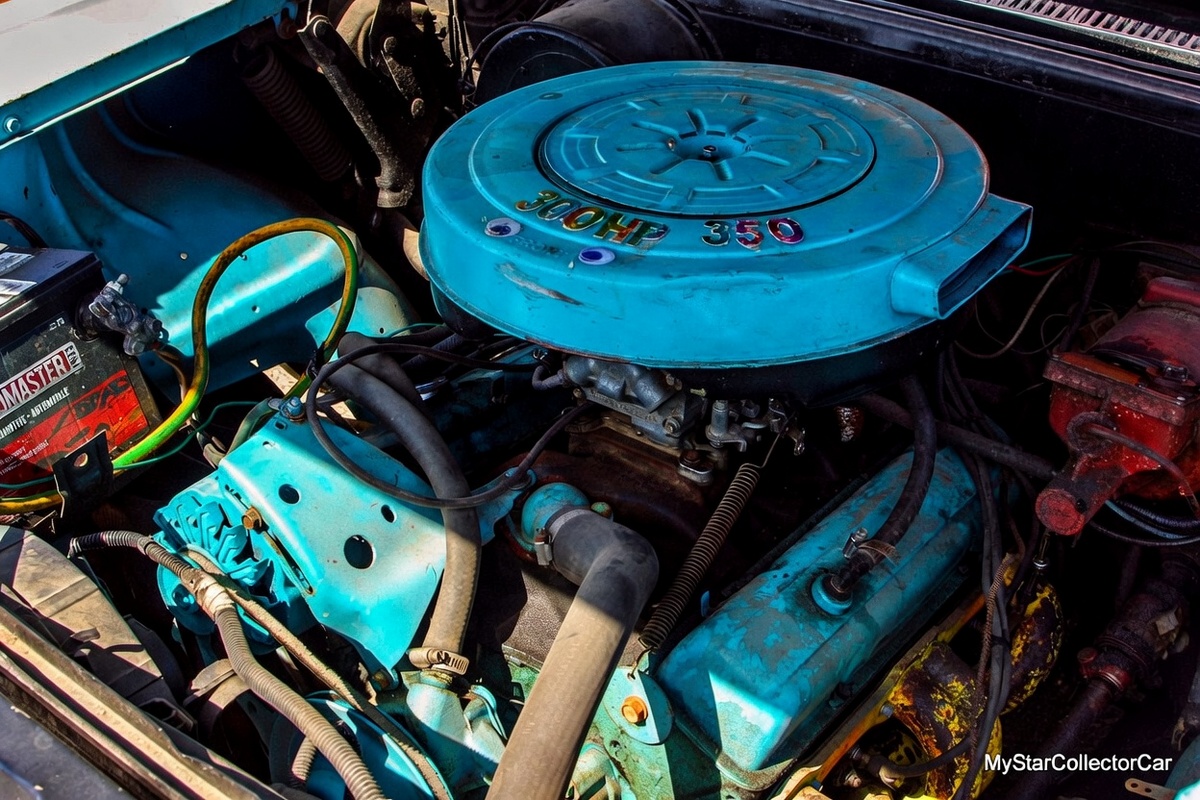
That alone made the Pontiac a far more functional car because parts for a 350 Chevy are easy to find, but the air cleaner is pure 1959 Ford. Gerald admitted his son, “isn’t crazy “about that choice.
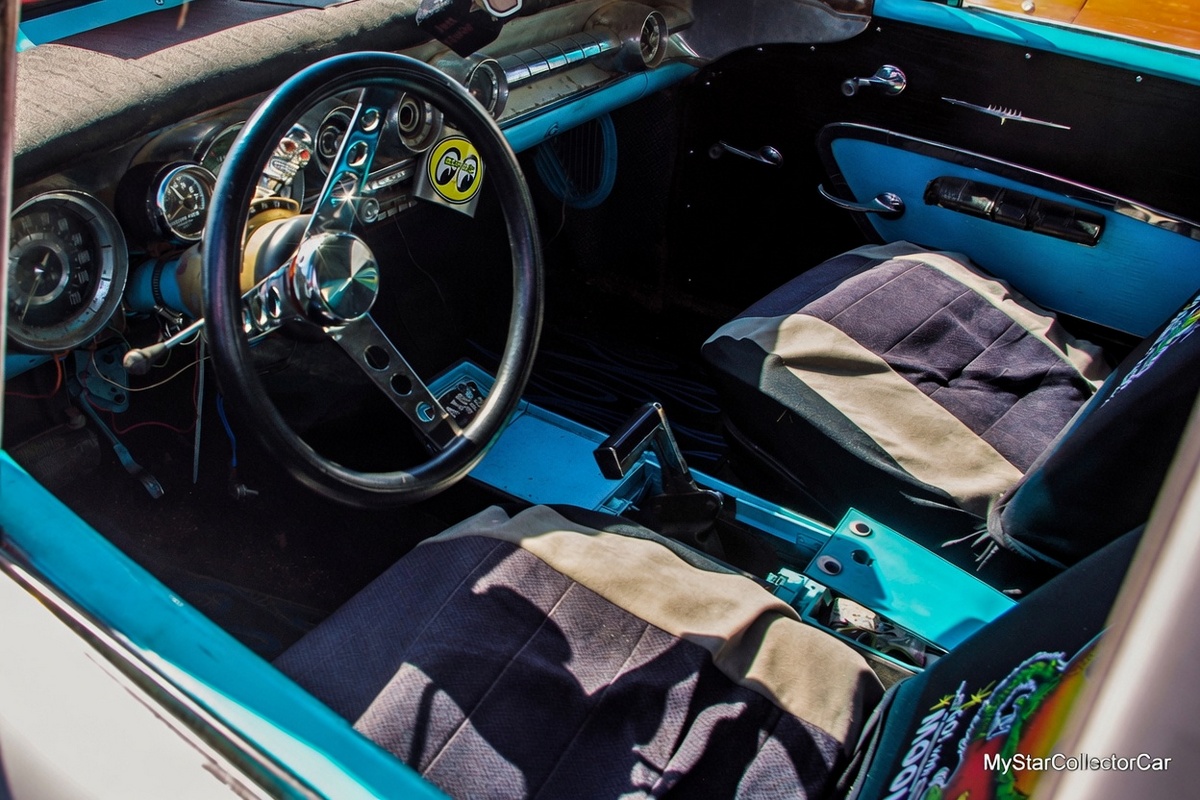
Gerald added a few custom touches to the Safari. For example, the floor shifter came from a 1965 Buick Riviera, and the console was donated by a 1967 Pontiac. Call it an old-school junkyard approach–or a realistic approach. Either way, Gerald put the Safari back on the road.
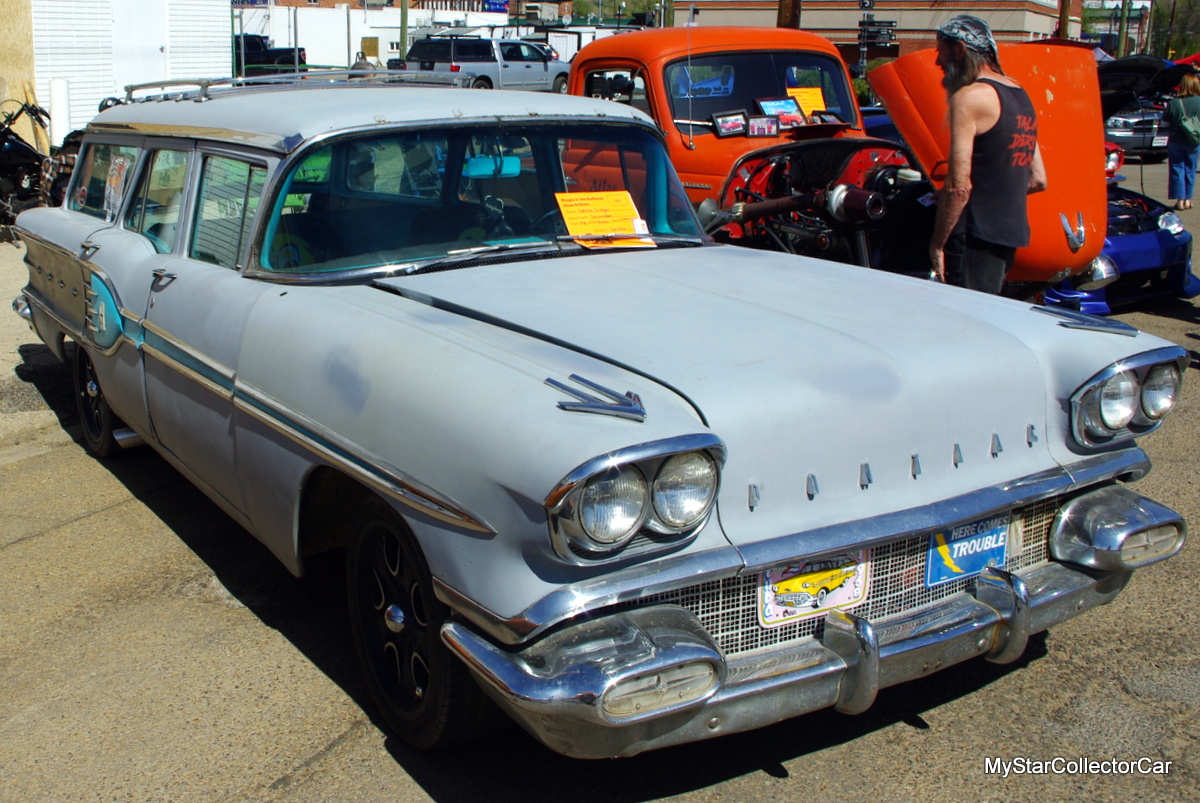
This ’58 Pontiac was a yellow car from the factory, but since then it’s had many variations on the paint codes. Gerald is torn on that because he wants to paint the car in his own version of a two-tone paint job.
The biggest stumbling block is Gerald doesn’t want to take the car off the road for any length of time. The Safari is where he wants it from a driving point of view and he knows new paint would drastically alter its role in his life. In other words, an expensive paint job is time consuming, plus it would change things like where to park it and what kind of roads he’d risk it on.
Disc brakes are another consideration because Gerald is happy where he has the drum brake setup now and he’s priced out aftermarket kits. Sticker shock is an understatement.
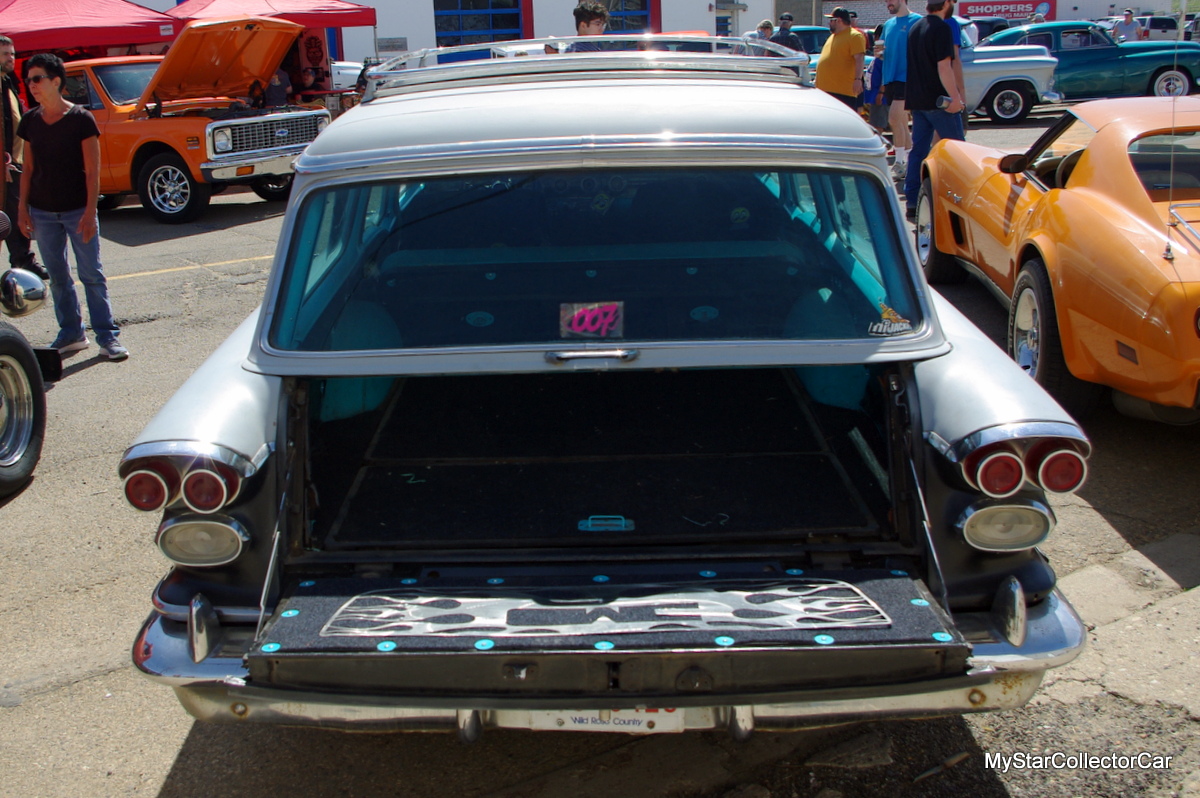
For now, Gerald dances between reality and future plans on the big wagon. He’s happy because every trim piece he needs is still with the long roof. That’s a major asset because there is next to nothing on aftermarket parts for a ’58 Safari wagon.
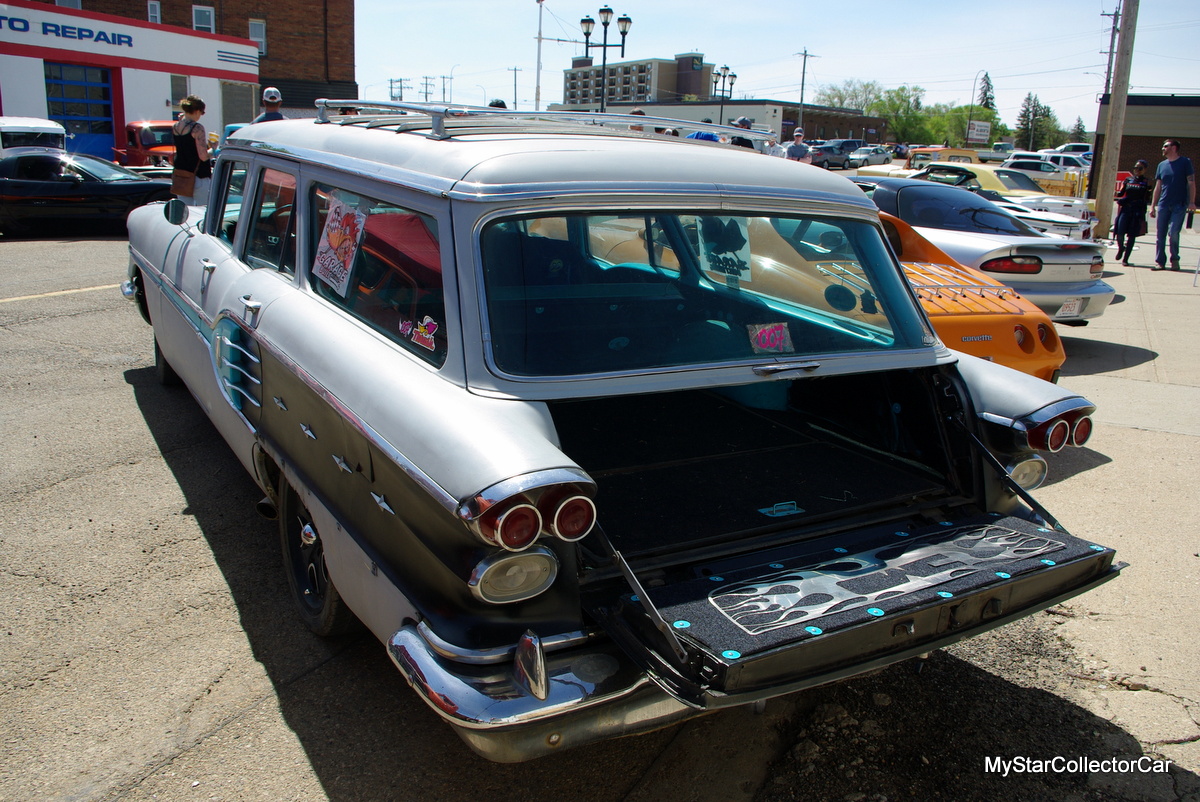
Gerald goes back and forth on the car, but there is one piece of the puzzle that is not up for debate. The Poncho stays in the family.
That’s how things play out with family heirlooms.
Jerry Sutherland
By: Jerry Sutherland
Jerry Sutherland is a veteran automotive writer with a primary focus on the collector car hobby. His work has been published in many outlets and publications, including the National Post, Calgary Herald, Edmonton Journal, Ottawa Citizen, Montreal Gazette, Saskatoon StarPhoenix, Regina Leader-Post, Vancouver Sun and The Truth About Cars. He is also a regular contributor to Auto Roundup Publications.
- CLICK HERE TO SIGN UP FOR THE NEWSLETTER
- CLICK HERE to Like us on Facebook
- CLICK HERE to Follow us on Twitter
- CLICK HERE to Follow us on Pinterest