







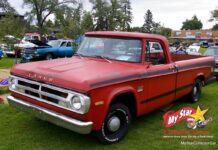



















Those of us who are familiar with winter can easily understand why cars were built to deal with frigid conditions where brass monkeys run for warm shelter.
Those of you who are unfamiliar with winter should count your blessings because life below zero is no picnic.
In fact, about the only upside to a January picnic in our frozen corner of the planet is the beer stays cold and there are no mosquitos.
Jim Sutherland

Consequently, any improvement in automotive winter weather fighters is enough reason to break out the suitably chilled champagne and celebrate the technological advancement. We at MyStarCollectorCar would like to showcase five major auto builder moves in the battle with winter.

The central issue is heat and how to channel it into a region where warmth can do the most good on a vehicle used during the winter. We are confident our winters easily meet or exceed any standards related to bone-chilling cold and are a suitable environment for car-warming gizmos.
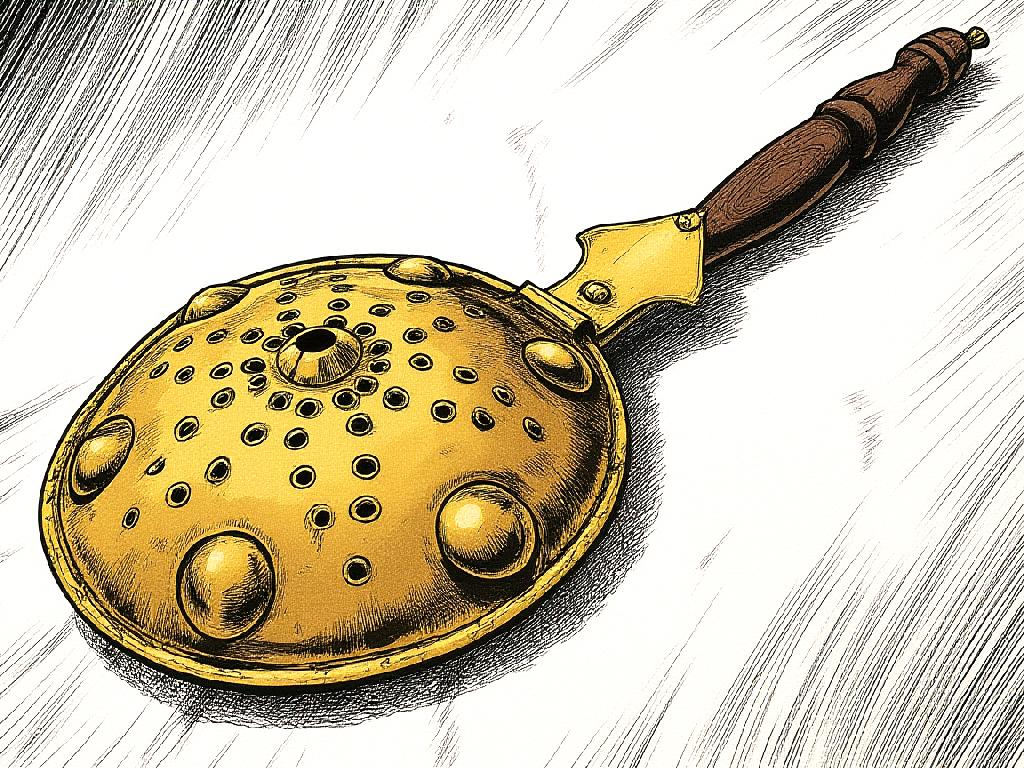
Perhaps the most useful device in the heat contraption world for cars is a simple heater inside the cab of the vehicle, so we chose to make it our first item on our warm list. The first horseless carriages did not have heaters, so the occupants simply had to dress warmly to combat winter.
The next step was to corral the warmth from the engine’s exhaust manifold and channel it back to the passengers. The net result was a blast furnace with little temperature control, but eventually the car builders got it right when they added a heater core radiator and circulated the hot water from the engine cooling system through it.
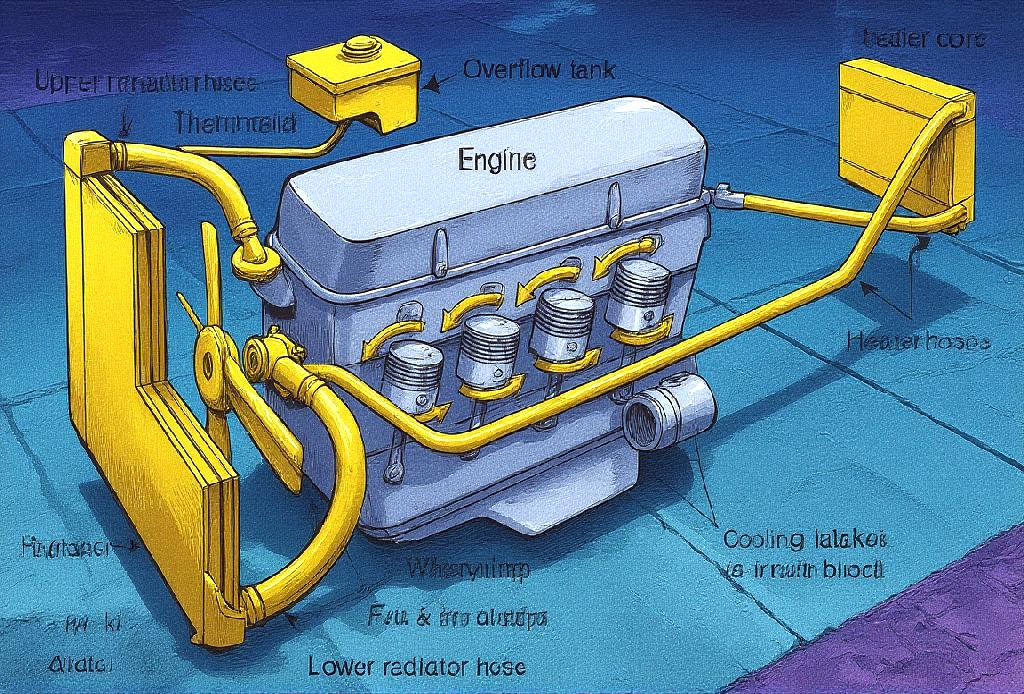
This basic formula has been improved over the decades and now offers plenty of warmth for passengers via a highly efficient heating system.
The second addition to our list is the heated seat, a bun-warmer feature found in most modern vehicles and introduced as an option in 1966 by Cadillac for its high-end Fleetwood models.
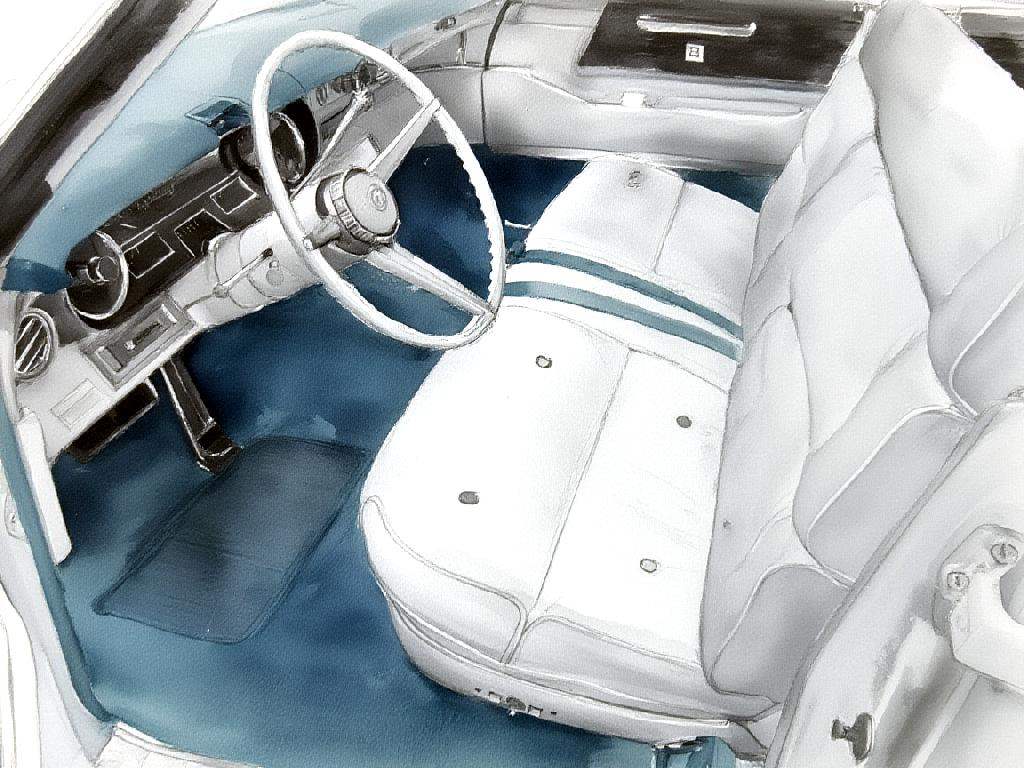
The heated seat designed by a Cadillac engineer in 1951, but it needed more juice to make it a reality. These days most vehicles offer a heated seat, often as standard equipment.

The third winter warrior heat feature is a rear window defroster, not to be confused with a mere defogger unit.
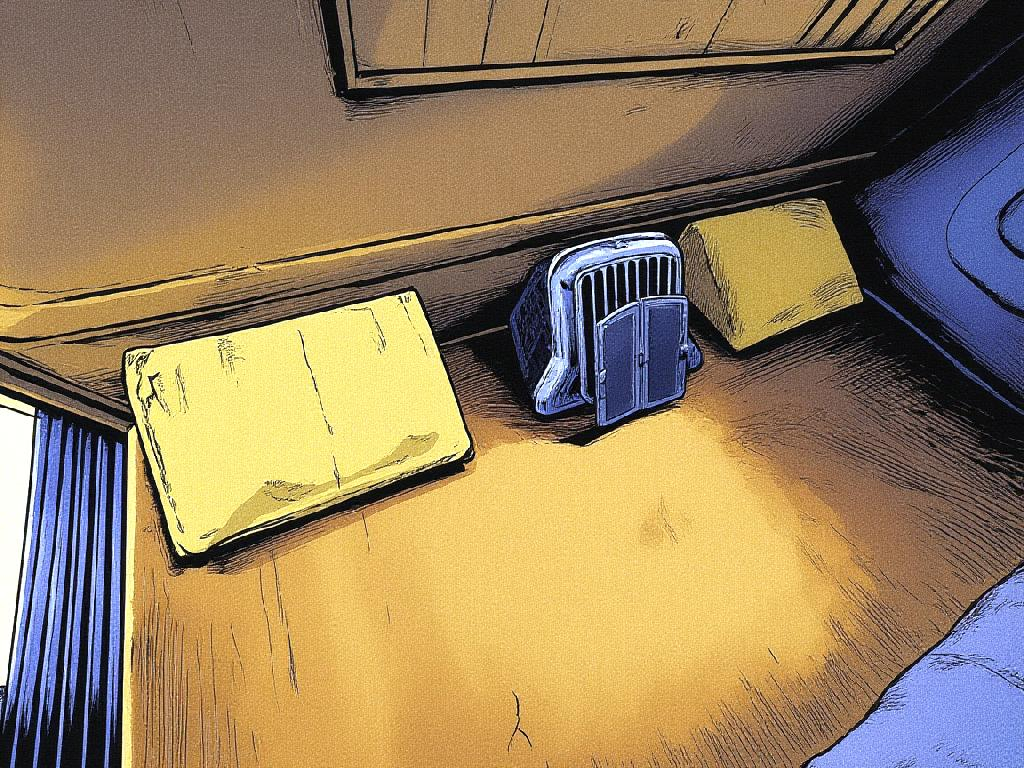
The first rear window defroster was an option used by Lincoln on its 1935 models. The rear electric defroster system was upgraded over the decades and is now a decidedly more efficient feature on modern vehicles.
Our fourth addition is a less common feature, namely a front windshield defrost system. The first domestic car company to roll out heated windshields was Ford’s ‘Quickclear’ system introduced during the mid-1980s.
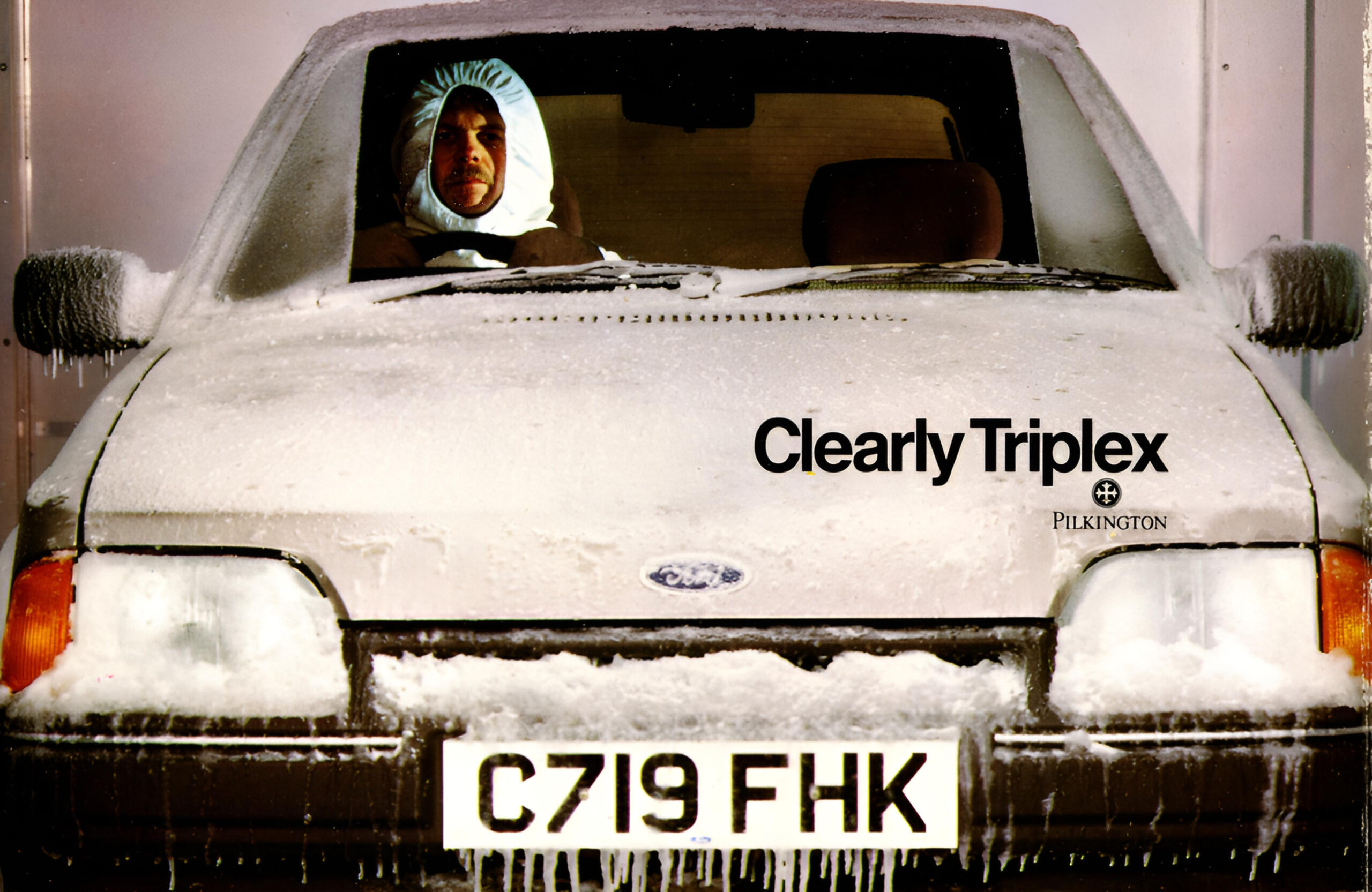
Heated windshields are slightly more common these days, but the cost factor is very clear when the windshield takes an errant rock, and the owner must replace it.
The fifth and final warm automotive feature is a heated steering wheel. While it’s true the heated steering wheel option for domestic cars was not offered until 2011 by Lincoln, the idea has roots in the early 20th century, first with a tube feed from the engine heat.
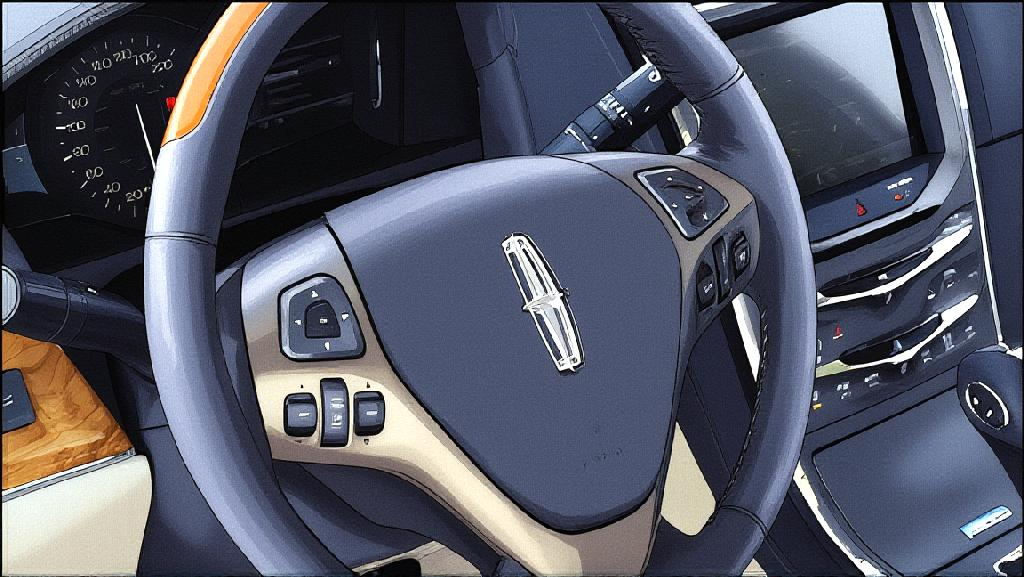
The first electrically heated steering wheel appeared within a decade of the forced air heated steering wheel and did not catch fire in either a good or bad way.
But it was a start, even if it took 100 years to reach our list of frost fighter options for cars.
Jim Sutherland
BY: Jim Sutherland
Jim Sutherland is a veteran automotive writer whose work has been published by many major print and online publications. The list includes Calgary Herald, The Truth About Cars, Red Deer Advocate, RPM Magazine, Edmonton Journal, Montreal Gazette, Windsor Star, Vancouver Province, and Post Media Wheels Section.
- CLICK HERE to Sign Up for the Newsletter
- CLICK HERE to Like us on Facebook
- CLICK HERE to Follow us on Twitter
- CLICK HERE to Follow us on Pinterest