

























1957 was a part of an ambitious back nine for that decade.
There was a space race to get people free from the shackles of Earth-and a potential global holocaust, given there was also a very competitive nuclear arms race during the Fabulous Fifties.
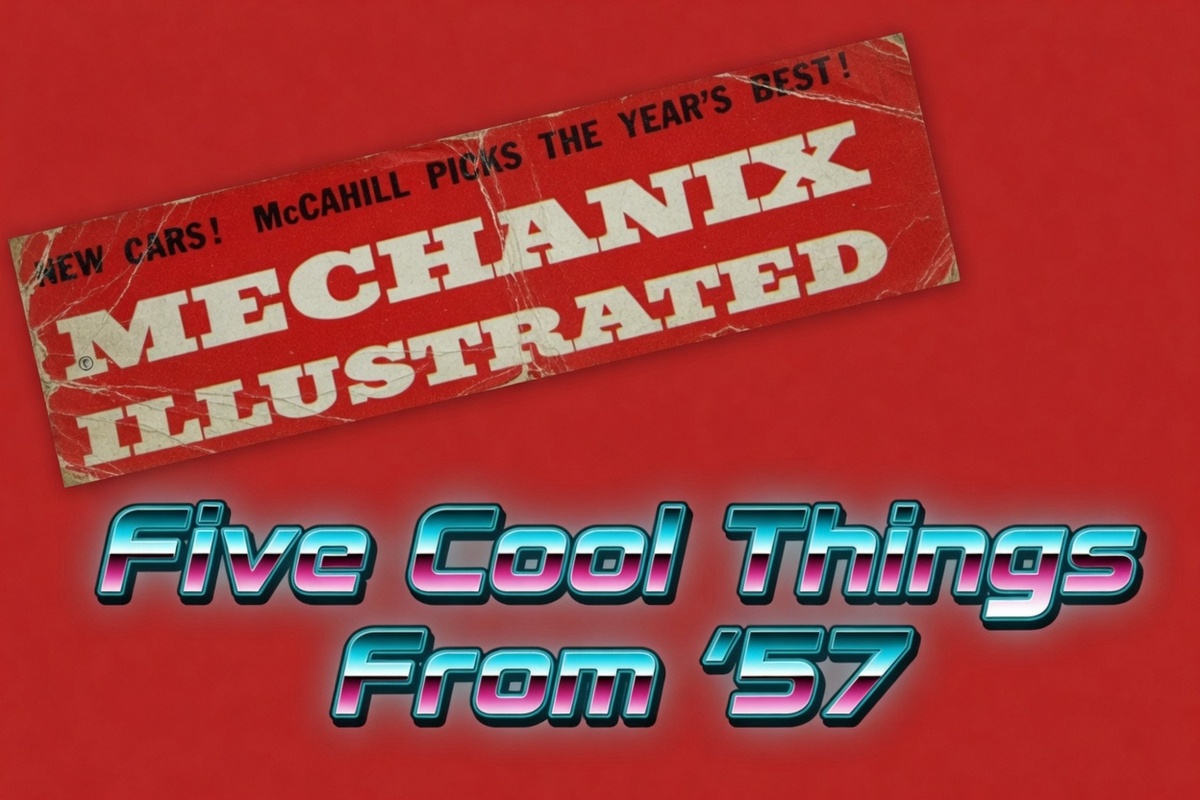
However, the main driving force was a sense of unbridled optimism in the magazines of the day, including ‘Mechanix Illustrated’, one of our favorite car guy publication blasts from the past here at ‘MyStarCollectorCar’.
Jim Sutherland
A 1957 edition of ‘Mechanix Illustrated’ caught our attention because it embodied that sense of optimism in numerous articles and even in some unusual ads. We looked under the hood of the November 1957 ‘Mechanix Illustrated’ and picked five notable examples of why the Fifties were fabulous.

‘Mechanix Illustrated’ was primarily a car magazine, but not everything was automotive related, including our first pick: a ‘Help Wanted’ ad that sought qualified rocket scientists to help a young aerospace company build a launch vehicle for an early satellite.
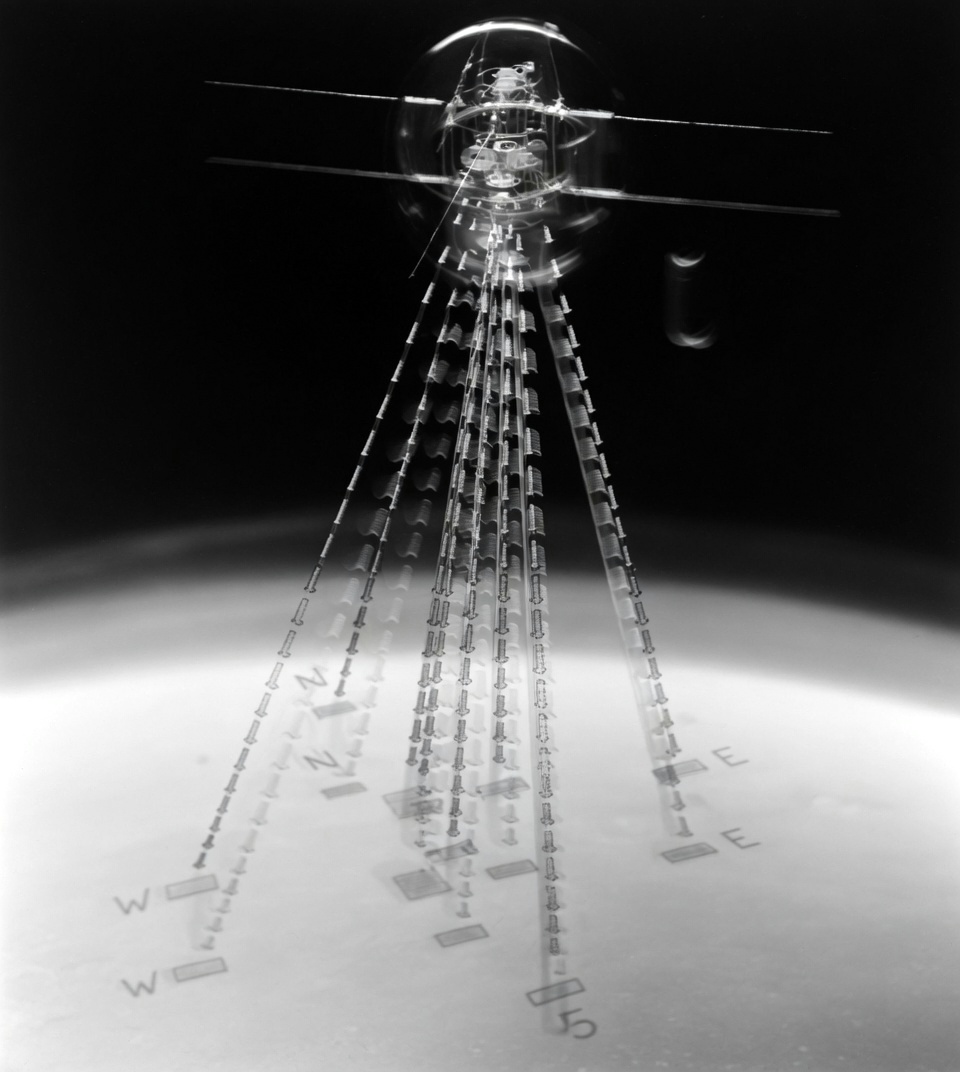
The Space Race was in its infancy but even the sky was not the limit for the Martin Company in ‘57. Their want ad was our first example of big dreams that wanted to make science fiction into science fact.
The second example of the November 1957 ‘Mechanix Illustrated’ edition’s look at the future was a sleek-looking sports car created by Raymond Loewy, the man behind the creativity at Studebaker, although the car was not a part of that company at the time.
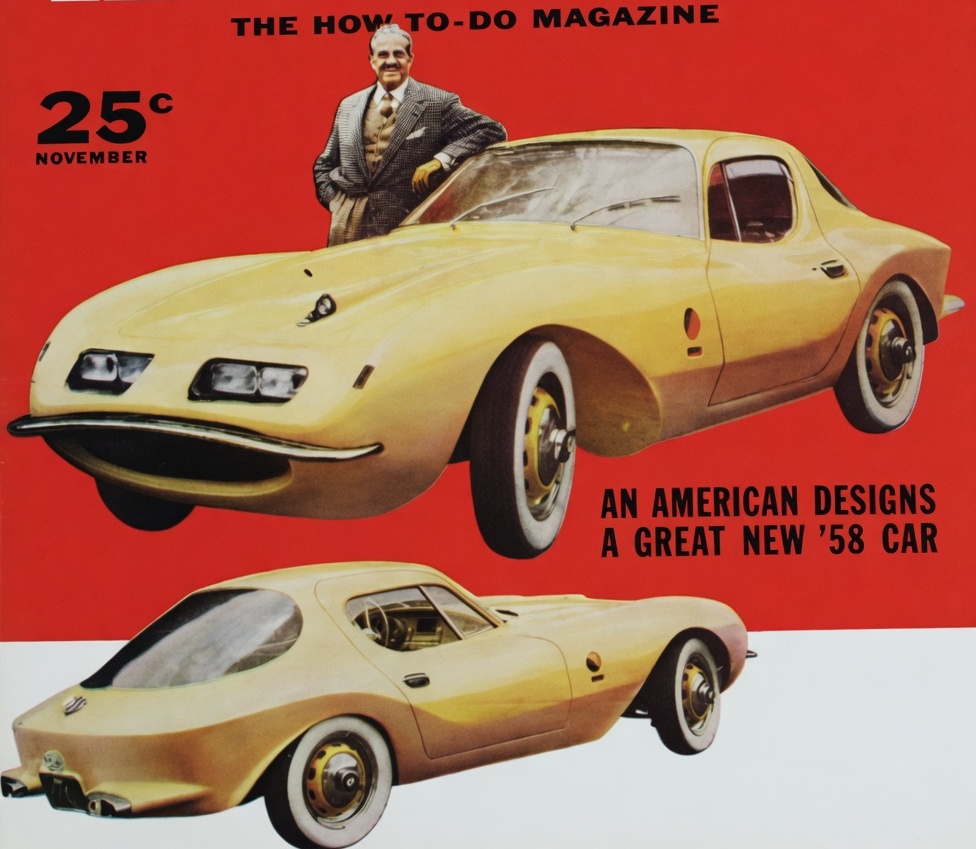
The Loewy car was light years ahead of its time in terms of style and had design features that would not look out of place in the 21st century. It was a striking example of a forward-thinking car designer who had a much bigger vision than his colleagues in 1957.
For the record, Loewy was the creative force behind the legendary Studebaker Avanti that debuted five years later and reunited the man with the small South Bend, Indiana car builder.
Number Three on MyStarCollectorCar’s list of notable ‘Mechanix Illustrated’ topics from their November 1957 edition is common in today’s vehicles: genuine cruise control-not the manual throttle control knob located on the dash.
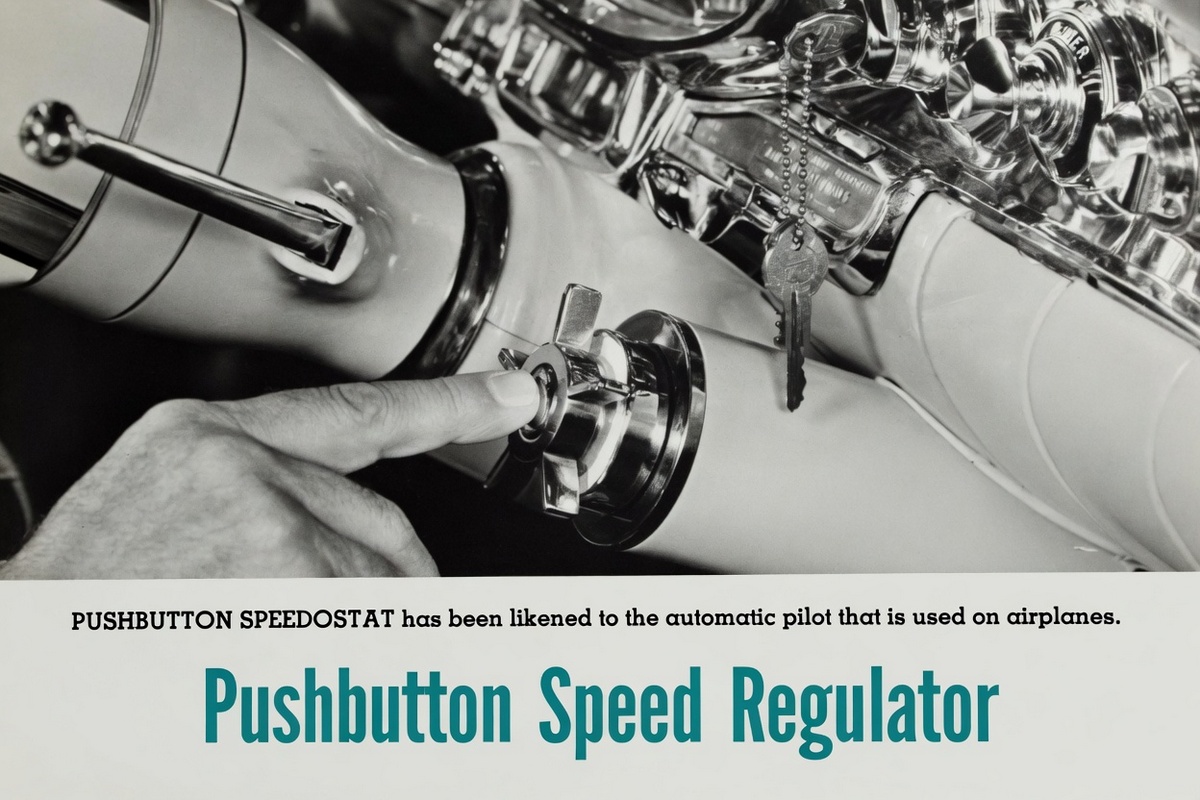
It was called a Speedostat and was operated by a push button and a dial to set the speed. Braking disengaged the Speedostat, in similar fashion to modern speed control system. The unlikely inventor was a blind guy named Ralph Teetor, and he proved anything was possible in the Fabulous Fifties.

The fourth addition to our list is a rear-view mirror found in the “It’s New” section of the November 1957 ‘Mechanix Illustrated’ edition. The mirror automatically moved when hit with headlights from other cars and prevented temporary driver blindness on the road.
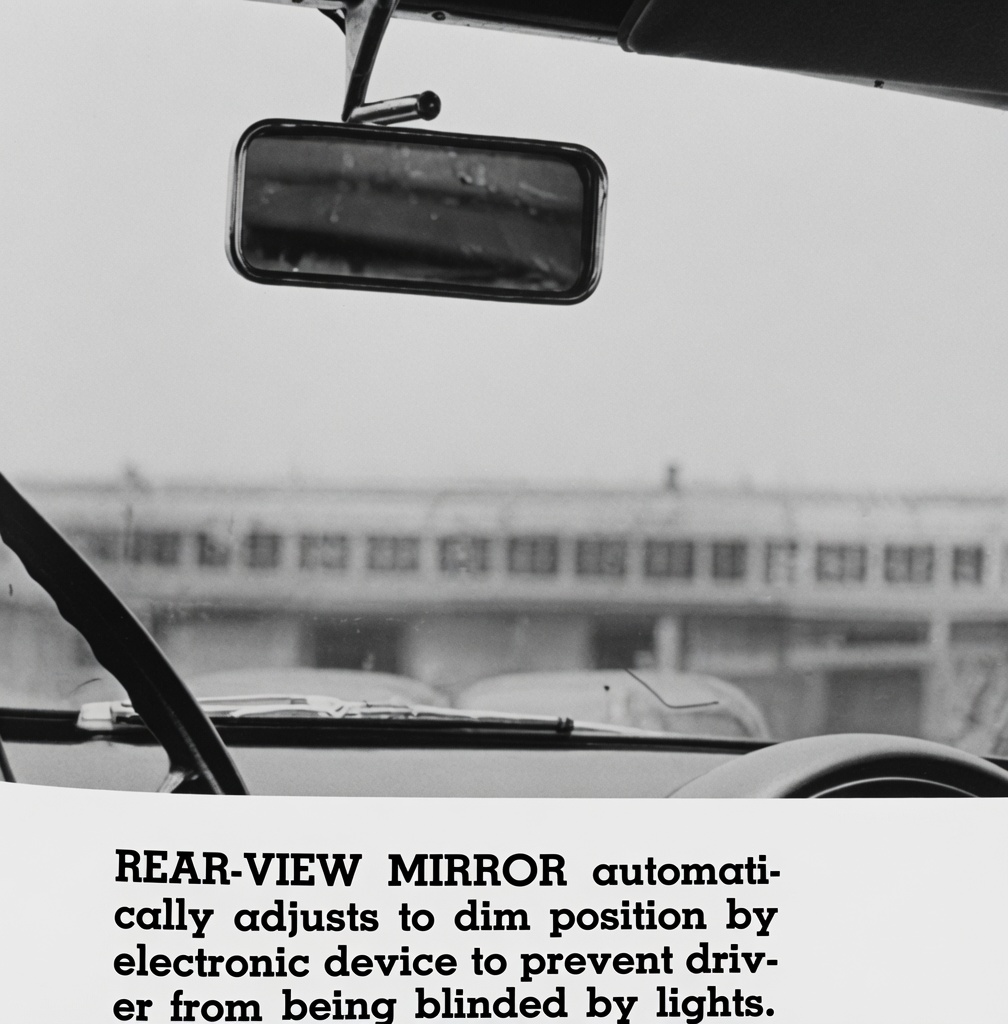
The device proved that complicated automotive technology was closer than it appeared in the mirror. The self-adjusting mirror was just the start because things are a whole lot more complicated in 2026 vehicles- not a good thing in our opinion here in the land of the Luddites.
The fifth and final visionary article in the 1957 MI magazine was about flying buses, something still not seen hovering over today’s urban streets.
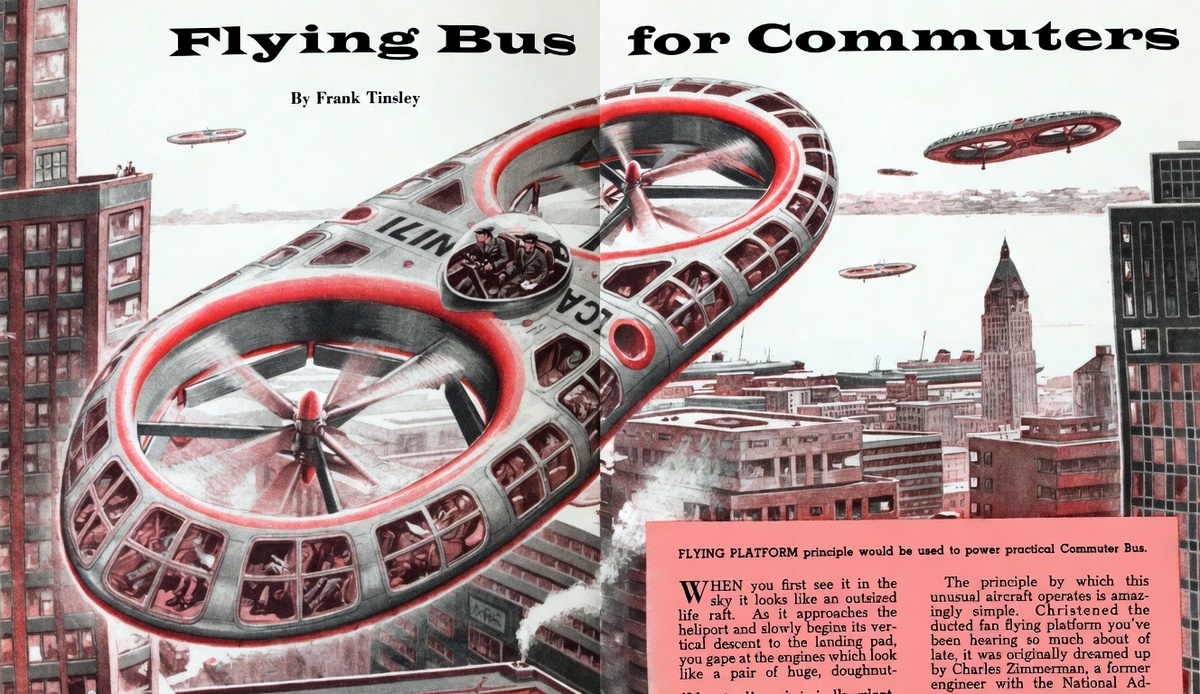
The article was a little light on actual details and didn’t address reality in any tangible way, but this one was clearly a “dream-big” piece during an era when that vibe was the order of the day.
Jim Sutherland
BY: Jim Sutherland
Jim Sutherland is a veteran automotive writer whose work has been published by many major print and online publications. The list includes Calgary Herald, The Truth About Cars, Red Deer Advocate, RPM Magazine, Edmonton Journal, Montreal Gazette, Windsor Star, Vancouver Province, and Post Media Wheels Section.
- CLICK HERE to Sign Up for the Newsletter
- CLICK HERE to Like us on Facebook
- CLICK HERE to Follow us on Twitter
- CLICK HERE to Follow us on Pinterest