






















Bear with us on this introductory horsepower factoid because we run a real risk of boring readers into an involuntary coma with our explanation of the term.
Most sources indicate horsepower is measured by the amount of time it takes to raise 33,000 lbs. by one foot in one minute or 550 lbs. by one foot in one second.
Jim Sutherland
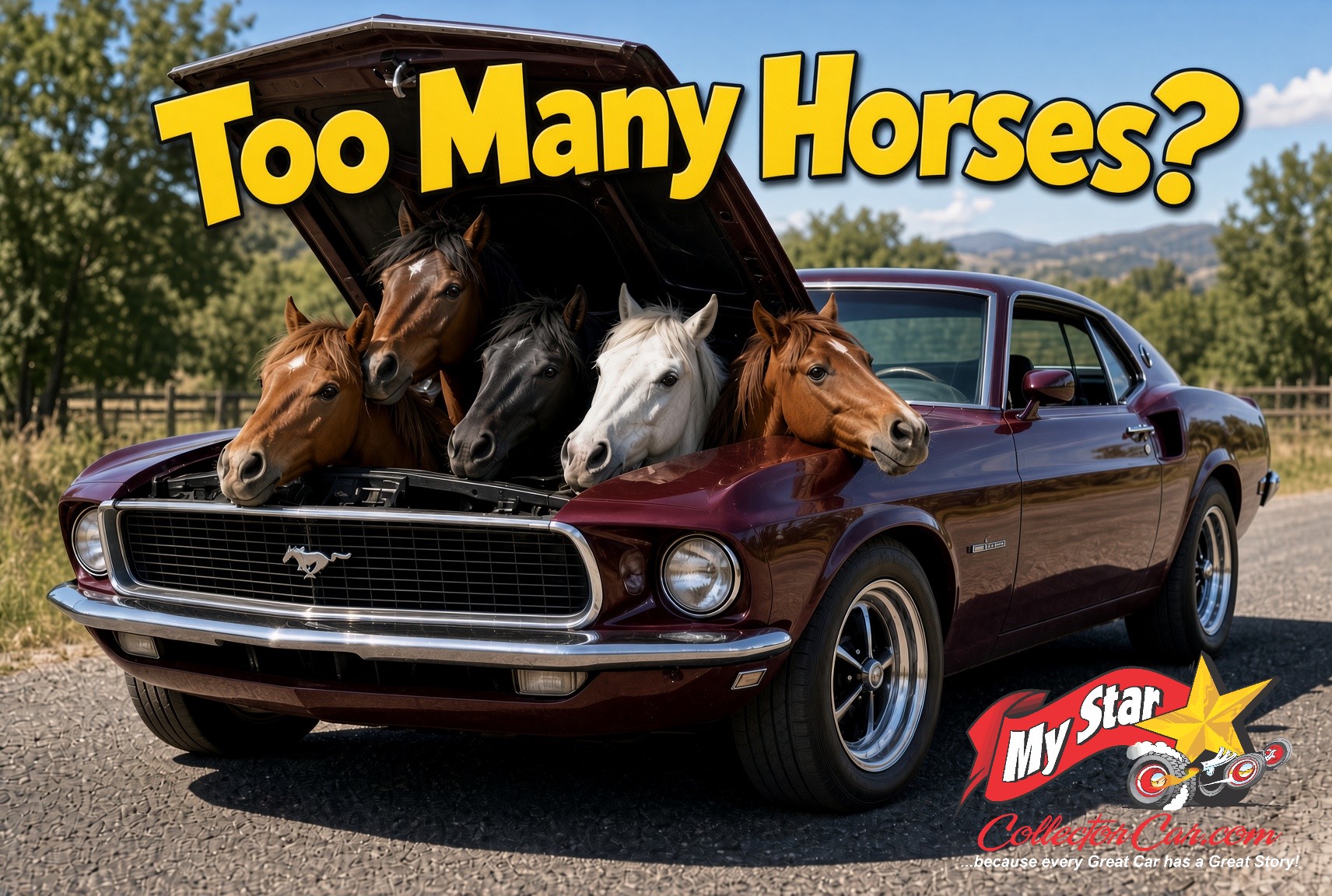
Either way, it is too much for an average human being to handle this kind of work, even with the benefit of massive doses of steroids and any other available performance enhancing drugs, so we measure horsepower by an equine standard because horses run circles around people with every measurement of sheer power. Even ponies and really lazy full-sized horses.

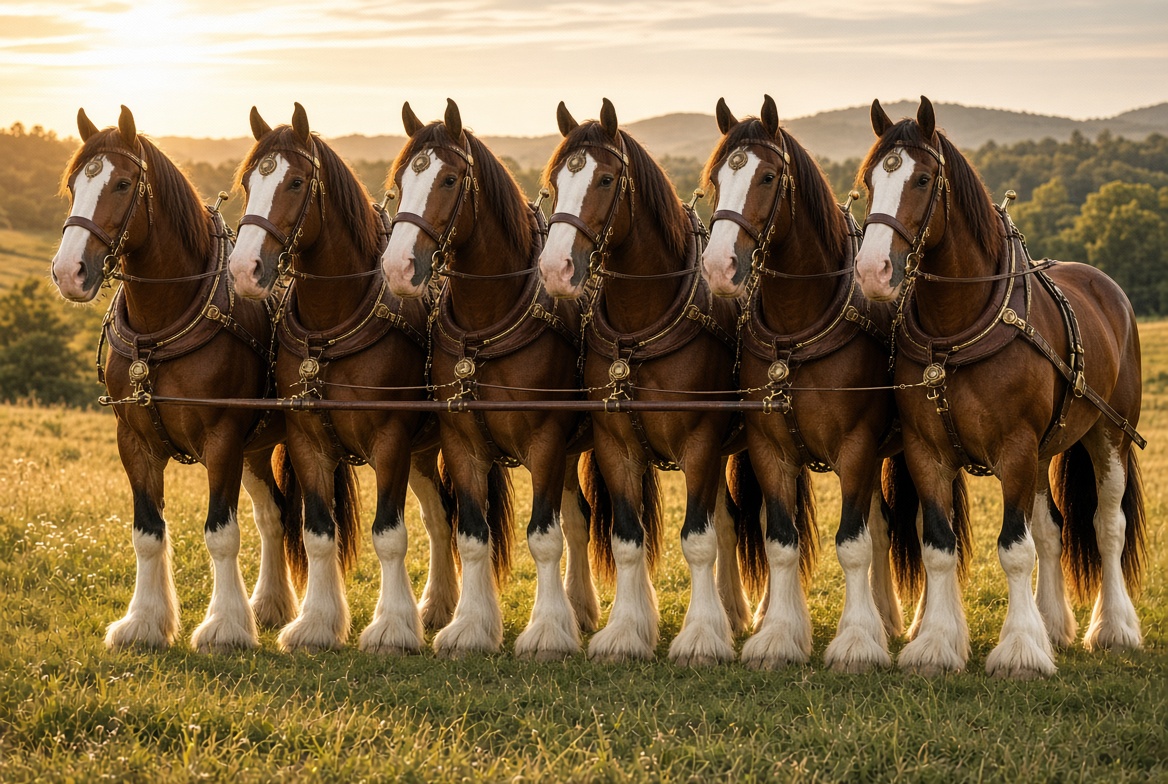
Consequently, horsepower is best measured via horses and not people. James Watt invented the steam engine and coined the horsepower term to measure the power of his engines compared to a draft horse or, in the case of more powerful engines, a herd of heavy horses.
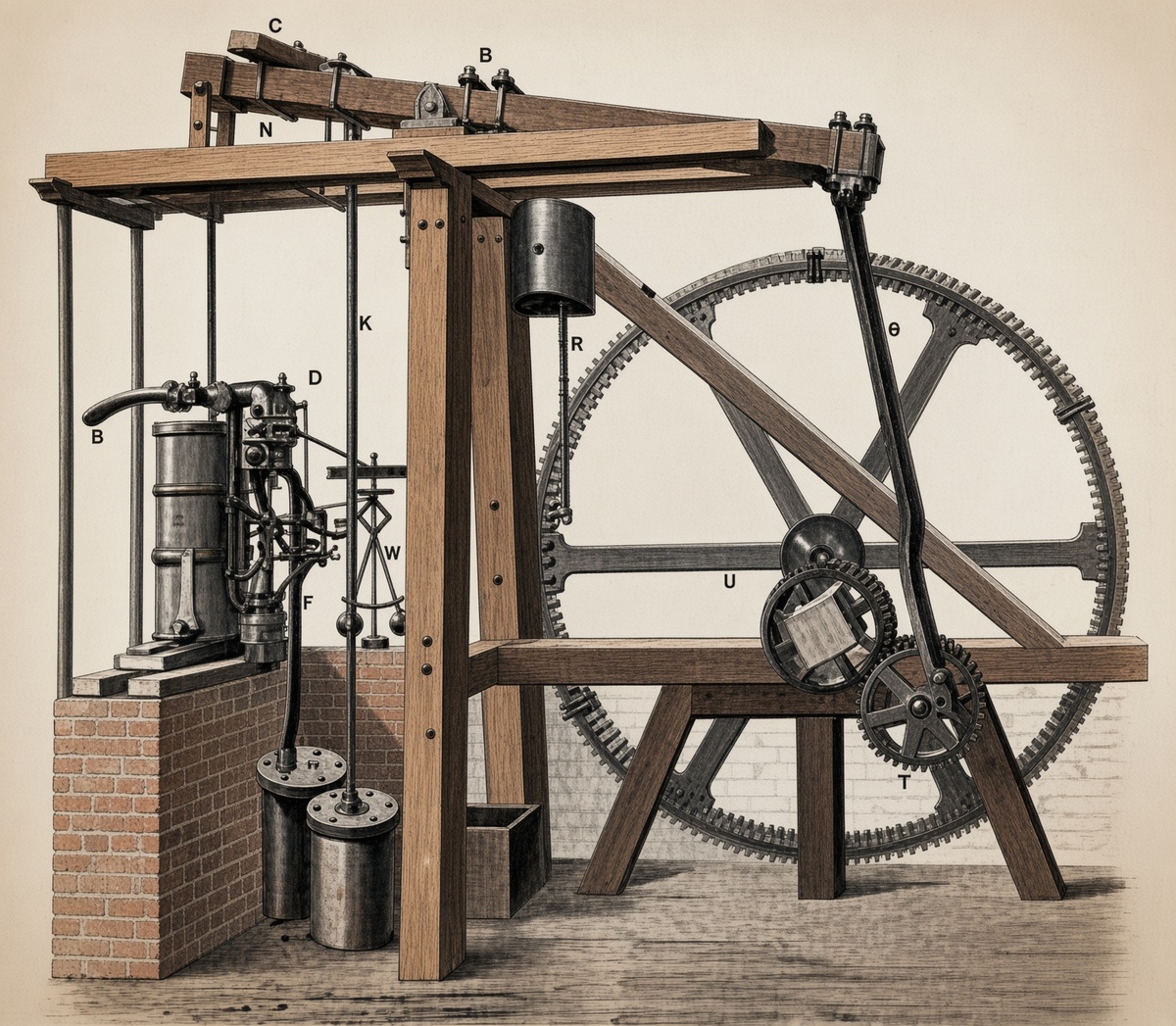
Bear in mind Watt needed a measuring stick, so he chose draft horses because the big nags were the only way to move heavy stuff at the time, and his customers would better understand the massive power potential of a steam engine if it was compared to a heavy work horse.
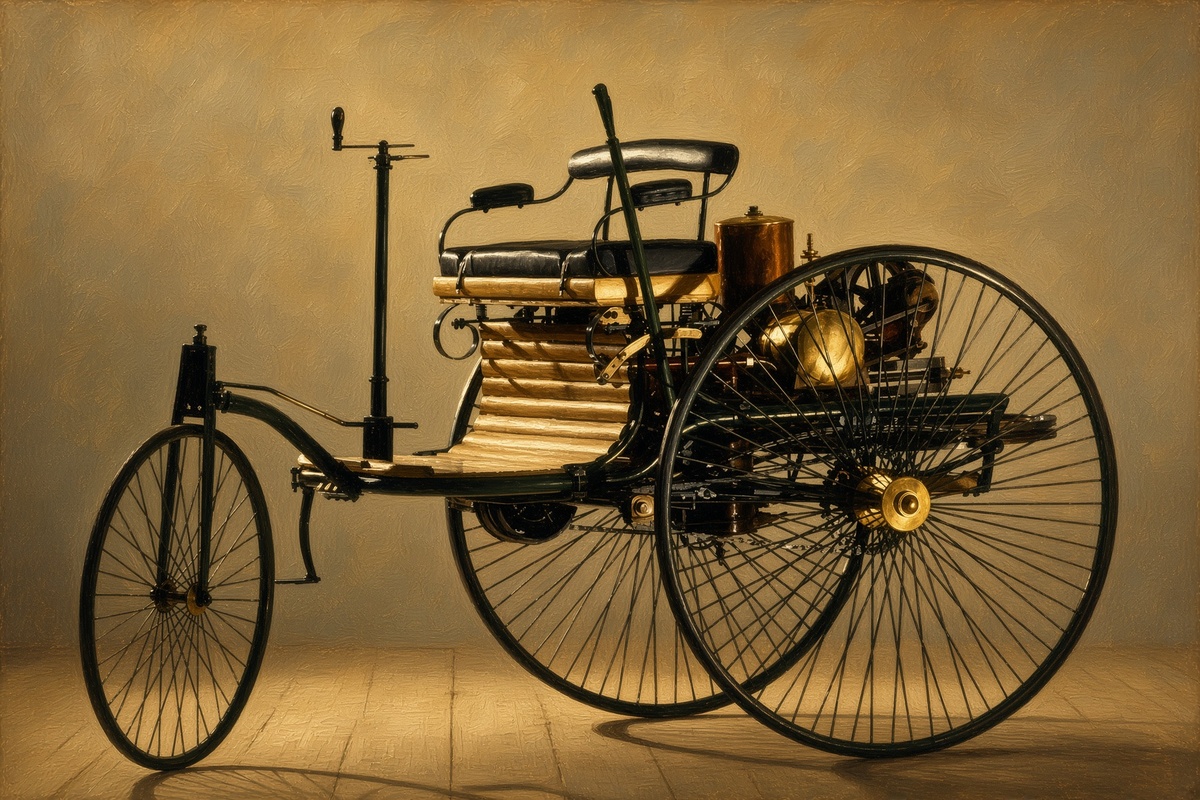
The dawn of the internal combustion engine was a new way to collect horsepower, including the first gas job car built in 1886 by Karl Benz. Essentially, he built a large tricycle with a puny engine rated at less than one horsepower that had a neck-snapping top speed of 10 mph. But hey, you gotta start somewhere and less than one horsepower may be the ideal number for some car guys.
Time marched by in a hurry within the automotive world, and eventually common domestic cars corralled about 60 horses under their hoods during the 1930s; a major upgrade from the early days of horsepower.
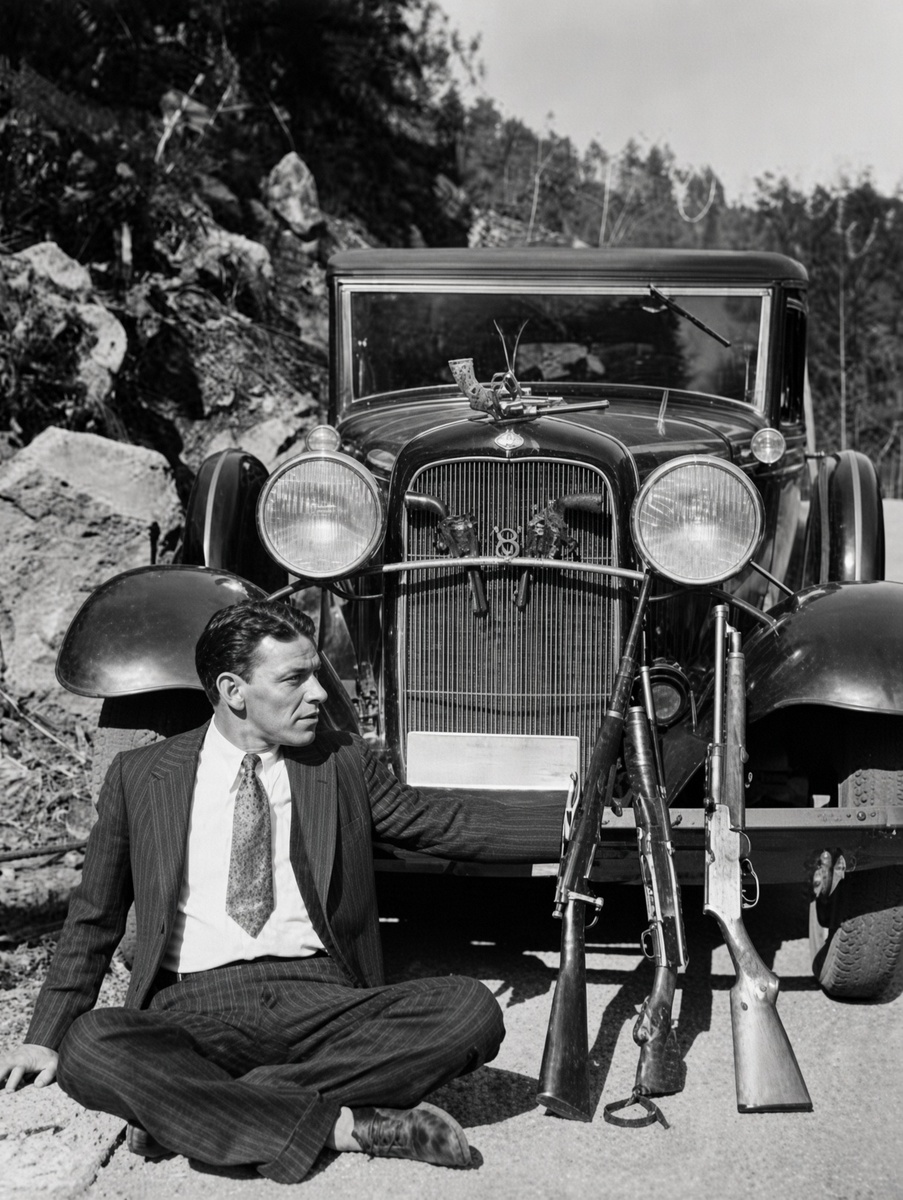
In 1934, lowlife celebrity bank robber Clyde Barrow wrote a fan letter to Ford about his Blue Oval getaway vehicle which had 85 horsepower and outran everything but bullets. His sudden death ended any potential job as a spokesman for Ford, but 85 horsepower was a solid number for garden variety domestic cars in the Dirty Thirties.

The 1950s was an era of giant leaps in factory horsepower as the dawn of the freeway took place in the United States. More lanes and higher speed limits pushed horsepower into the 300-plus range in many domestic road rockets during the early years of the Space Age in the back nine of the Fabulous Fifties.
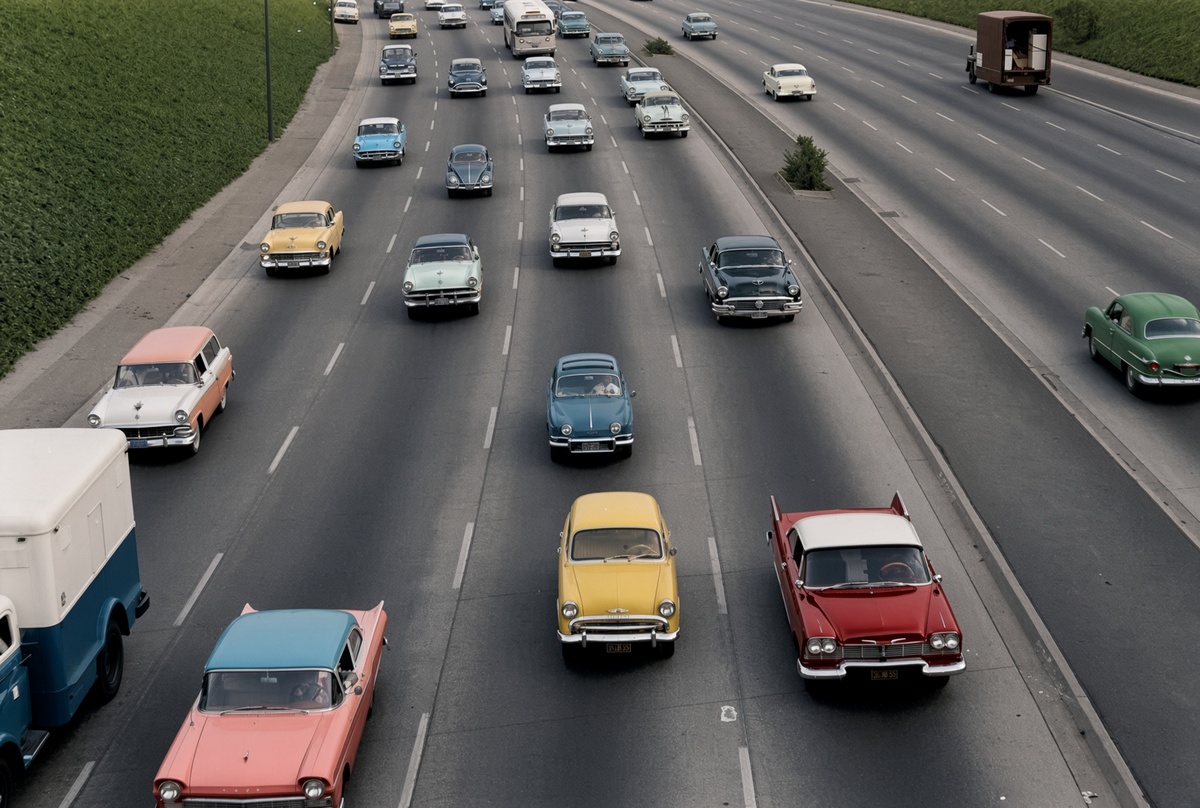
The result was an era of fast cars with limited braking and handling ability compared to modern cars, so poor drivers became involuntary stuntmen on roads built for skilled high-speed drivers.
The final phase of horsepower evolution is occurring right now in the domestic automotive world because modern American factory vehicles have insane numbers in the horsepower department. The mightiest of them all is a 2026 Corvette C8 ZR1 with over 1000 factory ponies under its hood.
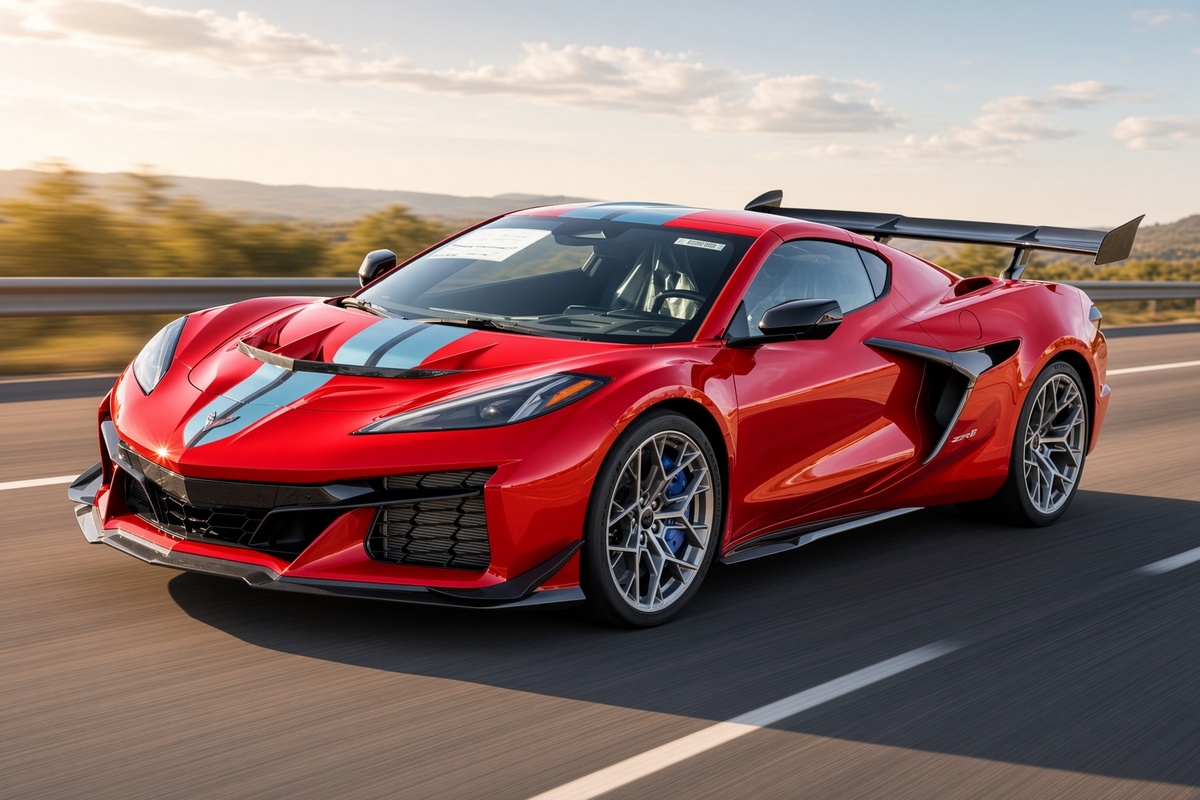
Clyde Barrow may have even outrun bullets in a 2026 Vette but may still have died in a warp drive crash because he could not handle the car.
We believe 1000-plus horsepower is well beyond the skill set of every driver, save for a young Richard Petty or Lewis Hamilton.
The realistic number for most drivers is way more than one horsepower and much much less than 1000 horsepower, in our humble opinion here at MyStarCollectorCar.
Jim Sutherland
BY: Jim Sutherland
Jim Sutherland is a veteran automotive writer whose work has been published by many major print and online publications. The list includes Calgary Herald, The Truth About Cars, Red Deer Advocate, RPM Magazine, Edmonton Journal, Montreal Gazette, Windsor Star, Vancouver Province, and Post Media Wheels Section.
- CLICK HERE to Sign Up for the Newsletter
- CLICK HERE to Like us on Facebook
- CLICK HERE to Follow us on Twitter
- CLICK HERE to Follow us on Pinterest