


















I’ll admit, I was never a van guy in the 70s although I briefly owned a VW van in high school.
I did envy guys who owned them back then, because they were rock stars at bush parties—non-van guys like me had to rely on personality, so that rarely worked out.
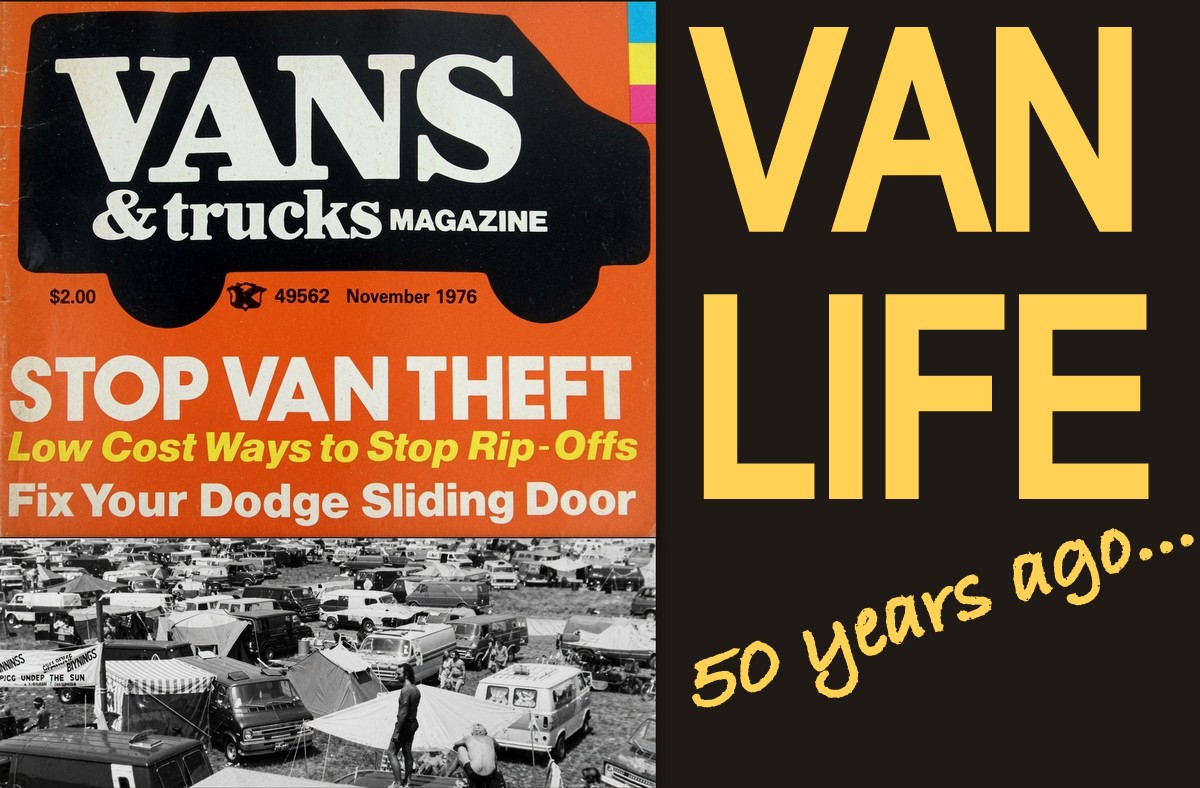
Van guys had a culture in the 70s , but I didn’t know anything about it until I read the November 1976 edition of Vans & Trucks Magazine.
Jerry Sutherland
I’ve mentioned many times how much I like to learn about automotive culture history. This van culture was like a blank chalkboard, so the learning curve was high, and the magazine was an as-it-happened history source.
The first thing I learned was the publisher and the editor weren’t on the same page. That never happens with magazines and newspapers, because the publisher is more of an operational guy, and the editor is the voice of the publication.
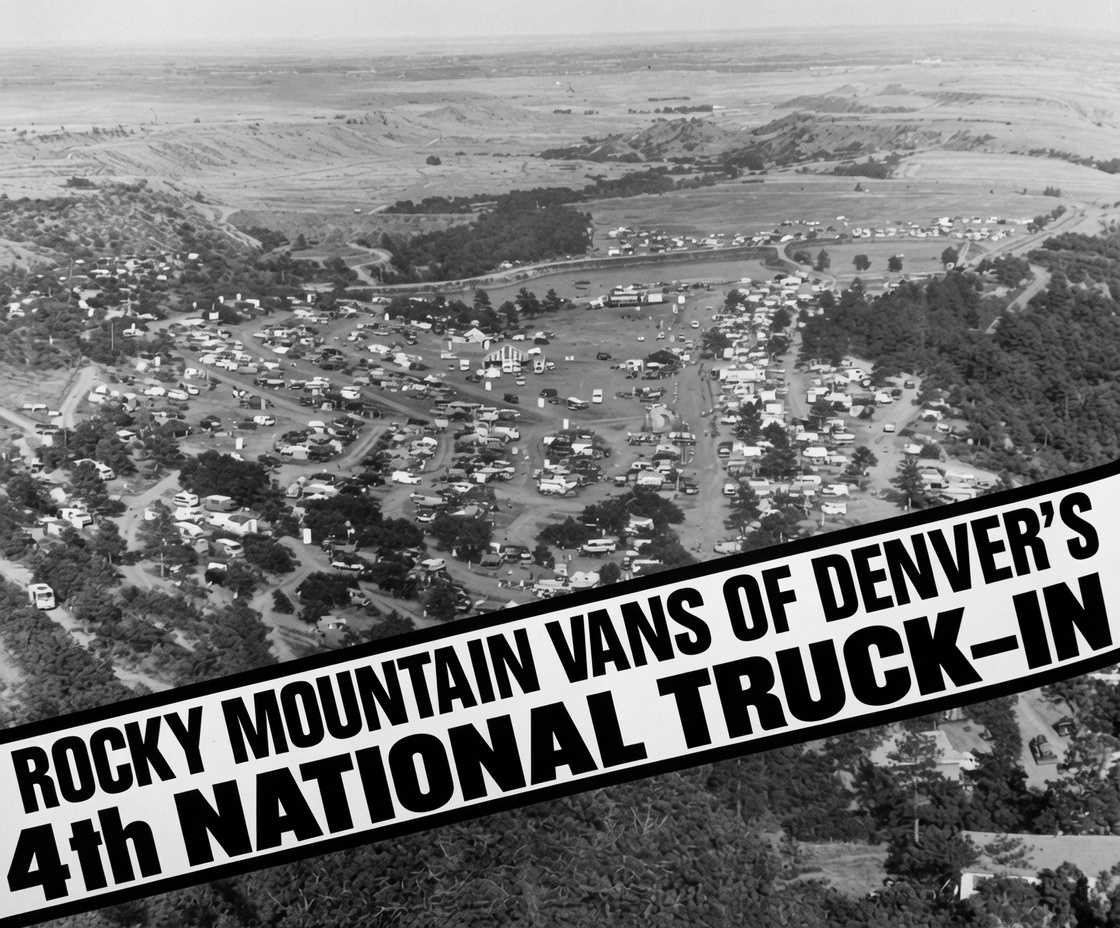
Not so in this case. The publisher (Phil Engeldrum) called out the editor (Terry Cook) because he disagreed with the Terry’s stance on two major van events. Engeldrum basically said he was a “tell it like it is” publisher, so when Cook roasted two major van events ( Bowling Green and Colorado Springs) Phil decided he had to weigh in on the topic.
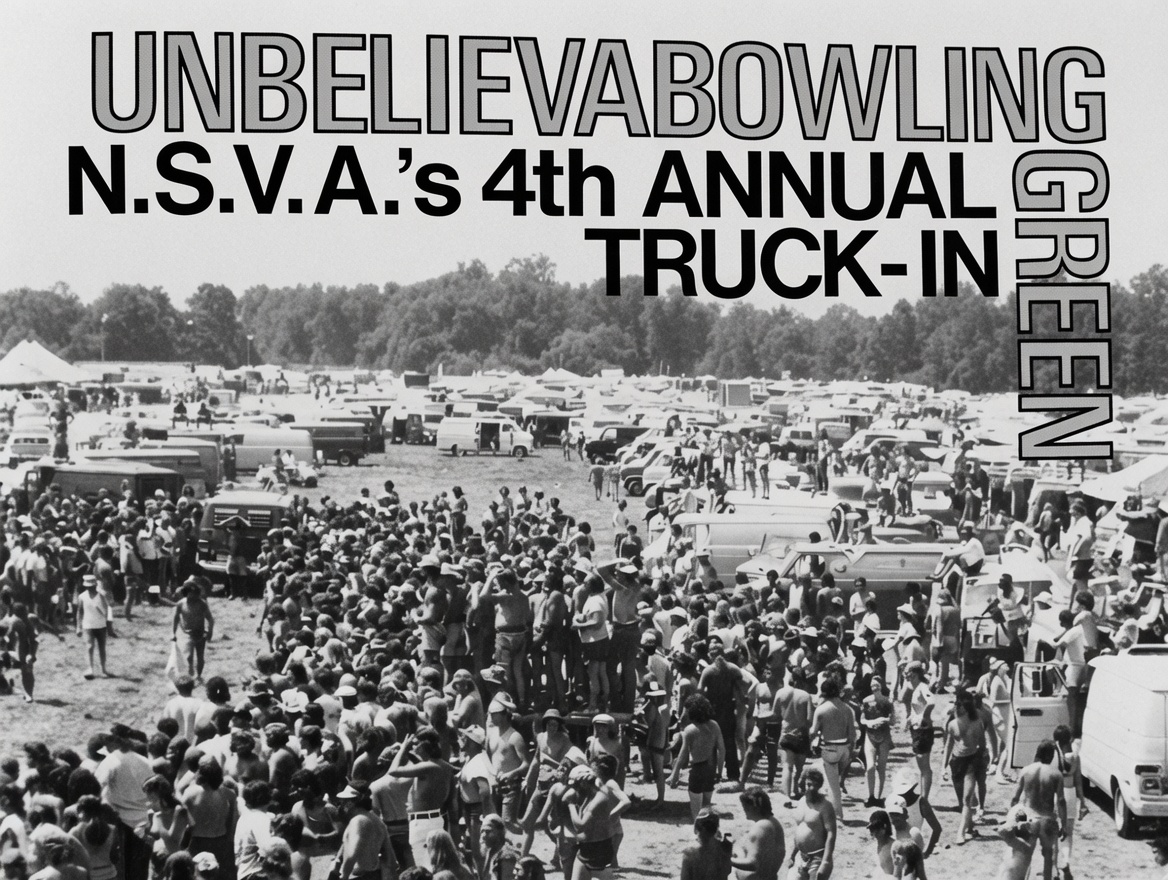
Cook saw these events as crowded disasters full of drunks, drug dealers, topless women and police. Engledrum saw things differently because he saw these events as well-organized, well-policed and fun—a typical Van-In. Or Truck-In…I couldn’t figure out the difference.
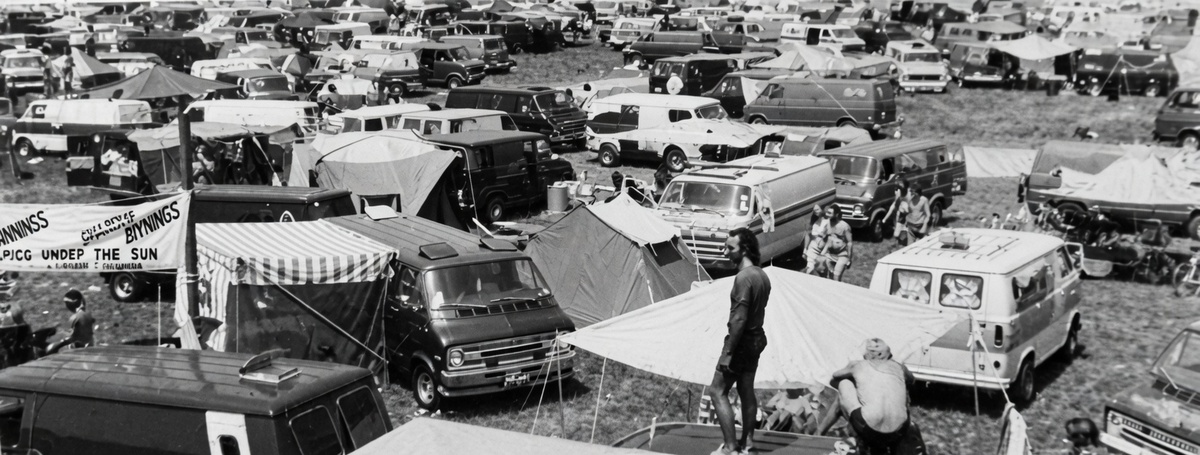
I’m a 70s guy, so these antics were eerily familiar. I tended to agree with the publisher more than the editor because it was the 1970s—not the 1870s.
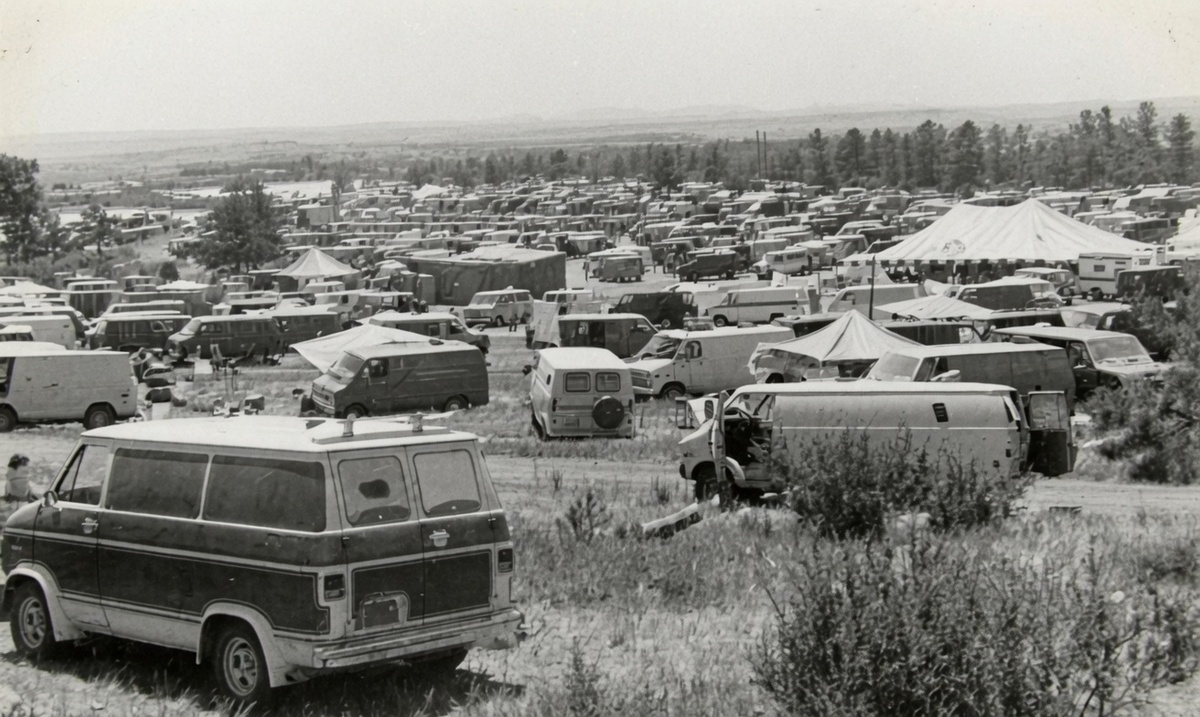
The problem stemmed from the 2% Vanners. These were the van guys who really liked to party, and they clashed with the other 98% of the van culture. I’m going to be honest here—70s me would have been a 2% guy, so I would clearly have been part of the problem.

You could see where the organizers were trying to cut the 2% guys out of the herd. They limited the numbers of entries and imposed steep individual entry fees for van with a dozen maniacs inside. Again, I would have been one of those maniacs, but 50 years later, I truly understand their strategy.
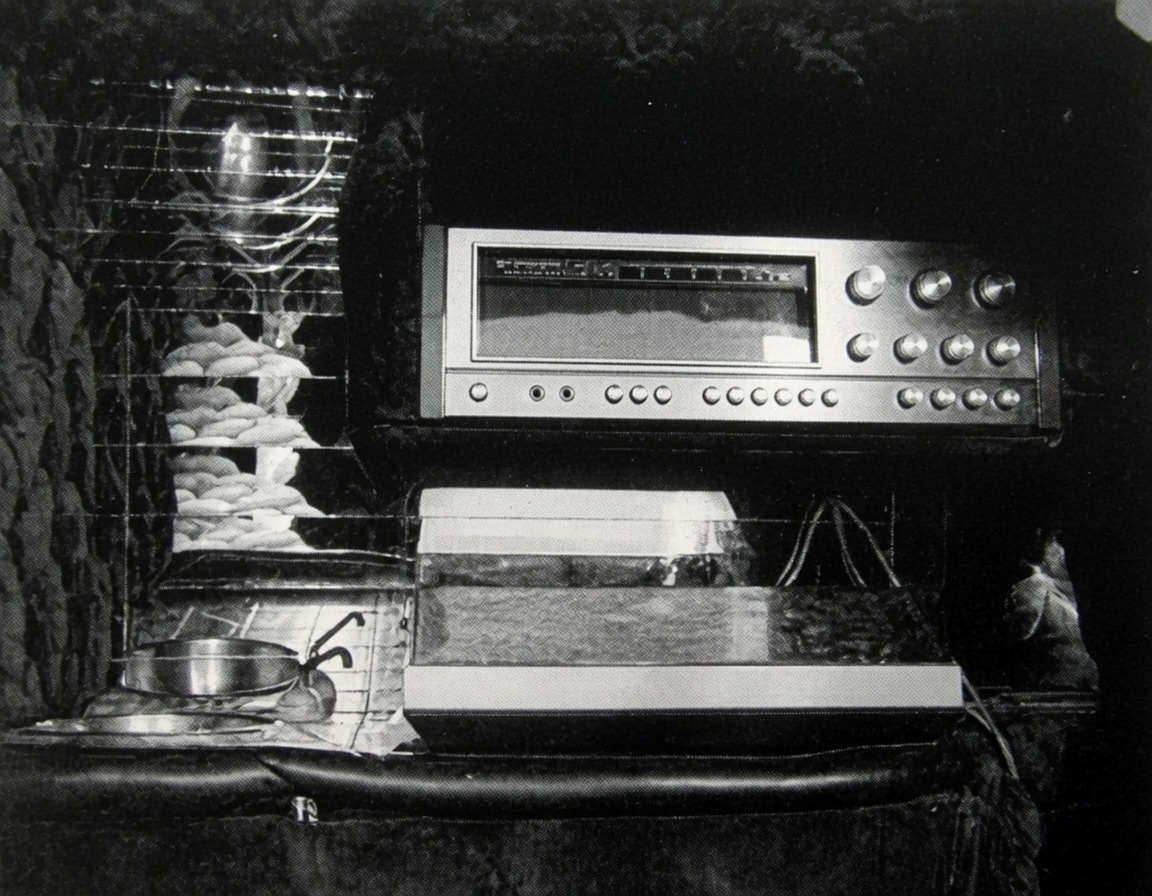
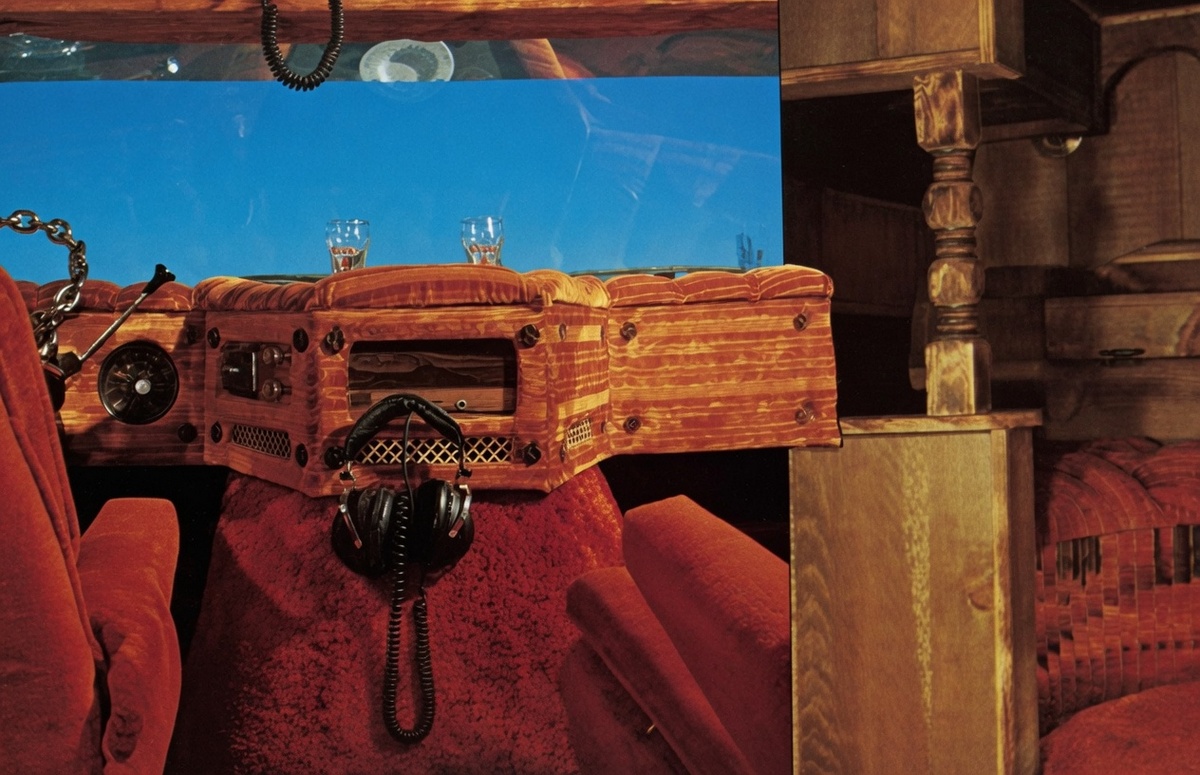
There were other things I learned about van culture in ’76. For example, some guys had full stereo systems in their custom vans and yes—that included a full-sized turntable. There was plenty of wood, mirrors and shag carpet to go around, so 70s dads had justifiable fears about their daughters at these events.
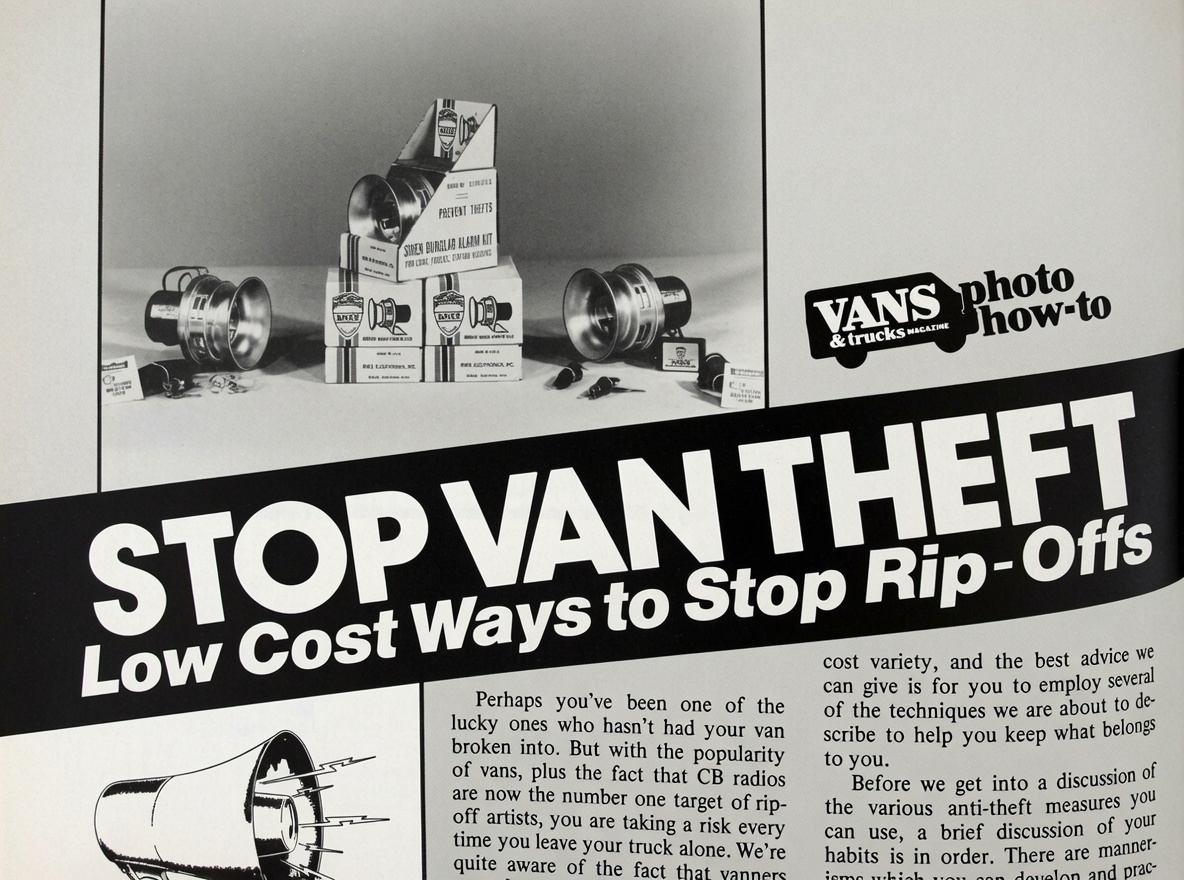
CB radios were a huge thing in 1976, so the magazine offered tips on how to theft proof their vans from would-be CB thieves. Now you can’t give them away at a garage sale, but in ’76 it was like finding a brand-new Samsung Galaxy sitting on the dash.
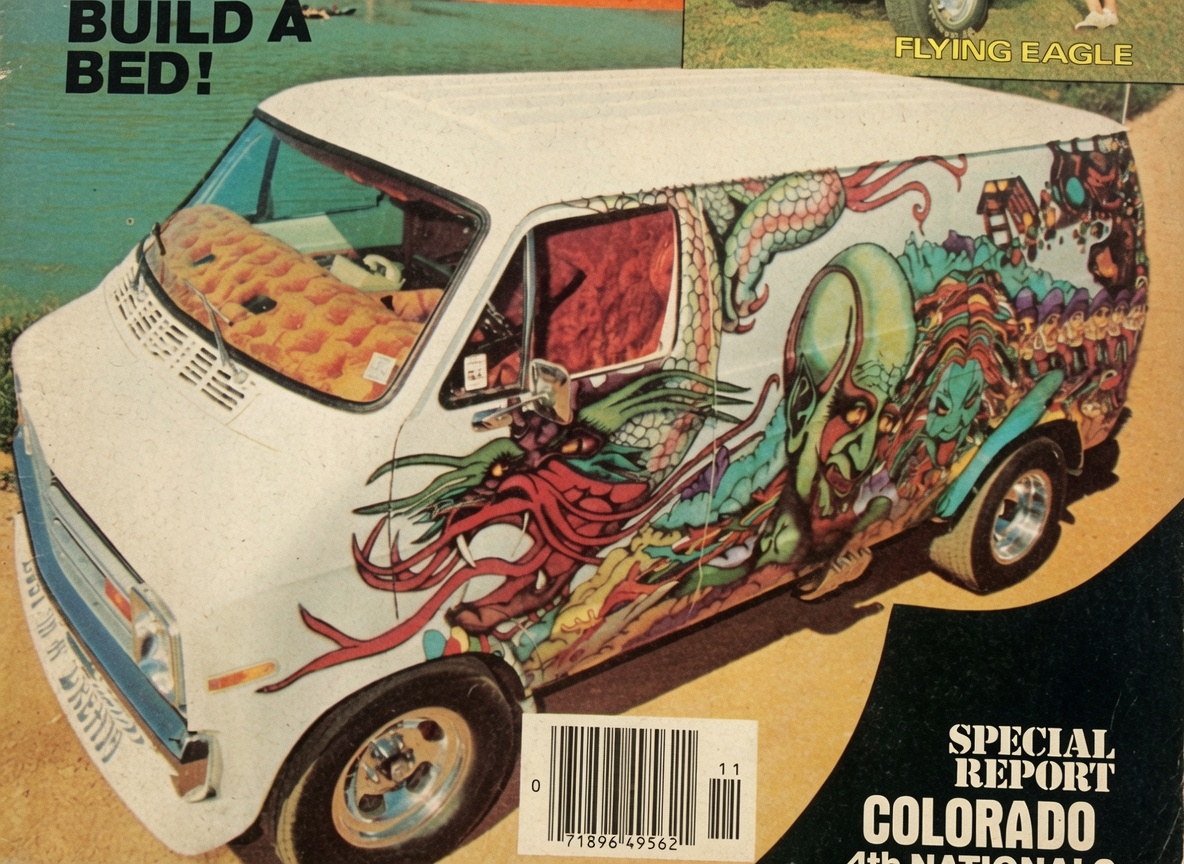
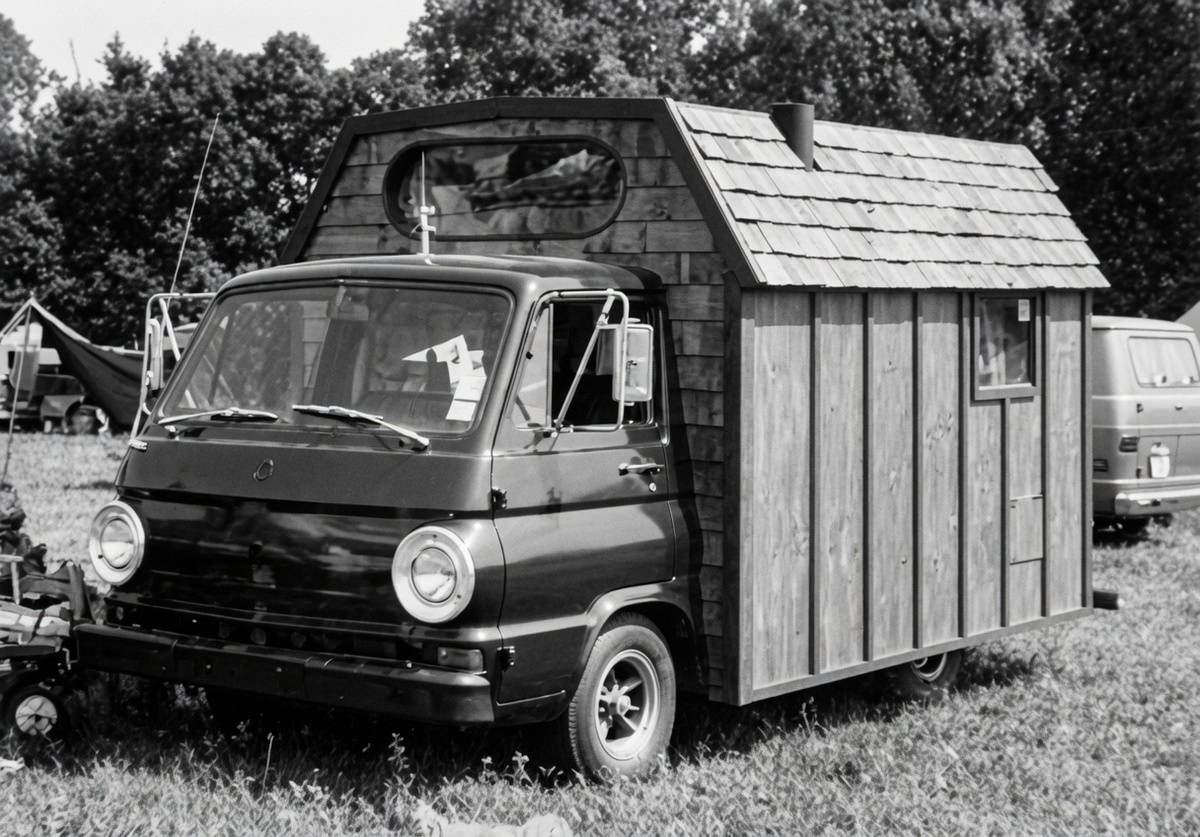
Some of the custom vans were insanely well done, because these guys were paying the equivalent price of an entry level house to fix up their chariot on wheels.
In the end, this magazine told me more truth about 70s culture than every college anthropology course ever could.
I know this because I was there.
Jerry Sutherland
By: Jerry Sutherland
Jerry Sutherland is a veteran automotive writer with a primary focus on the collector car hobby. His work has been published in many outlets and publications, including the National Post, Calgary Herald, Edmonton Journal, Ottawa Citizen, Montreal Gazette, Saskatoon StarPhoenix, Regina Leader-Post, Vancouver Sun and The Truth About Cars. He is also a regular contributor to Auto Roundup Publications.
- CLICK HERE TO SIGN UP FOR THE NEWSLETTER
- CLICK HERE to Like us on Facebook
- CLICK HERE to Follow us on Twitter
- CLICK HERE to Follow us on Pinterest