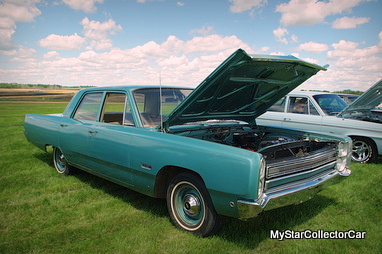














Stripes were a big part of the late 1960s to late 70s because they drew attention to flashy cars…or they enhanced less flashy cars.
Carmakers had it figured out—stripes were a cost-efficient way to draw in buyers, so here are some great examples.
Jerry Sutherland
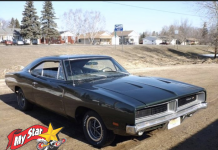
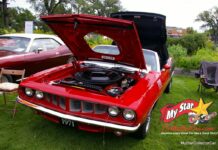
The 1969 Barracuda was the last year for the second-generation version of the legendary Mopar pony car.
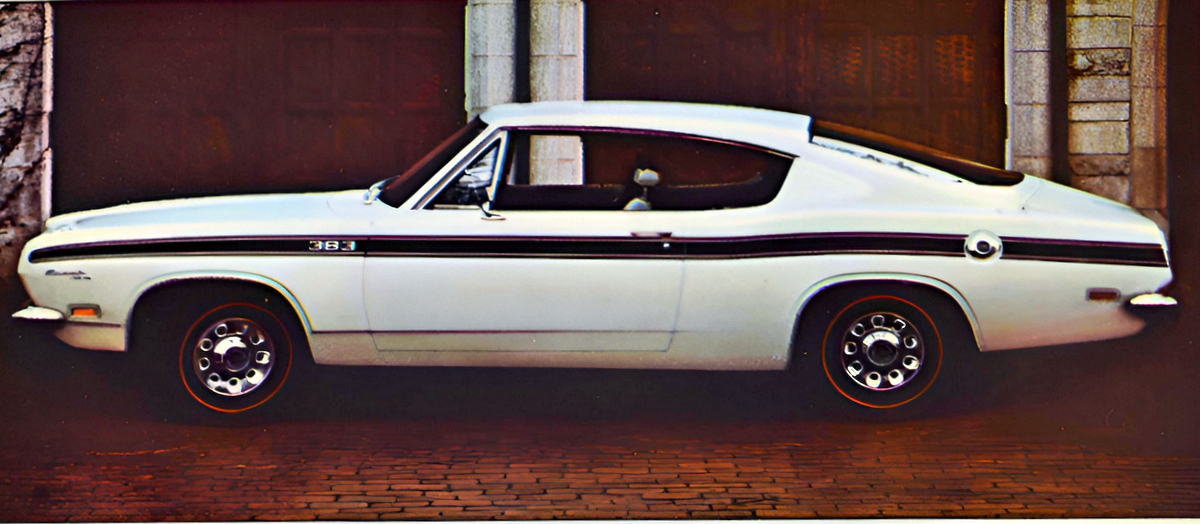
The fastback ‘cuda was on its way out, but the 2G Barracuda Formula S 383 made a classy exit. The 383 made the car a beast, but the horizontal stripes along the length of the car made it a magical beast.
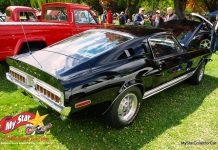
The Barracuda’s pony car rival answered the call in Detroit’s stripe wars with the ’69 Boss 302.
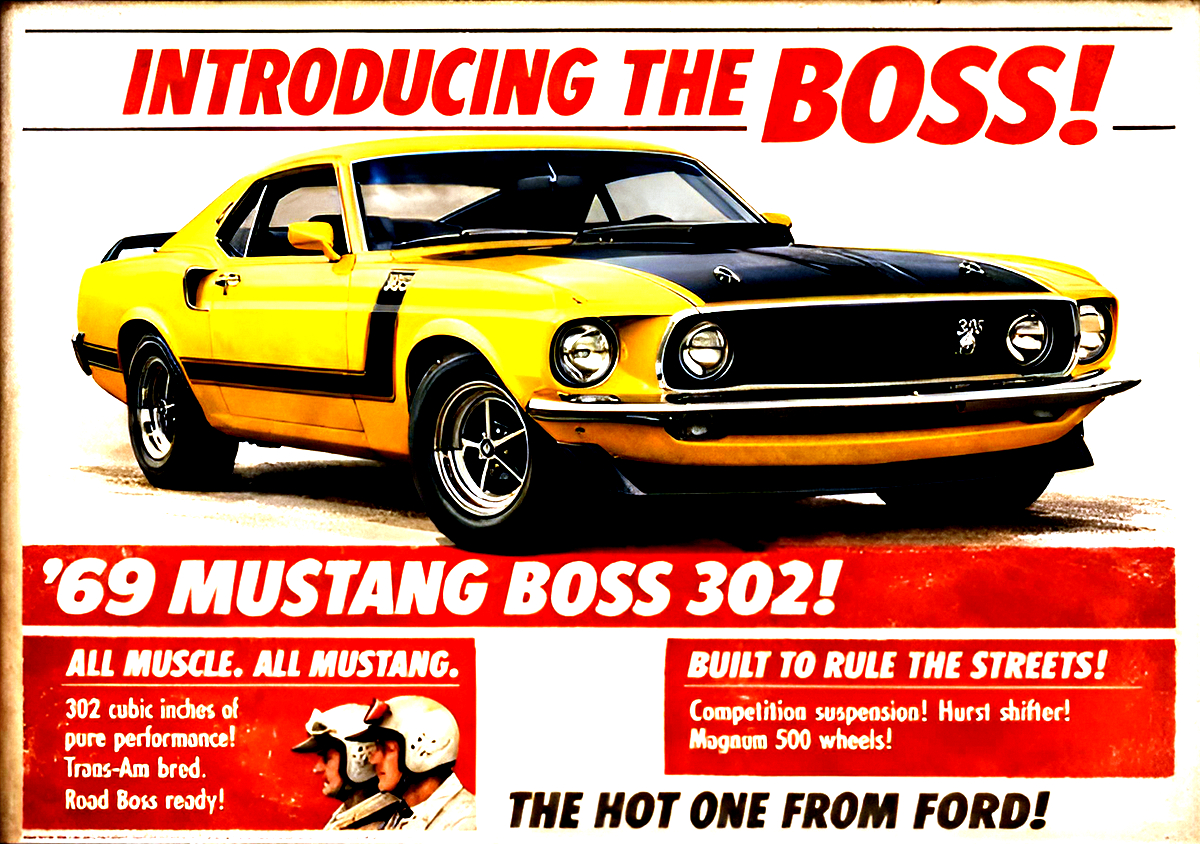
This was a fast car with a mighty small block under the hood. The Boss was built to dominate the straight-aheads and the curves, because the little 302 was so much lighter than the big blocks. The Boss 302 stripe was one of the classiest ever seen on a production car.
Ford continued their classy stripe tradition on the 1971 Boss 351.
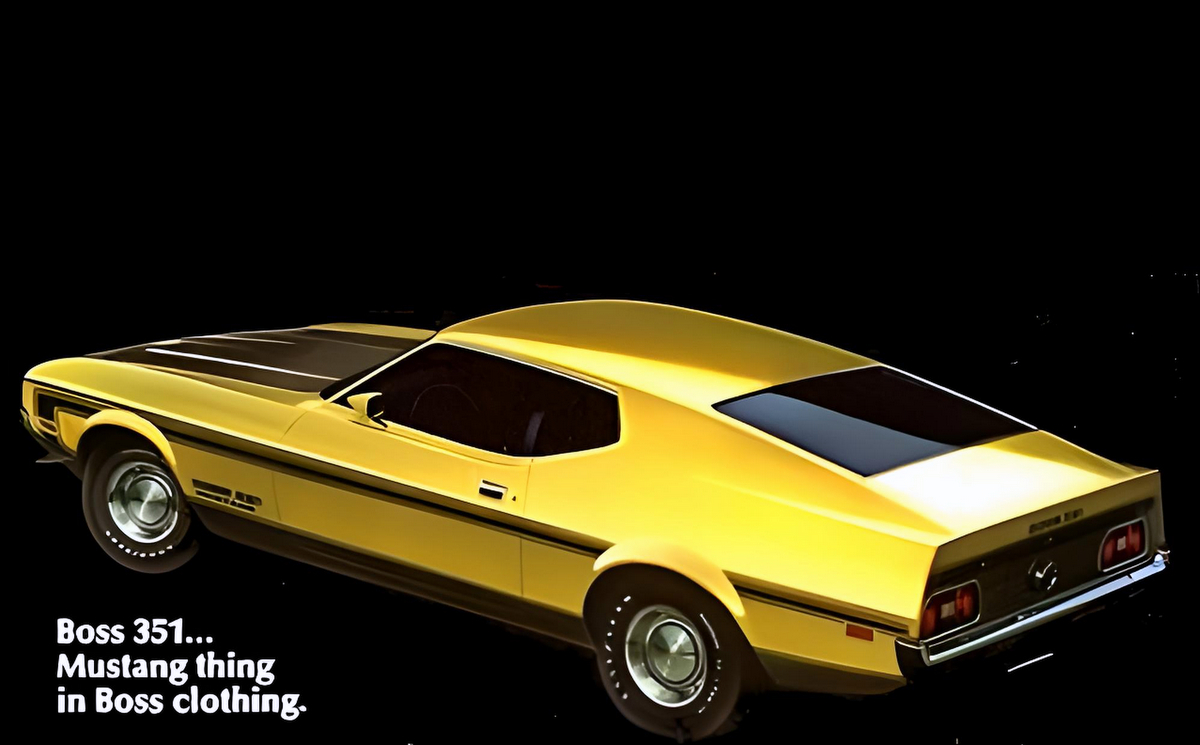
These Mustangs were large and their angles weren’t typical of the ‘stang, so the Boss 351 looked like a flying wedge. Ford countered that with a long horizontal stripe from front to back. It ended abruptly with a sharp turn down just before the front bumper. That design broke up miles of sheet metal.
The 1973 Hurst Olds was a remarkable example of smog era cars with a stripe package that overcame the obvious anchor of the emission control mandates.

The ’73 Olds was an interesting car on its own, but the Hurst package made it outstanding. Hurst went for a clean look with gold spears down both sides of the car and more gold treatments at the front and back of the car. It was perfect.
The 1977 Pontiac Can Am was deep in the bumper car/ smog era but that didn’t hold it back.
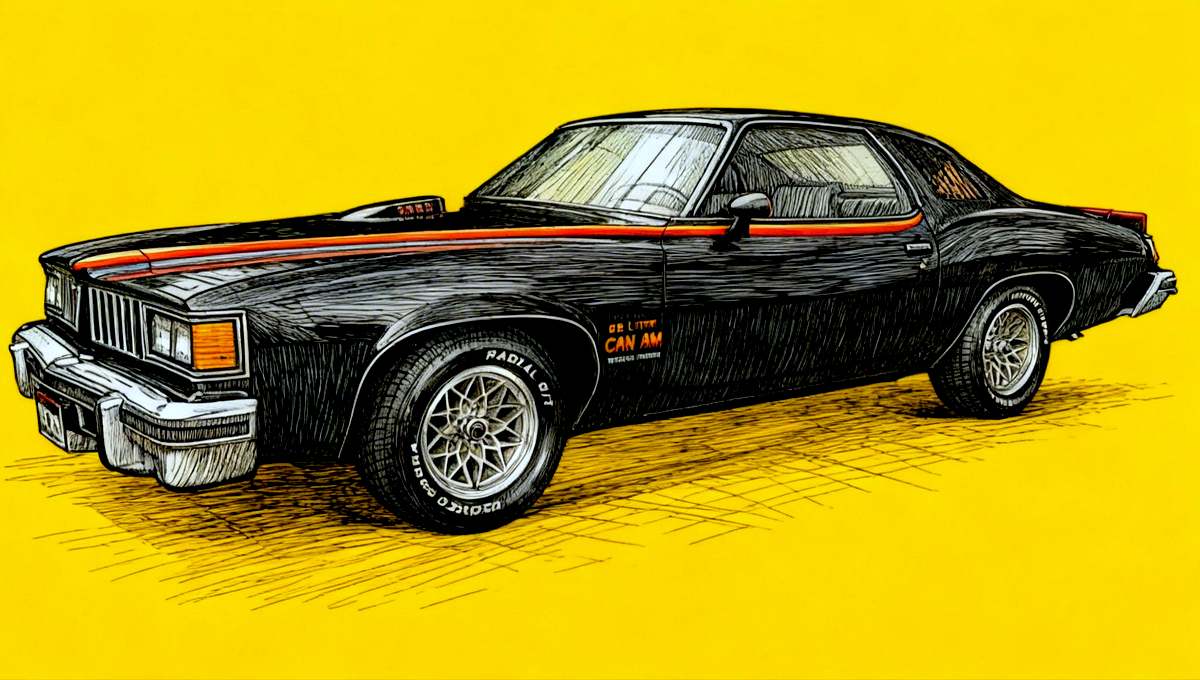
If you wanted to define disco era style, look no further than the ’77 Can Am. These cars looked tough and that was hard pull off during an era when ‘Disco Duck’ was a hit song. The Can Am stripe from the door to the cowl and down the hood accentuated the unique lines of the ’77 Pontiac. The perfect antidote to ‘Disco Duck’.
The 1979 Dodge Magnum XE answered the call for the late disco-era car buyers.

The Magnum was a also a plus-size car, so the stripe guys had a lot to work with thanks to all the extra sheet metal. Dodge broke up the lines with two-tone paint divided by a thin orange stripe. That was a master class in design because it made 50 square yards of Dodge Magnum pop like a Las Vegas casino sign.
The last example of creative striping is found on the 1979 Olds 442.

These cars were light years away from the classic era of the Olds 442, but they had their own form of cool. They were smaller and slower, but the stripes to break up the paint–and the 442 call-outs on the doors gave the little Olds a lot of presence on the mean streets of 1979.
The stripes were simple add-ons, but they added instant style in the late 60s to the late 70s to Detroit iron.
Jerry Sutherland
By: Jerry Sutherland
Jerry Sutherland is a veteran automotive writer with a primary focus on the collector car hobby. His work has been published in many outlets and publications, including the National Post, Calgary Herald, Edmonton Journal, Ottawa Citizen, Montreal Gazette, Saskatoon StarPhoenix, Regina Leader-Post, Vancouver Sun and The Truth About Cars. He is also a regular contributor to Auto Roundup Publications.
- CLICK HERE TO SIGN UP FOR THE NEWSLETTER
- CLICK HERE to Like us on Facebook
- CLICK HERE to Follow us on Twitter
- CLICK HERE to Follow us on Pinterest