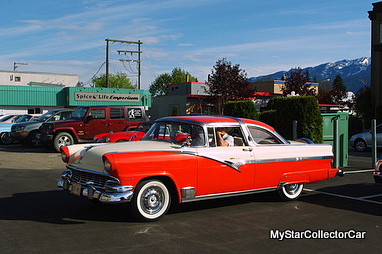
















You can’t pick up a story about the classic 60s muscle era without reading about 427 big-block Fords, 454 big-block Chevys or Mopar 426 hemis.
They were the big dogs in their time, but what about the lesser-known performance engines?
The other guys were overshadowed by the famous big-blocks…until now.
Jerry Sutherland
The Olds Ram Rod W-31 debuted in 1968 and the W-31 ran until the 1970 production year.
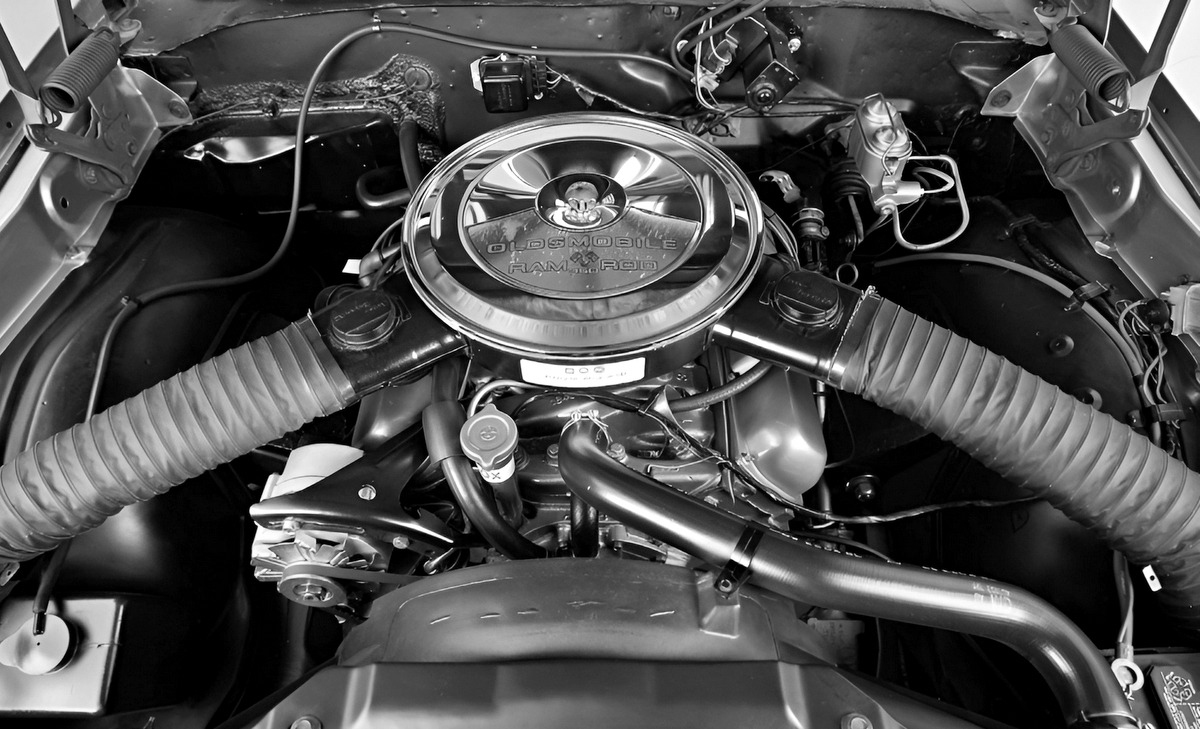
They were primarily aimed at the Cutlass model, and they represented an entry-level muscle car. They used different heads and a bigger carb to squeeze 325 horsepower out of a 350 block. Olds didn’t sell many cars with the W-31 option, but in 2026 they get a lot more respect at car shows for their scarcity and power-to-weight ratio.
The Dodge D-500 cross-ram induction 383 was a few years old by 1961, but it was still a rare option.
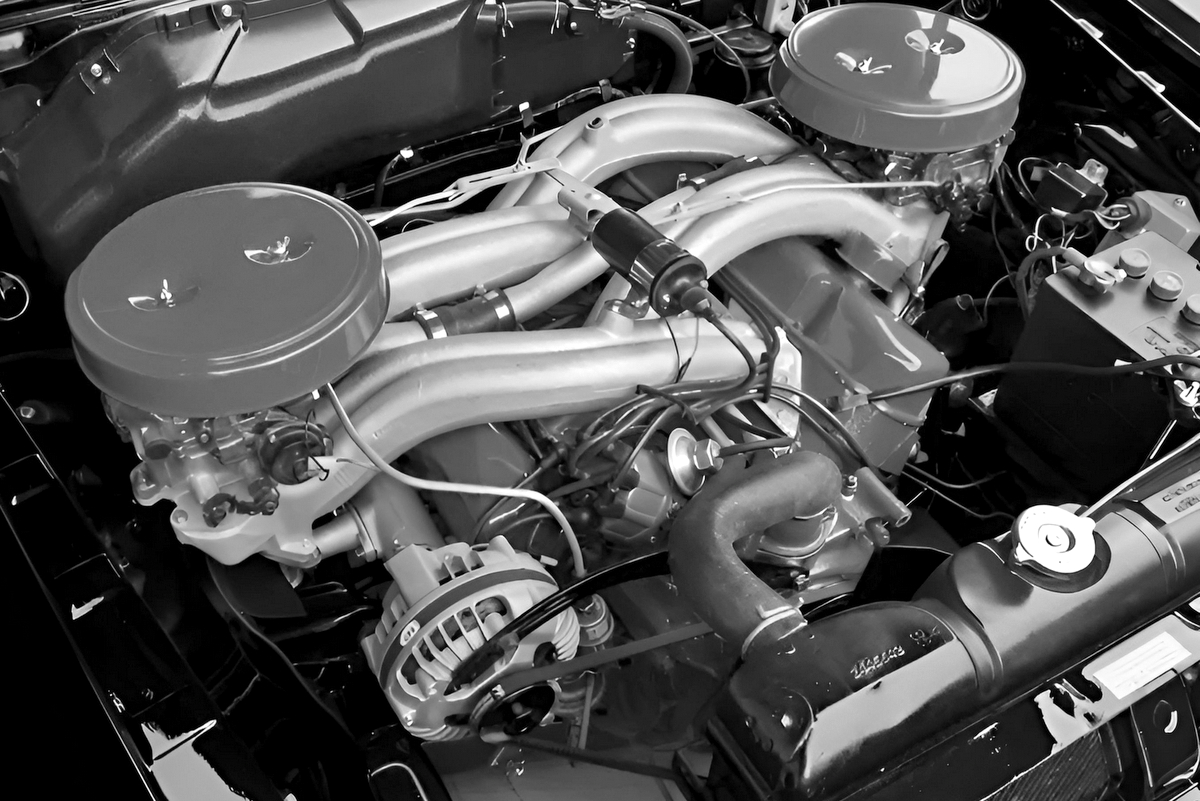
The Chrysler engineers were sold on the cross-ram induction setup, but buyers weren’t– even though the 383 pumped out 330 horsepower. The buyers also didn’t flock to the ’61 Dodge, so that makes a D-500 an extremely rare car.
The 1962 Ford Super High Performance 406 tri-power is another car that didn’t break sales records. This was basically a track car because it cranked out 405 horsepower thanks to its 11.14:1 compression, headers, and dual exhausts.
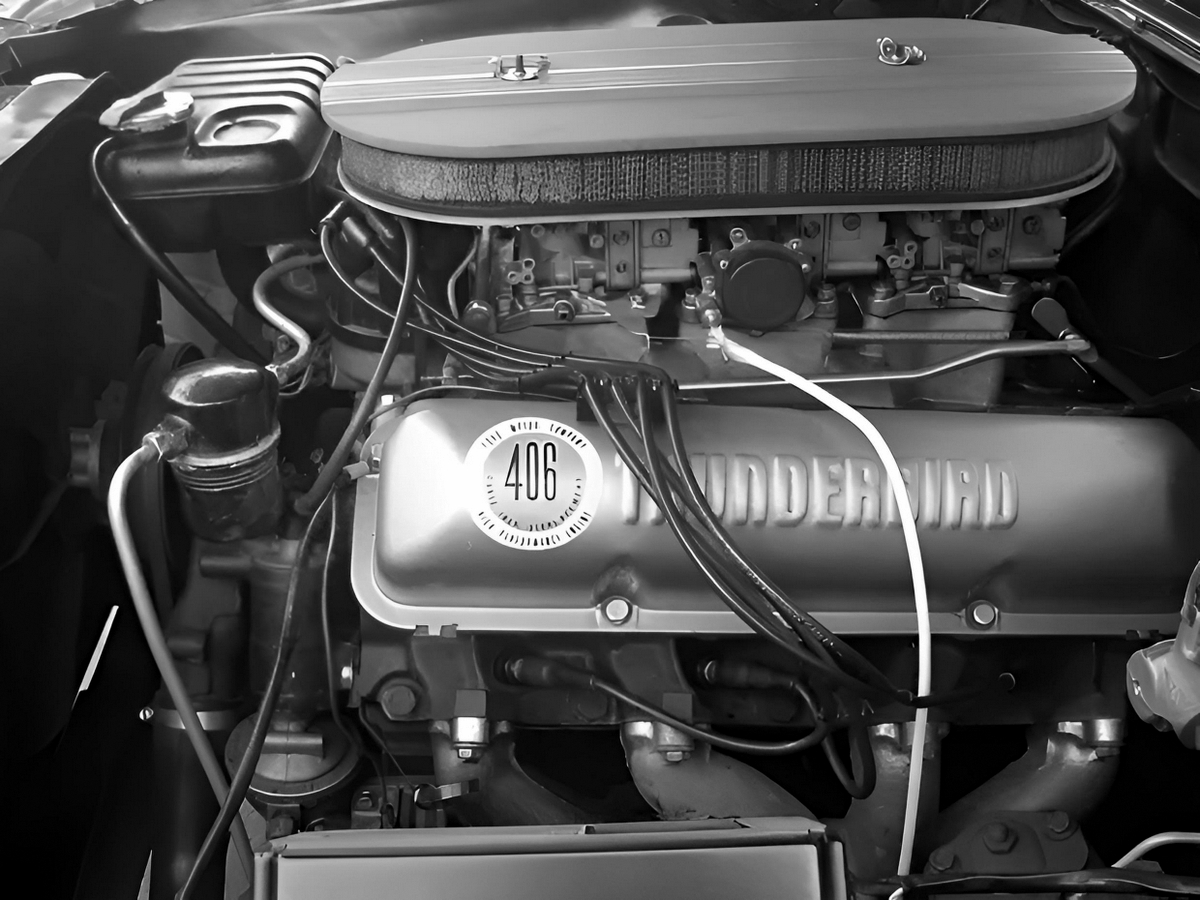
They were massive cars, but they could nudge 6 seconds getting to 60 miles per hour. The 406 didn’t last long as an option once NASCAR bumped displacement up to 427 cubic inches. That explains the lack of press coverage.
You could buy a 1961 Pontiac Catalina or Ventura with a dealer-installed 421 SD (Super Duty) if you had the right connections.
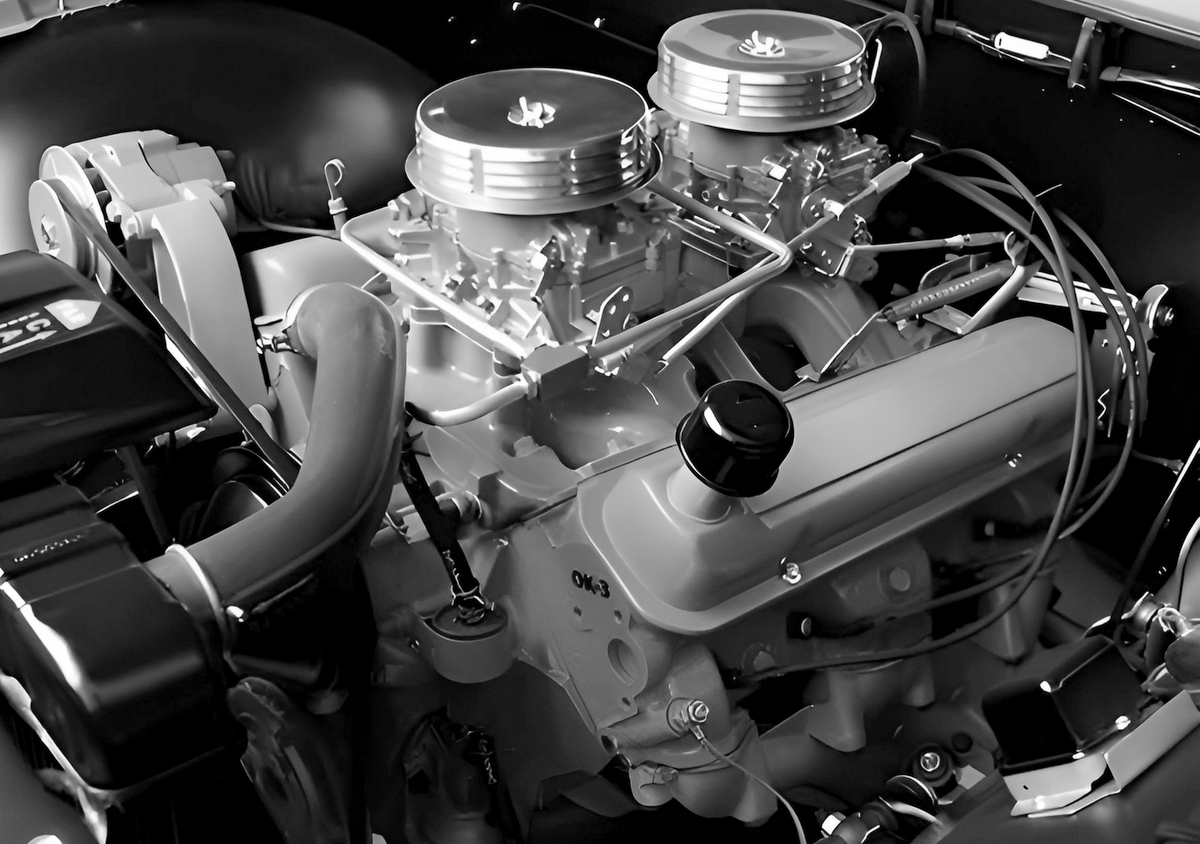
These weren’t grocery-getters because they had 373 horsepower, dual four-barrel carbs, solid lifter cams and aluminum exhaust manifolds. In other words, the 421 Super Dutys were loud cars that hated idling in a parking lot—and they were magnificent beasts.
The 273 Commando option hit Plymouth dealer showrooms in 1966 and Chrysler offered two versions.
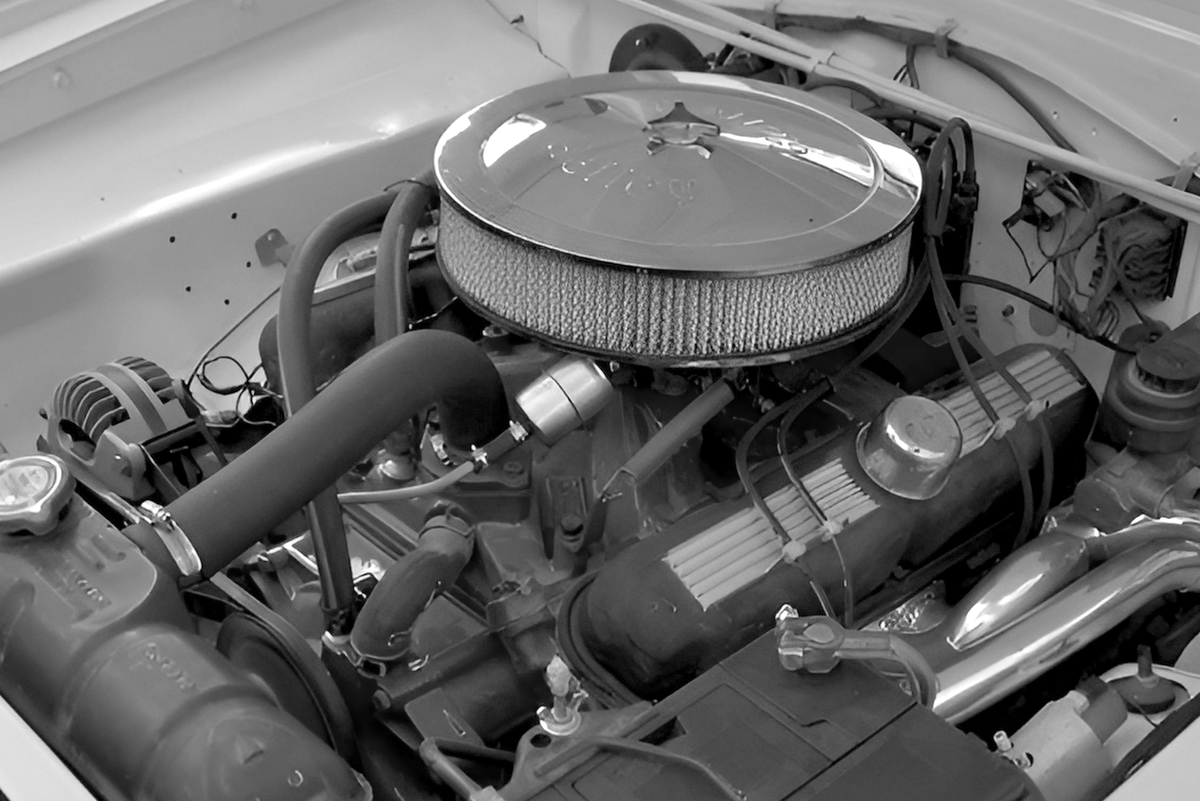
There was a standard 235-horse option, and a D/Stock version was available as an over-the-counter dealer-installed option–or as a limited production option. Again, it came down to who you knew to buy one, but these light little gazelles could turn a low 14-second ¼ mile in 1966.

The Chrysler Slant Six Hyper-Pak was born in 1959 when the Leaning Tower of Power debuted in time for the 1960 model year.
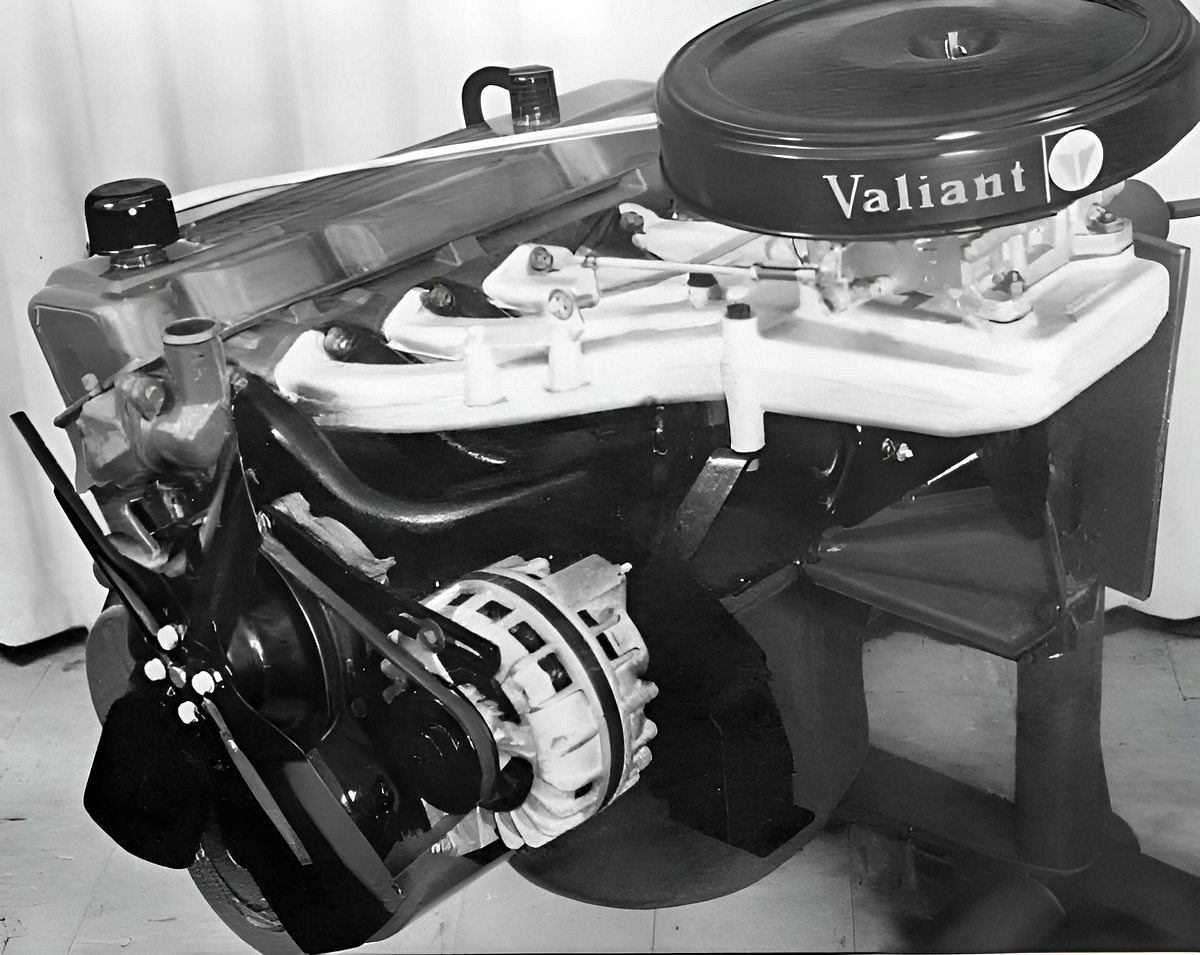
Chrysler built the Slant Six for fuel economy, but they built the Hyper-Pak to dominate on the NASCAR tracks against other compact cars. They accomplished that by making the engine breathe better, so it pumped out nearly 200-horsepower to drive it to a top speed of 130 miles per hour. The little Valiants dominated during their short racing lives with a Hyper-Pak under the hood.
The 1966 Corvair Turbo Corsa was close to the end of the line for the little car that Ralph Nader hated, but it exited with style.
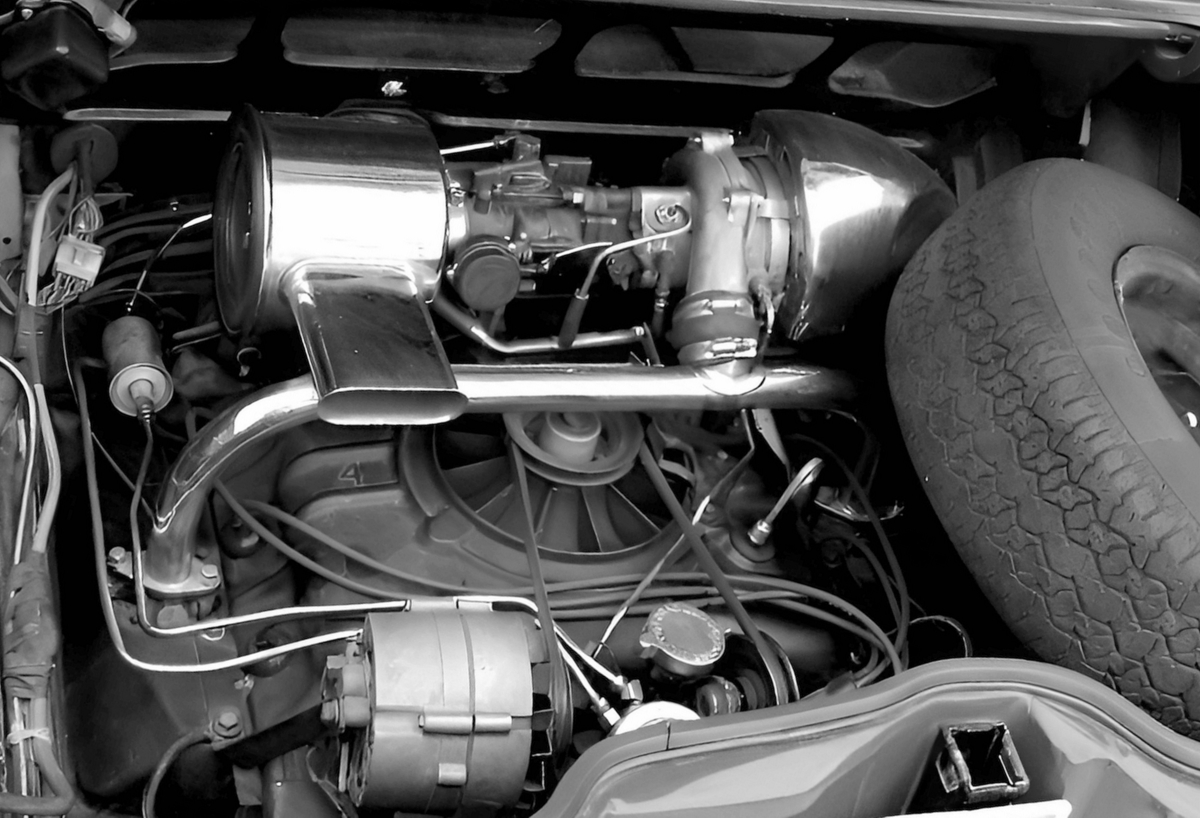
The turbo-driven 164 cubic-inch flat-6 pumped out an amazing 180-horsepower. This wasn’t even close to the mega-horsepower big blocks of the era, but it was over one hp per cubic inch. That was a big deal in 1966.
They’ll never steal the spotlight from the big guns of 60s and early 1970s muscle car folklore, but these lesser-known engines did tell their own story.
Jerry Sutherland
By: Jerry Sutherland
Jerry Sutherland is a veteran automotive writer with a primary focus on the collector car hobby. His work has been published in many outlets and publications, including the National Post, Calgary Herald, Edmonton Journal, Ottawa Citizen, Montreal Gazette, Saskatoon StarPhoenix, Regina Leader-Post, Vancouver Sun and The Truth About Cars. He is also a regular contributor to Auto Roundup Publications.
- CLICK HERE TO SIGN UP FOR THE NEWSLETTER
- CLICK HERE to Like us on Facebook
- CLICK HERE to Follow us on Twitter
- CLICK HERE to Follow us on Pinterest