




















A little background on the original Pinocchio is necessary for this article.
He was a wooden puppet who pined to be a flesh-and-blood real boy with all his plywood heart.
Pinocchio’s biggest disability was a nose that grew every time he lied, an affliction that would give every politician a nightmarish nasal problem.
Jim Sutherland
MyStarCollectorCar decided to connect the dots between Pinocchio and vintage cars by concentrating on retro rides with big noses. As well, the connection between the famous puppet liar and a vintage vehicle occurs whenever a faulty gauge leaves a car guy on the side of the road because an old car lied about its oil pressure, gas left in the tank, or temperature level.
However, every prominent proboscis (a 10-dollar word for nose) on a car was based upon an automotive designer’s decision, so the only whopper was to himself about whether his car’s big nose concept was a home run of an idea.
The buying public would be the ultimate judge about whether a car with a big front nose was a winner, but we decided to compile a list of some notable cars with a protruding schnozzle.
The first car on our list was any Lincoln Continental built between 1937 and 1941. These big beauties broke the style mold at Ford because they were ahead of their times in terms of overall design, including their unique hoods that ended with a distinctive nose protrusion.
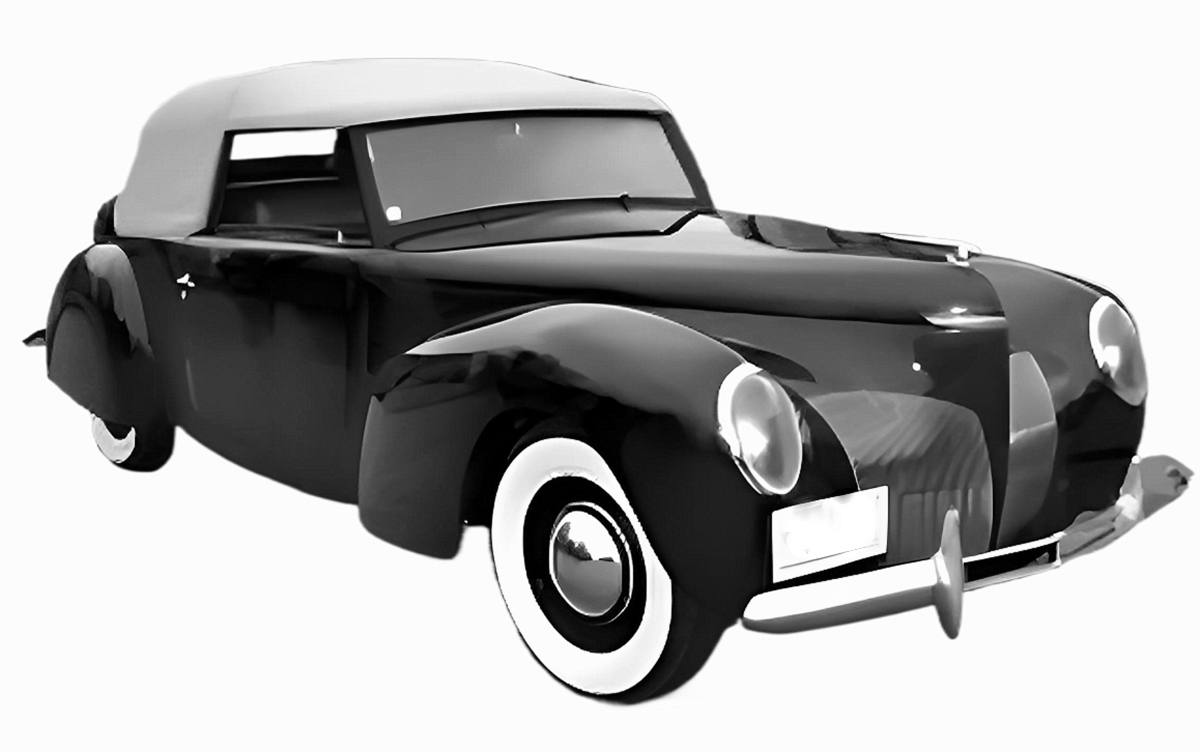
Most other Lincoln models were locked in an older 1930s style that was firmly stuck into the past, but the 1937-41 Lincoln Continentals looked futuristic by comparison. Their cutting-edge large nose design was a big part of their sleek new look.
One must include MyStarCollectorCar’s second member of our big beak club, more specifically the Bullet-nosed Studebaker Champion models built in 1951-52.
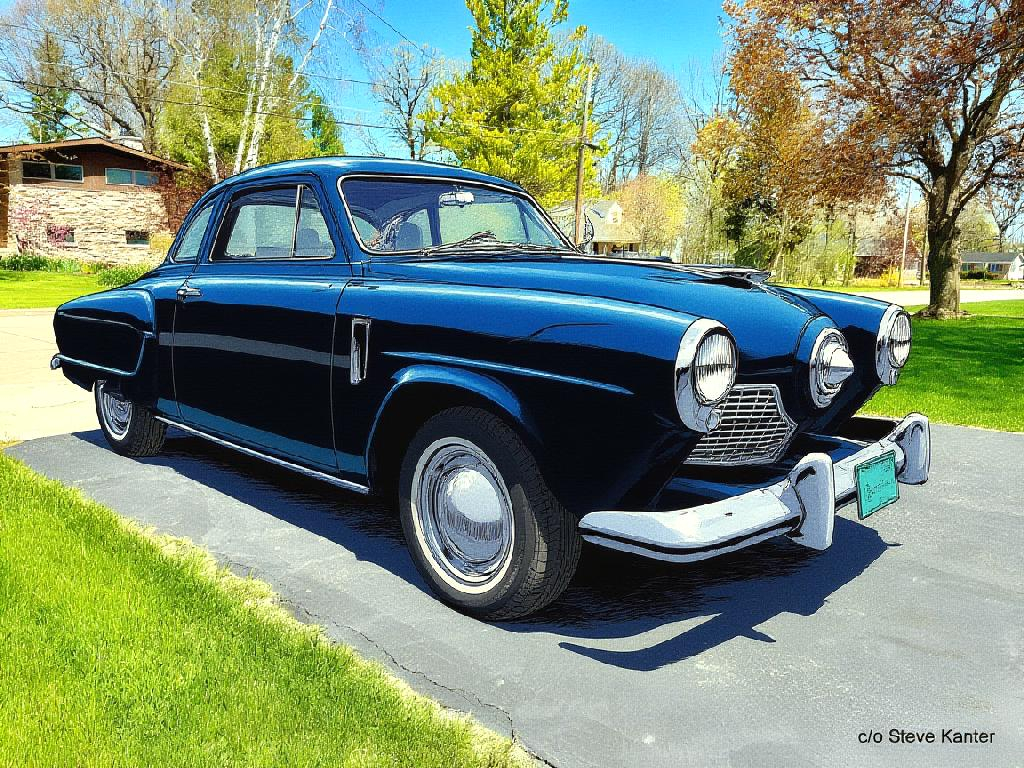
The radical design of the car’s nose cone was a unique style for the early Fifties Studey model and became a legendary part of automotive history, so it simply cannot be overlooked for MyStarCollectorCar’s Pinocchio car list.
The third car on our big honker list is the 1967 Pontiac Grand Prix. The ’67 Grand Prix was a radically different car from its 1966 predecessor because it had hidden horizontal headlights while the ’66 Grand Prix had vertical non-hidden headlights.
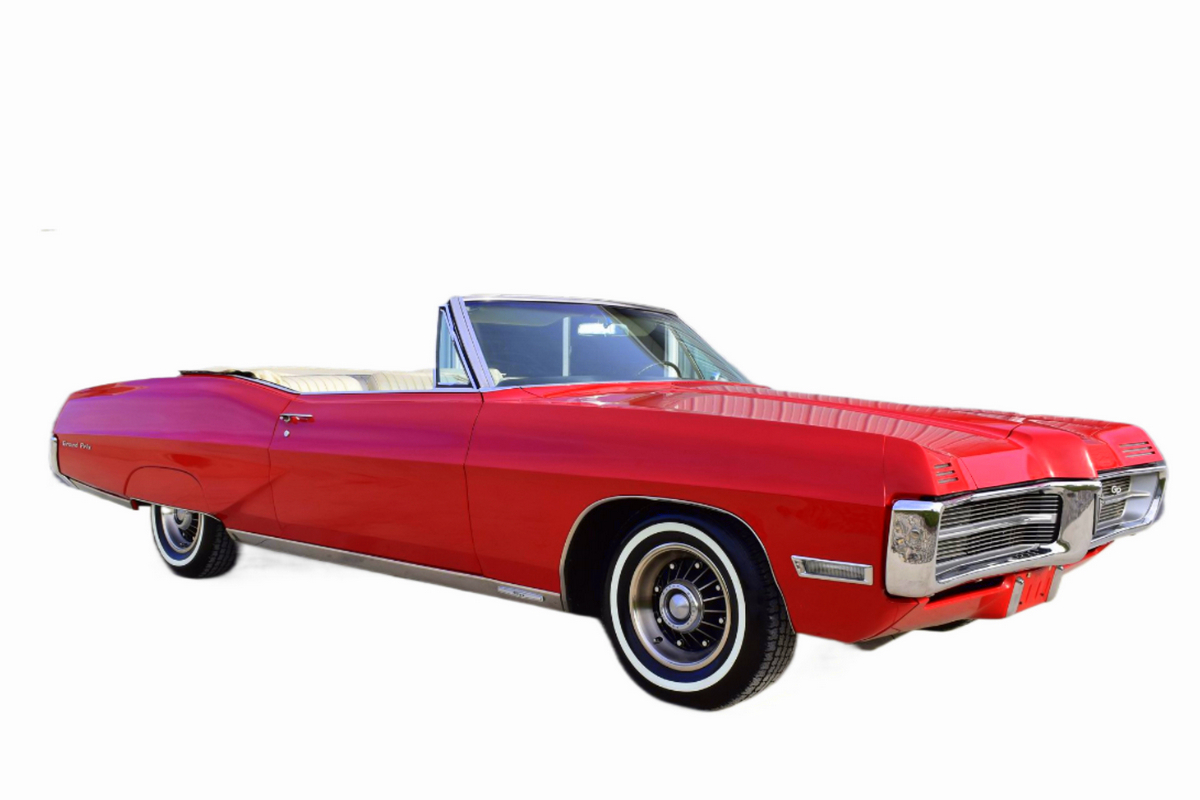
More importantly, the center section of the 1967 Grand Prix stuck out considerably more than a ’66 Grand Prix and made the car a natural addition to our large snout list.
The fourth esteemed member of our Pinocchio car list is the 1970 Ford Thunderbird. The ’70 T-Bird looked completely different from the 1969 Thunderbird, particularly on the car’s front re-design.
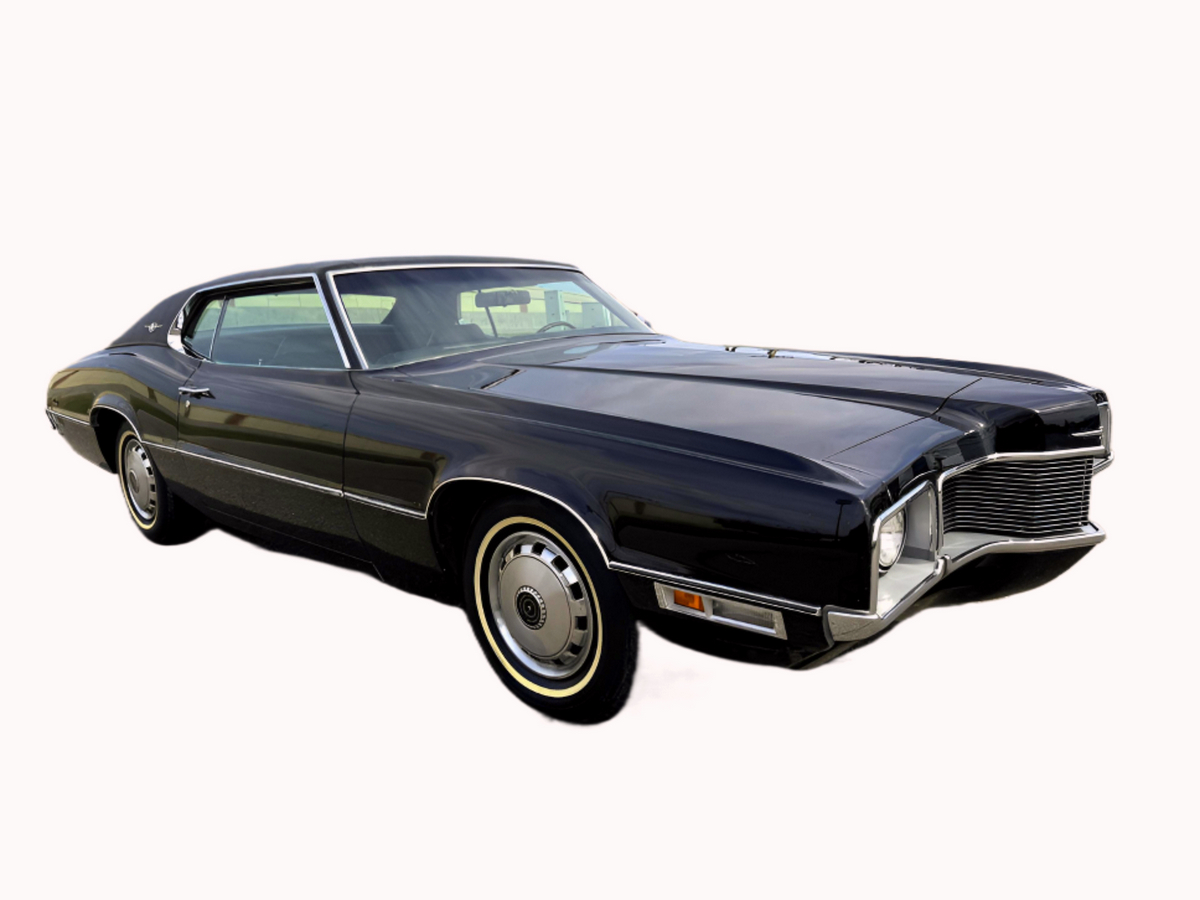
The 1970 Thunderbird had a very prominent nose in the center of its front grille while the 1969 T-Bird had a flat grille with hidden headlights. Consequently, the 1970 Thunderbird was an acquired taste for the public, including us here at MyStarCollectorCar.
The fifth and final car on our Pinocchio list is another member of the Pontiac family: the 1970 Pontiac Catalina.
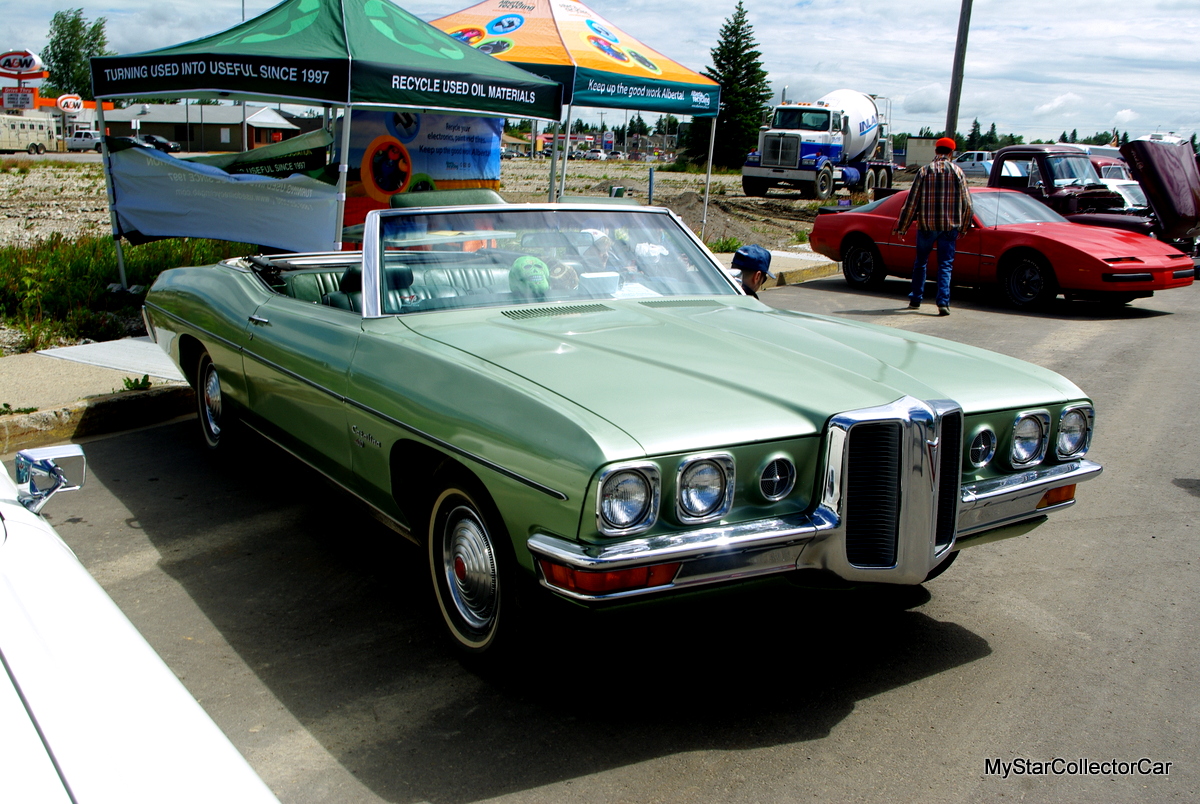
While it’s true Pontiac was a trailblazer in the big nose movement in the late 1960s, we at MyStarCollectorCar believe the ’70 Catalina was king of the giant schnozz trend for the GM division.
And there you have it, our list of five leading candidates for the Pinocchio car title.
Jim Sutherland
BY: Jim Sutherland
Jim Sutherland is a veteran automotive writer whose work has been published by many major print and online publications. The list includes Calgary Herald, The Truth About Cars, Red Deer Advocate, RPM Magazine, Edmonton Journal, Montreal Gazette, Windsor Star, Vancouver Province, and Post Media Wheels Section.
- CLICK HERE to Sign Up for the Newsletter
- CLICK HERE to Like us on Facebook
- CLICK HERE to Follow us on Twitter
- CLICK HERE to Follow us on Pinterest