
















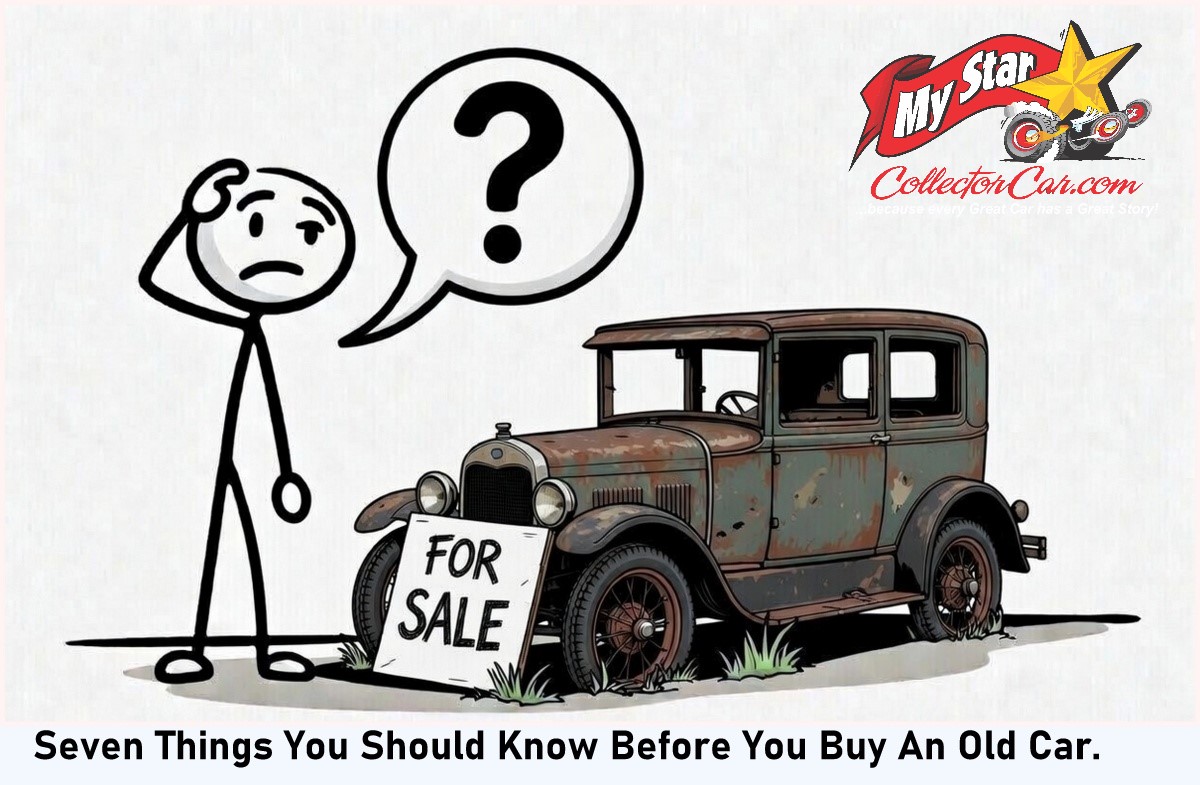
So you want to buy an old car or truck?
That’s a better idea than a gambling or drug addiction—but not by much if you don’t look at the big picture.
Here are seven things to consider.
Jerry Sutherland
The most important thing is to know what you want.
That sounds like obvious advice, but it isn’t. Before you jump into the minefield of old cars, decide what you want…or at least narrow it down. You have to focus on acquisition—not what you might want to buy.
The second thing is your budget.
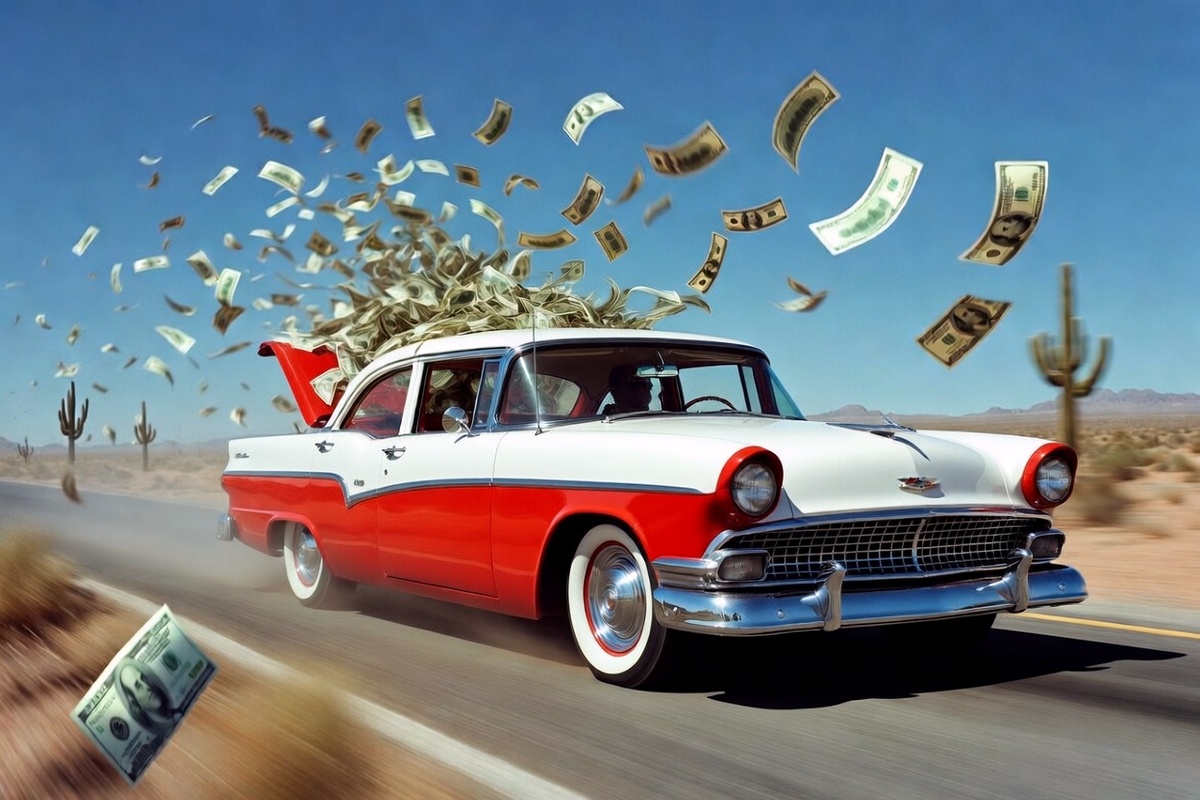
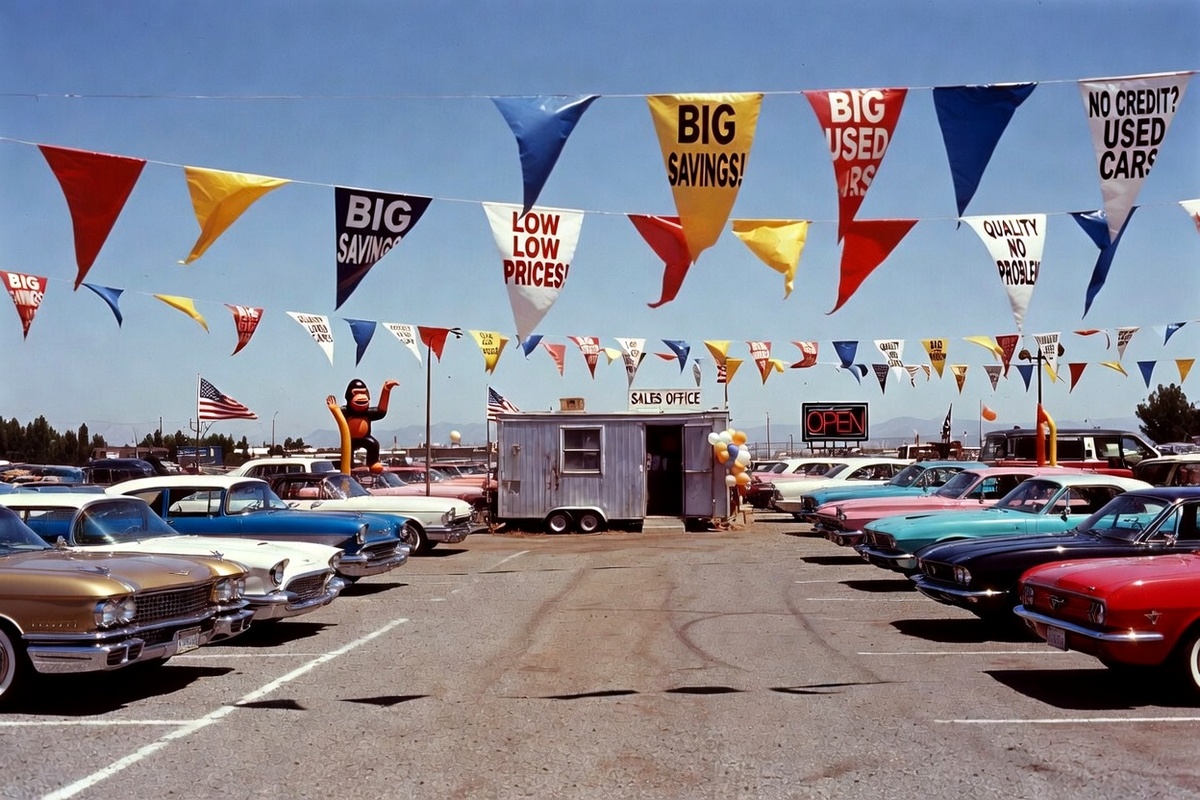
Set a ballpark price and stick to it–even if you’re ten beers in at an auction because you know your financial limitations. A guy who’s trying to sell a car doesn’t care because he has a number he wants to hit and if you’re off the mark, move on to the next listing.
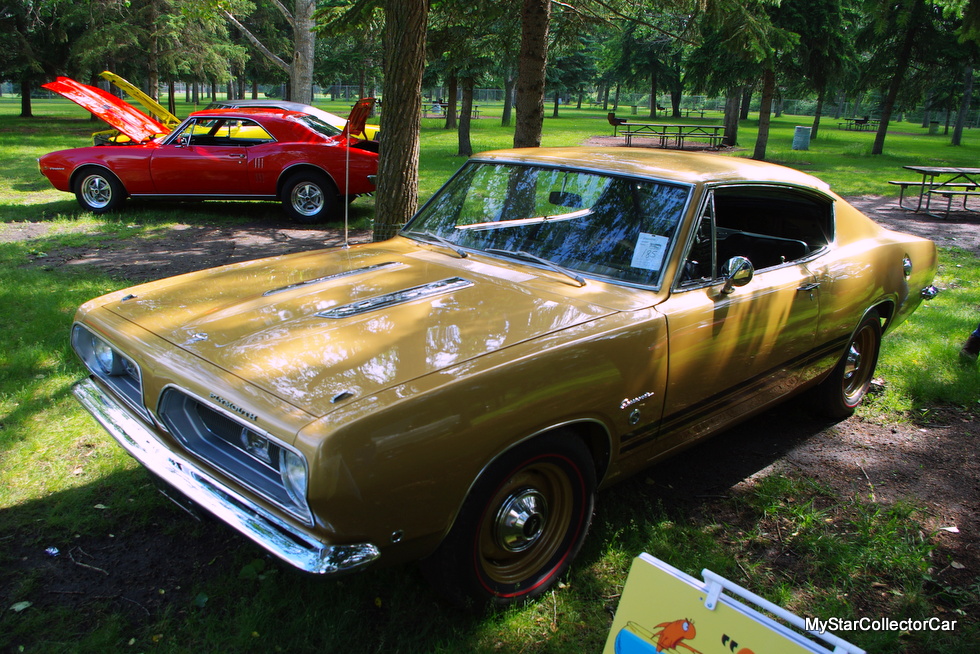
Survivor cars are a hot item in today’s market, but you’re going to pay big dollars to own one.
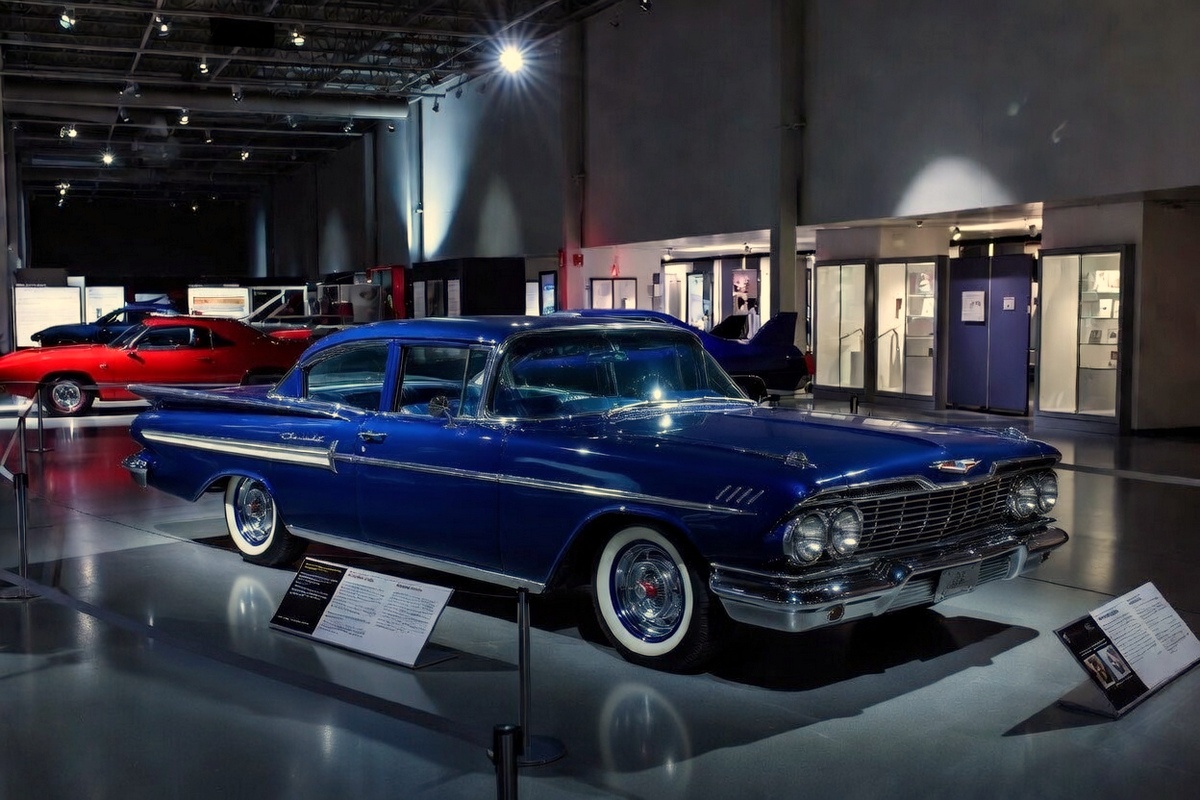
‘Big dollars’ is a relative term because there’s a massive gap between a survivor hemi Superbird and an old Chevy sedan. Then you have to add in parts and labor if you bought a car from a museum, or it never moved for 25 years because, unlike bears, cars hate hibernation.
That brings us to the work history of an old car.
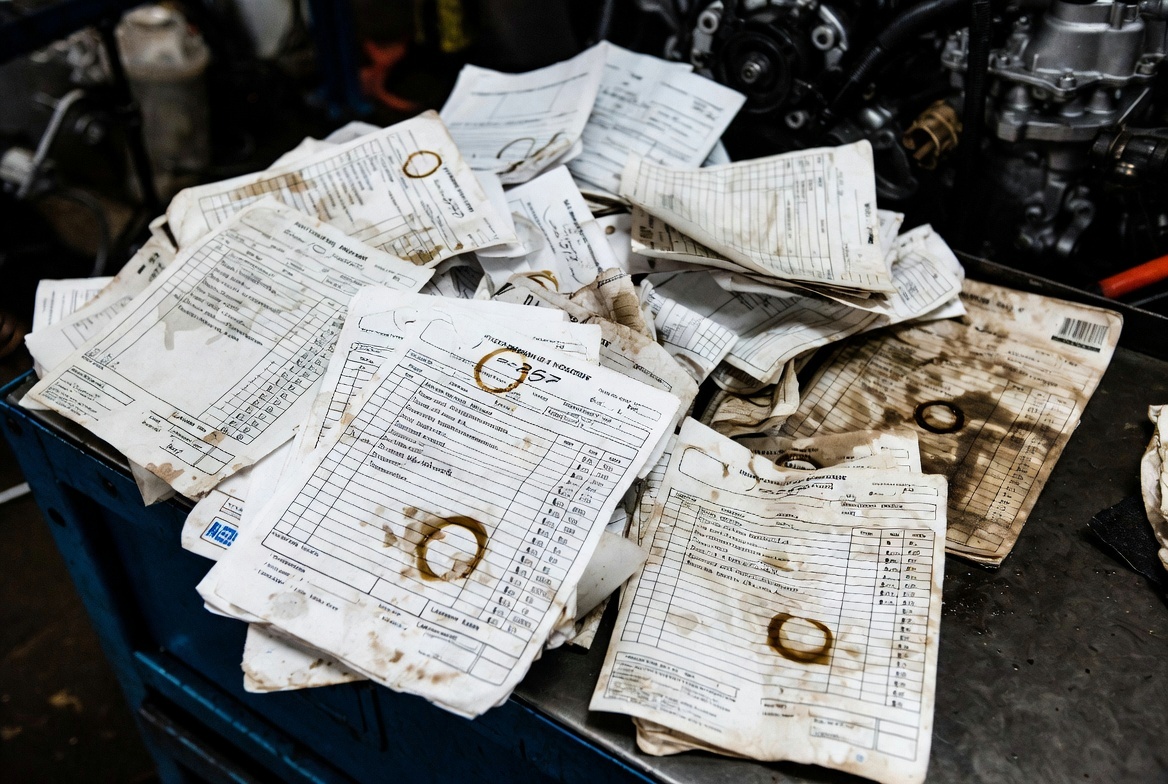
The paper trail will tell you many things, so if a guy did regular oil changes and addressed minor and major issues in a timely manner, then he was a good owner. If he ignored maintenance and only had a few bills that means he either did his own work or he didn’t care.

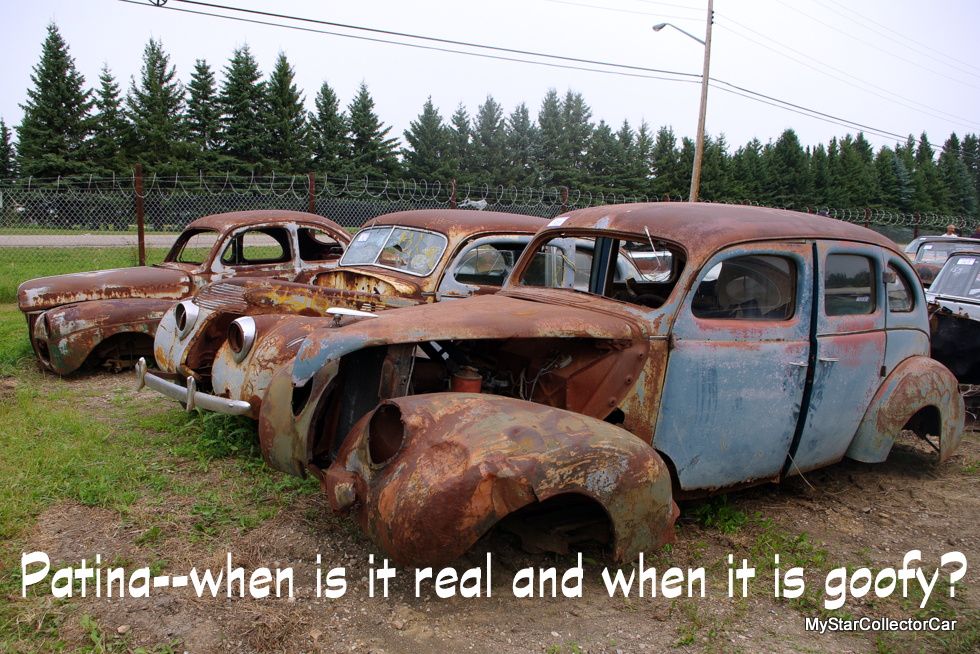
Rust is another thing to look for in a potential purchase.
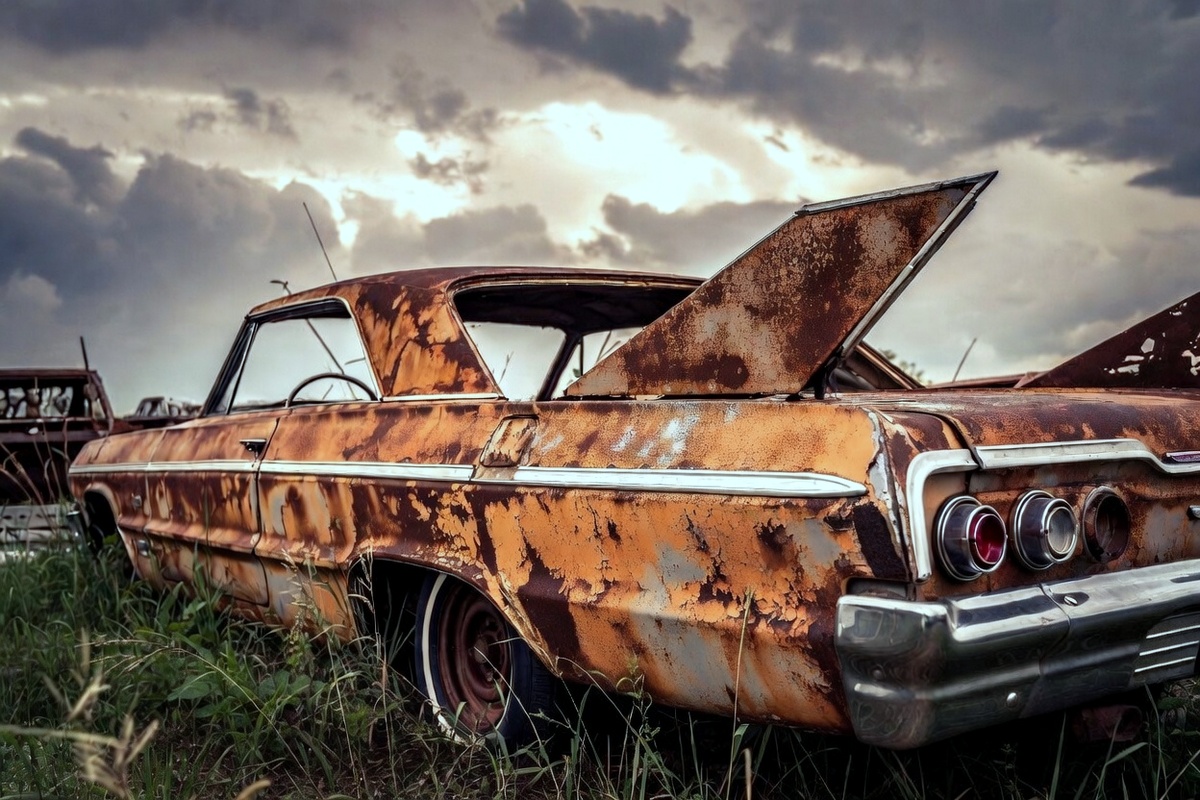
Some guys will try to hide it with two inches of Bondo over an old license plate, so learn how to spot it—or bring a buddy along who is well-schooled in the fine art of rust-spotting. This can work in your favor because minor obvious rust isn’t a deal breaker but rust up high on the sills and pillars of roof is.
Crashes are another not fun part of an old car’s history.
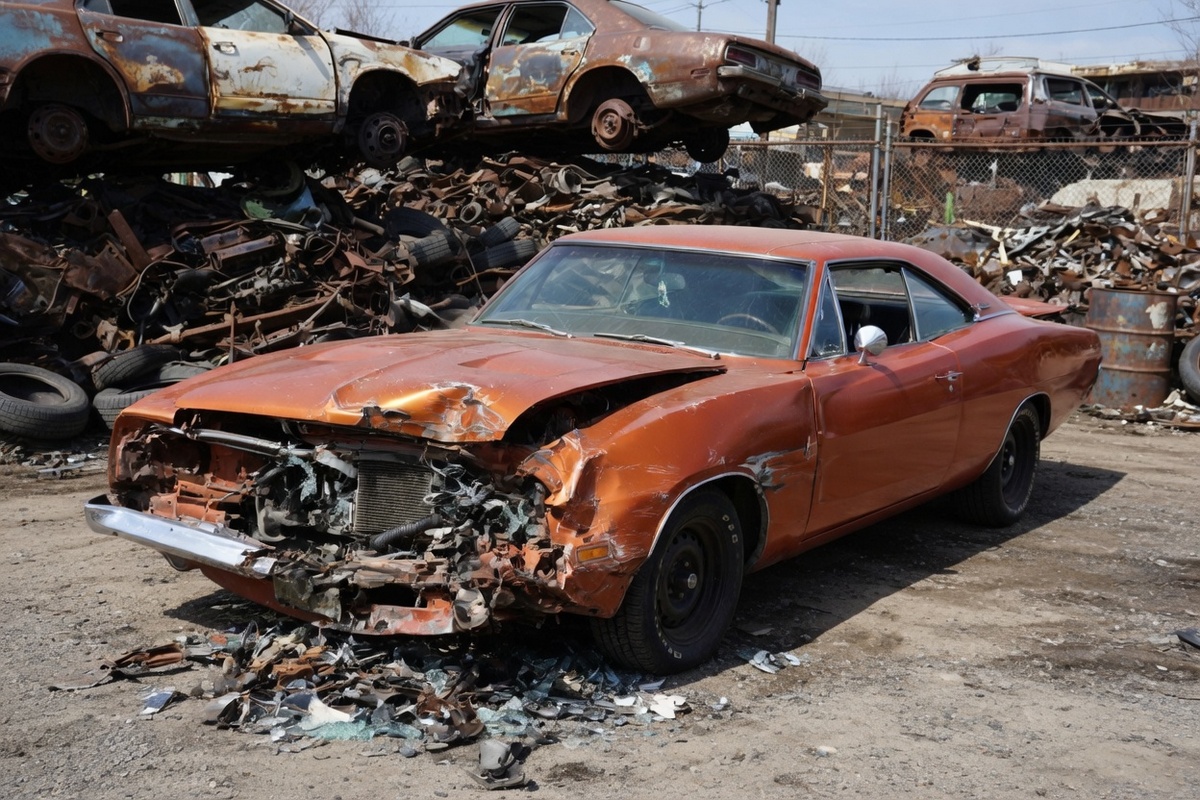
Remember, these old warriors ran on roads packed with sketchy-braked cars that handled more like trucks than cars. Look for obvious signs of a crash—especially in the structure of a car. Poorly repaired or ignored frame damage is a curse you don’t want with old iron.
The last item is the restored old car.
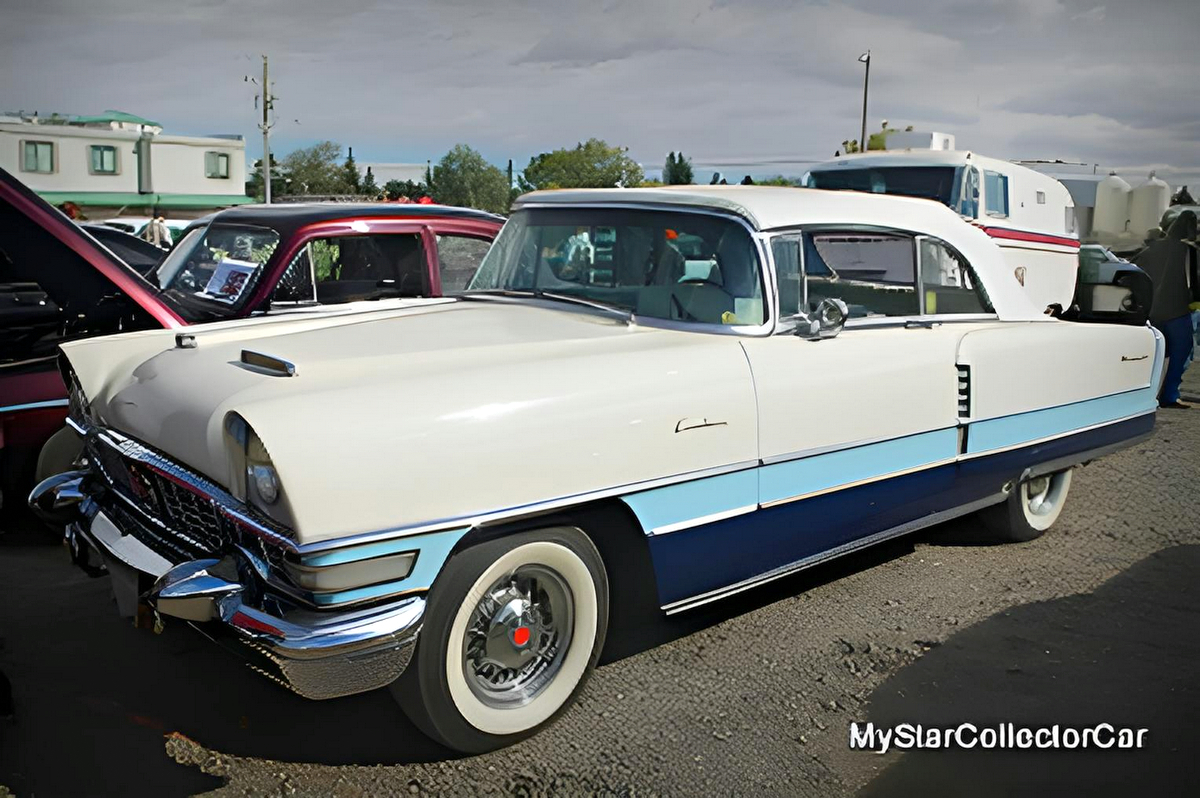
Restoration isn’t an exact science, so if you’re buying a restored car make sure you get what you’re paying for from the seller. Again, learn what to look for in a good restoration or bring along a guy with experience because a poor restoration is akin to lighting your money on fire. That’s not a great way to enter the car hobby.
The car hobby is a world full of adventure—try to make it a fun adventure.
Jerry Sutherland
By: Jerry Sutherland
Jerry Sutherland is a veteran automotive writer with a primary focus on the collector car hobby. His work has been published in many outlets and publications, including the National Post, Calgary Herald, Edmonton Journal, Ottawa Citizen, Montreal Gazette, Saskatoon StarPhoenix, Regina Leader-Post, Vancouver Sun and The Truth About Cars. He is also a regular contributor to Auto Roundup Publications.
- CLICK HERE TO SIGN UP FOR THE NEWSLETTER
- CLICK HERE to Like us on Facebook
- CLICK HERE to Follow us on Twitter
- CLICK HERE to Follow us on Pinterest