












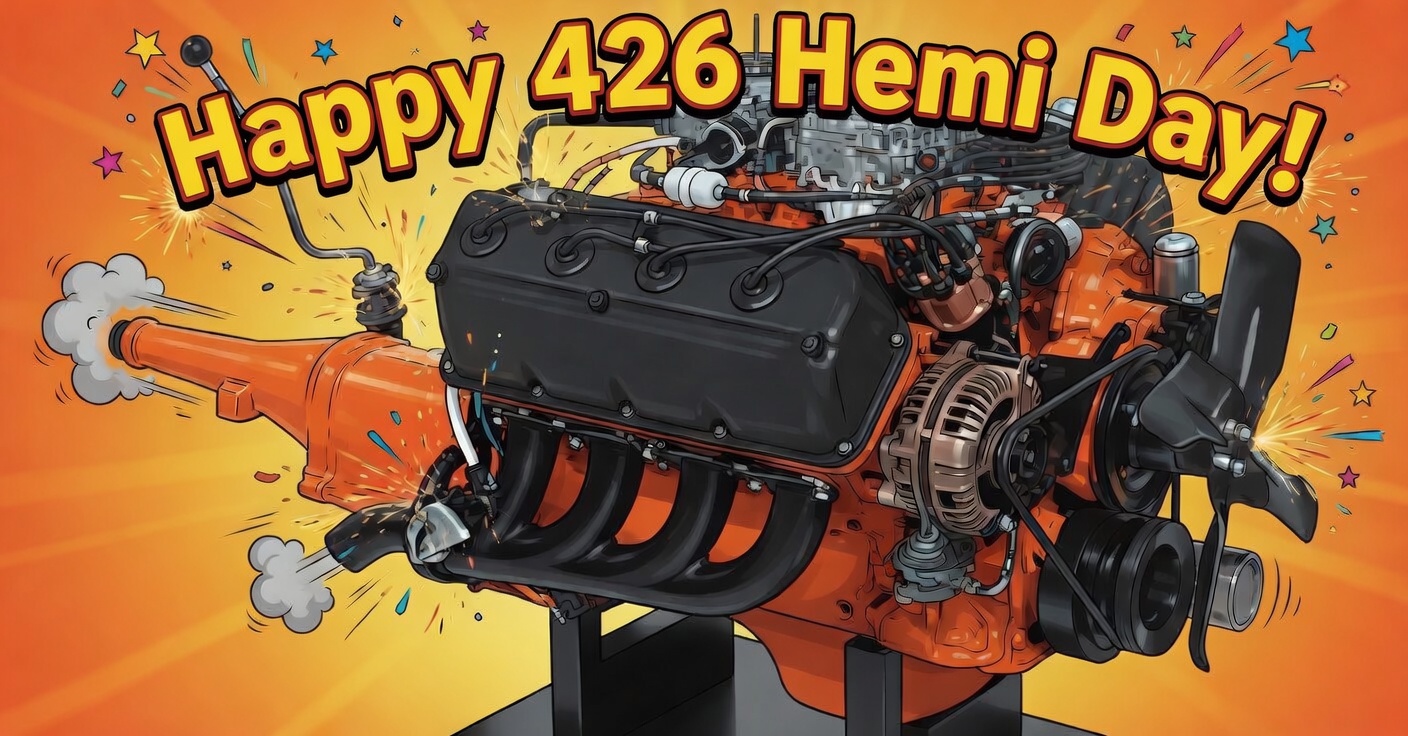
426 HEMI Day is a big one this year because the legendary Elephant Street Hemi turns 60 in 2026.
If you’re a Mopar guy this day is larger than life because the 426 hemi was–and still is larger than life.
Jerry Sutherland
Believe it or not, the Chrysler hemi engine was born during World War Two when Chrysler was asked to develop an engine for the Republic P-47 Thunderbolt fighter plane.
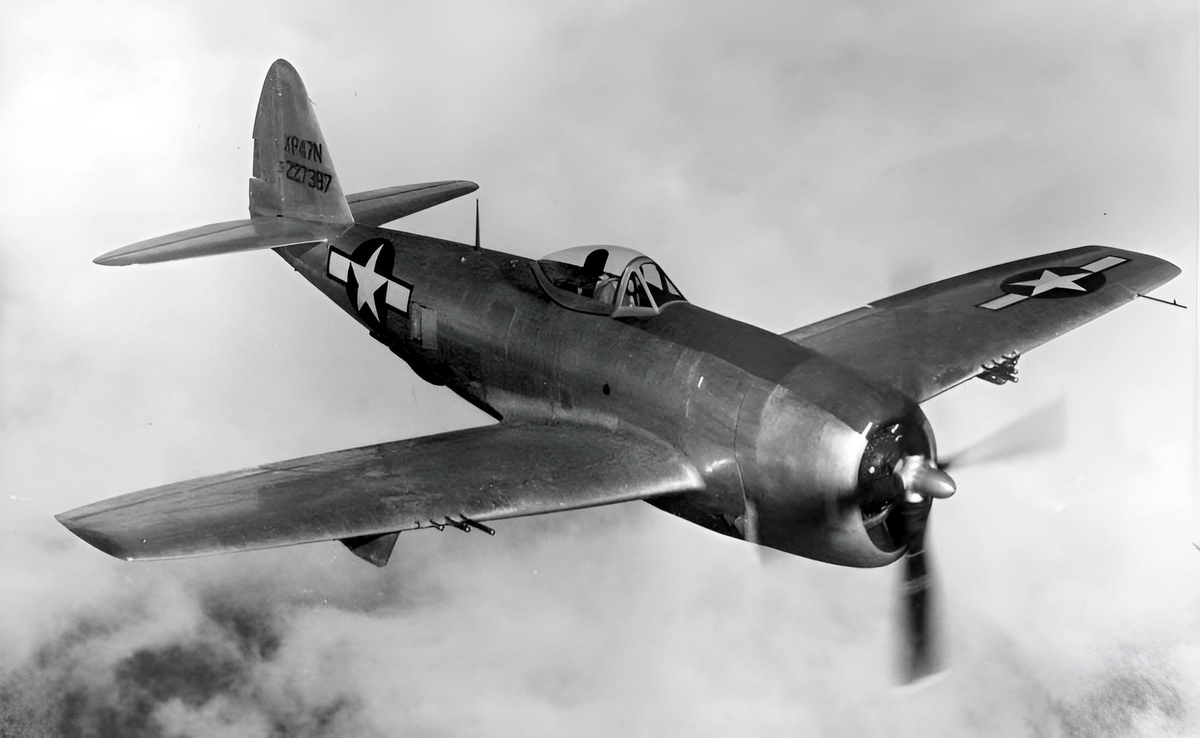
This engine was called the XIV-2220 and it was an inverted OHV V-16 rated at 2500 horsepower. The engine flew in testing, but the war ended before it was scheduled for production.
Chrysler engineers learned from that experience and filed it away for the future. The future came in the form of the FirePower series in 1951.
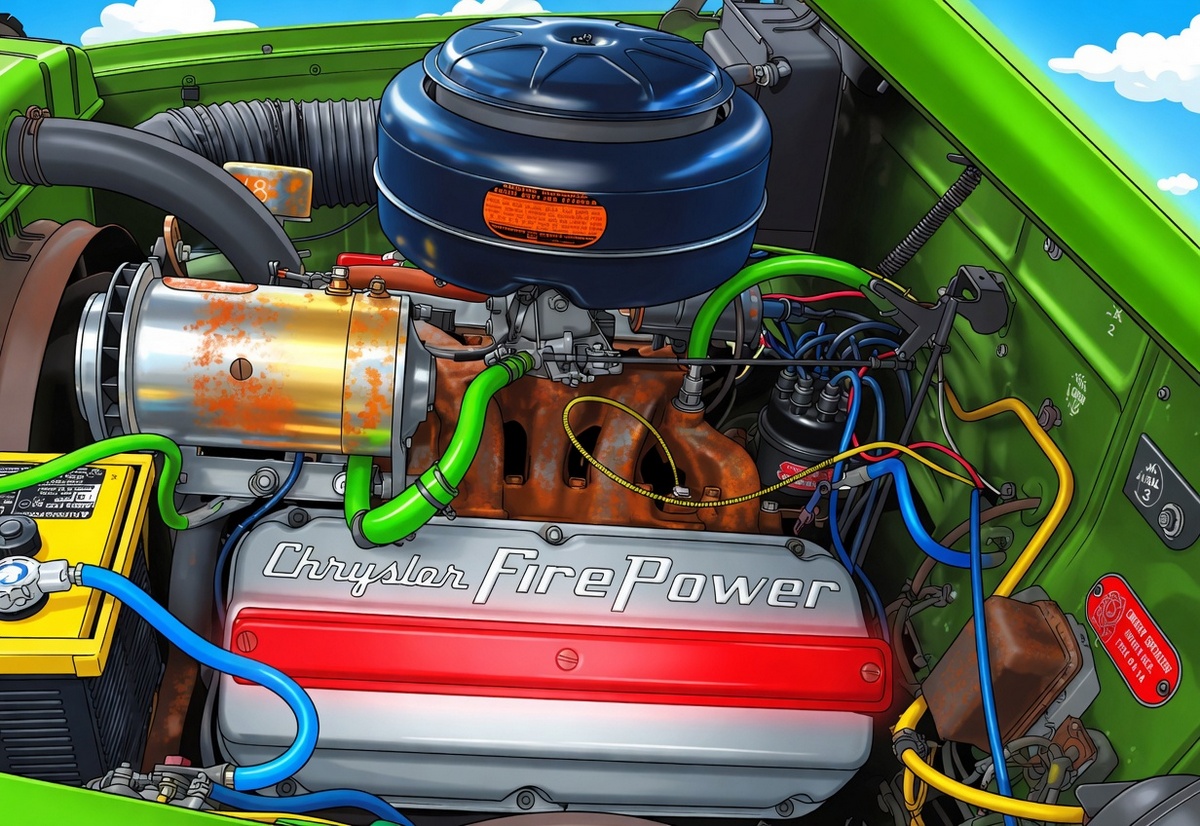
The 331 cubic inch hemi was plunked in the ‘51 Chrysler where it started a legend. That wasn’t the goal, but hot rodders picked up on the engine’s seemingly unlimited possibilities.
Chrysler pumped out various sizes for the hemi in the FirePower series, and they ran from 241 cubic inches to 392 cubic inches. Plymouth was the only division that didn’t get the FirePower hemi option at Chrysler in the 1950s.
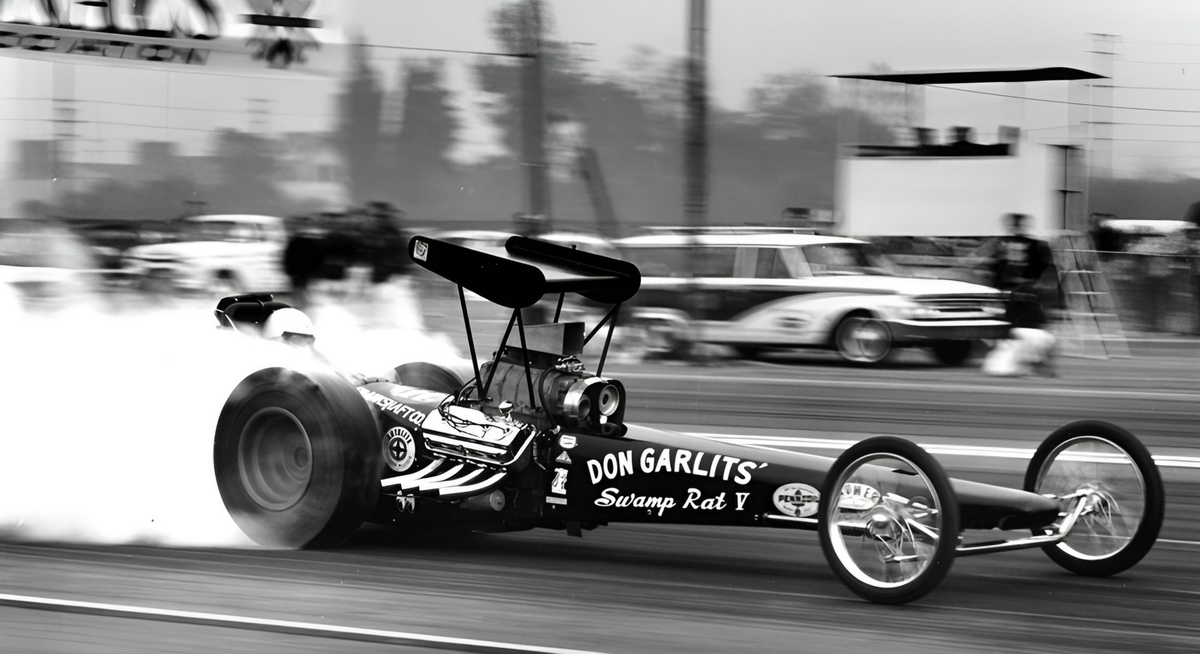
The 392 hemi became a big player at any dragstrip you could name in the 1950s and 60s, but Chrysler dumped the hemi option in 1959 and focused on building conventional wedge head engines because a 392 hemi was a very expensive production engine.
1963 rolled around and Chrysler noticed they were getting thumped on the NASCAR tracks by the big-block Fords and Pontiacs.
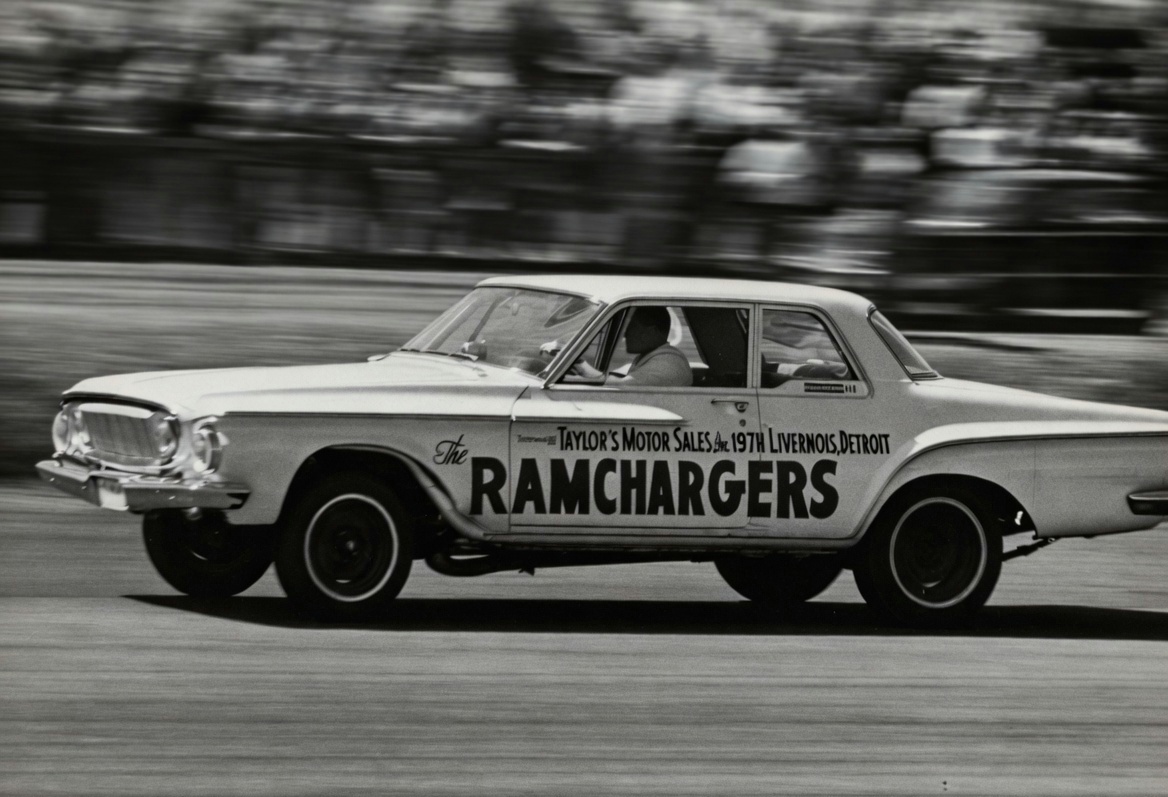
The wedge engines were very competitive at the drag strip where the 413 and 426 Max Wedges did well, thanks to the efforts of the Ram Chargers. But the Wedges didn’t have it at NASCAR and Chrysler didn’t like losing.
Thus the 426 hemi was born. The design began in January 1963, and the mandate was “be ready for the 1964 Daytona 500”.
That was a major task, but the Chrysler guys were up to the challenge thanks to their history with the hemispherical engine. They had an engine in place by December 1963 and it was ready for the 1964 Daytona 500.
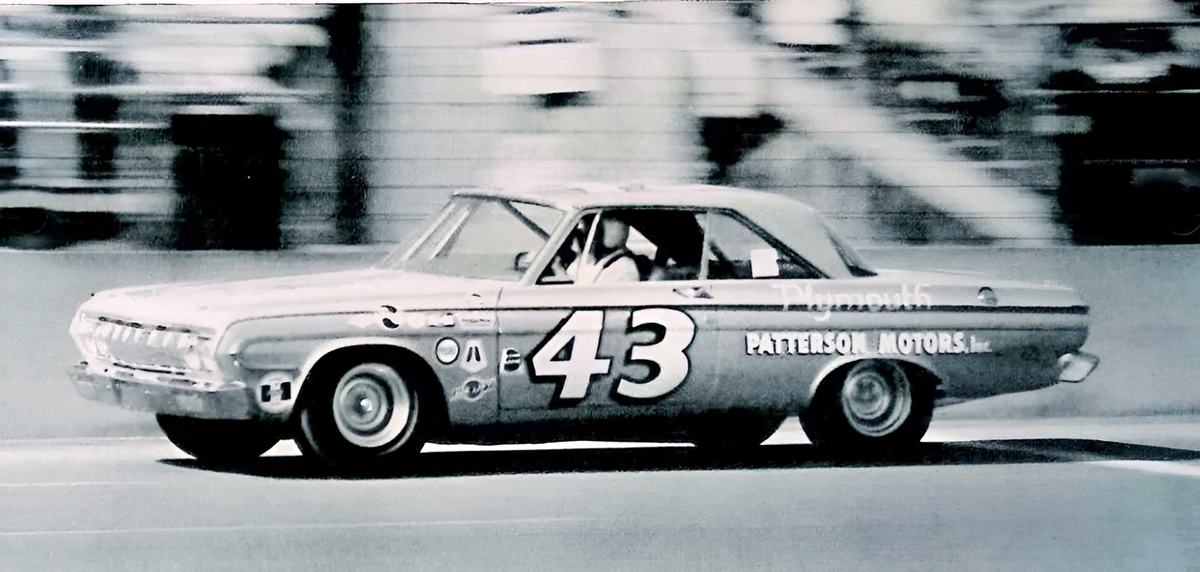
The results were amazing because Richard Petty won followed by two hemi Plymouths took second and third, while a hemi Dodge took the fourth position. The Elephant brought some big weight to the game.

NASCAR noticed the results and sanctioned the 426 hemi in the 1965 season. This resulted in a boycott and the plummet in attendance at races brought the two parties together.
There was a condition—the 426 hemi had to be an option for Chrysler dealers.
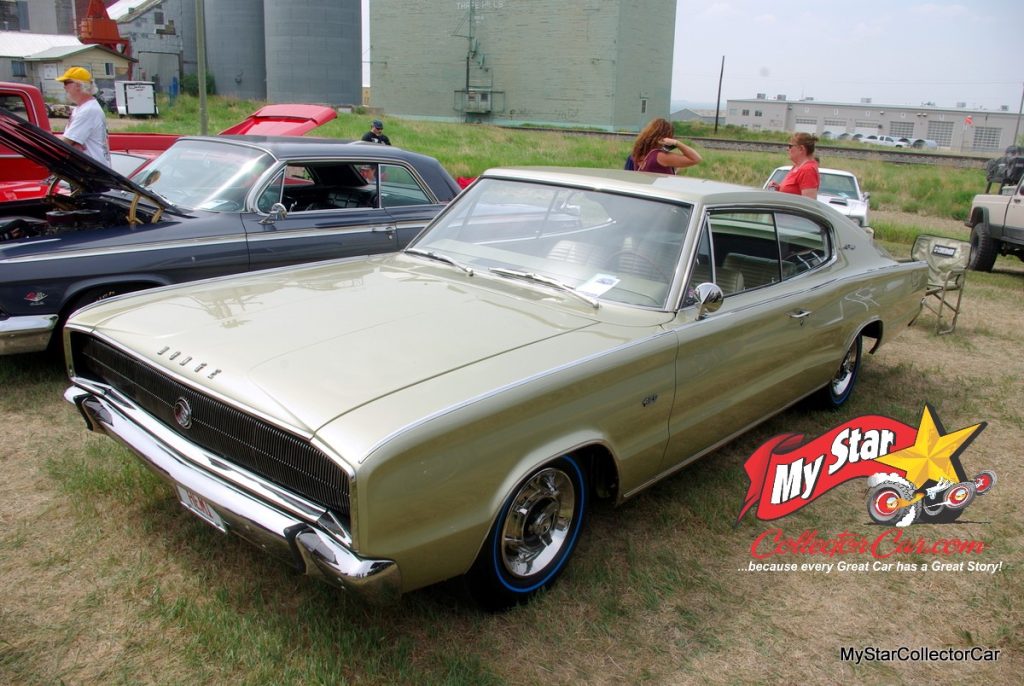
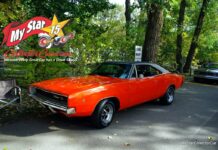
The first 50 ‘Street Hemis’ were called HP2 and that was the badge they carried on the fender. In January 1966, the more familiar 426 HEMI badge was introduced to show the world the hemi was back.
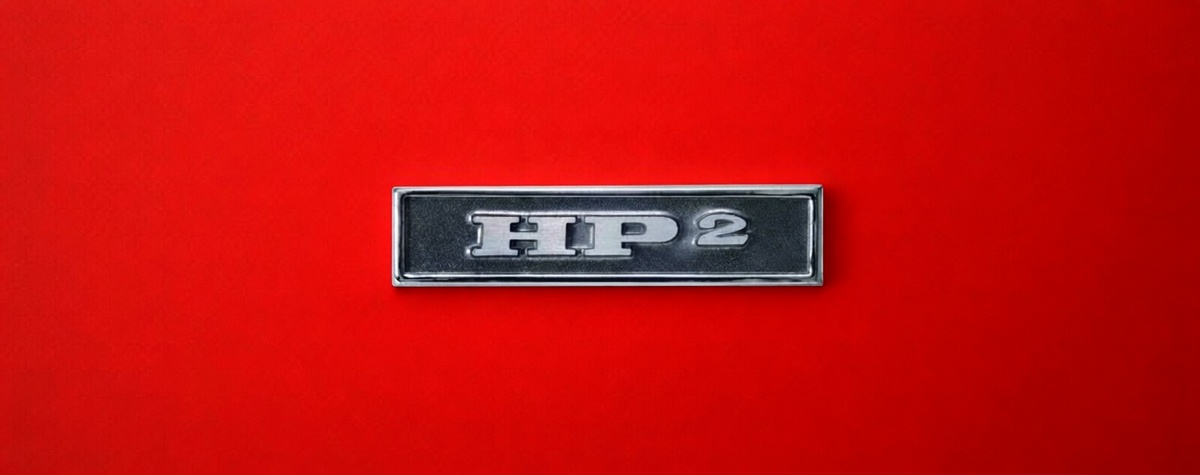
You could only buy a hemi in the B-body intermediate cars, so the power-to-weight ratio was amazing. The 426 hemi cranked out an advertised 425-horsepower, but most car guys knew that was a number designed to calm down insurance companies.
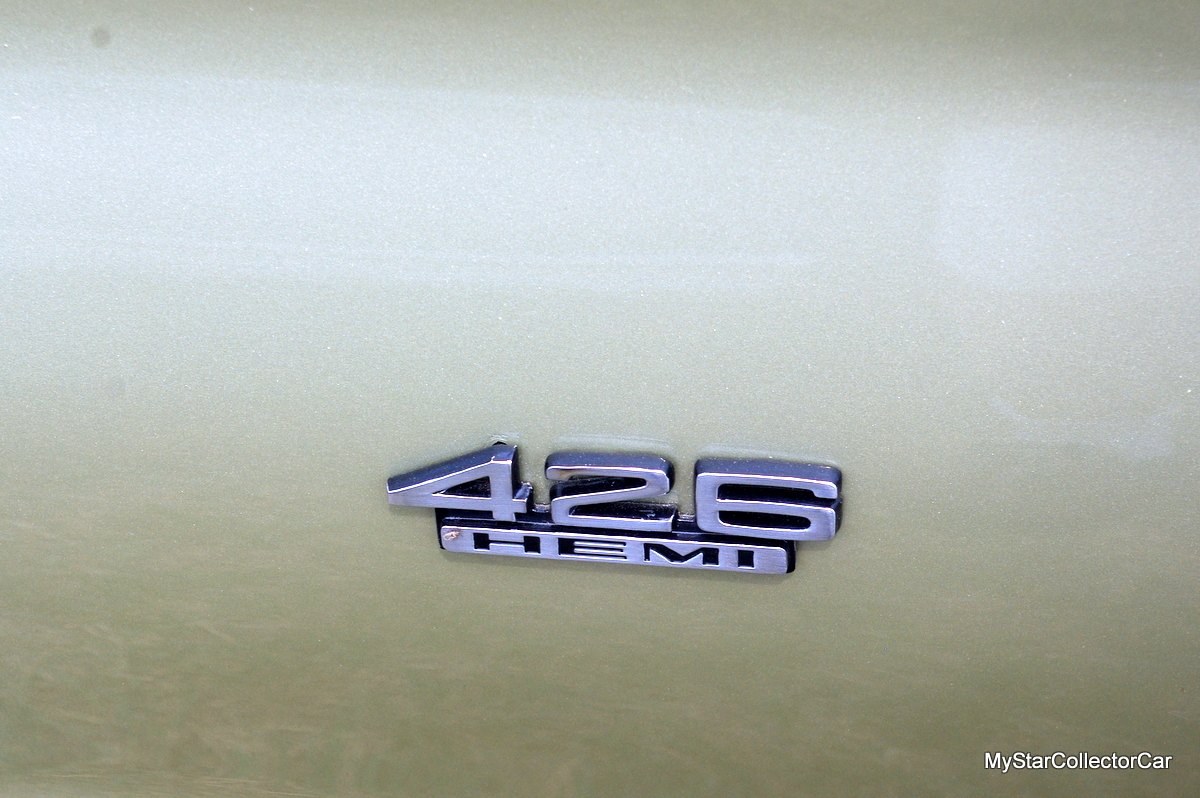
The production street hemi was de-tuned from the racing version but it could still crank out 0-60 in five seconds right out of the showroom.
Happy 60th 426 HEMI Day.
Jerry Sutherland
By: Jerry Sutherland
Jerry Sutherland is a veteran automotive writer with a primary focus on the collector car hobby. His work has been published in many outlets and publications, including the National Post, Calgary Herald, Edmonton Journal, Ottawa Citizen, Montreal Gazette, Saskatoon StarPhoenix, Regina Leader-Post, Vancouver Sun and The Truth About Cars. He is also a regular contributor to Auto Roundup Publications.
CLICK HERE to Follow us on Pinterest
CLICK HERE TO SIGN UP FOR THE NEWSLETTER
CLICK HERE to Like us on Facebook
CLICK HERE to Follow us on Twitter