







Dennis Ebertz is a licensed owner of a mechanical repair shop.
Like most owner/operators, Dennis built his business one customer at a time while gaining their loyalty and trust along the way. A customer’s husband passed away and left behind a 1975 W-25 Olds Hurst/Olds for his widow.
The widow sought out Dennis for his advice about the ’75 Olds and got him interested in the car after he test drove it.
Jim Sutherland
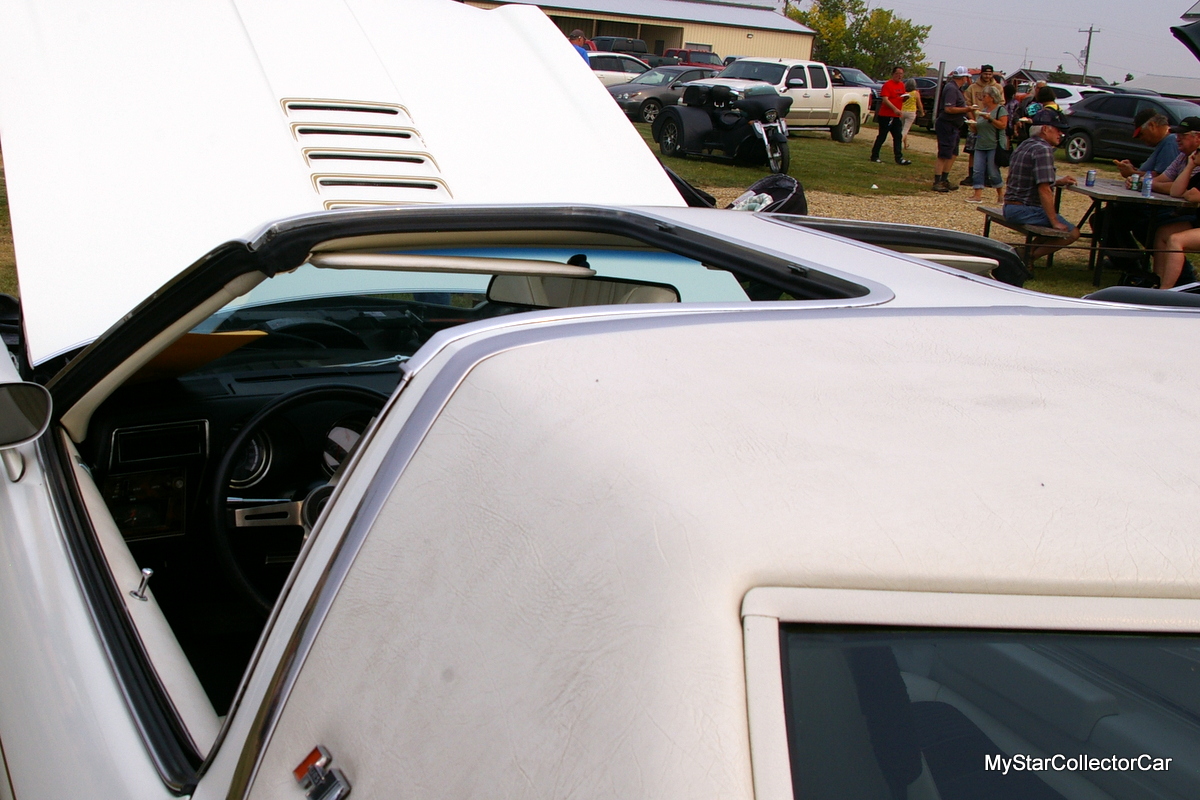
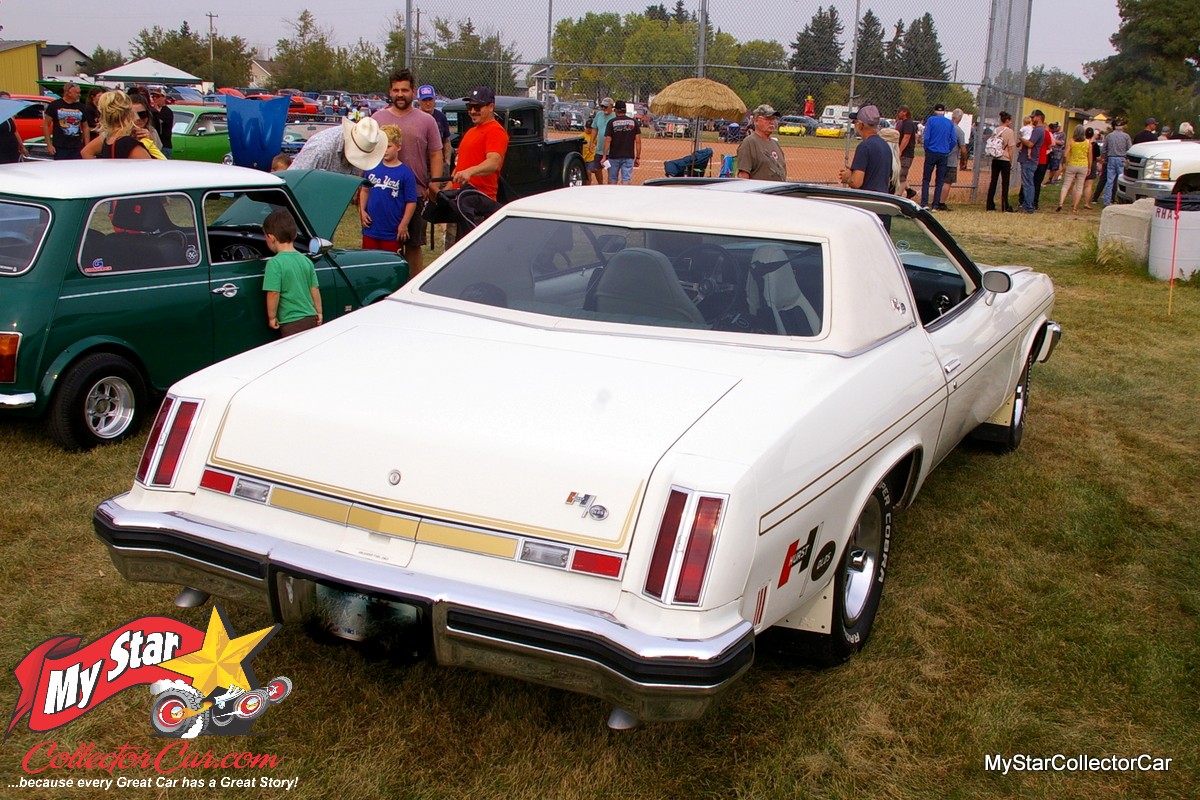
The Hurst/Olds was a limited production model built by Oldsmobile that included a few trademark Hurst Performance features to separate the car from average Cutlass models. For example, Dennis’s 1975 Hurst/Olds came equipped with T-top roofs, also known as Hurst hatch T-tops in ’75. The T-tops were installed at the Hurst Performance Research facility in Brighton, Michigan after the stock Oldsmobiles were shipped from their factory in Lansing, Michigan.
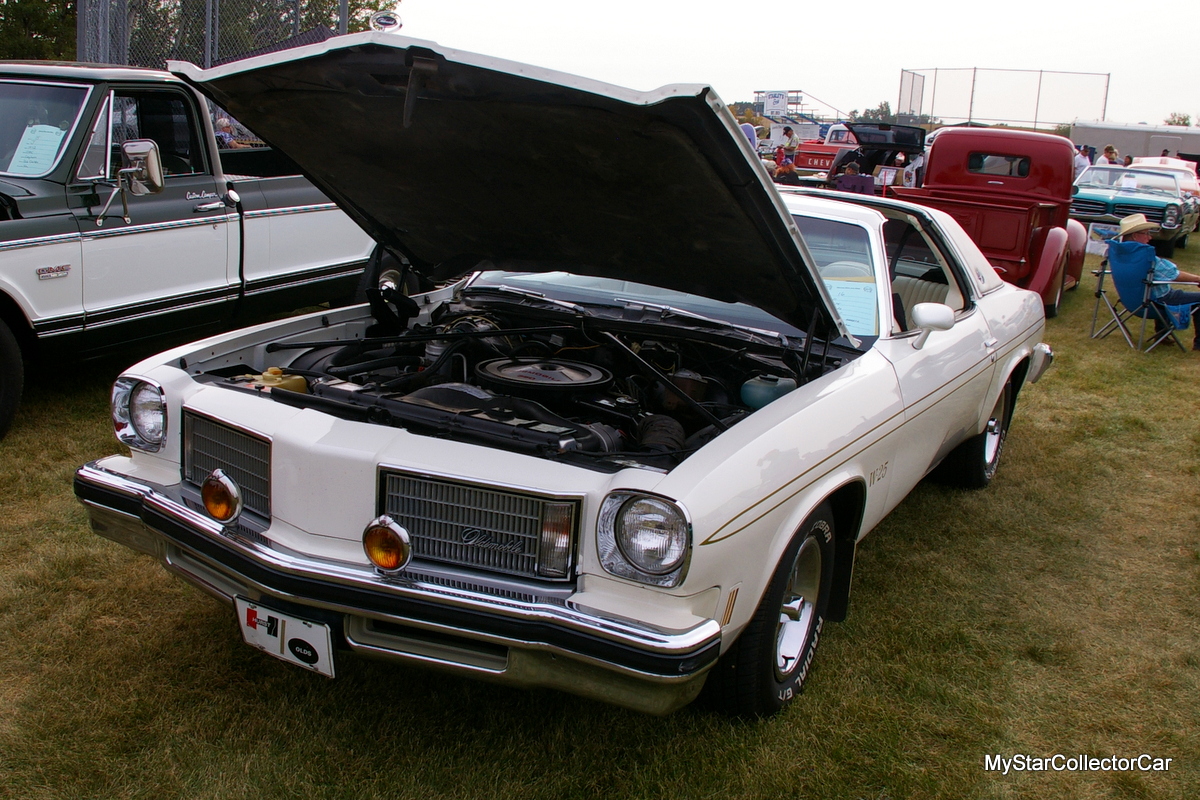
Other add-ons at the Hurst Performance Research facility included a thicker vinyl roof over the stock rear passenger window cavities and extra trim on the rear half of the Olds’ roof, gold stripes, and special H/O(Hurst/Olds) badges, along with a specialized Hurst Dual Gate shifter on the floor console. The Dual Gate option provided drivers with an option to shift the car through the gears in one of the gates.
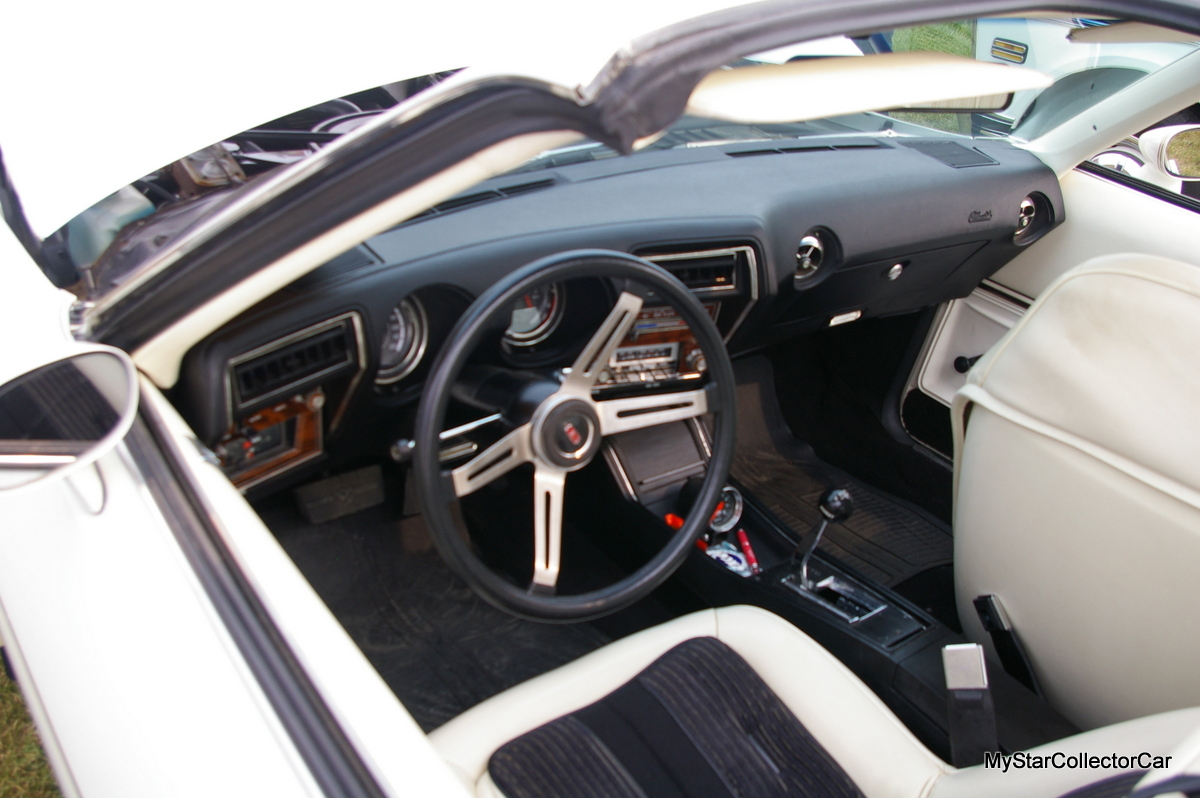
Dennis noted that his Olds also came with two Hurst/Olds baseball caps that he displayed on the package shelf under the rear window. Dennis’s Hurst/Olds is white and only came in two paint choices (black or white) in 1975. It also has hood louvers similar to a ’75 Olds 442, sporty side mirrors, and unique swivel front seats with snaps that offered two color choices in the middle section of the seats.
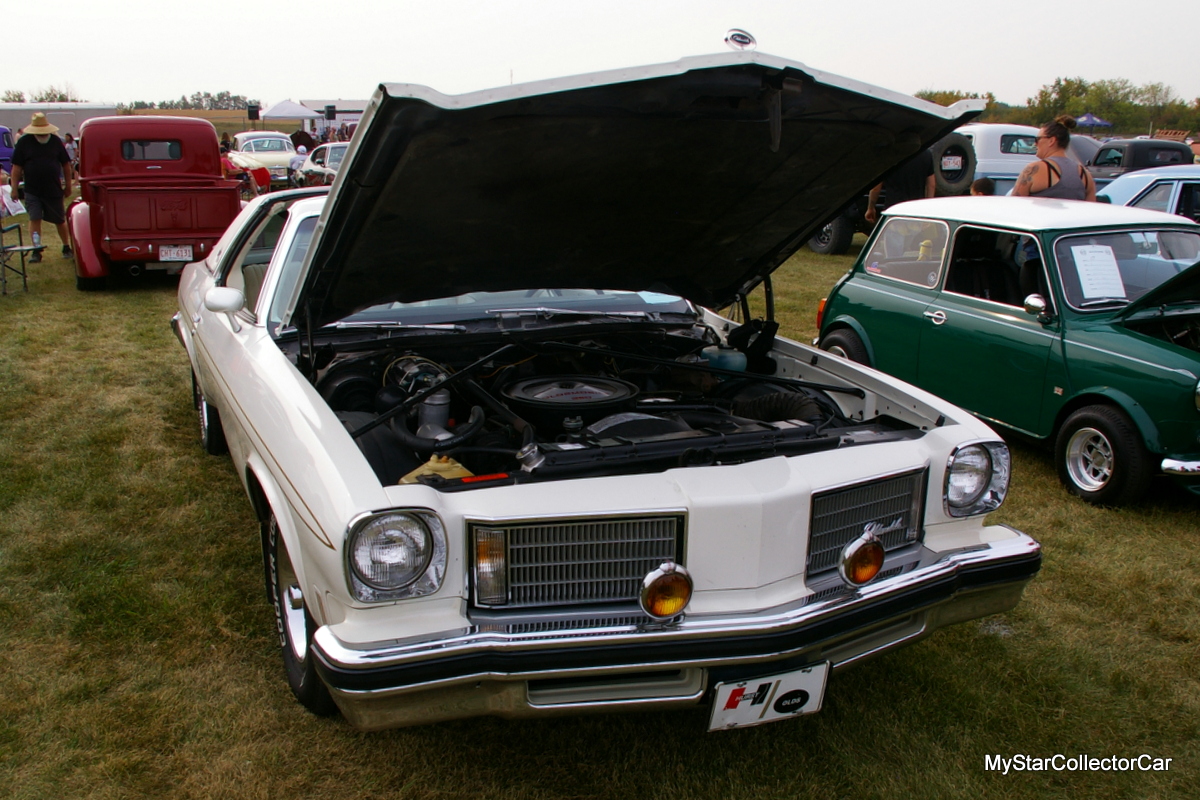
The car had been stored for quite a while when Dennis looked at it but required little effort on his part to fire it up. Dennis changed the battery, replaced the alternator and heater motor, along with spark plugs, and the Olds fired up, according to him.

The W-25 designation refers to the car’s factory engine, namely a 350 Olds equipped with a 4-barrel carburetor and coupled to a Turbo Hydra-matic 400 three-speed automatic transmission. We mentioned the Dual Gate shifter allowed drivers to manually blast through all three gears, but 1975 auto emission and economy regulations severely cut into the Hurst/Olds’ ability to scorch the car’s rear tires.
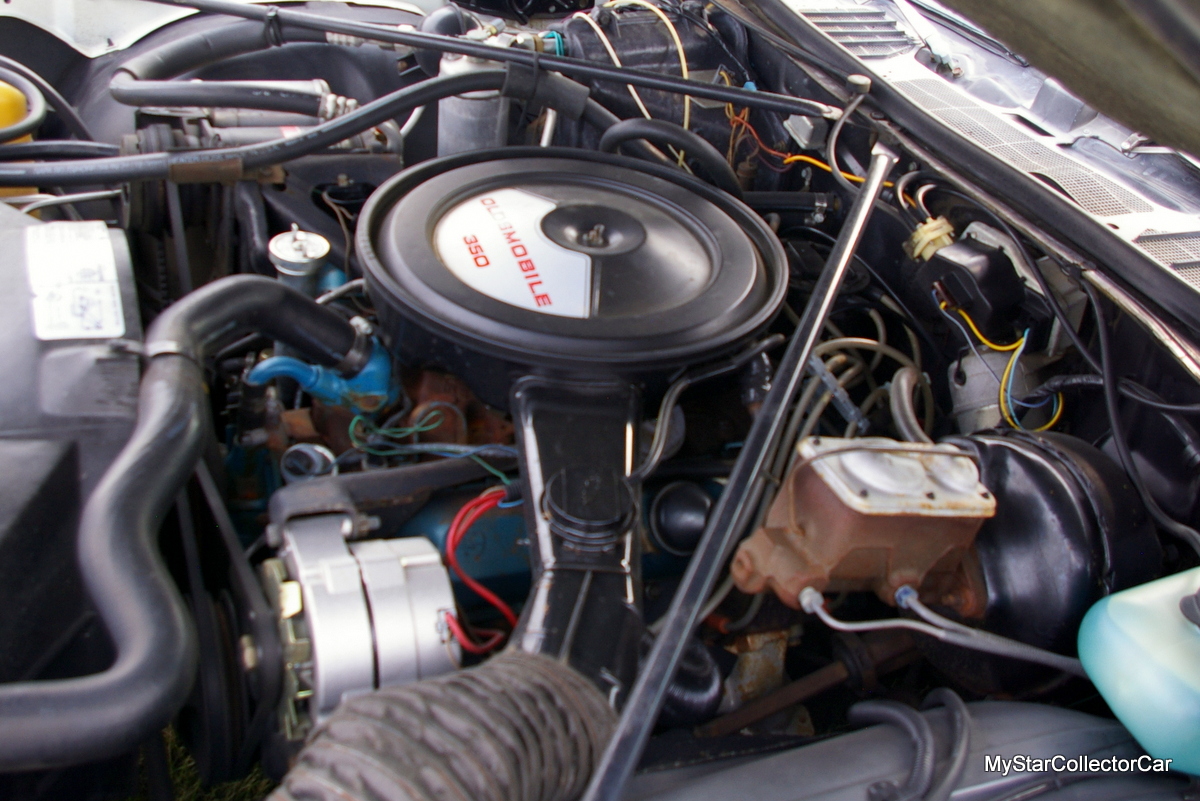
Dennis may not get ground-pounding performance out of his 1975 Hurst/Olds, but it delivers solid numbers on the highway and can easily maintain a 77 mph (roughly 124 km/h) pace while only turning about 2200 RPMs along the way. The low RPM numbers are likely due to the car’s 2:56 rear gears and are part of an overall domestic automotive trend toward higher MPG in 1975.
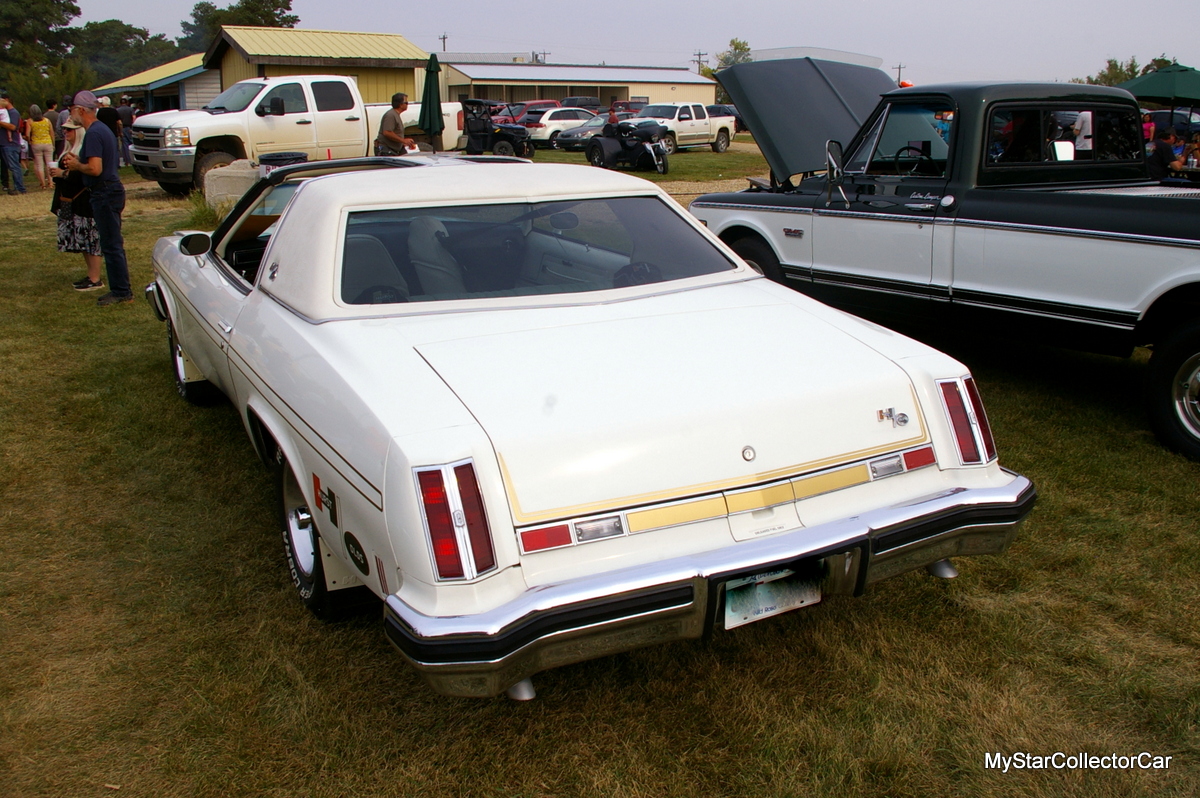
Dennis describes his life with the 1975 Hurst/Olds thusly: “I lucked out”--and MyStarCollectorCar couldn’t agree more with his simple assessment. The well-maintained survivor car has no squeaks or rattles and has already collected 6 trophies (5 first place in class) under Dennis’s watch.
He likes to share the car show news with the former owner’s widow because she loves to hear about her late husband’s car and know it’s still in good hands.
Jim Sutherland
BY: Jim Sutherland
Jim Sutherland is a veteran automotive writer whose work has been published by many major print and online publications. The list includes Calgary Herald, The Truth About Cars, Red Deer Advocate, RPM Magazine, Edmonton Journal, Montreal Gazette, Windsor Star, Vancouver Province, and Post Media Wheels Section.
- CLICK HERE to Sign Up for the Newsletter
- CLICK HERE to Like us on Facebook
- CLICK HERE to Follow us on Twitter
- CLICK HERE to Follow us on Pinterest