























Look around in today’s traffic.
It’s full of SUVs that look the same because car builders rarely take chances in the 21st Century so a tried-and-true design like an SUV is no gamble.
This seems like a new concept, but history tells us there have been many copycats over the last century, so here are five good examples.
Jerry Sutherland
The Volvo PV544 is a good example. Volvo built these little warriors from 1947 to 1965, and they had a reputation for being nearly indestructible under hard driving.
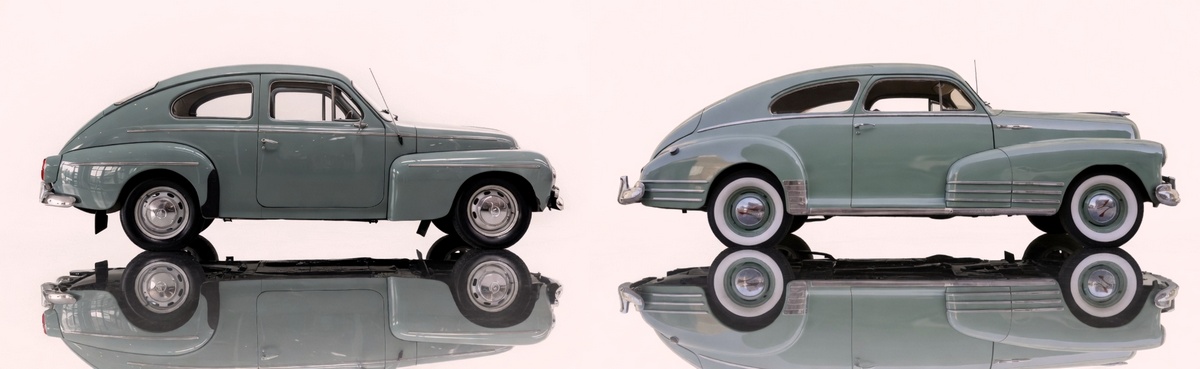
They began as the PV444, but Volvo did some updates and called it a PV544 in 1958. The upgrades didn’t include cosmetics because the Volvo PV444 or 544 looked like a ’48 Chevy torpedo-back in profile. That’s not a bad act to follow.
The second example is the 1960 Vauxhall Victor. The design was timelier than the Volvo 544, but it still looked a little dated by 1960.
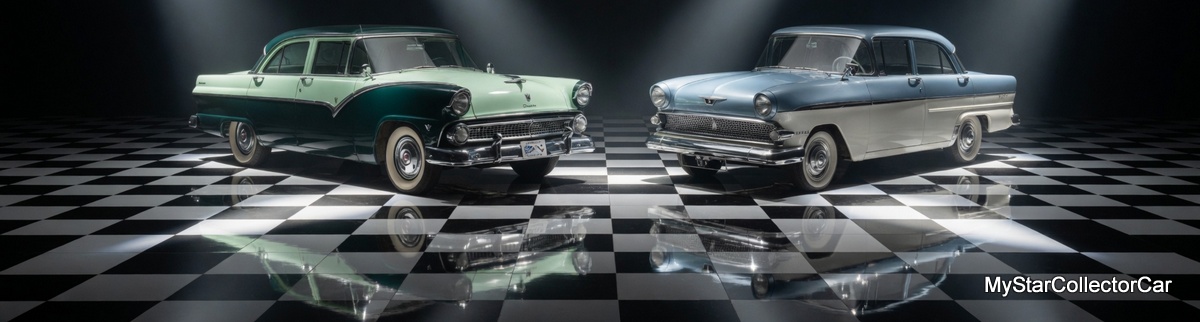
There were 1950s touches all over a 1960 Vauxhall Victor because these cars were built for people who didn’t want to cut a bigger check for a fancier car. They were functional cars that performed like typical British cars in their day, but they looked like a ’55 Ford when spotted in dim light.
The third example is the 1969 Sunbeam Alpine GT. They were sporty-looking and again— the GT ran like a typical small British car of its era.
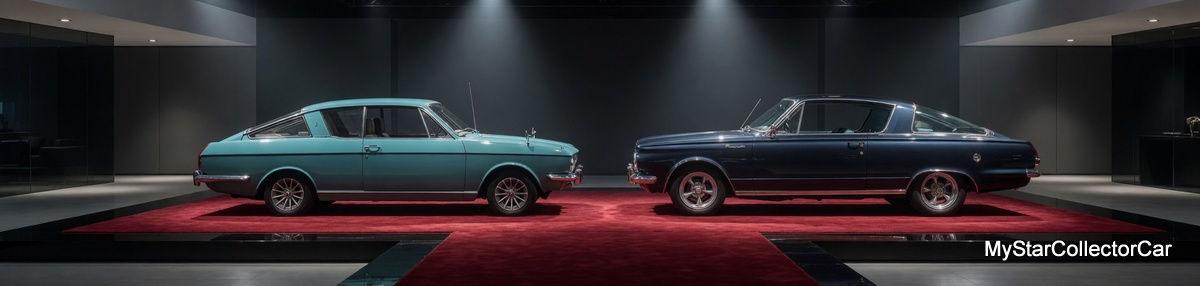
The Sunbeam Alpine GT’s biggest feature was its roofline because these cars looked like a mini 1st Gen Barracuda. There is no evidence the Sunbeam designer Roy Axe saw a prototype Barracuda before he designed the Alpine GT—but they look similar. That’s what people thought when the baby ‘cuda hit showroom floors.

The fourth example is the 1969 Opel GT. They didn’t even pretend on this car because it’s dead ringer for a Gen 3 Vette.
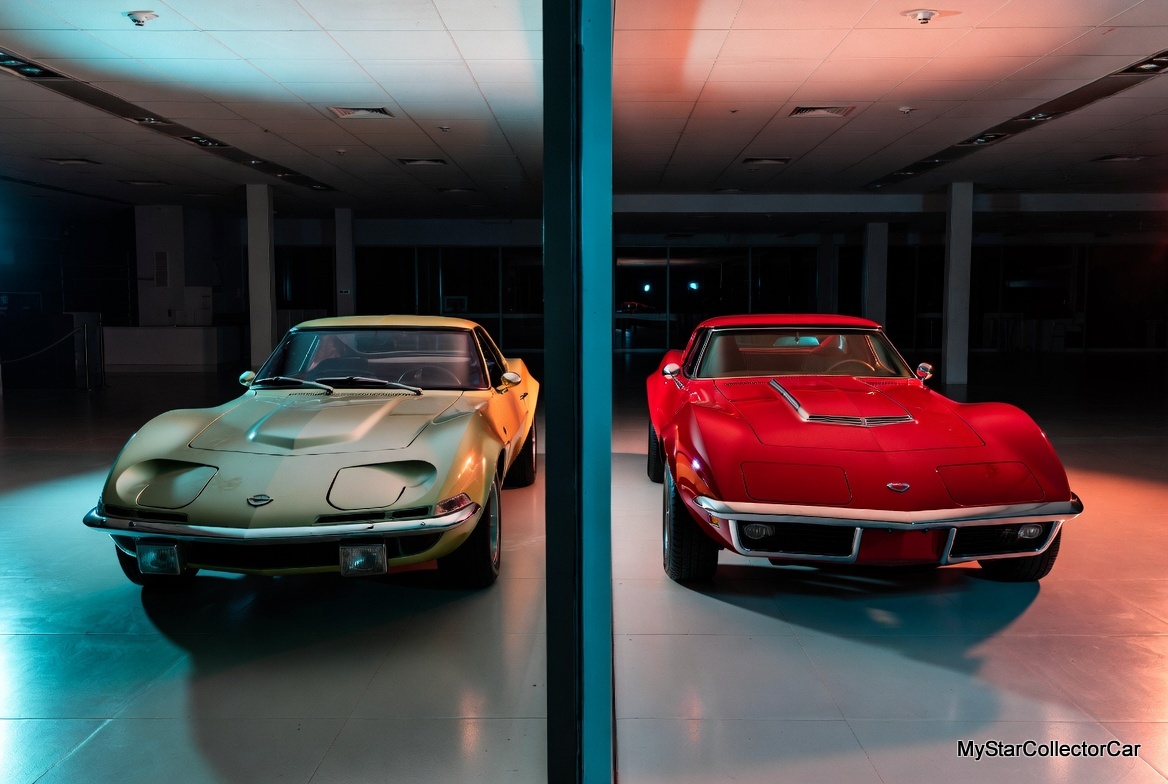
It didn’t hurt that GM had a piece of Opel when the car debuted, so they must’ve said to the designers: “Give us a Vette that looks like it shrank in the wash”. They nailed it—but you had to pull a lever to work the hidden headlights, and it didn’t hurt to be 5-foot six instead of 6-foot six. The upside is you got a smaller, Vette-like car for a lot less money than the real thing.
The fifth and final example is the 1977 Toyota Celica liftback. Japanese cars were starting to carve out a North American market by ’77 and this car was done flawlessly.
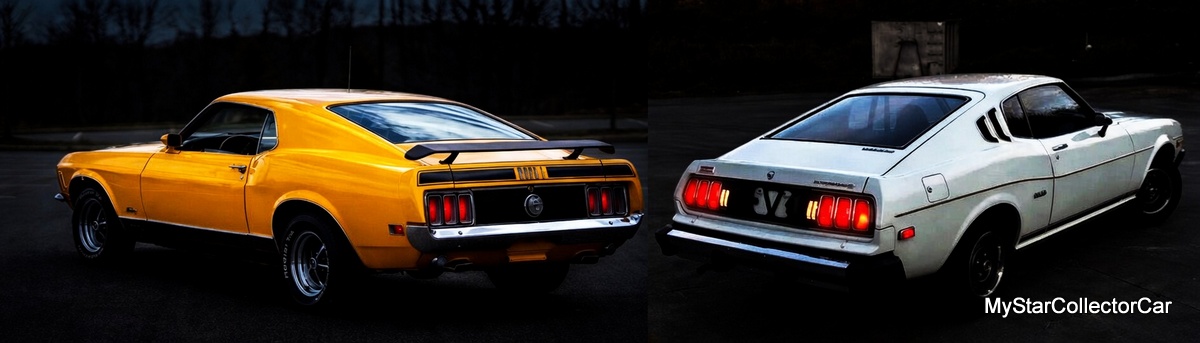
Japan was never afraid to copy things, and in this case, they copied a 1970 Mustang. That was brilliant marketing because a North American buyer could buy something foreign and familiar at the same time. The Celica name went on for decades thanks to attention to details and building a reliable car.
That’s the history lesson for today. Cars look alike in today’s traffic because the emphasis is on function over form—that’s you’re in a world full of cloned SUVs.
Jerry Sutherland
By: Jerry Sutherland
Jerry Sutherland is a veteran automotive writer with a primary focus on the collector car hobby. His work has been published in many outlets and publications, including the National Post, Calgary Herald, Edmonton Journal, Ottawa Citizen, Montreal Gazette, Saskatoon StarPhoenix, Regina Leader-Post, Vancouver Sun and The Truth About Cars. He is also a regular contributor to Auto Roundup Publications.
CLICK HERE to Follow us on Pinterest
CLICK HERE TO SIGN UP FOR THE NEWSLETTER
CLICK HERE to Like us on Facebook
CLICK HERE to Follow us on Twitter