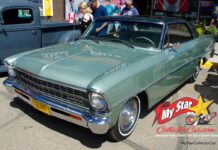
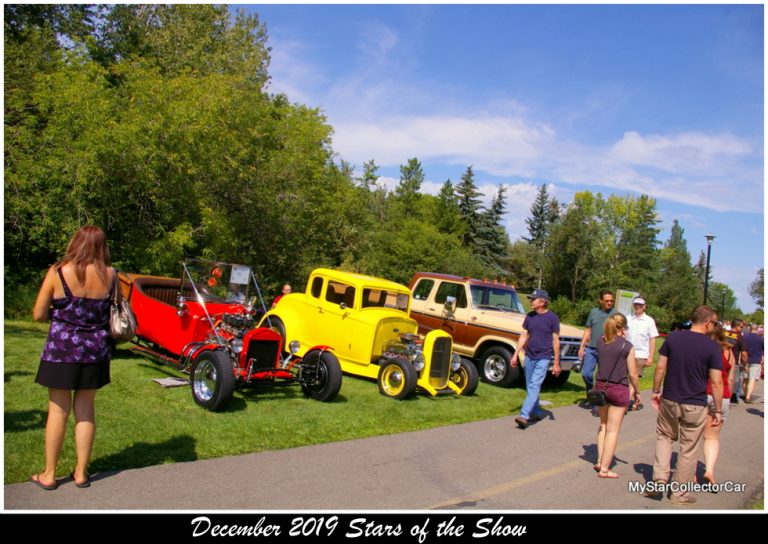
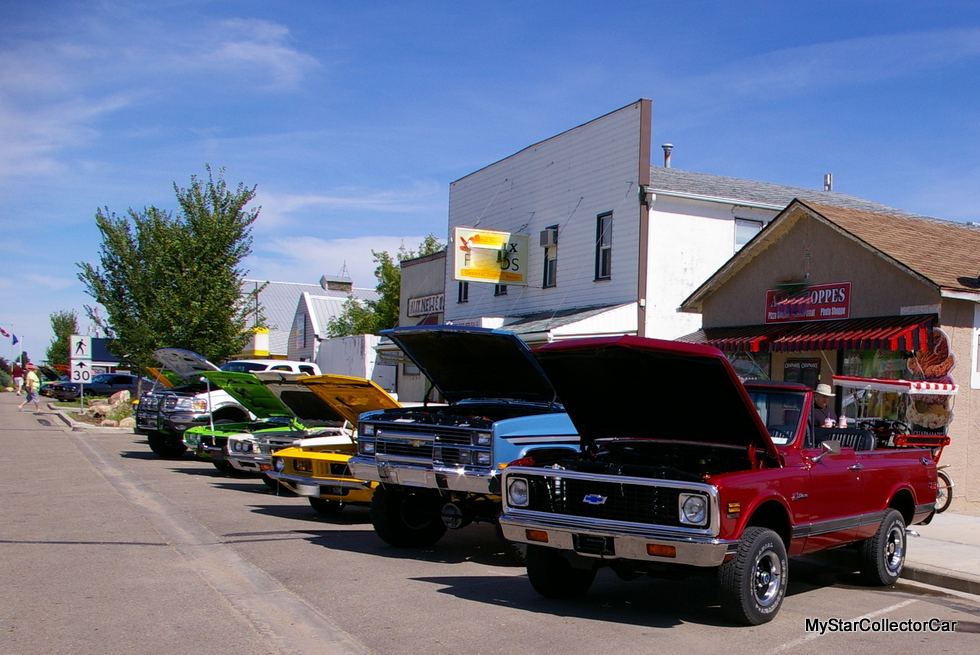
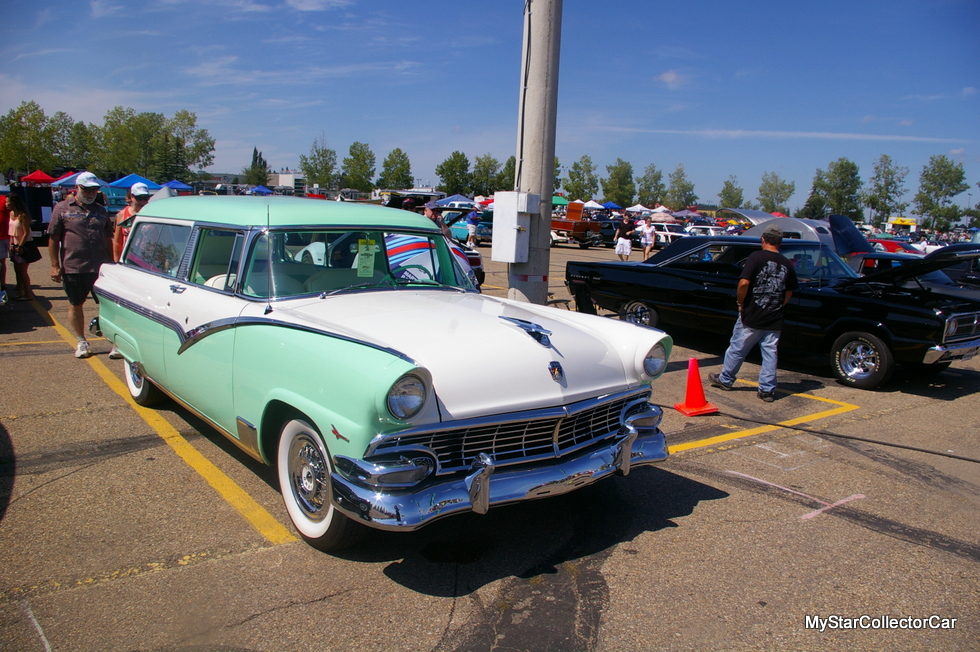
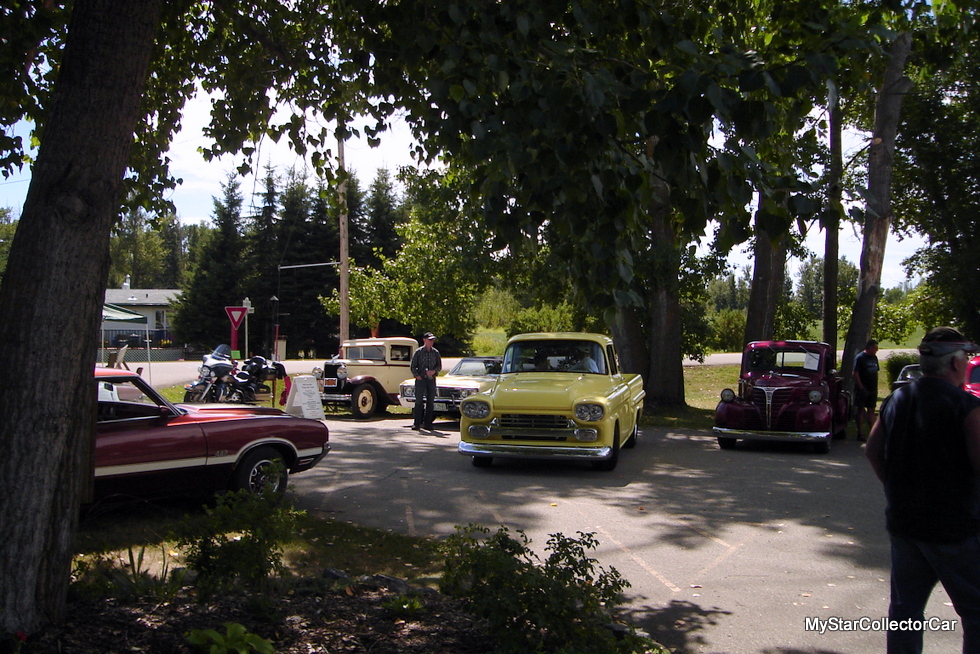
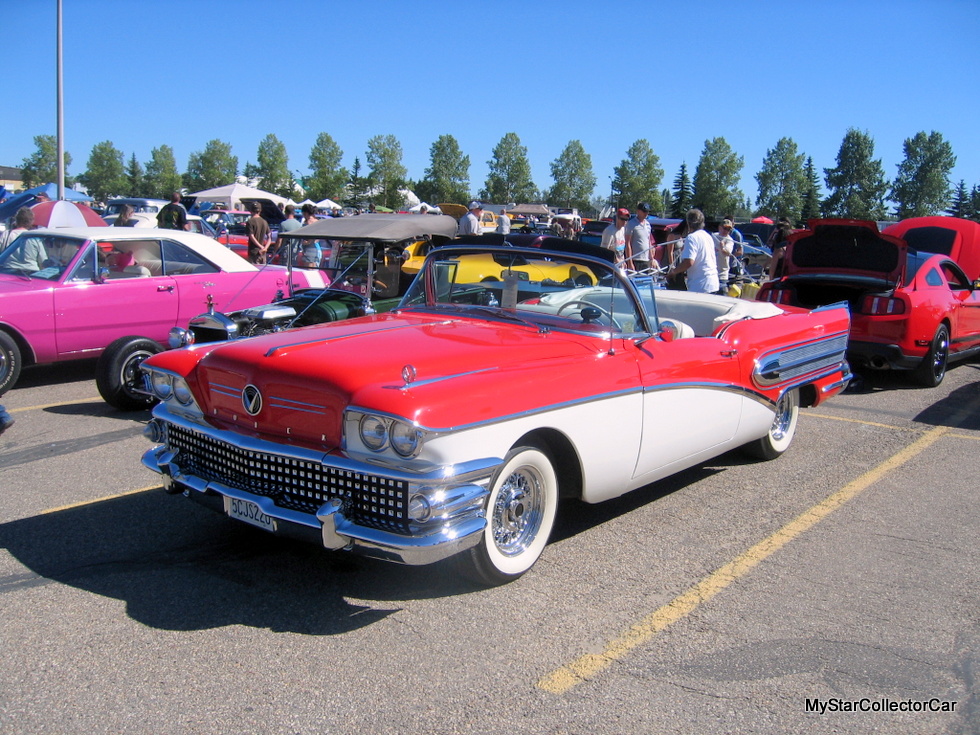
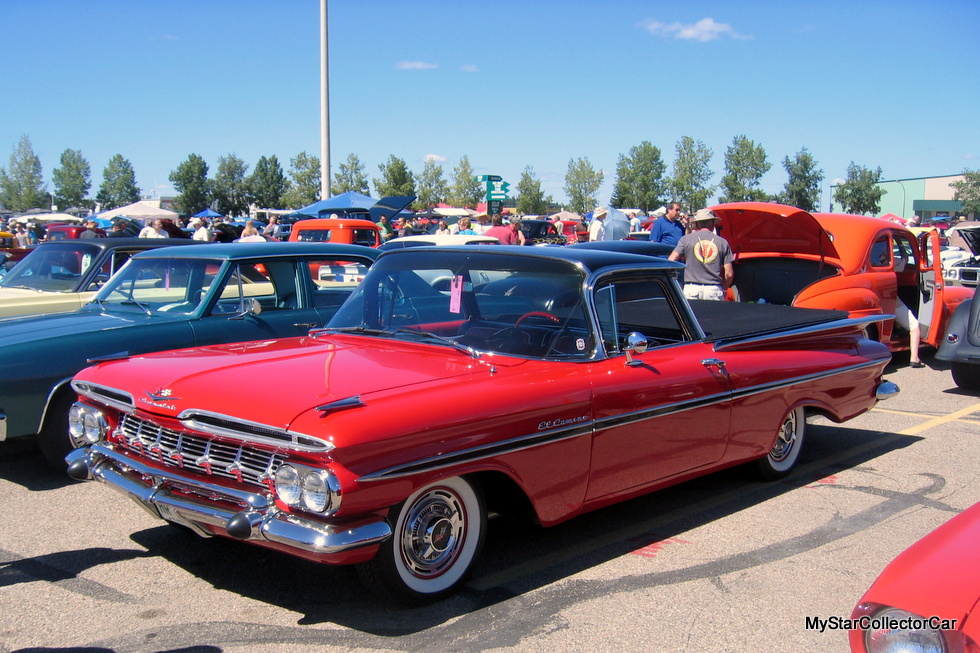
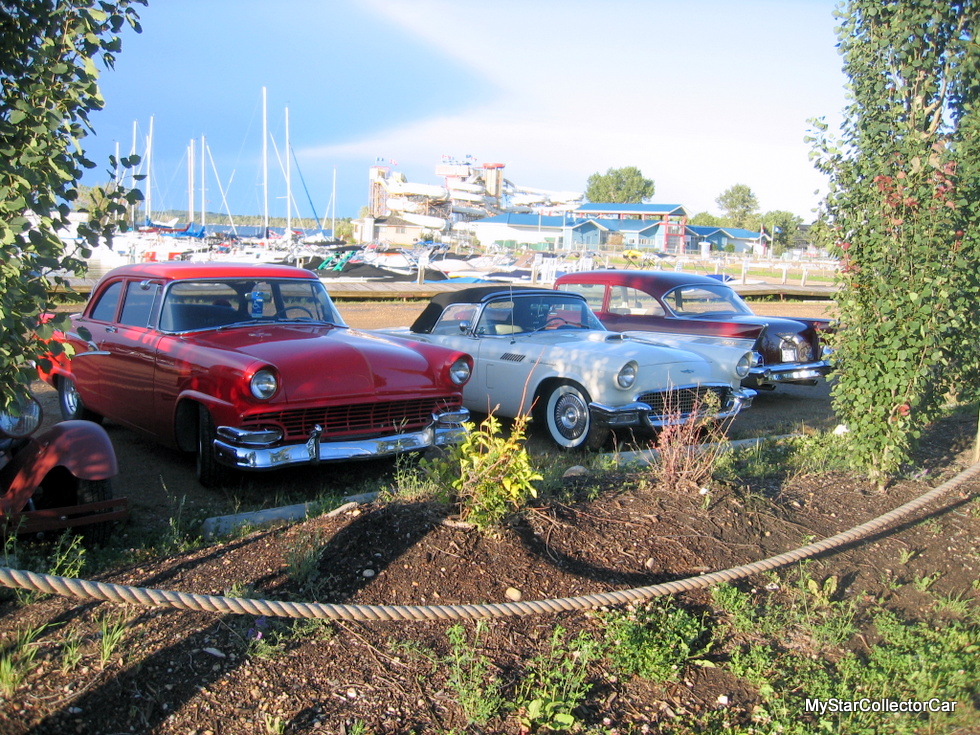
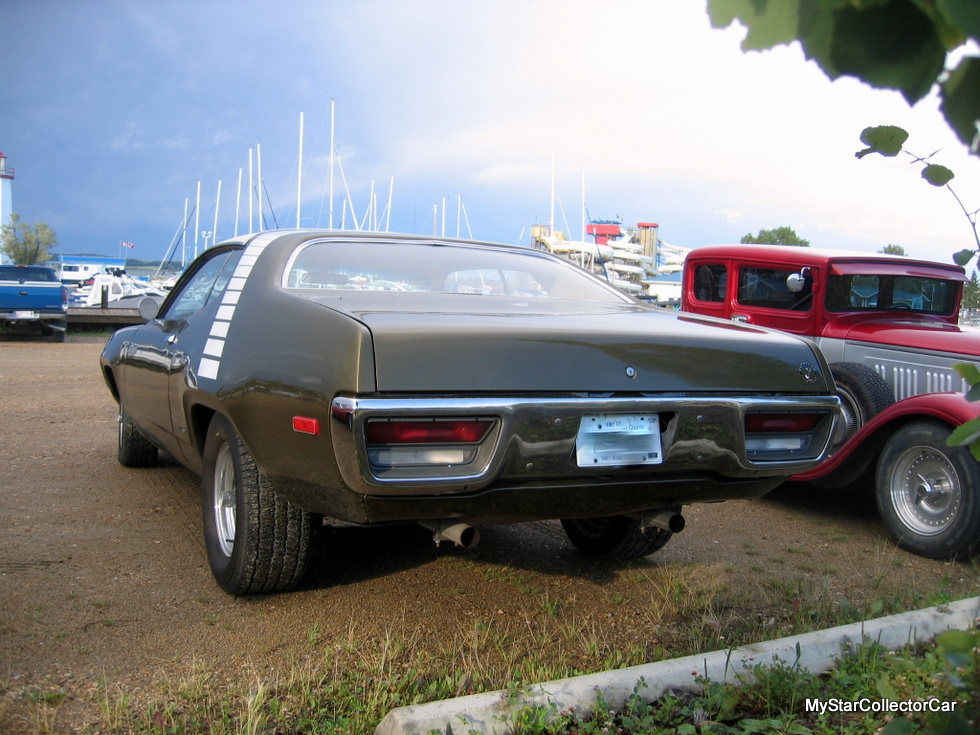
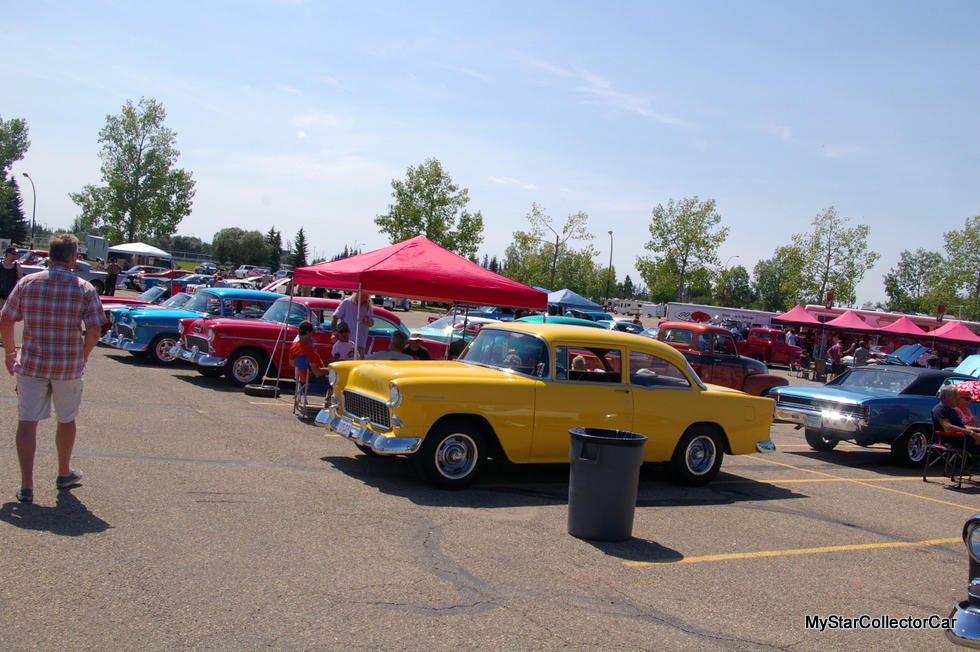
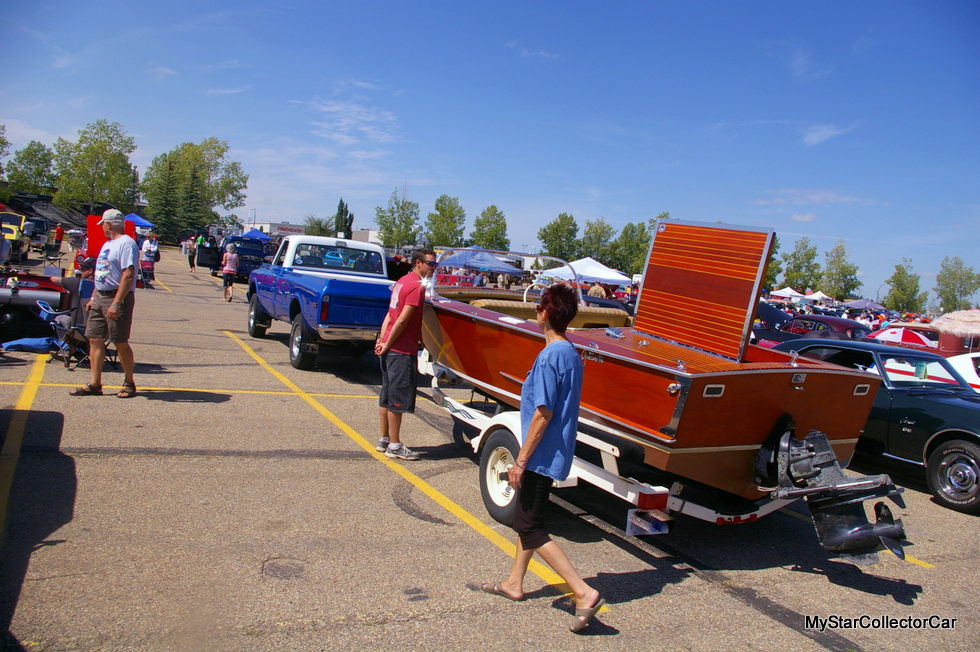
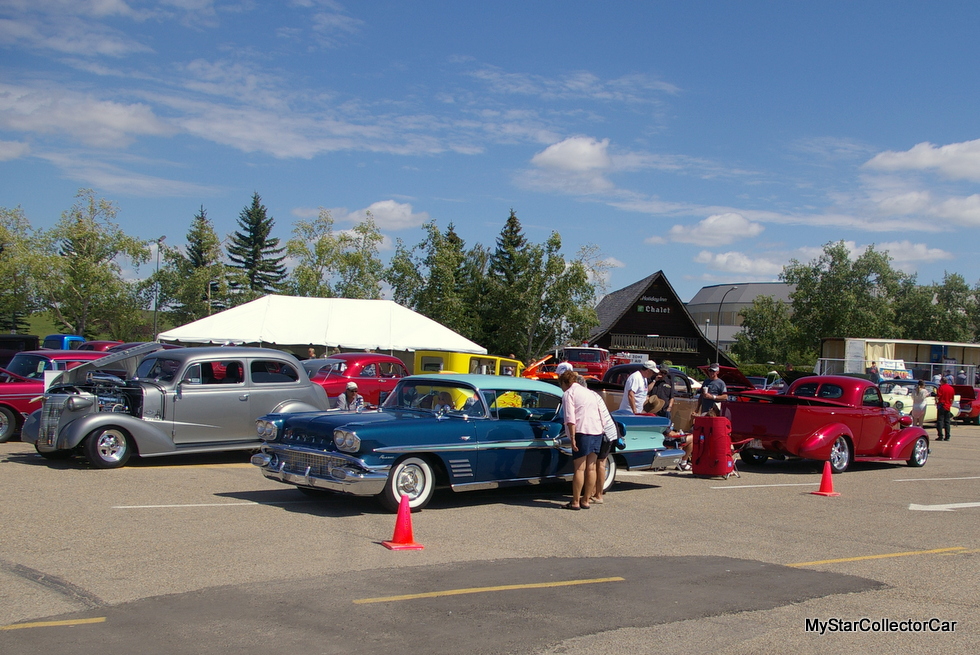
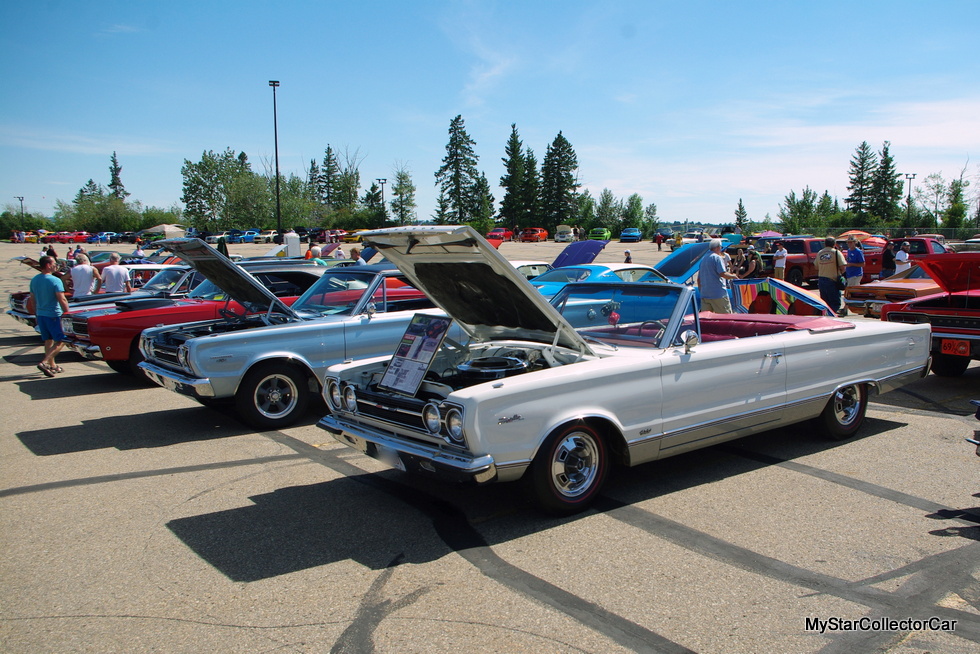
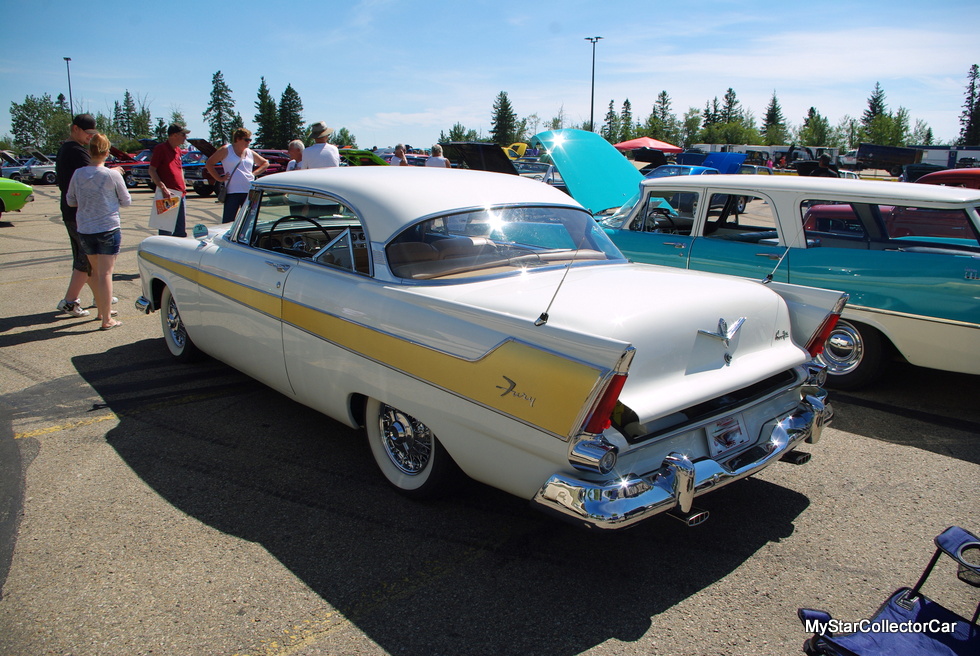
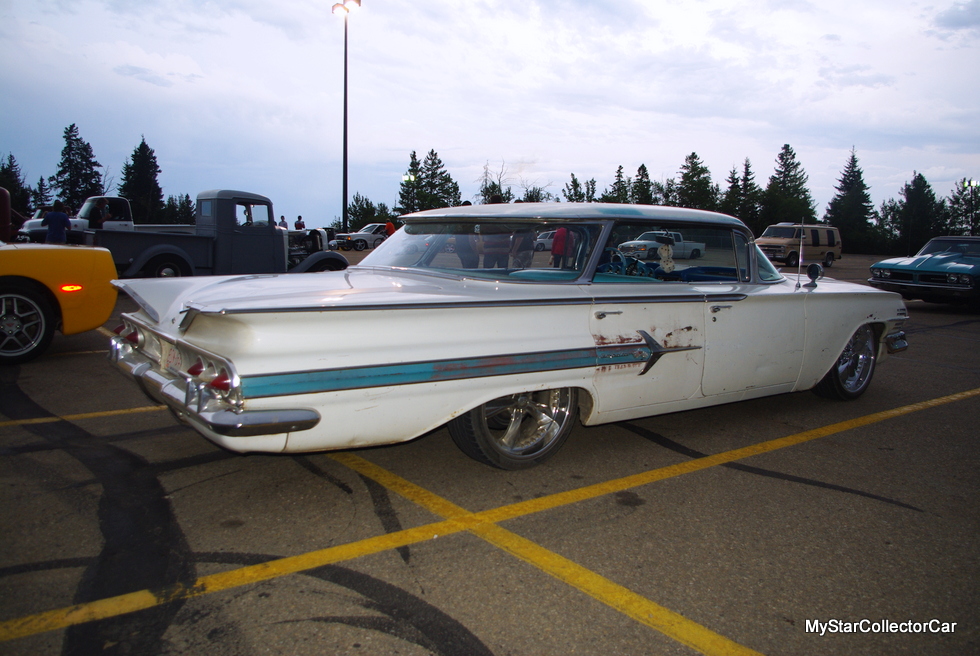
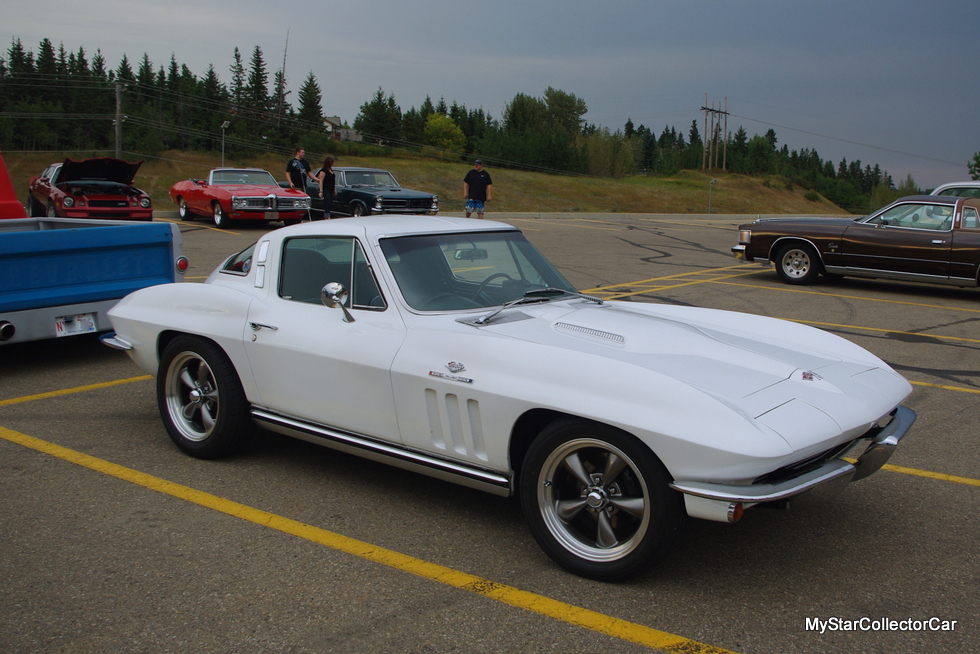
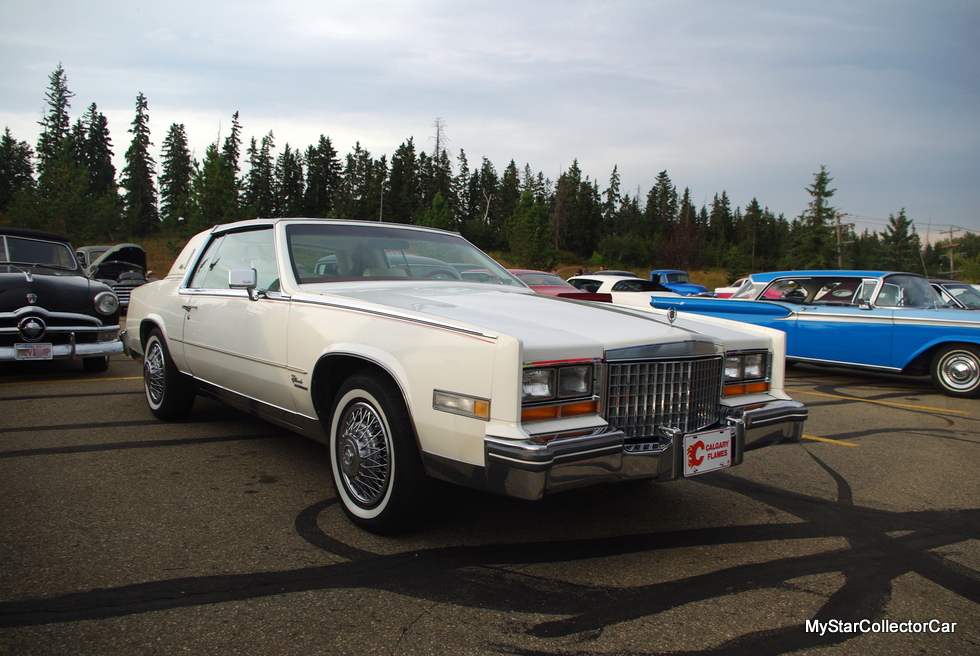
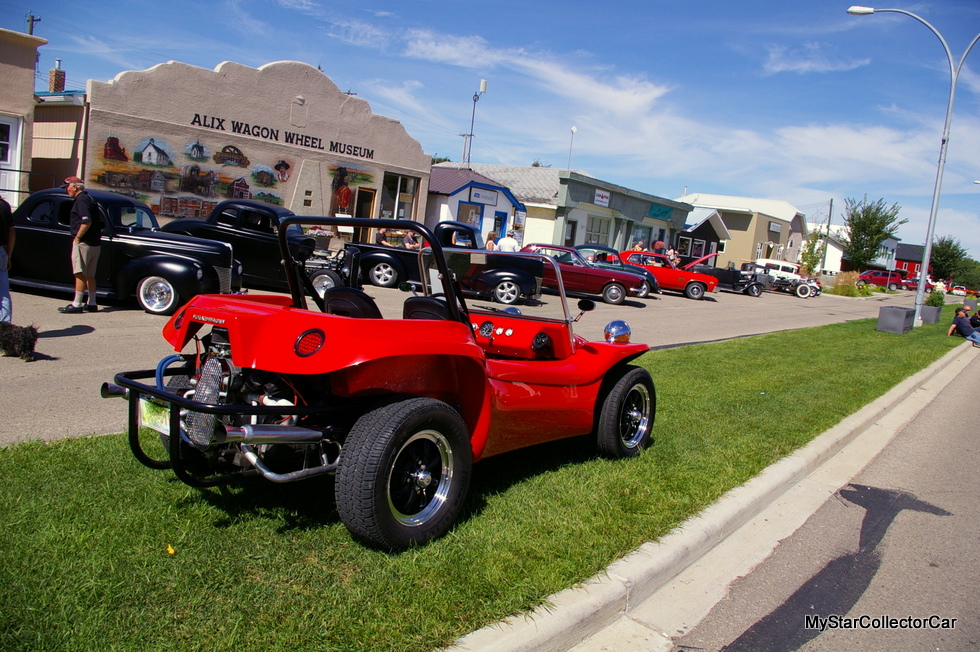
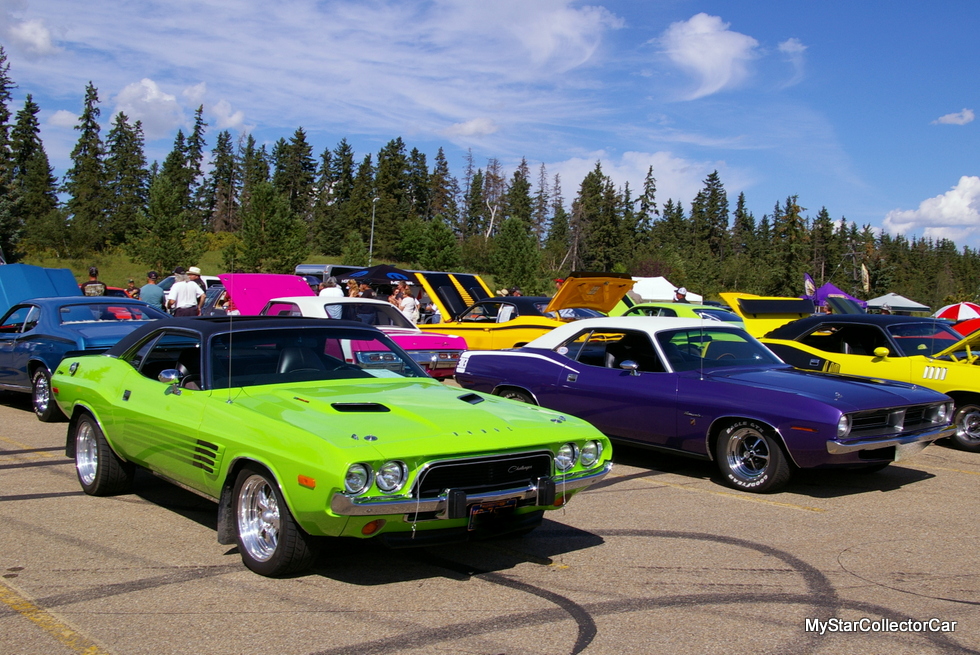
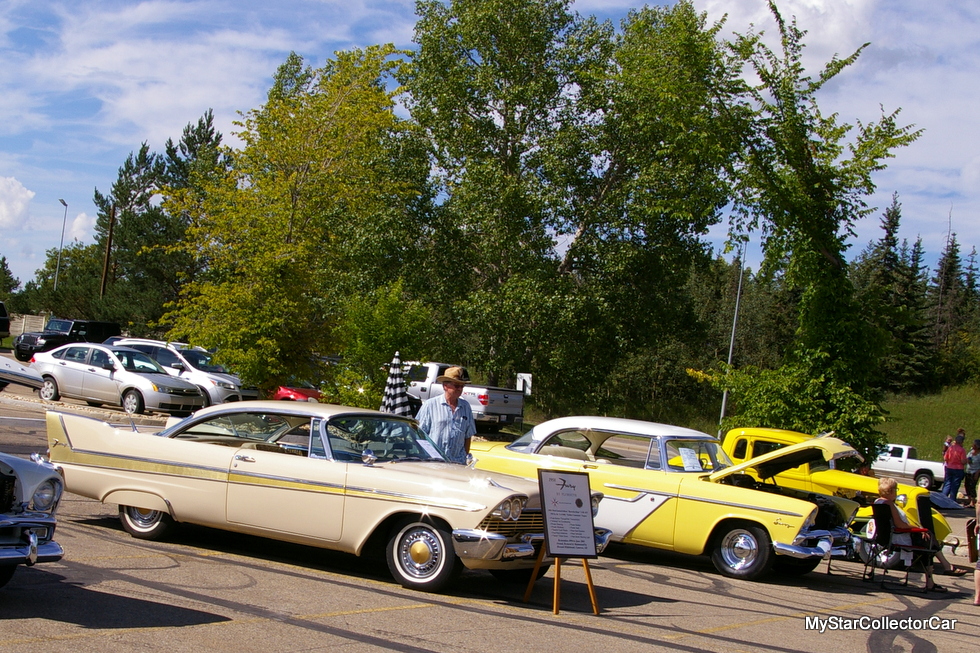
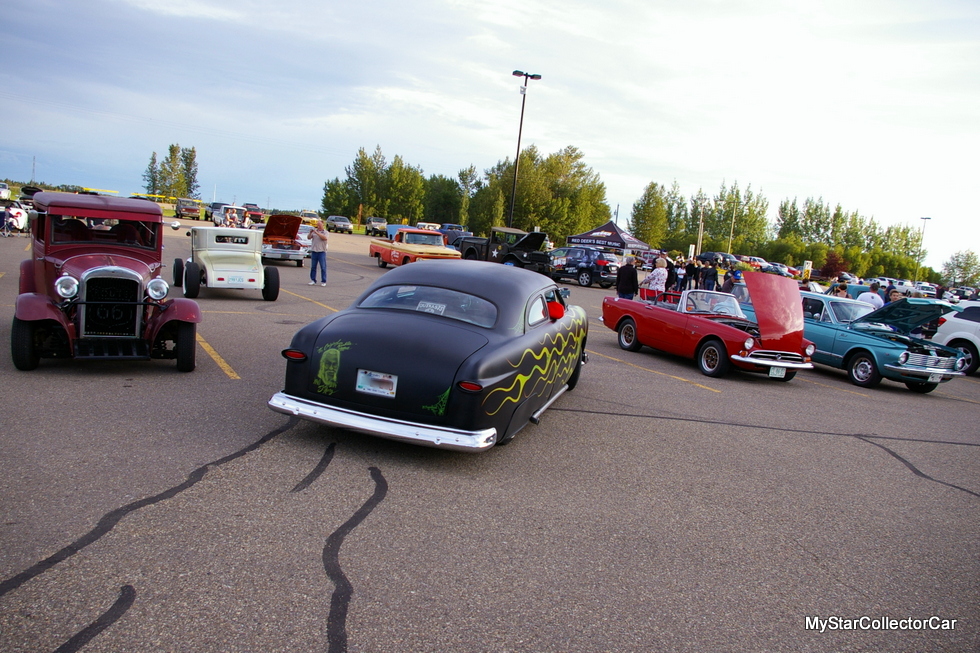
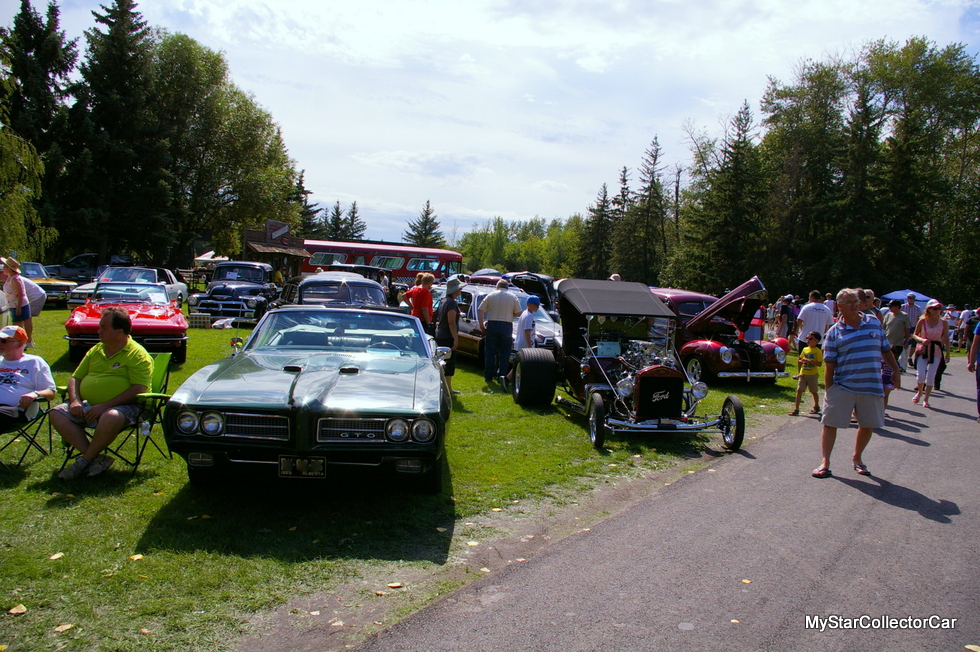
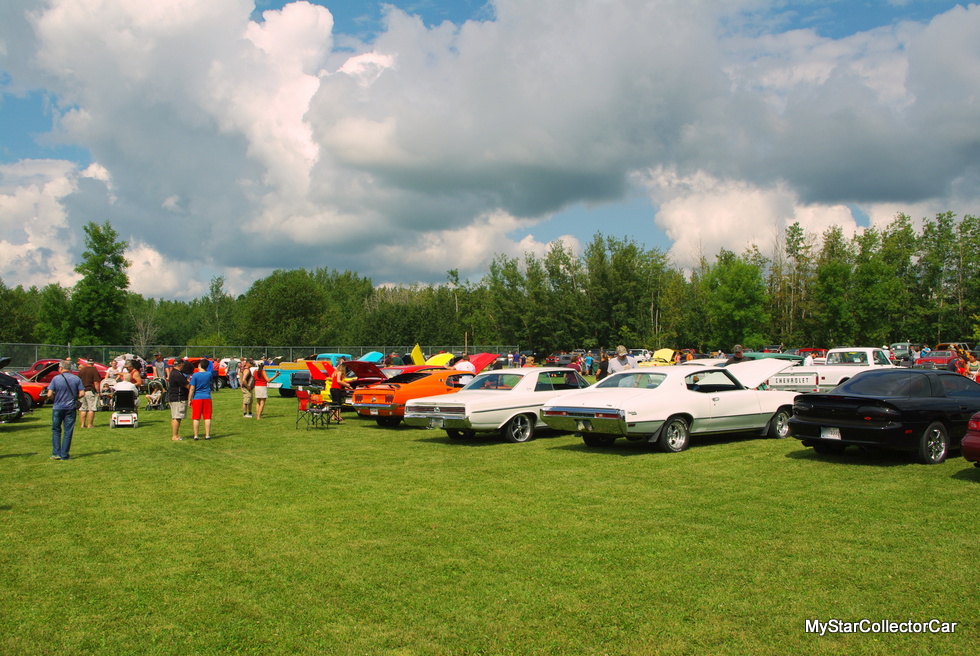
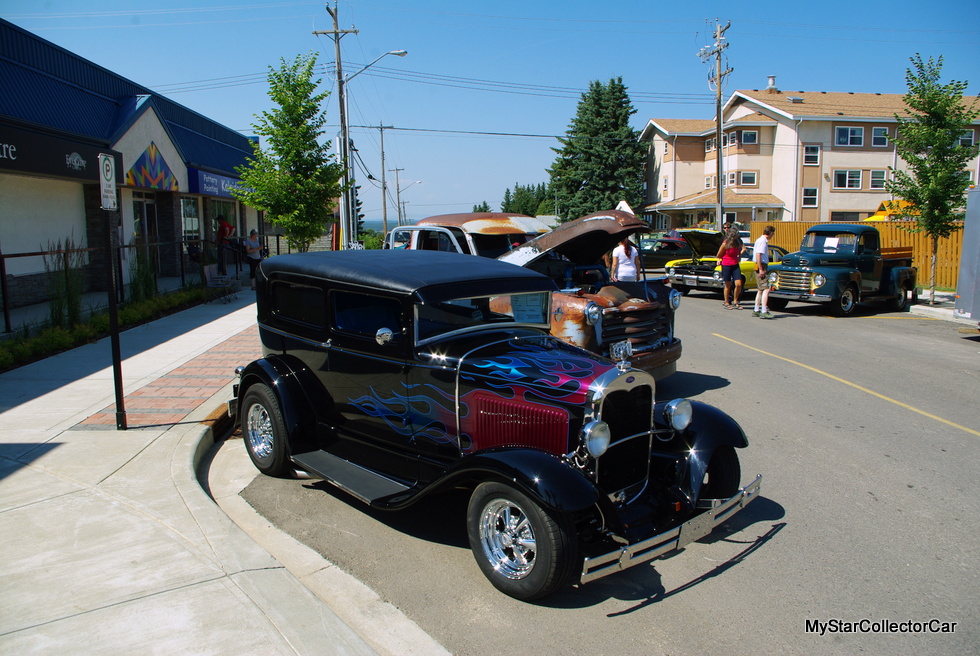
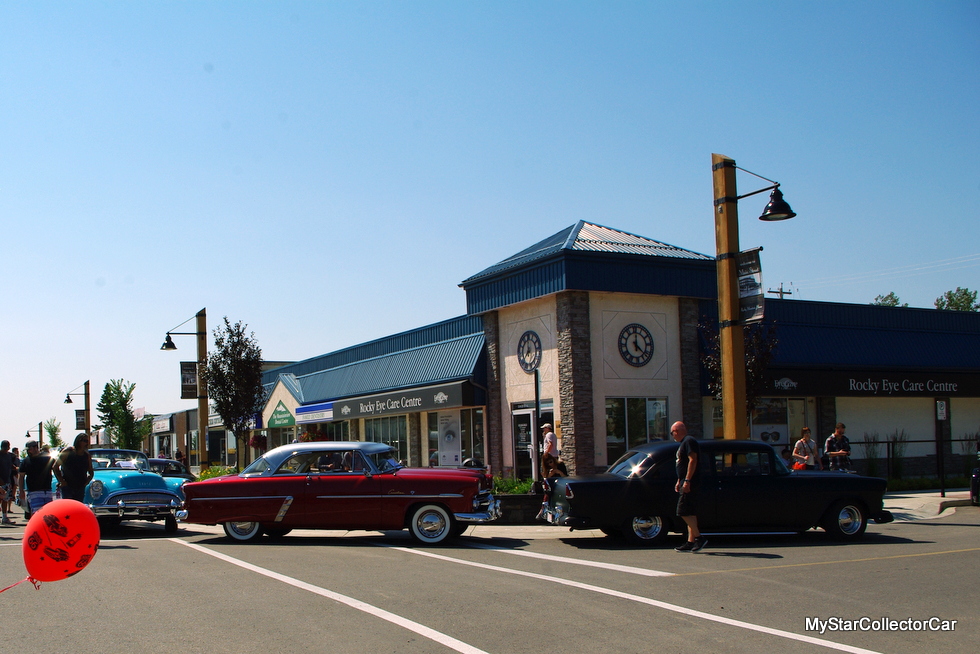
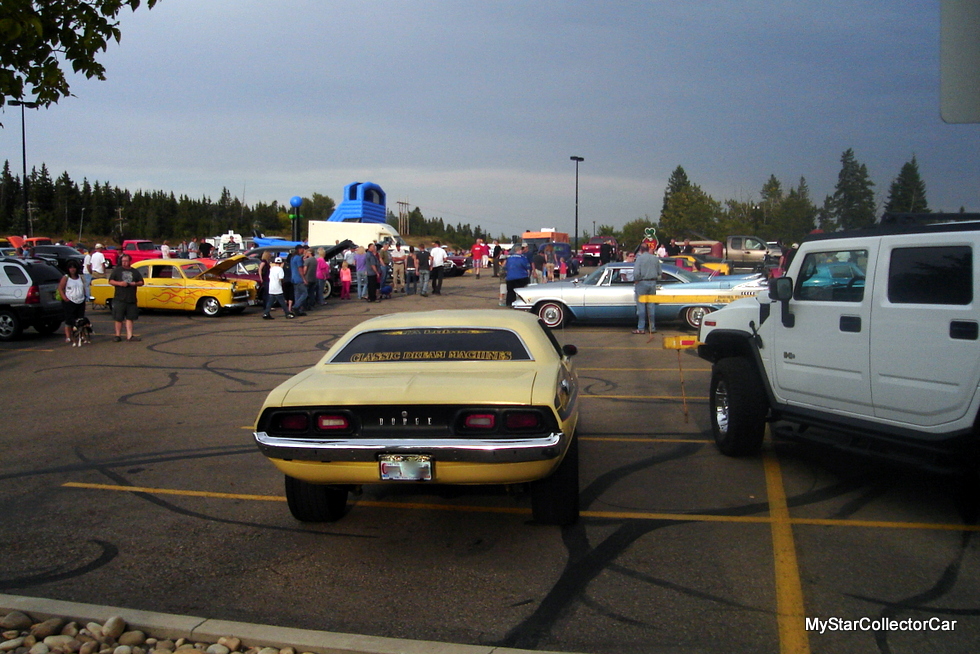
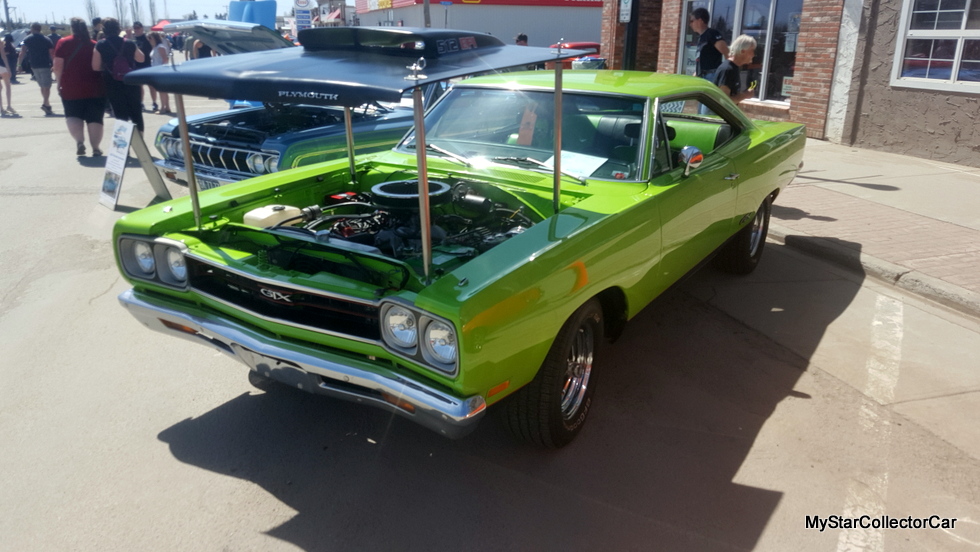
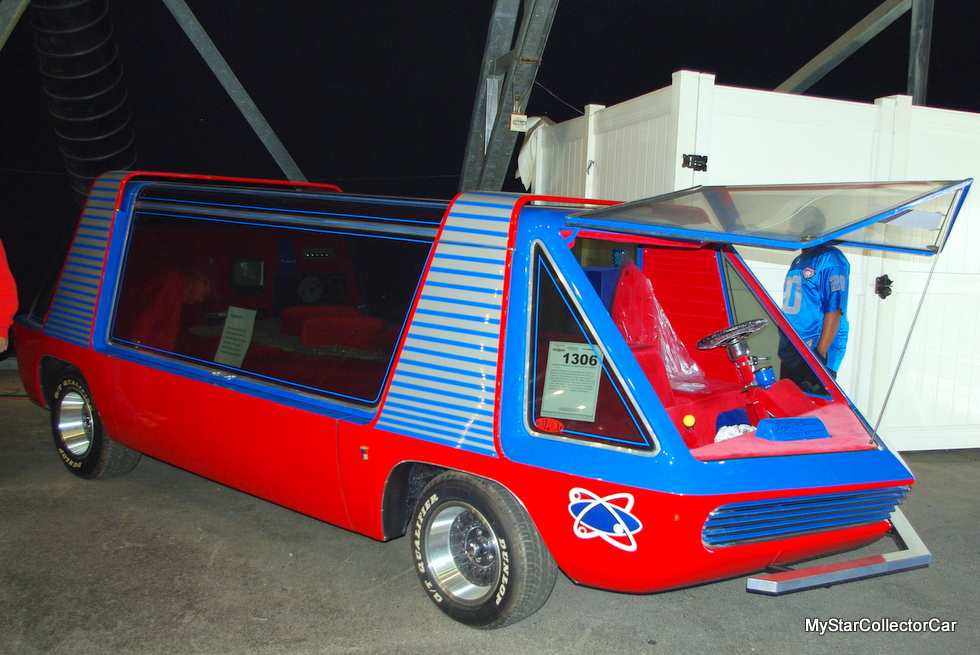
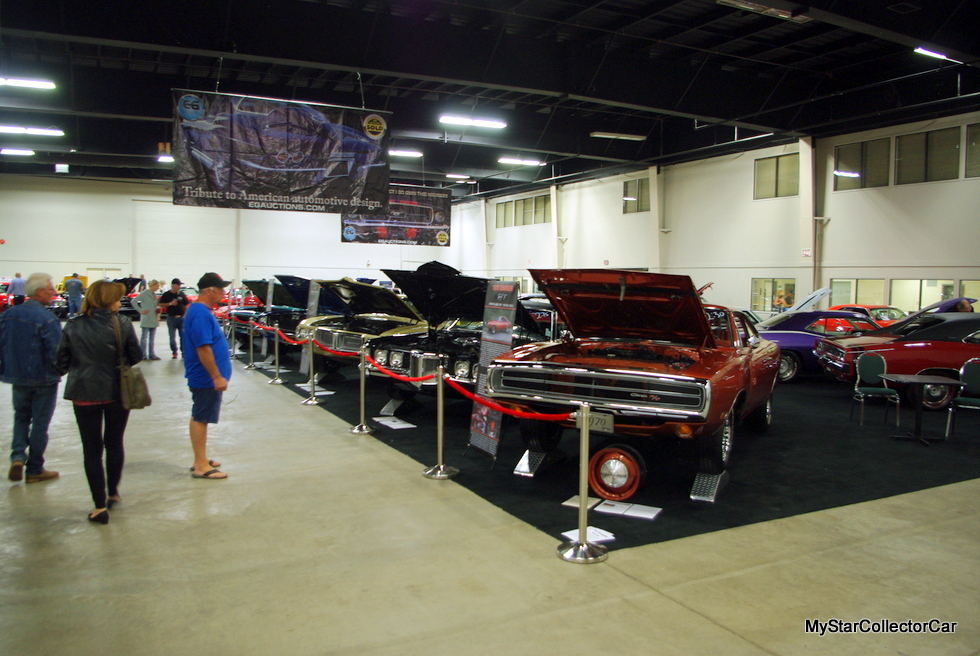
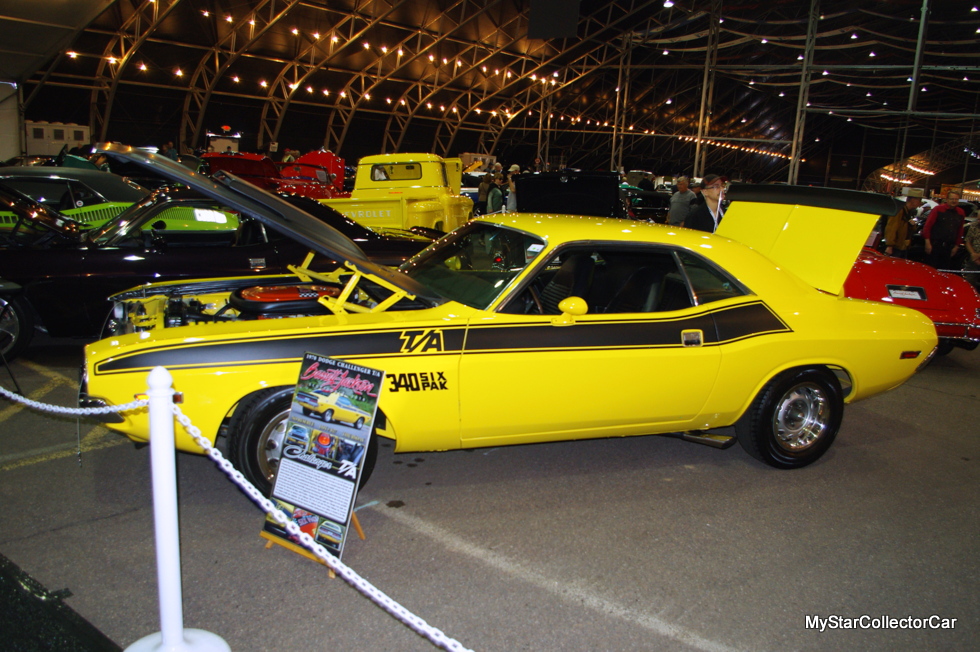
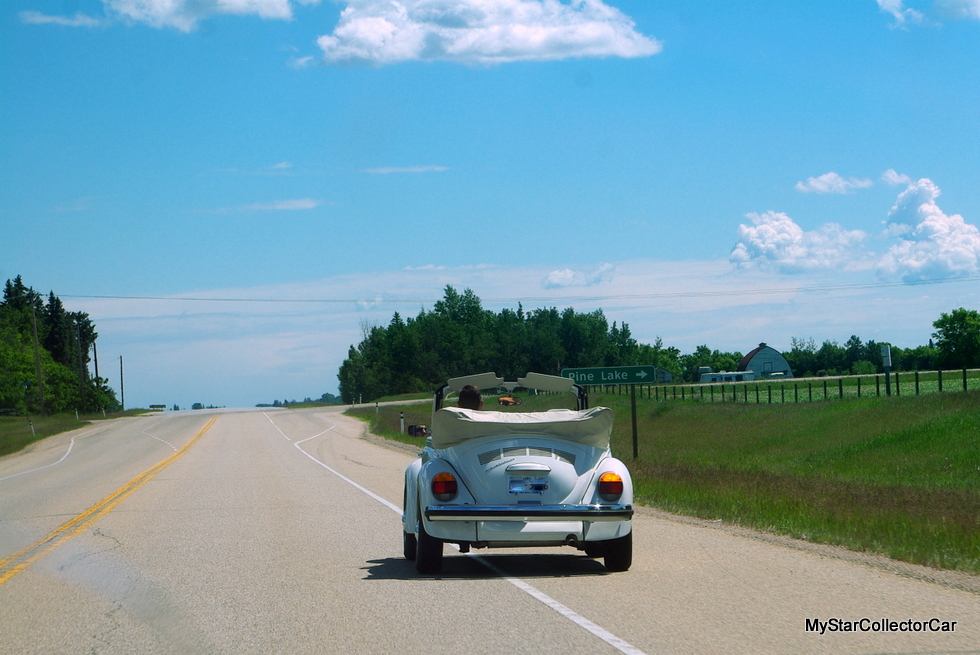
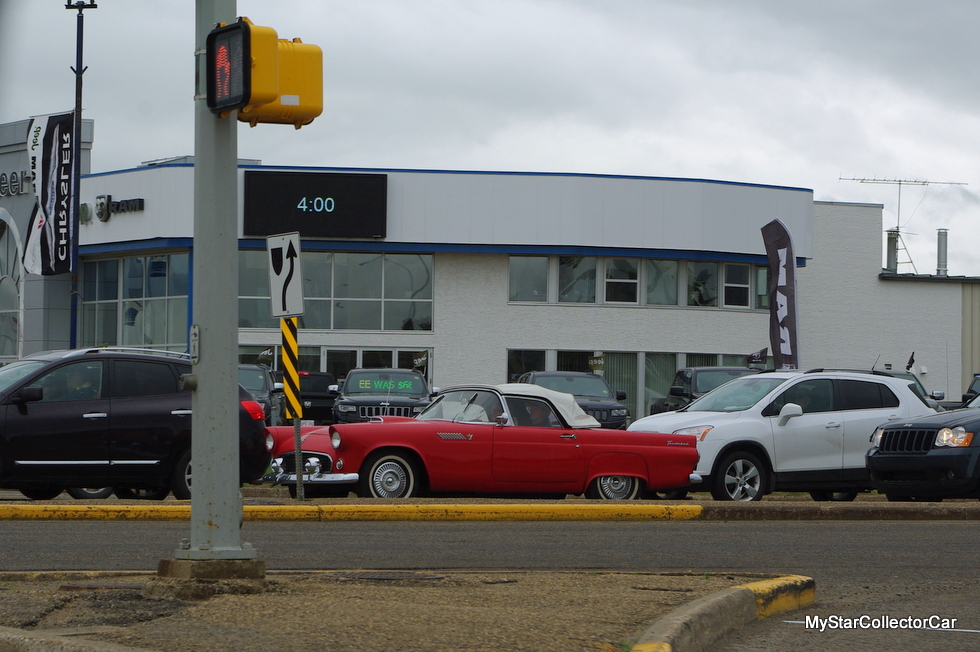
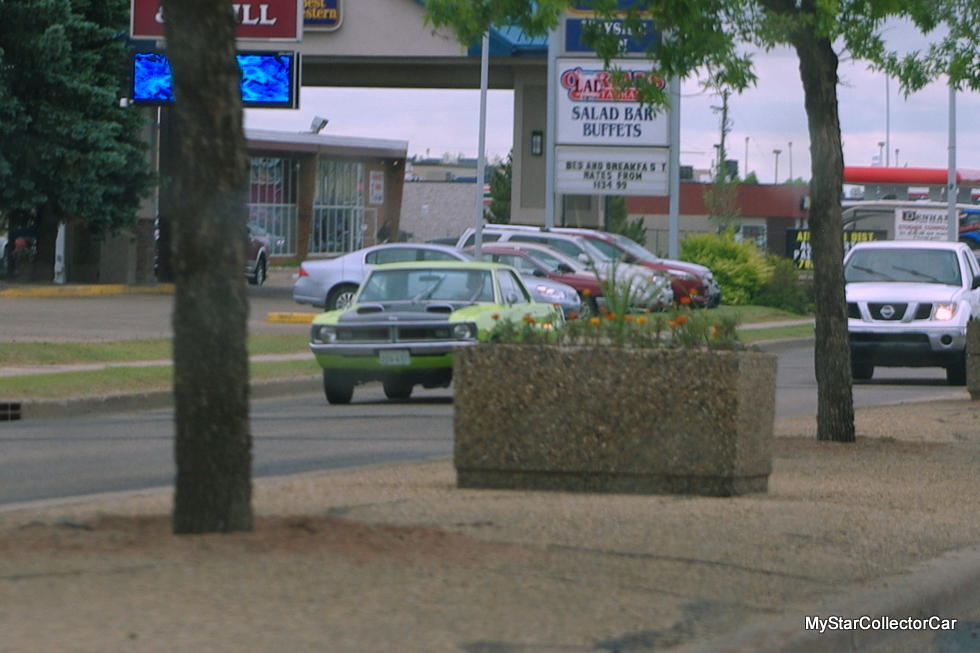
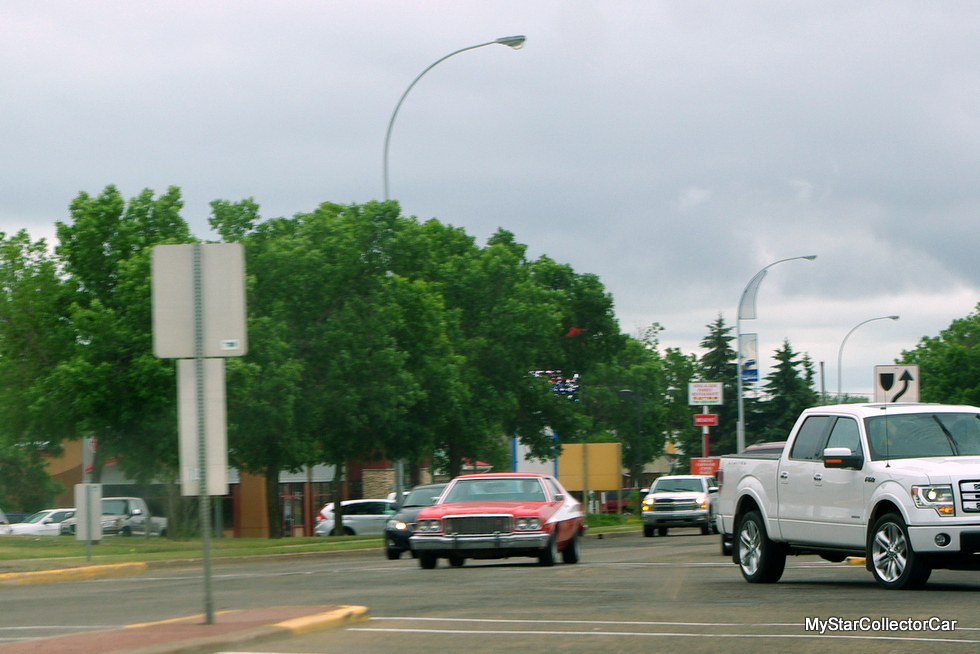
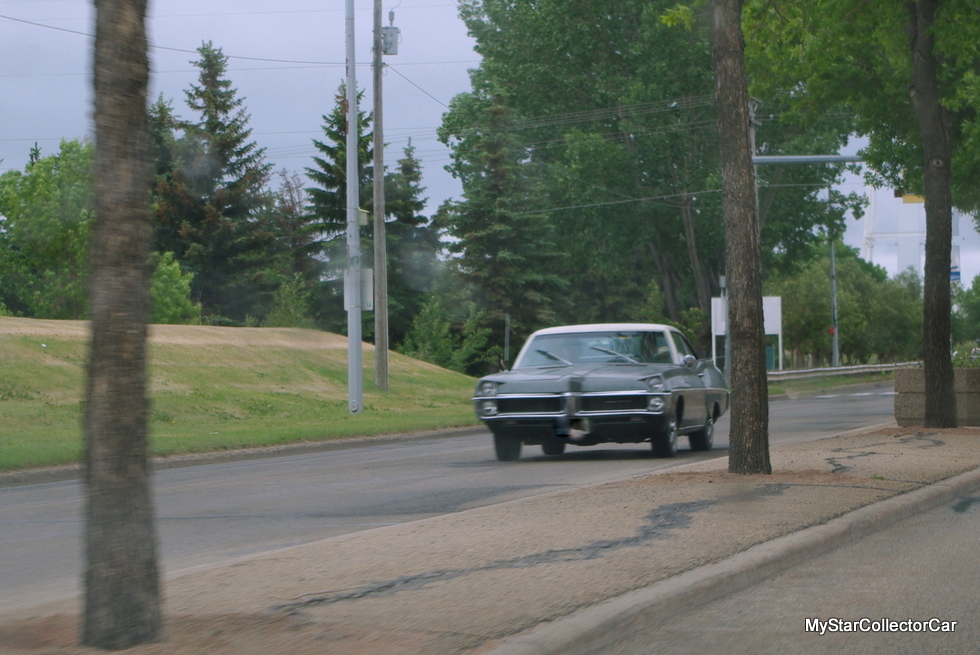
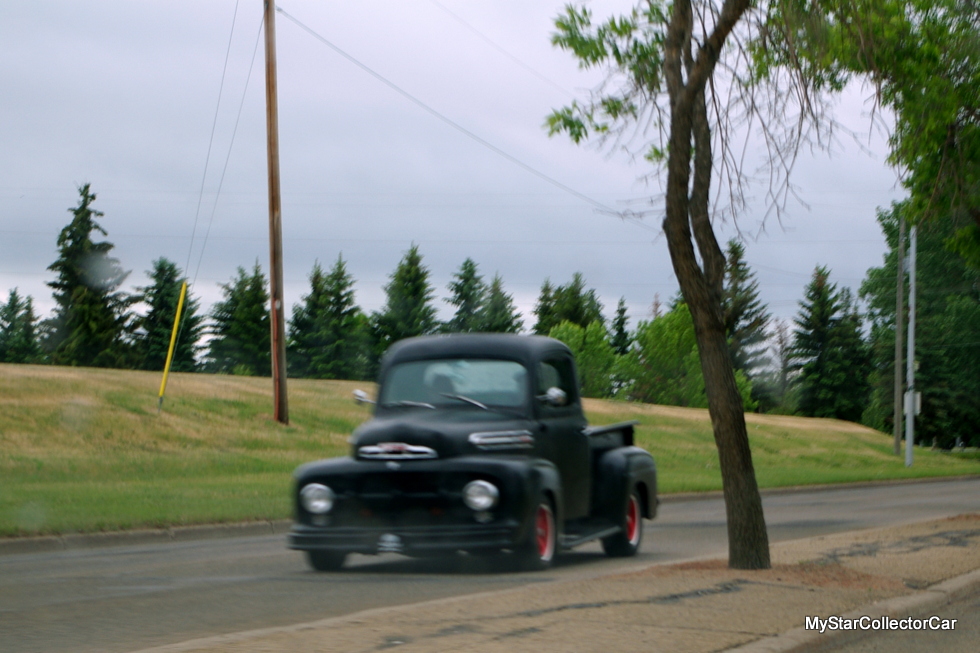
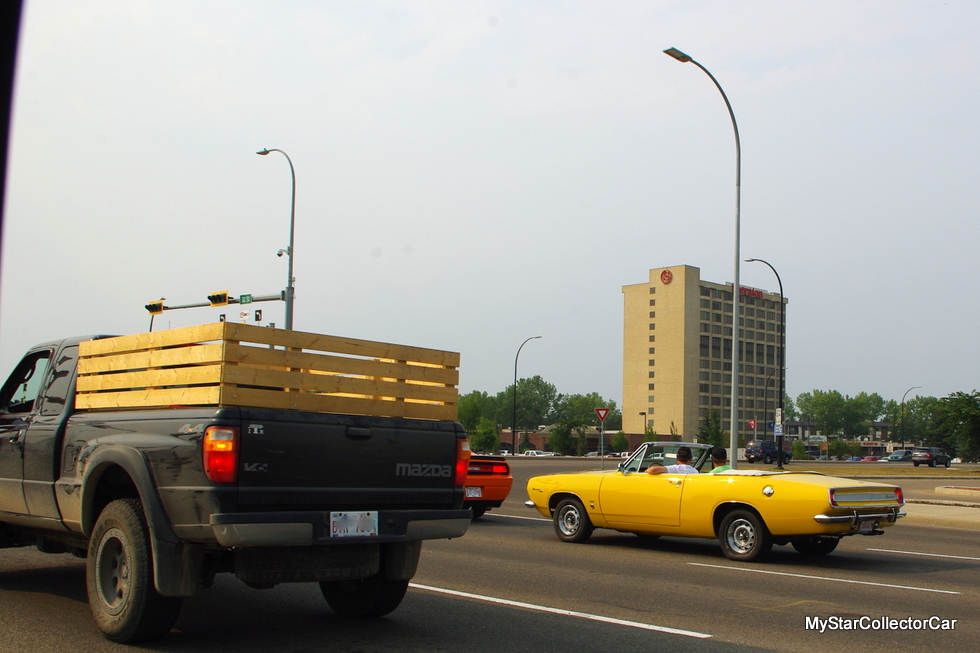
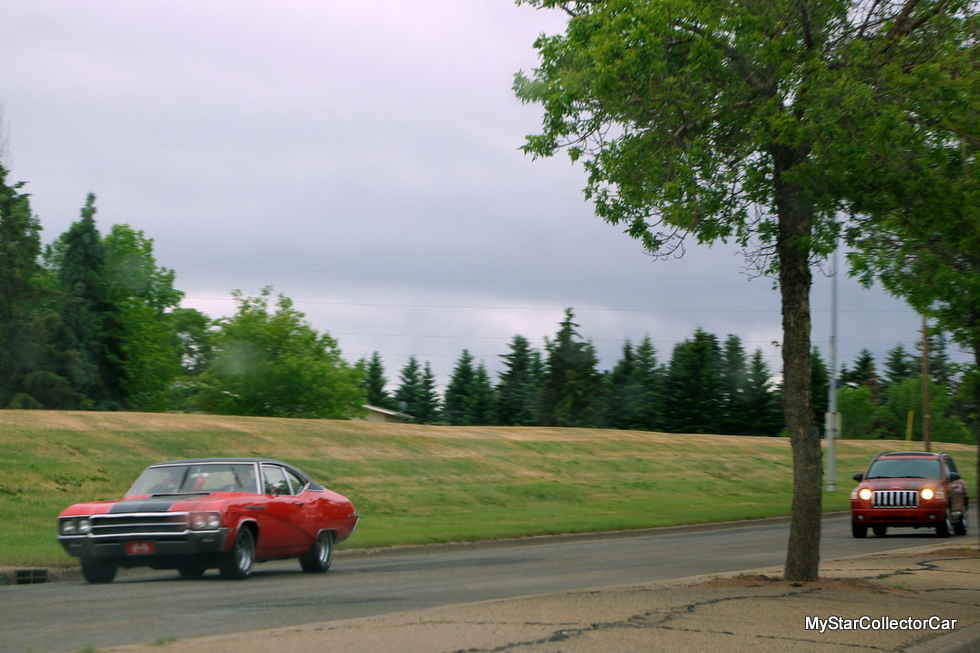
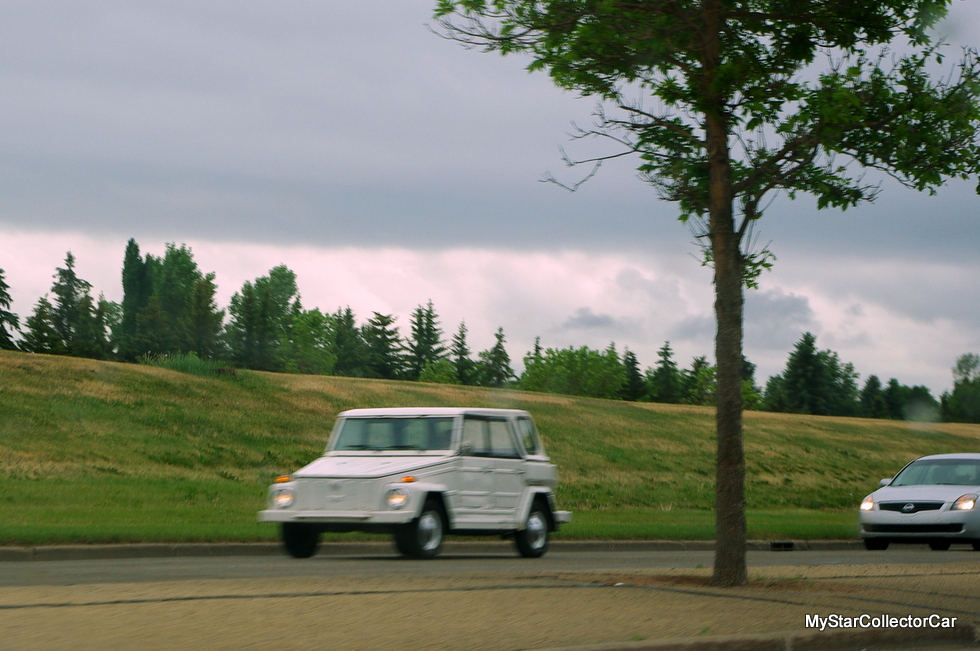
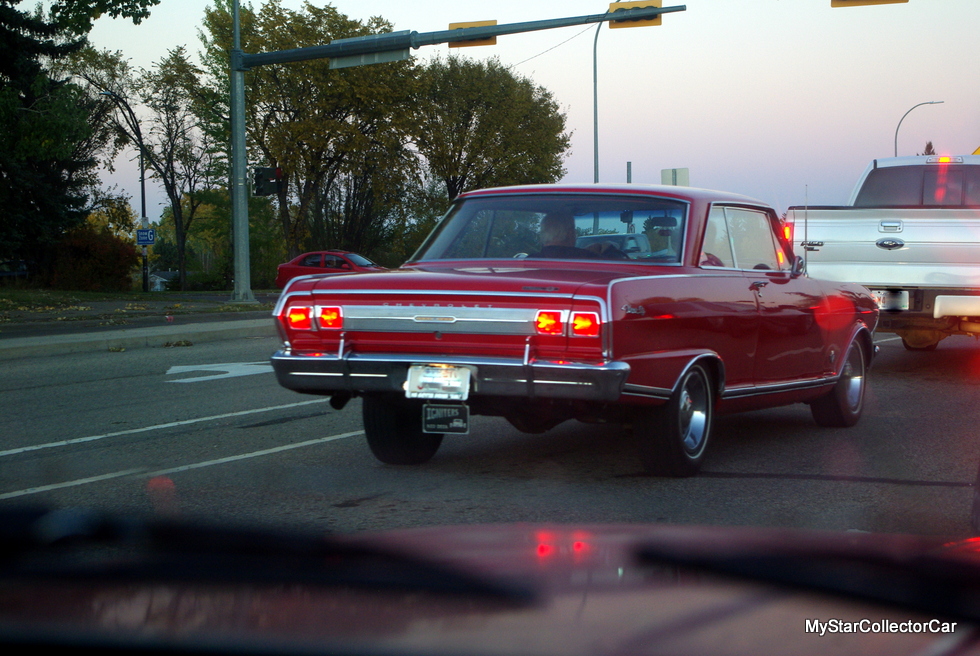
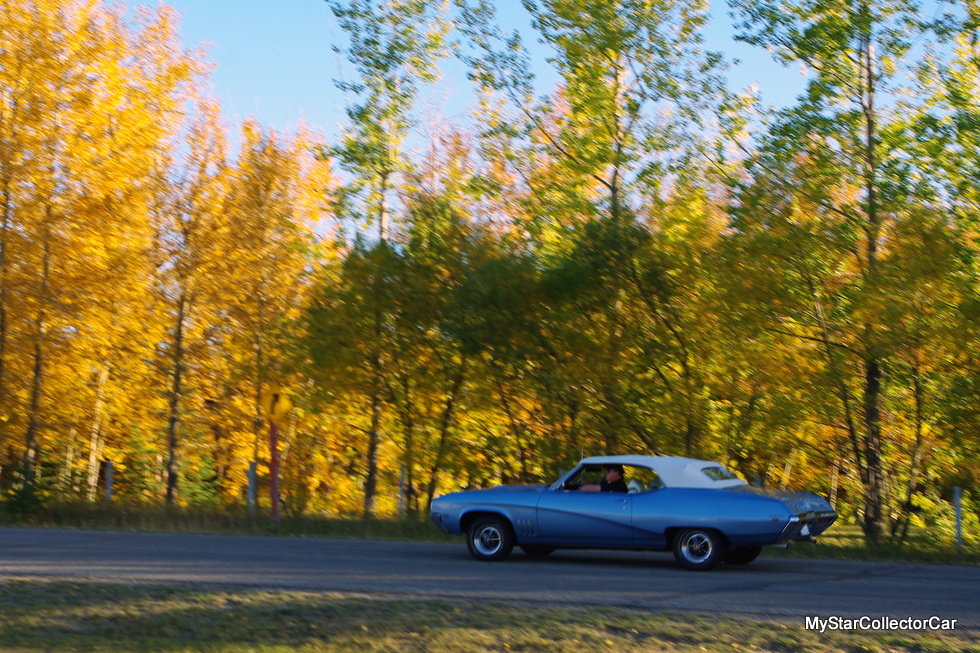
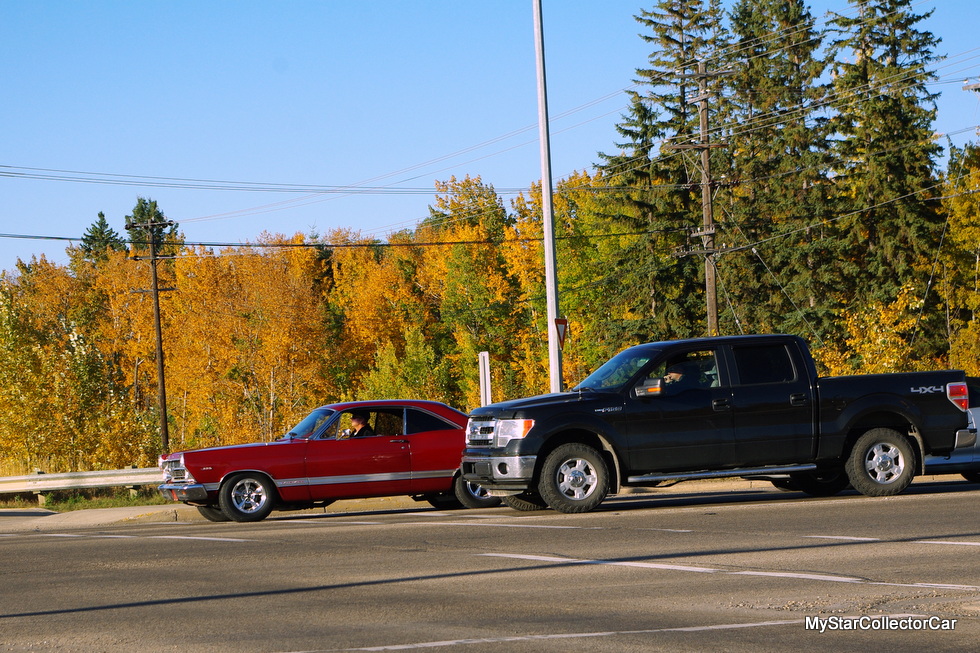
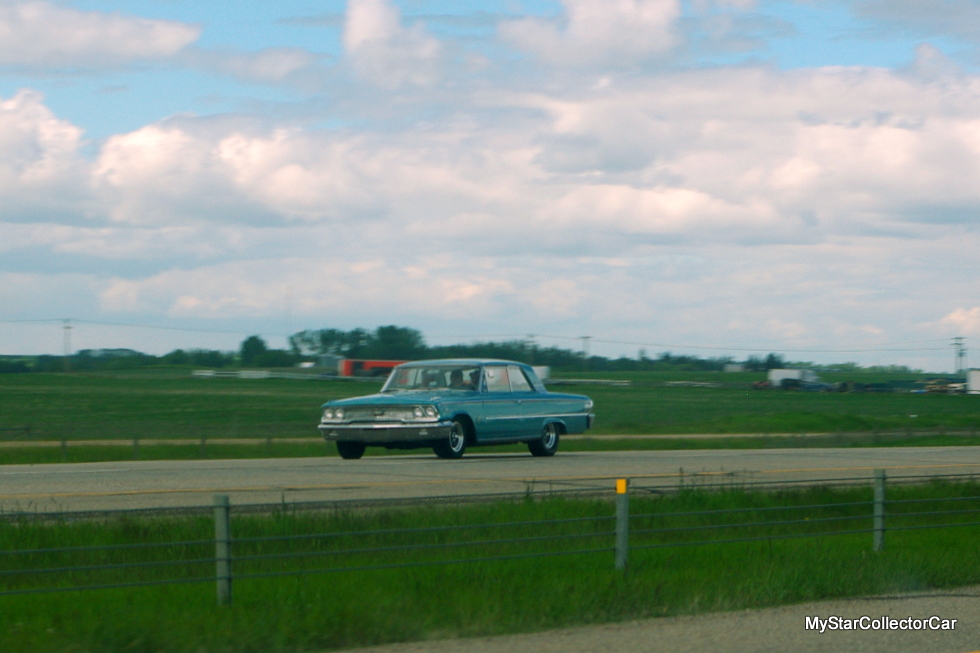
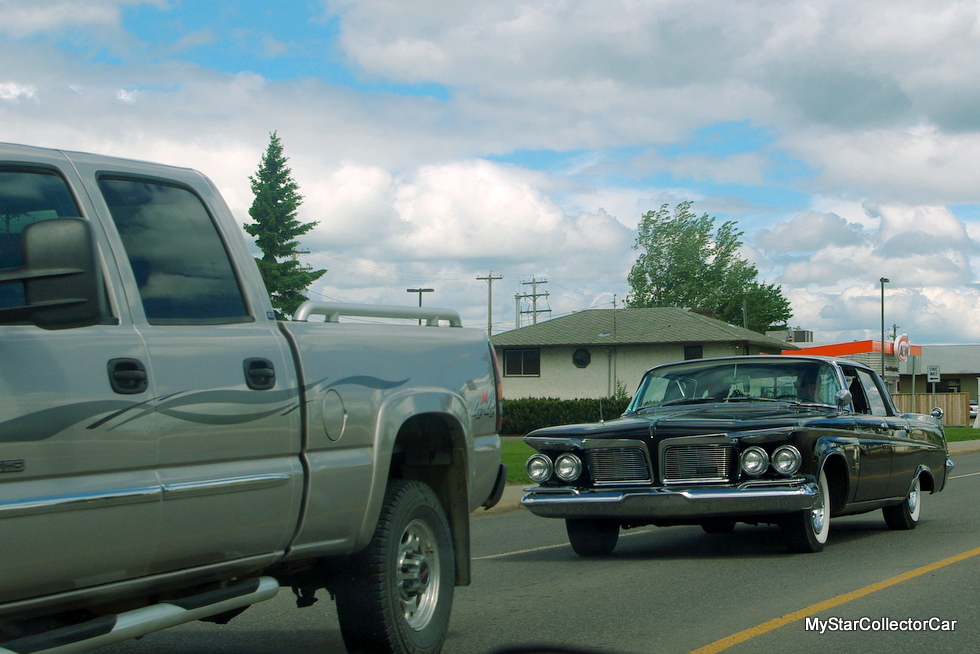
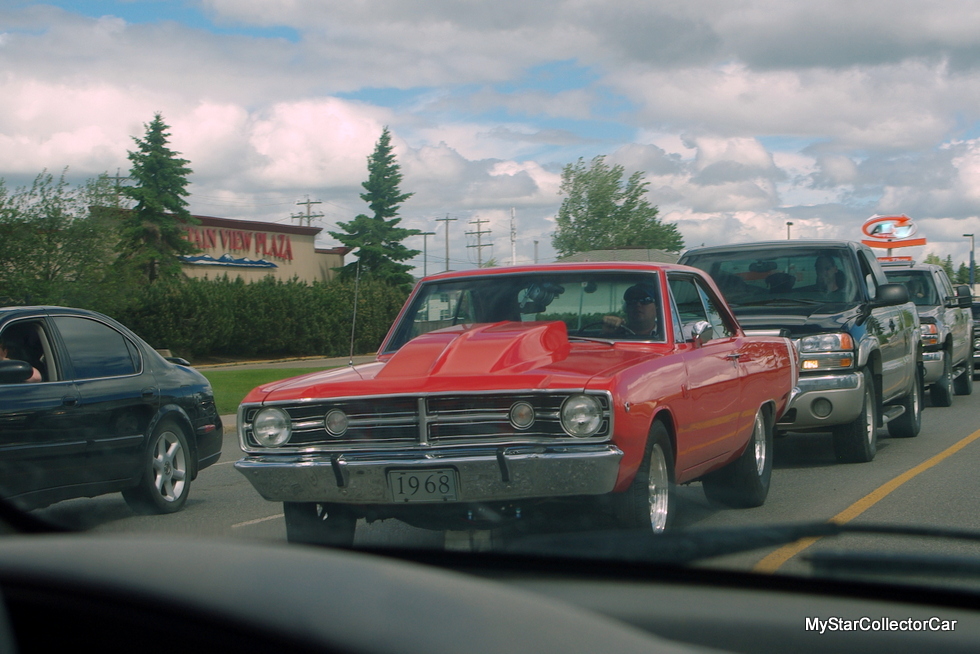
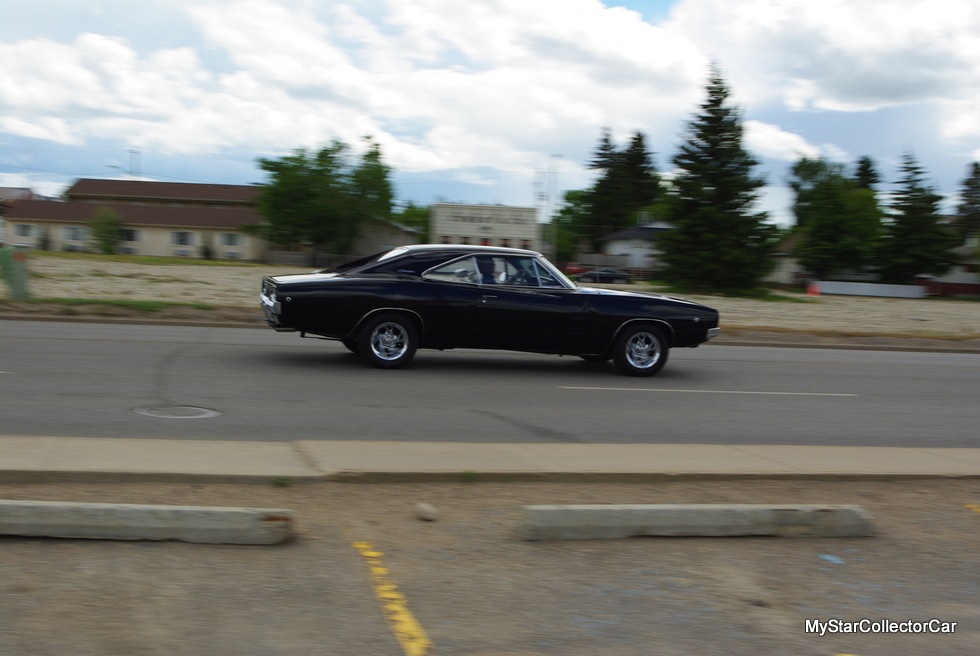
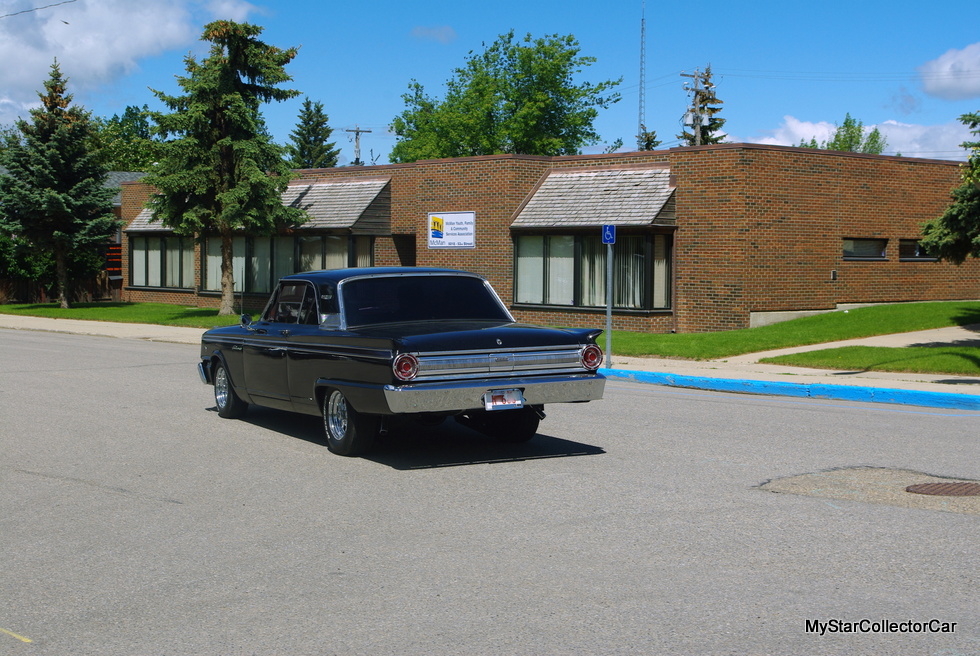
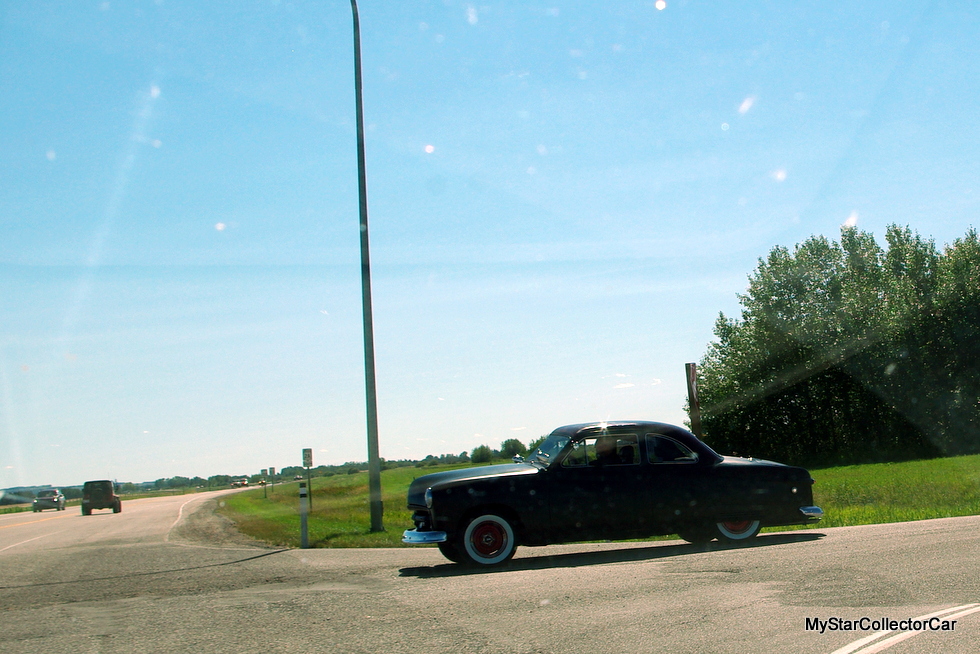
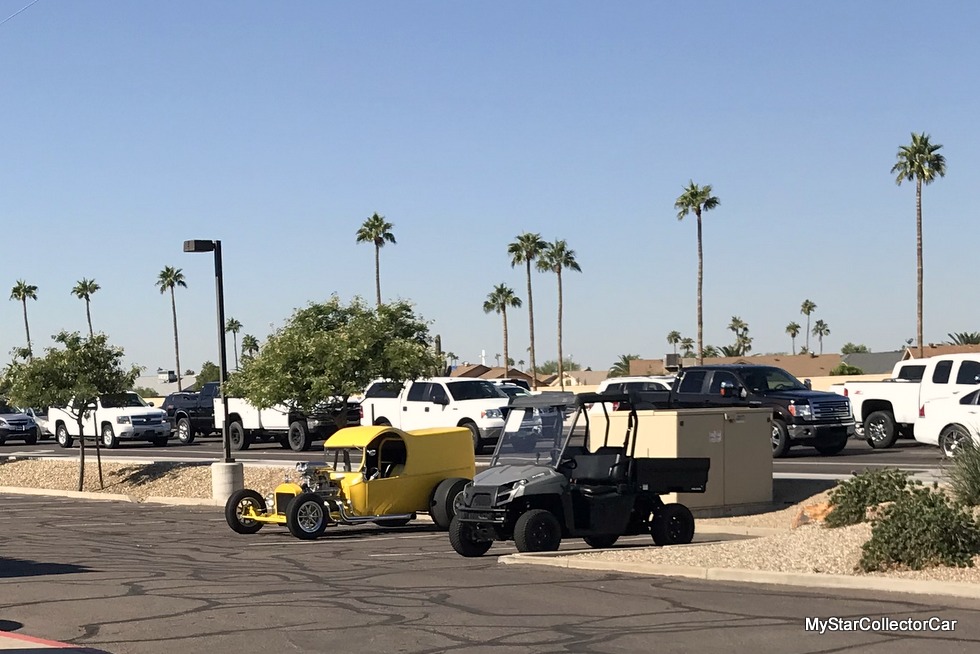
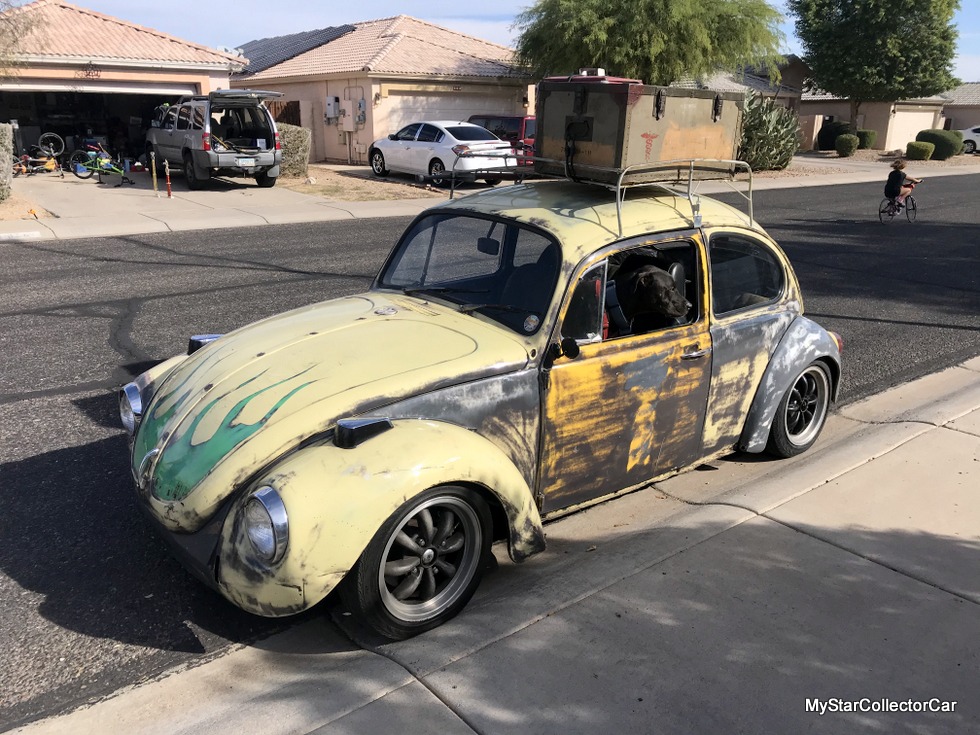
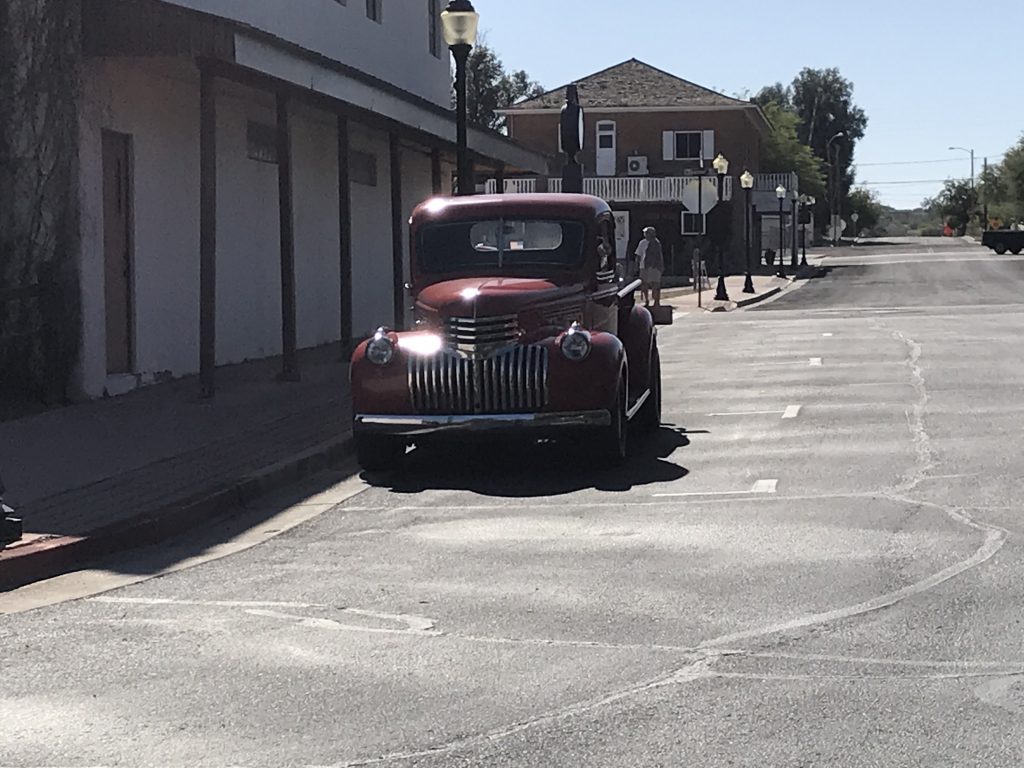
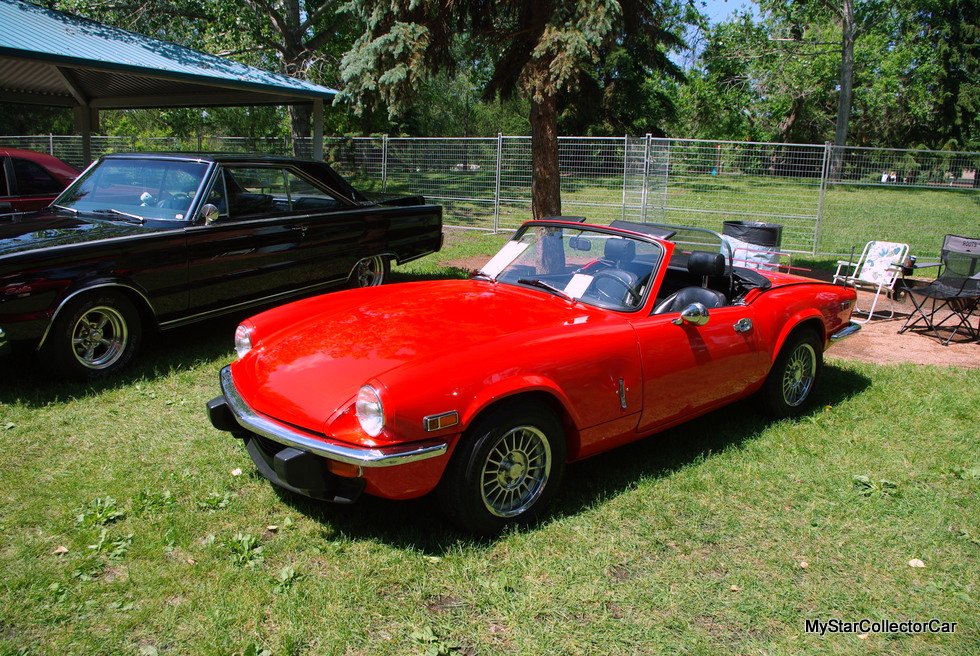
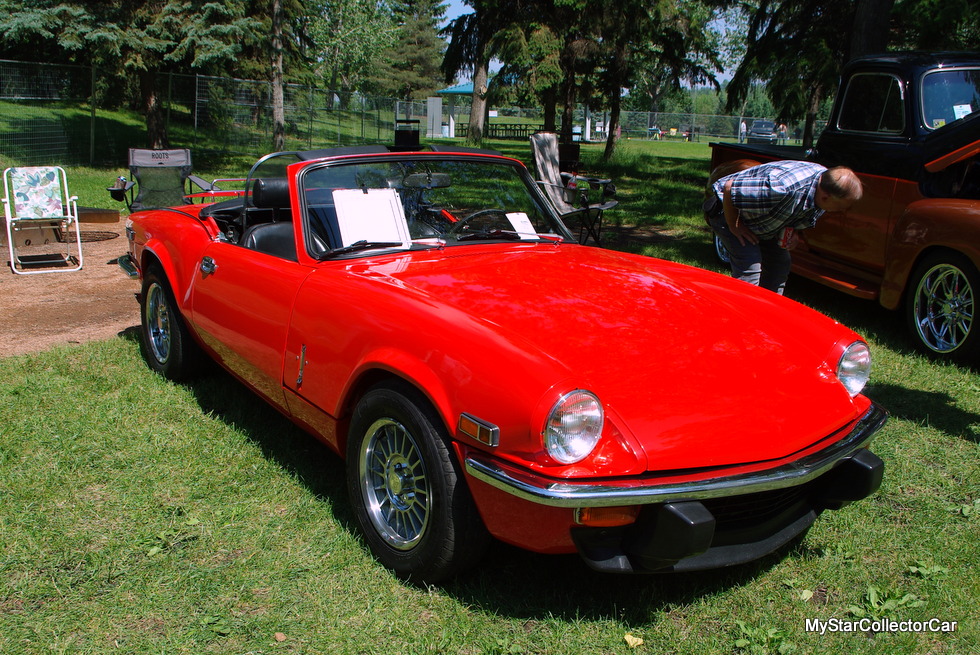
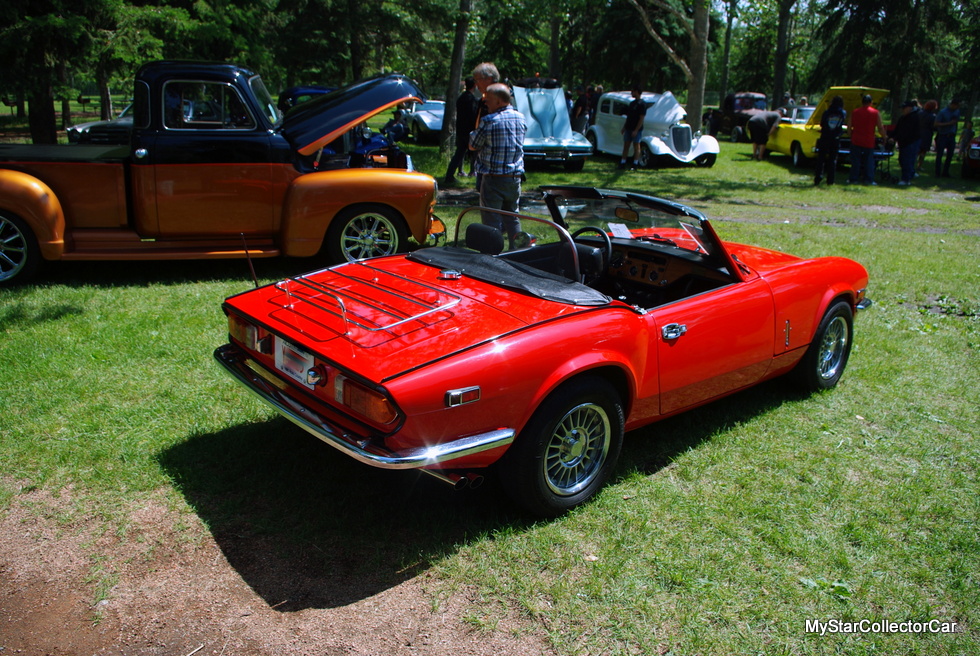
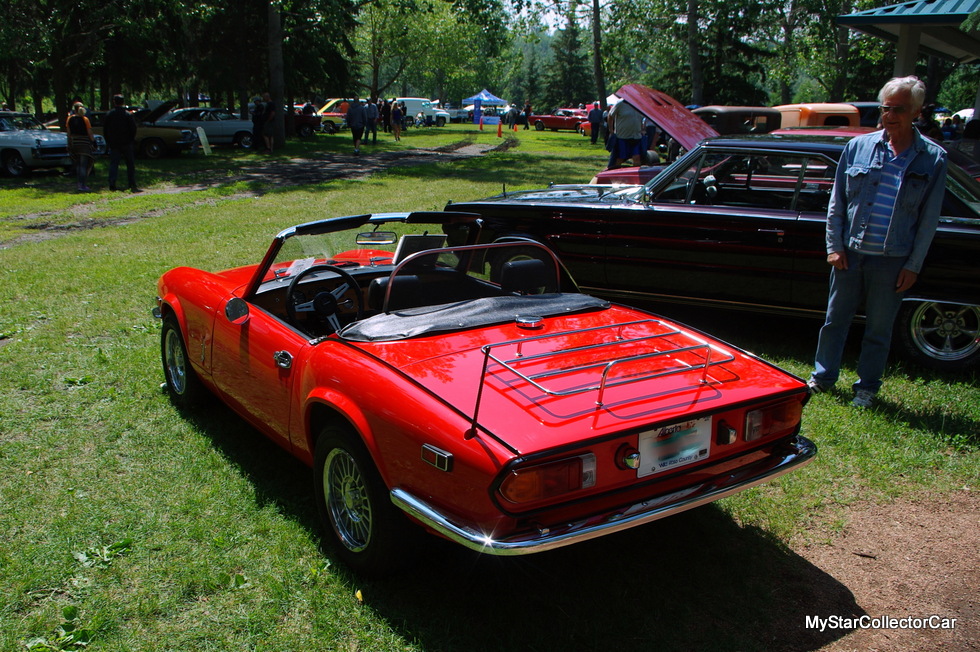
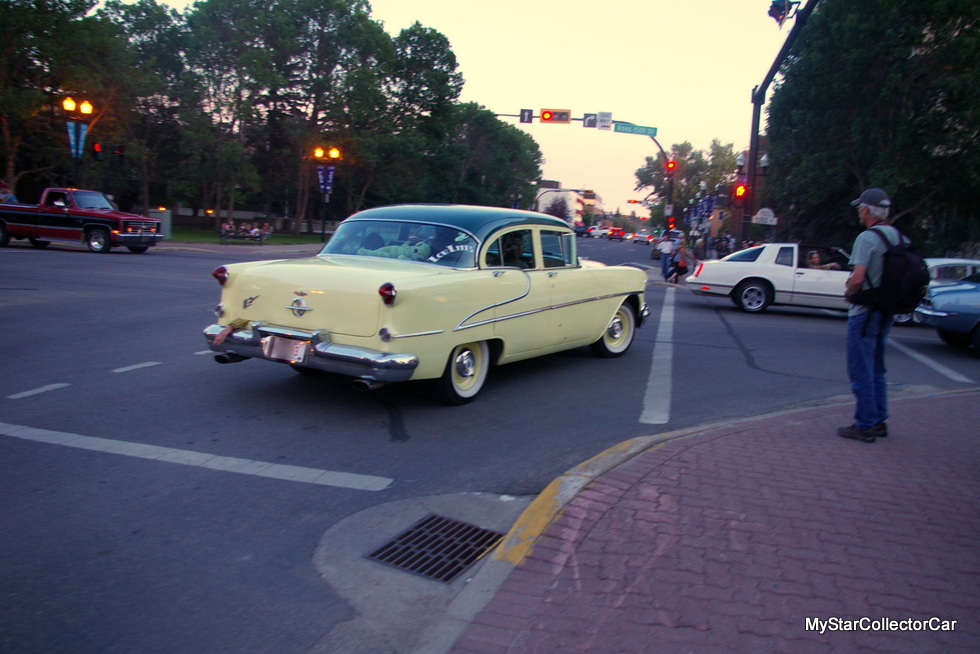
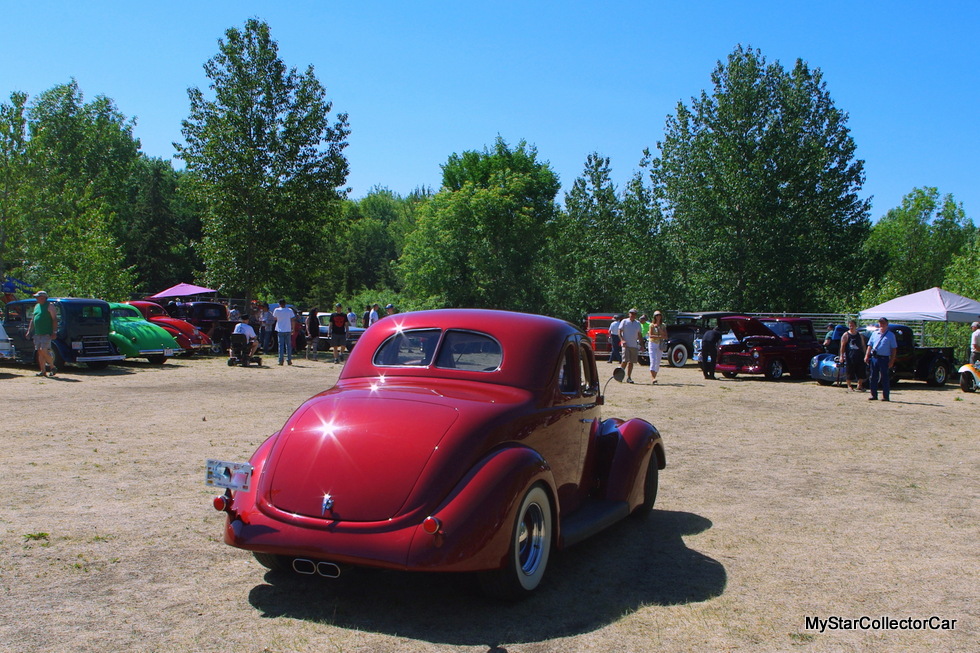
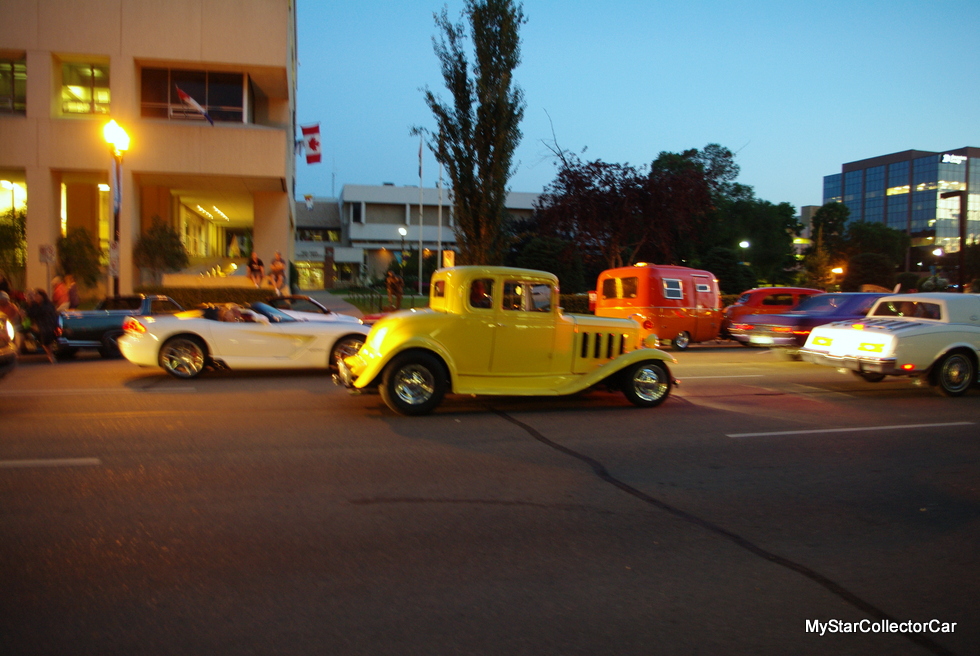
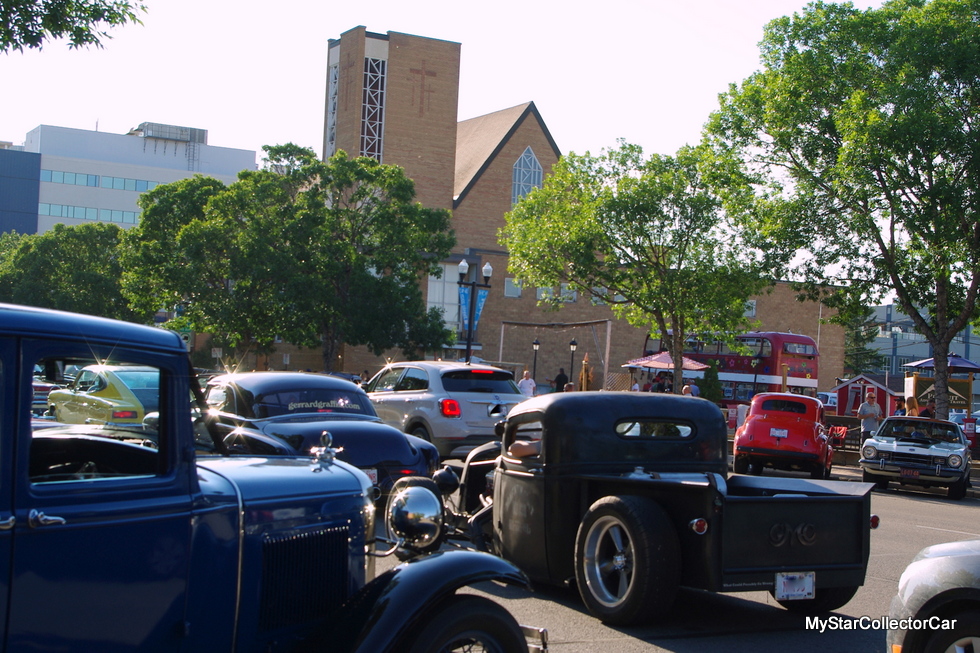
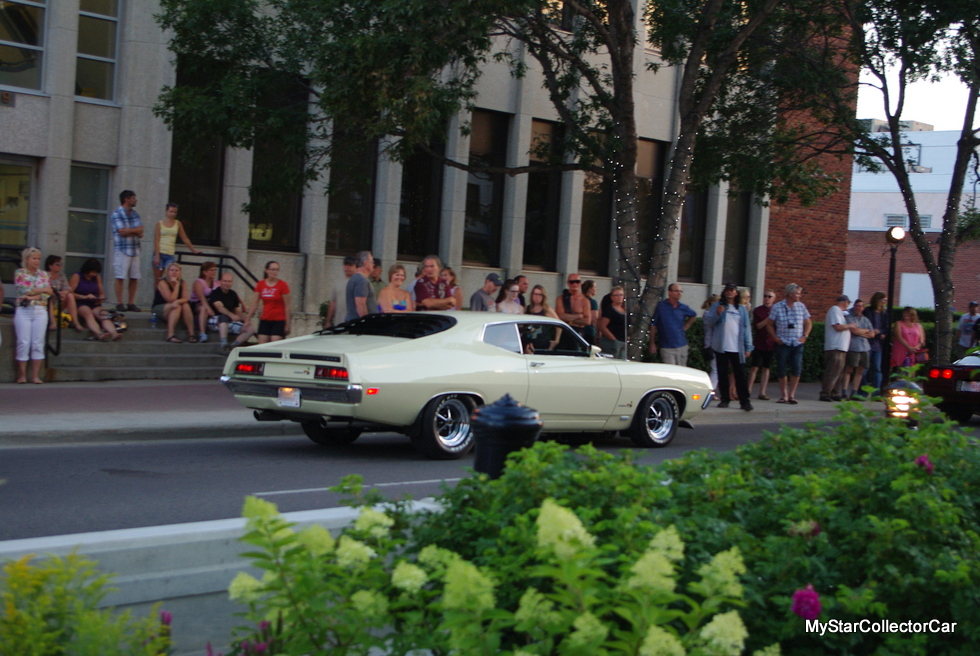
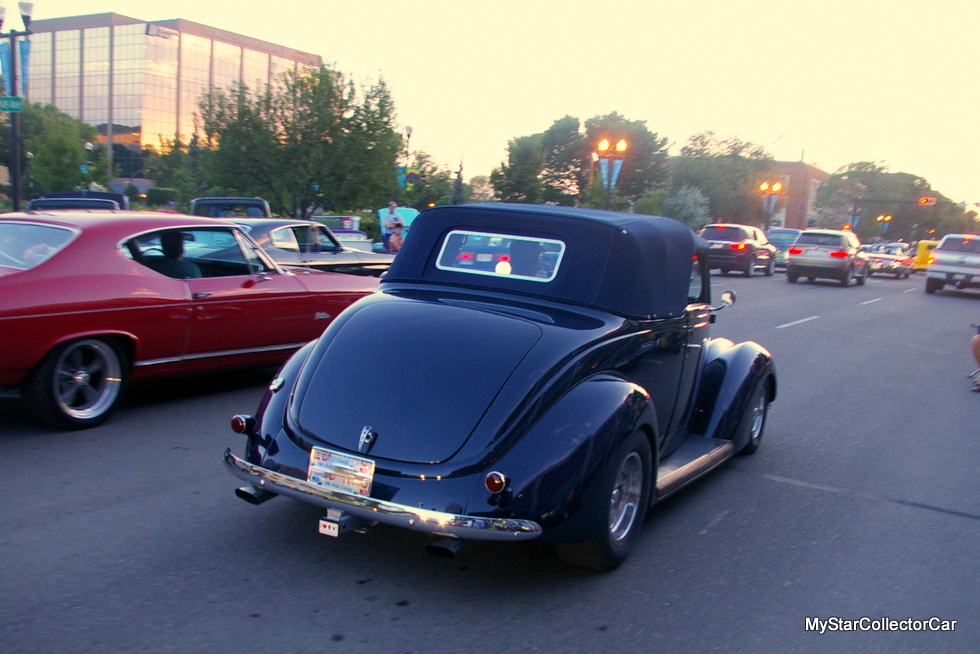
The car show season is long over in the northern latitudes but that doesn’t mean you can’t look back at some moments from past events.
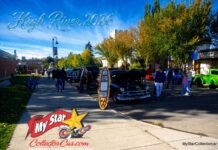
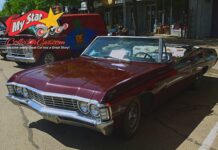
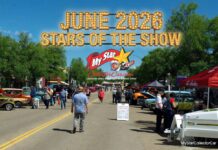
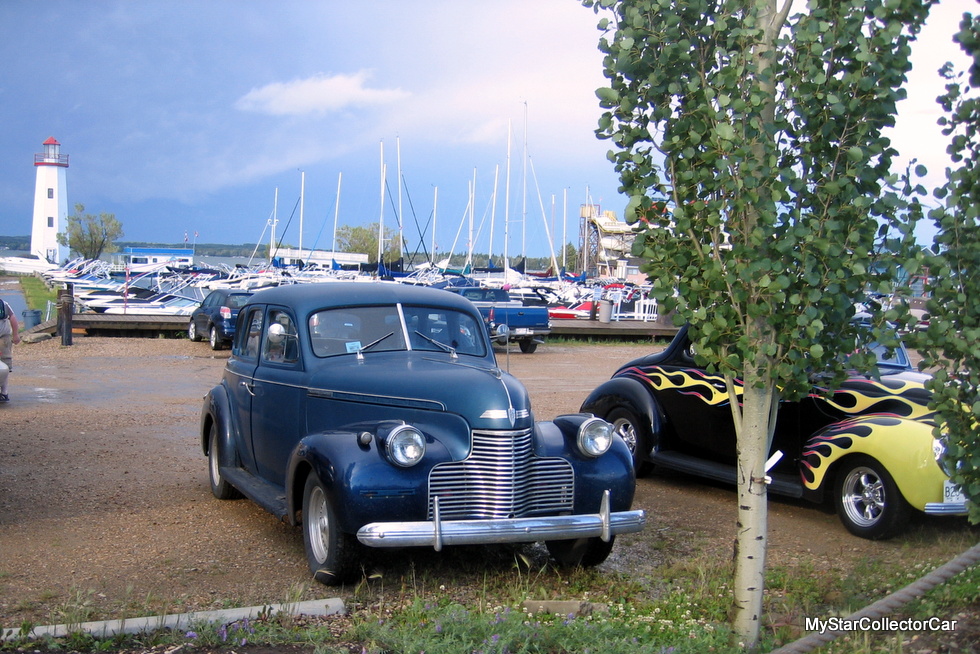
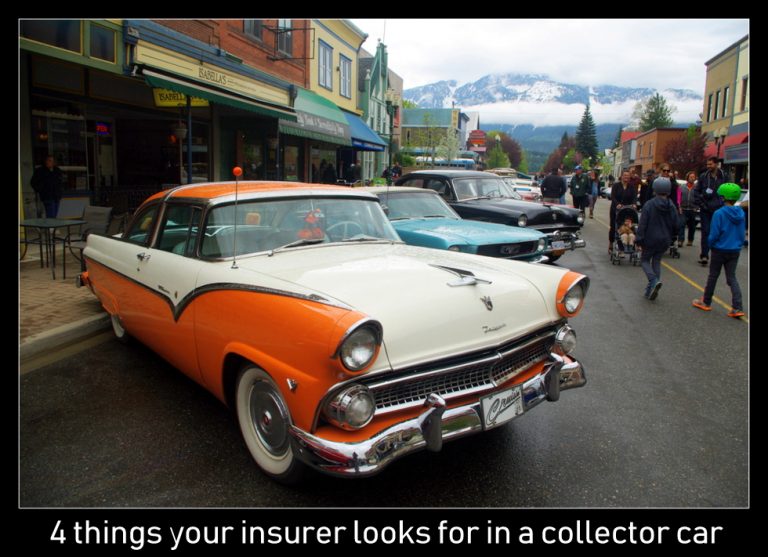
Some of these shows were in towns so small you could call them a village–like this one.
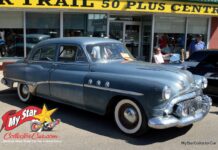
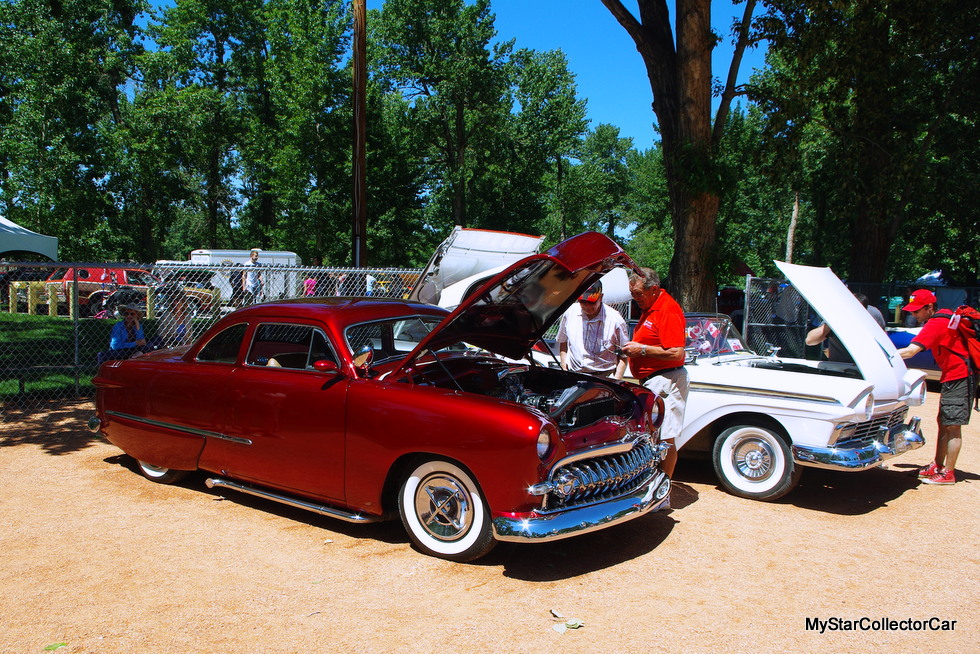
Others were in cities like this one.
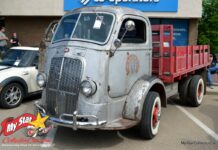
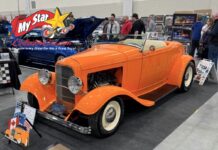
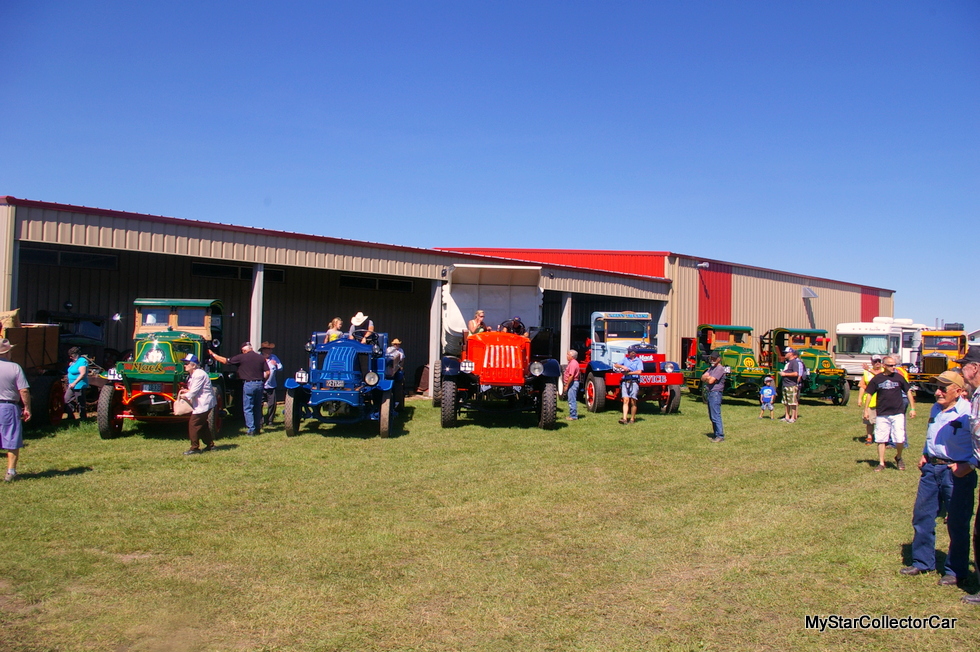
This show was held in a hamlet so it was even smaller than a village.
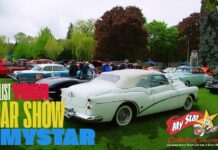
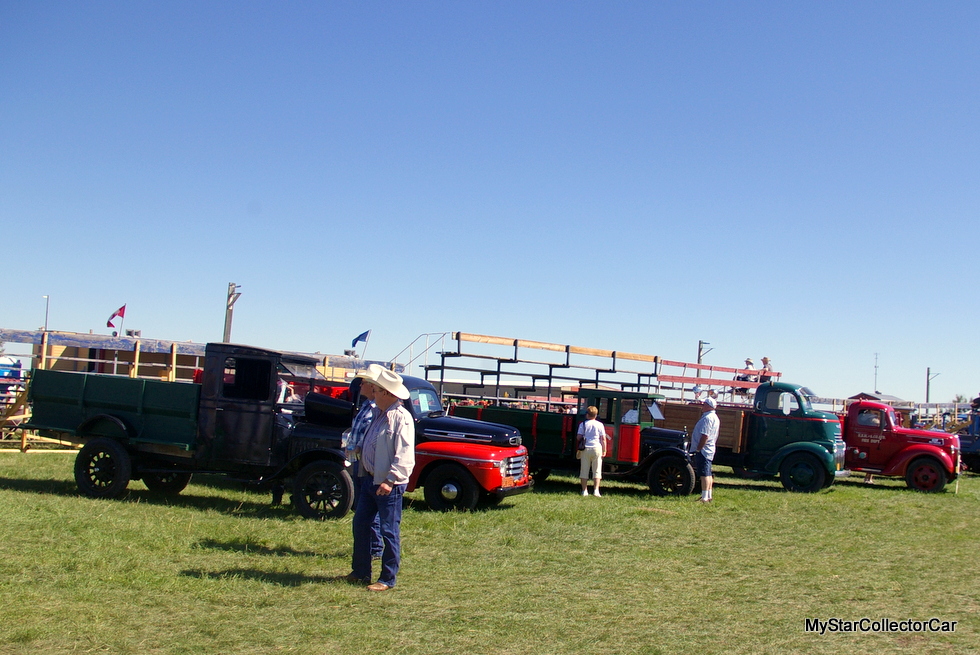
No matter what the venue, we all miss the car show season so here’s a look back at some good ones.
CLICK HERE for more information on how to advertise on the number one daily automotive e-zine in Canada
By: Jerry Sutherland
Jerry Sutherland is a veteran automotive writer with a primary
focus on the collector car hobby. His work has been published in many
outlets and publications, including the National Post, Calgary Herald,
Edmonton Journal, Ottawa Citizen, Montreal Gazette, Saskatoon
StarPhoenix, Regina Leader-Post, Vancouver Sun and The Truth About
Cars. He is also a regular contributor to Auto Roundup Publications.
This is the Christmas season so it’s time to start thinking about that Santa Claus list.
Your excitement may not be at the same off the dial/over the top/can’t sleep/too pumped up level it was when you were ten years old, but December 25th still carries weight with big kids too.
That’s why Santa needs this list of five really cool—and off-the-beaten path— TV and movie toy models to stuff in that stocking you hung with care over the fireplace.
Bear in mind these are not mainstream toys so you won’t find the latest version of the Batmobile in your stocking because Santa has a better plan. He wants you to be a leader—not a follower.
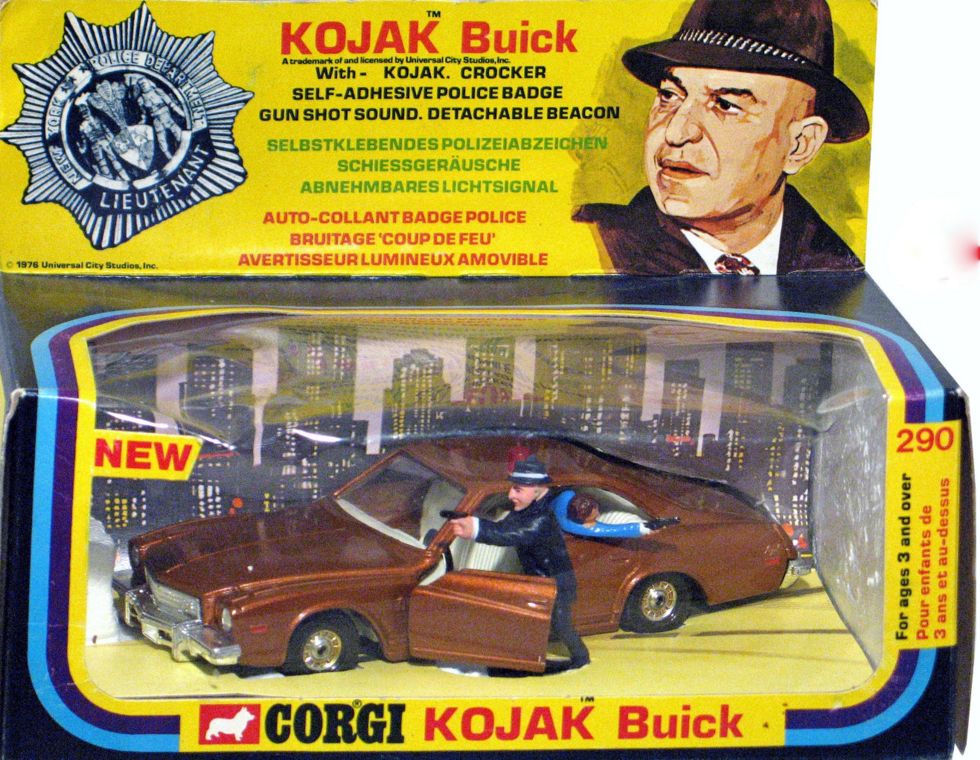
The first cool toy is the Kojak 1974 Buick Century unmarked police car. NYPD Lieutenant Detective Theo Kojak was played by Telly Savalas from 1973-78 and during that time he took a lot of lowlifes off the streets.
He arrested them, plunked them in the back of his nondescript Buick sedan and in the process he added some major cool factor to an otherwise unloved car. The best part is explaining to your 12-year-old nephew why the bald guy with the boring old car is cool in 2019.
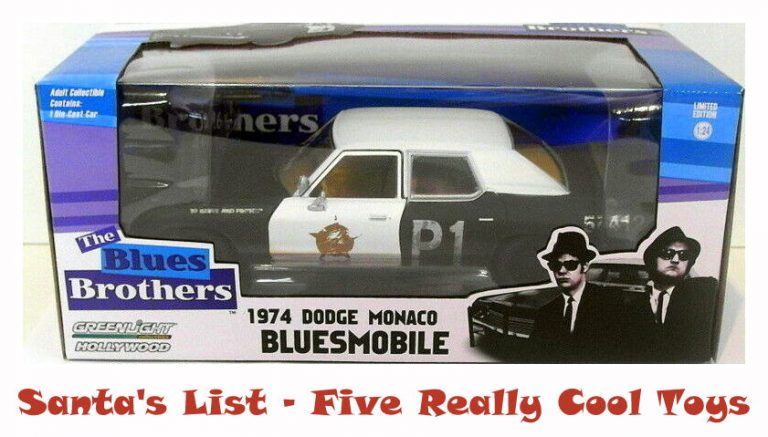
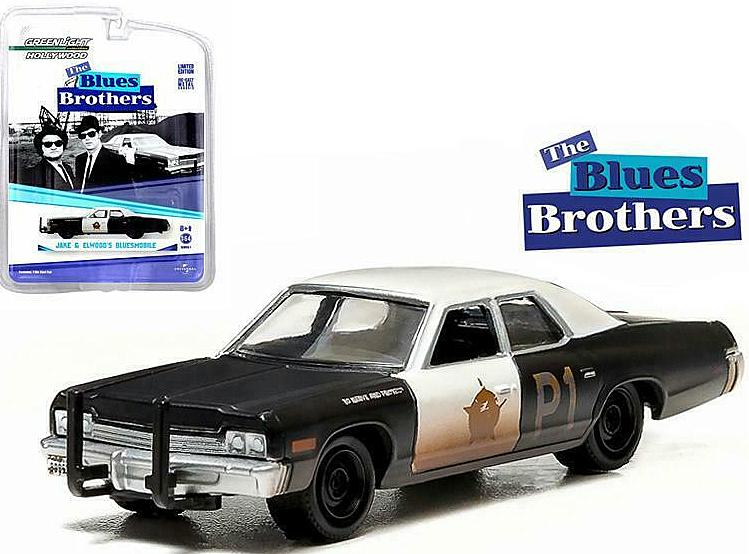
You might have better luck with the second toy police car because there’s a better chance your nephew has heard of the Blues Brothers via some vague connection with a cable TV comedy channel.
The Bluesmobile is a 1974 Dodge Monaco ex-police car and they made a pretty decent model of it to celebrate the heritage of this comedy classic movie. It would be a welcome sight on any Santa list.
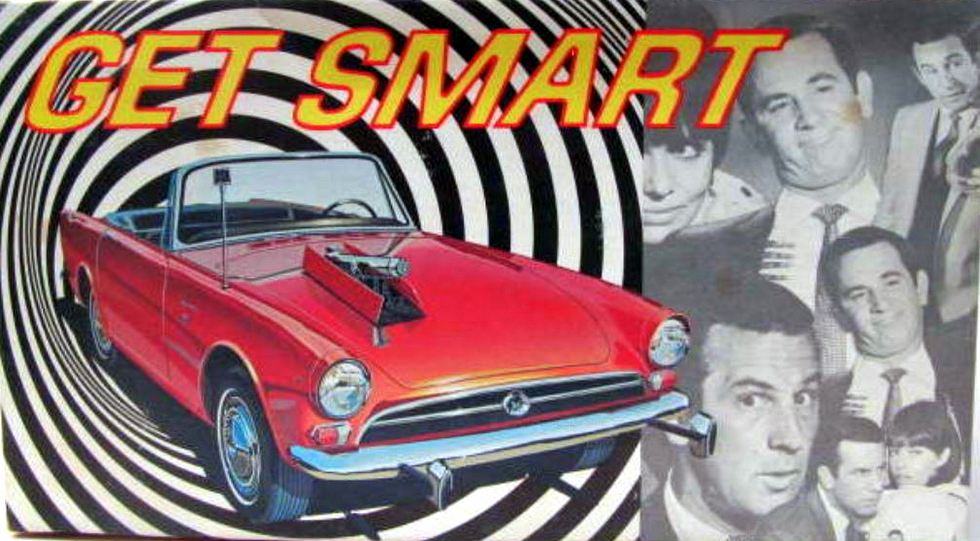
The original Maxwell Smart TV show featured a ’65 Sunbeam Tiger and it was a big hit with its viewers even though the car didn’t make it through the entire series.
Max had a number of spy toys in the car and most of them didn’t work or he didn’t know how to work them because he was a little clumsy and a lot stupid but a Maxwell Smart Sunbeam Tiger model is a great—and unusual addition to any Christmas stocking.
CLICK HERE for more information on how to advertise on the number one daily automotive e-zine in Canada
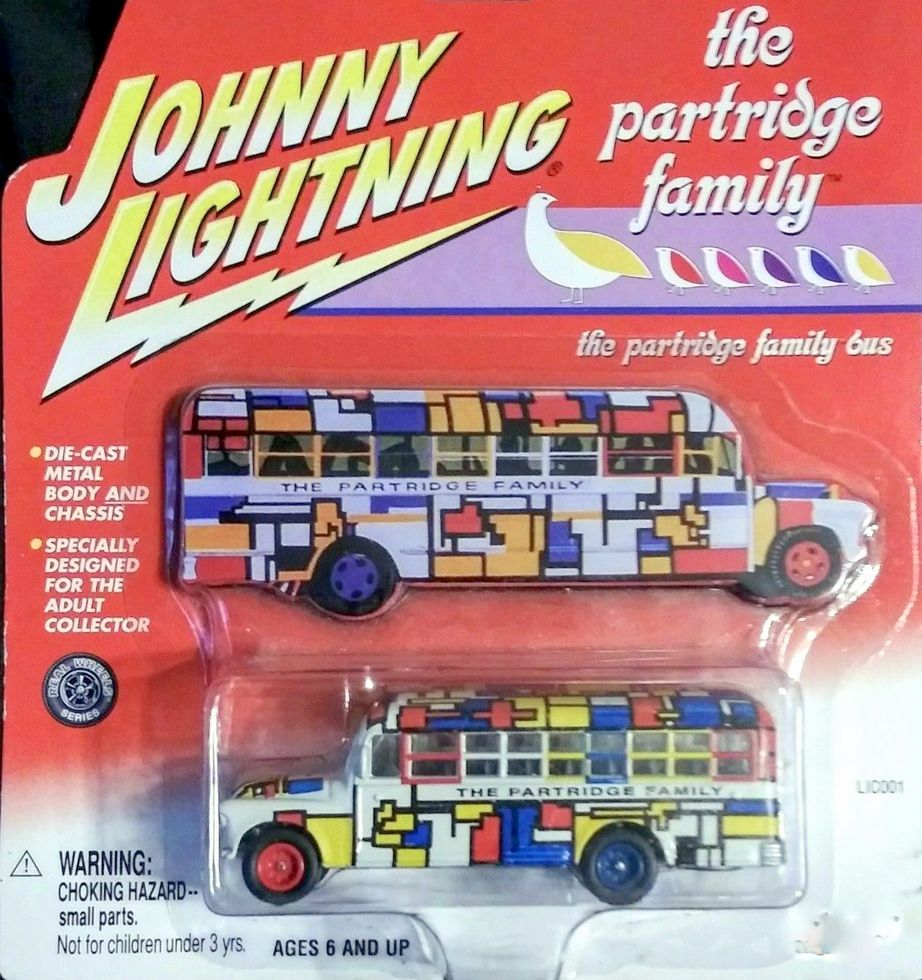
The next great stocking stuffer isn’t a car but it’s still a great choice for Christmas toys. It’s a model of the famous (in the 70s) Partridge Family bus. The bus (1957 Chevrolet) was full of Partridge kids on their way to gigs all over the country.
The show wasn’t remarkably good but the bus was pretty cool and there’s an excellent chance you will be the only guy within 2000 miles with a Partridge Family bus in your stocking on Christmas Day.
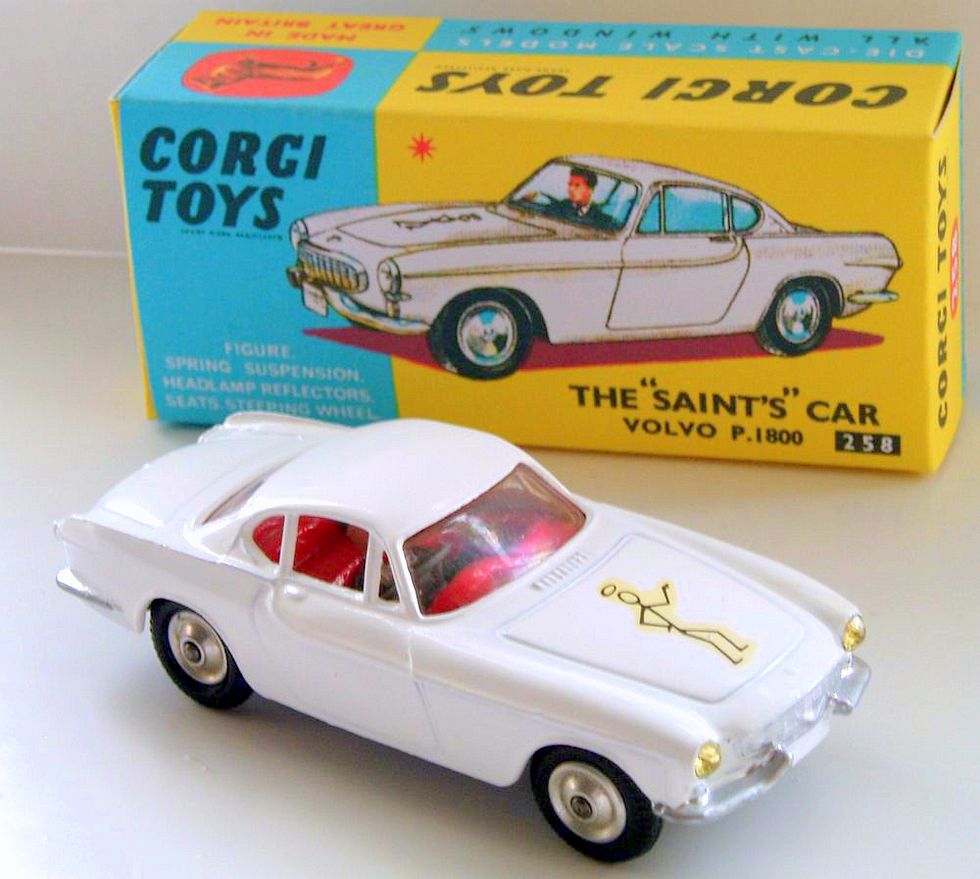
The next stocking stuffer is even less common than the Partridge Family bus. Simon Templar (played by pre-James era Bond Roger Moore) drove a 1962 Volvo P-1800 in the British TV series The Saint and yes, Virginia—they did build a model of this cool little Swede.
In this case, you will be the only guy within 3000 miles to have a Simon Templar Volvo P1800 in your stocking on Christmas Day.
Who says big kids can’t have a cool Santa list for Christmas?
Jerry Sutherland
Jerry Sutherland is a veteran automotive writer with a primary
focus on the collector car hobby. His work has been published in many
outlets and publications, including the National Post, Calgary Herald,
Edmonton Journal, Ottawa Citizen, Montreal Gazette, Saskatoon
StarPhoenix, Regina Leader-Post, Vancouver Sun and The Truth About
Cars. He is also a regular contributor to Auto Roundup Publications.
Dave Hoffman has been a quarter mile car builder since the early 1960s-even before he served his country in Viet Nam with the 101st Airborne.
He still has a hot rod heart and continues to build his Fords into road and track beasts.
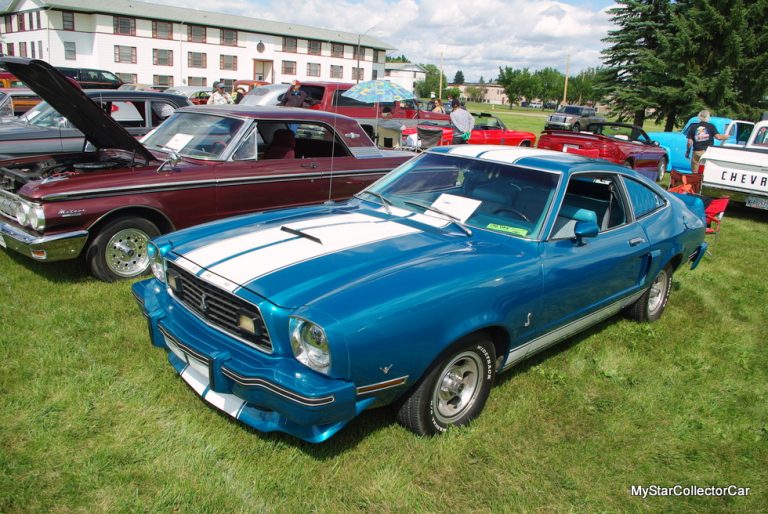
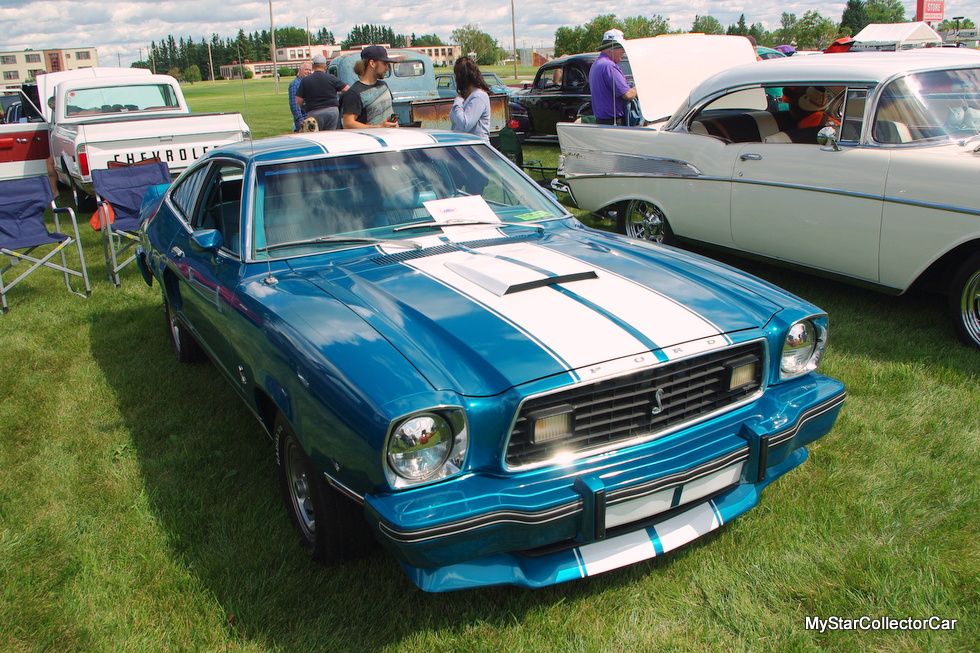
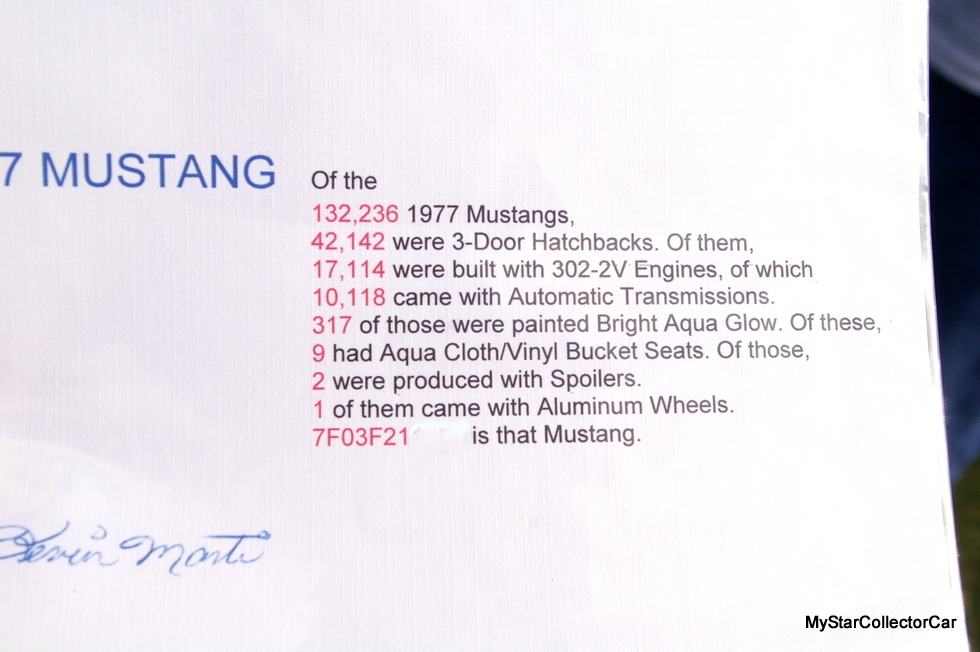
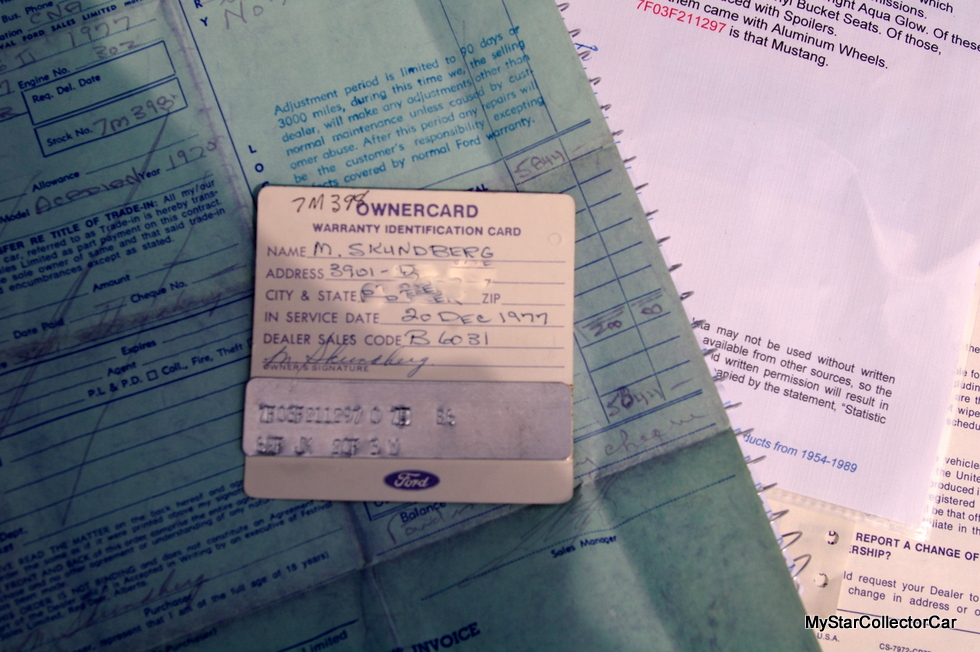
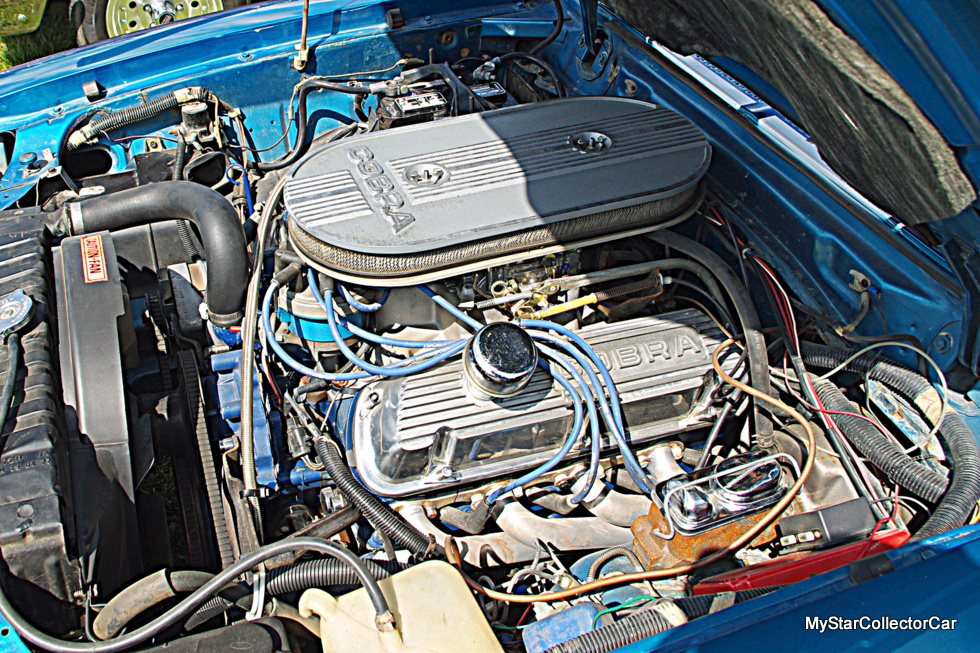
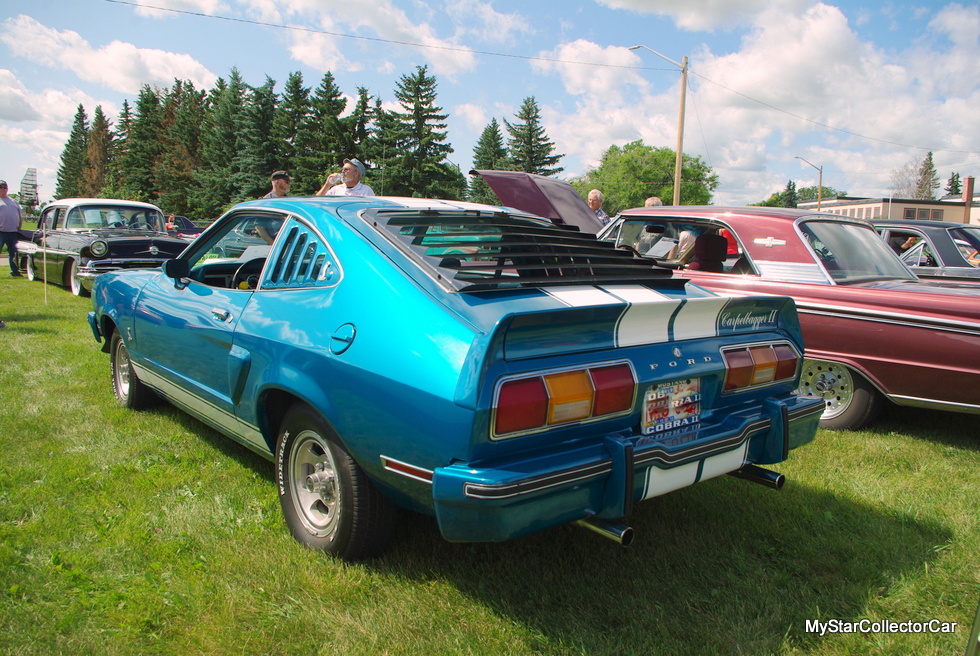
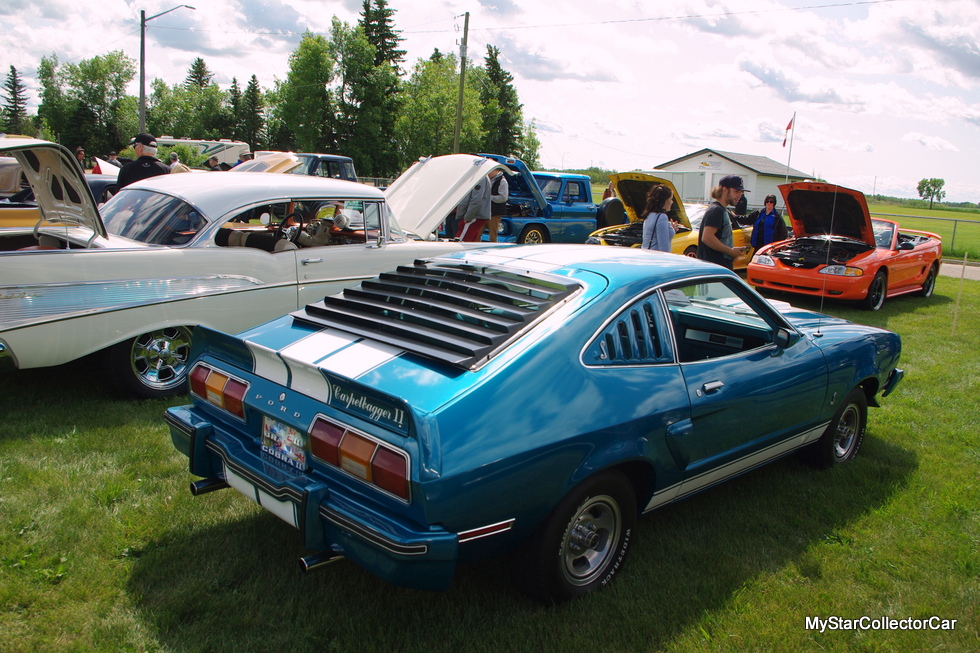
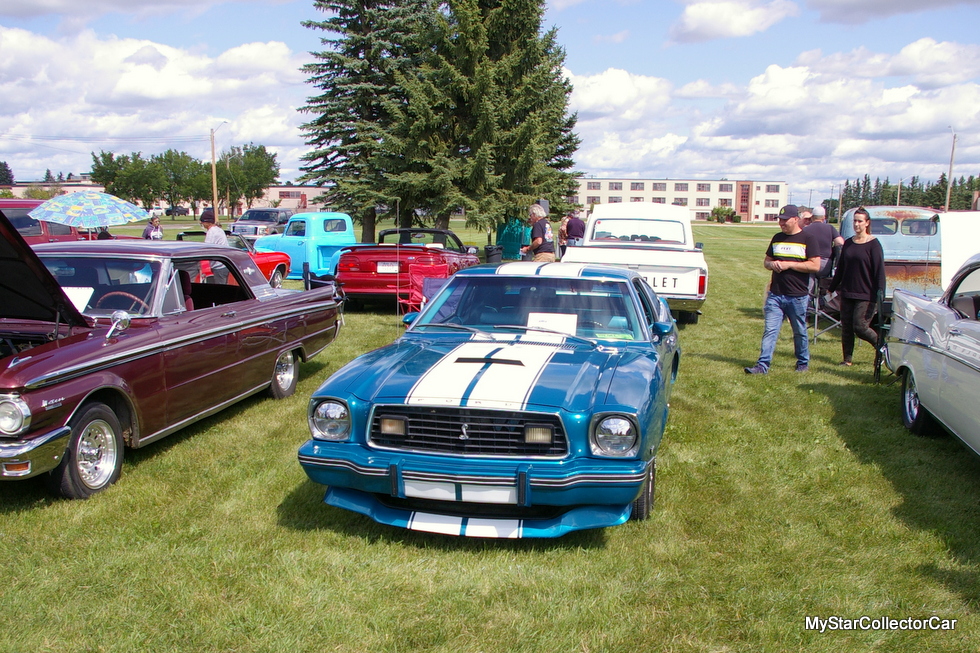
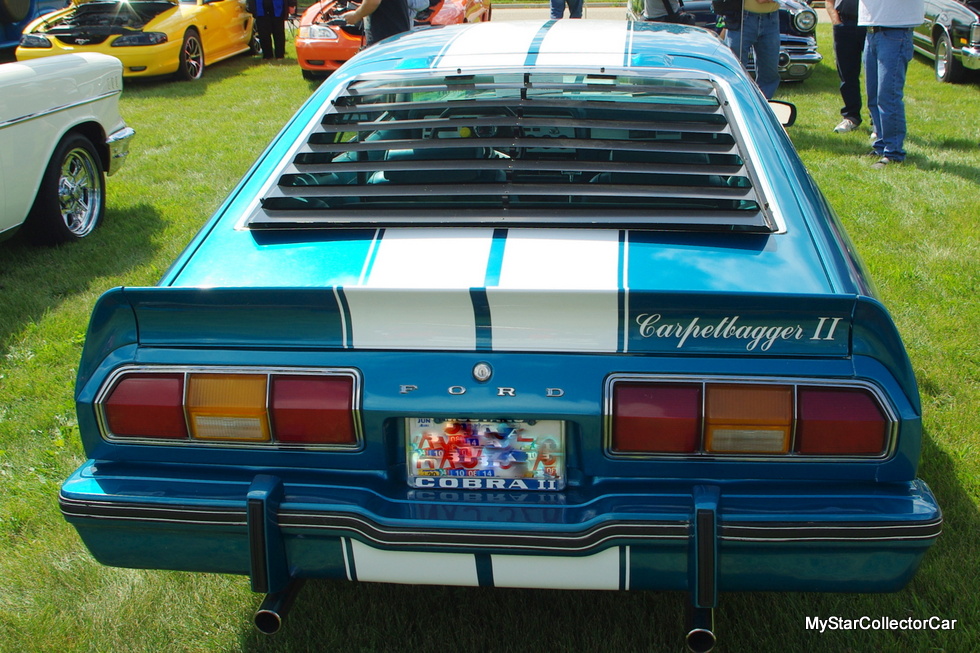
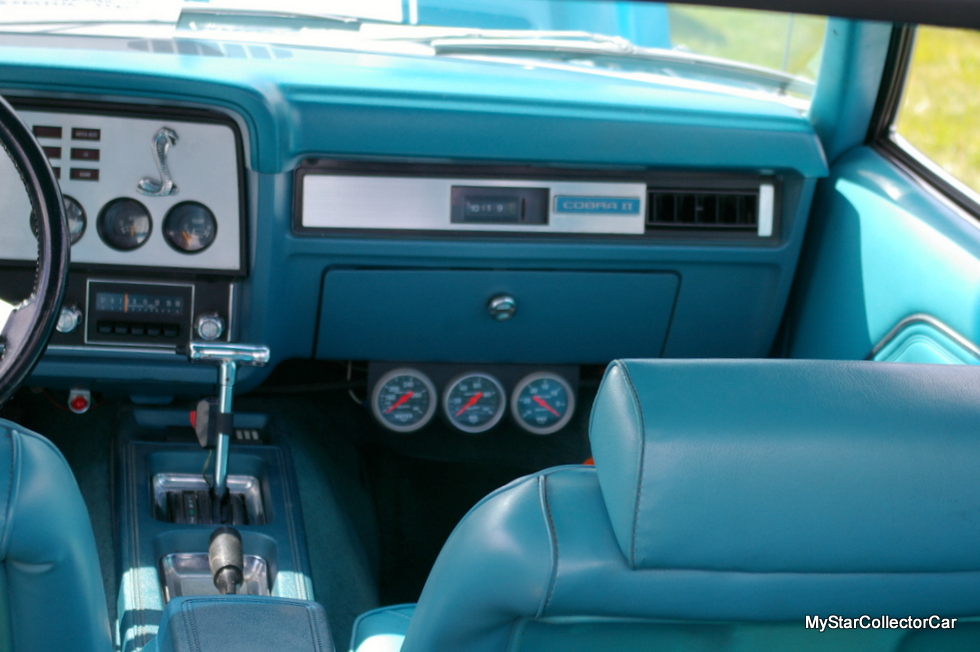
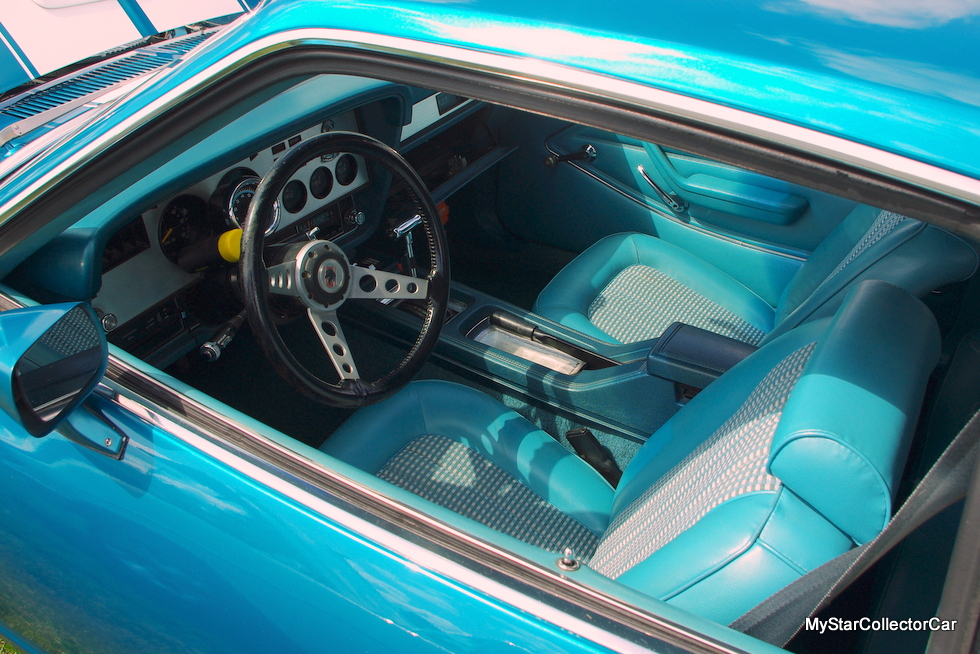
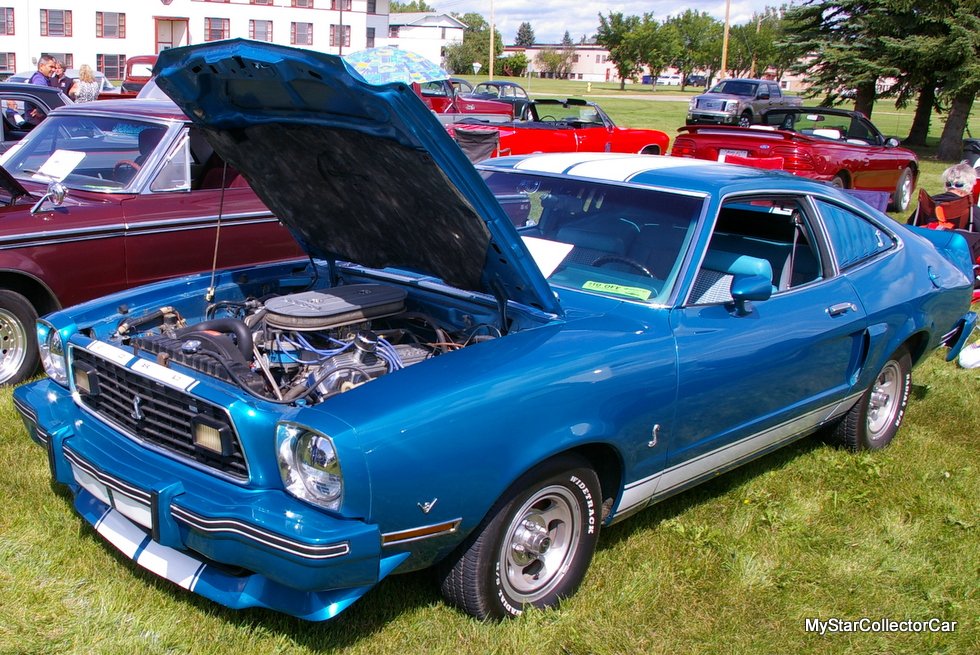
Dave’s Ford stable includes a 1977 Mustang II Cobra tribute car that has also been categorized as a rare order vehicle by its Marti Report. In fact, this Mustang II is the only model of its kind that was ordered with its specific options. The kicker in the equation was the aluminum wheels that are not found on any other factory order Mustang II in 1977.
The car was purchased by its original owner from a local Ford dealership after the serviceman who originally ordered the car was transferred to eastern Canada. Its first owner was able to buy the Mustang II from the dealership when the original buyer’s deal fell through and she owned the car until Dave purchased the car in the early 1990s.
The original order made by the serviceman included the Cobra tribute badges, according to Dave.
Dave is a retired tradesman in the heating field and met the first owner through a job at her place. The Mustang II had its striking blue paint job and its 302 small block engine also caught Dave’s attention and he was able to negotiate a sale with the first owner.
Dave had an interesting game plan for his Mustang II because he wanted to make it into both a street and a track car.
He replaced the original block in the car with a period-correct engine that had a manufacturer’s date within hailing distance of the original block. Then Dave began to tweak the performance in the engine.
Dave told MyStarCollectorCar his 302 performance upgrade was likely the first 347 Stroker conversion built in Canada and included a Boss 351 crankshaft built to fit the block. The major horsepower boost required better traction so Dave put Panhard bars on the back end to handle the extra ponies at the track.
As mentioned, Dave had an interesting game plan for his Mustang II because he also wanted to retain as much originality as possible during the project. The car still has its original C-4 automatic transmission, although it now sports a shift kit because Dave raced the Mustang II for 17 years.
The Mustang ran a 12:90 quarter mile at around 106 mph-and Dave mentioned that he drove the car to the track-even though its 3:55 rear end meant the car was working pretty hard on the highway.
The performance improvements included a free-breathing header system with cutouts for the track.
Dave told MyStarCollectorCar his rare Mustang II“could be put back to stock form” if that was a desired game plan, but he likes to bring out the best in his four-wheeled beasts so he will continue to drive the car on the street.
His originality angle included the interior because Dave only replaced the material on the driver’s seat. Dave even retained the manufacturer’s door gaps on the Mustang II after he noticed the same gaps on another ‘77 Mustang 11 built only ten days before his car.
Dave added a few other features, including a rear window valence and side scoops into the mix because he likes the look on his Mustang II. The add-ons are also easily removable in case the next owner wants to transform the car back into an original model.
These days Dave is building his 1977 Mustang II memories on the road instead of the track and he wouldn’t have it any other way.
BY: Jim Sutherland
Jim Sutherland is a veteran automotive writer whose work has been
published by many major print and online publications. The list
includes Calgary Herald, The Truth About Cars, Red Deer Advocate, RPM
Magazine, Edmonton Journal, Montreal Gazette, Windsor Star, Vancouver
Province, and Post Media Wheels Section.
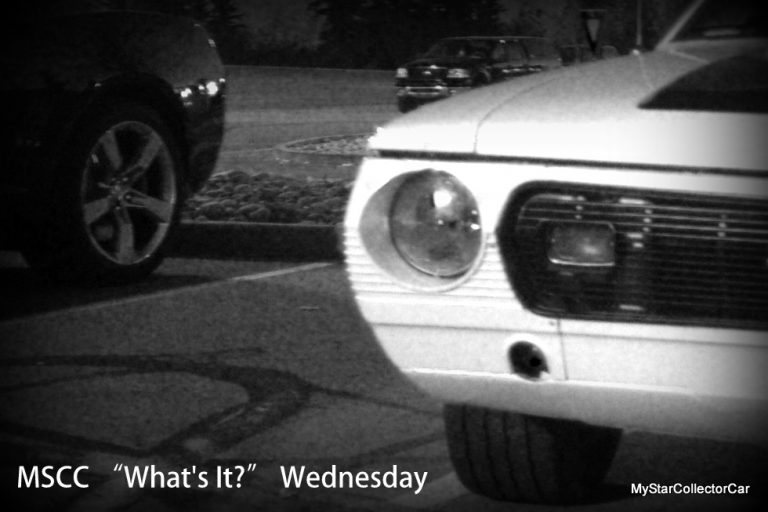
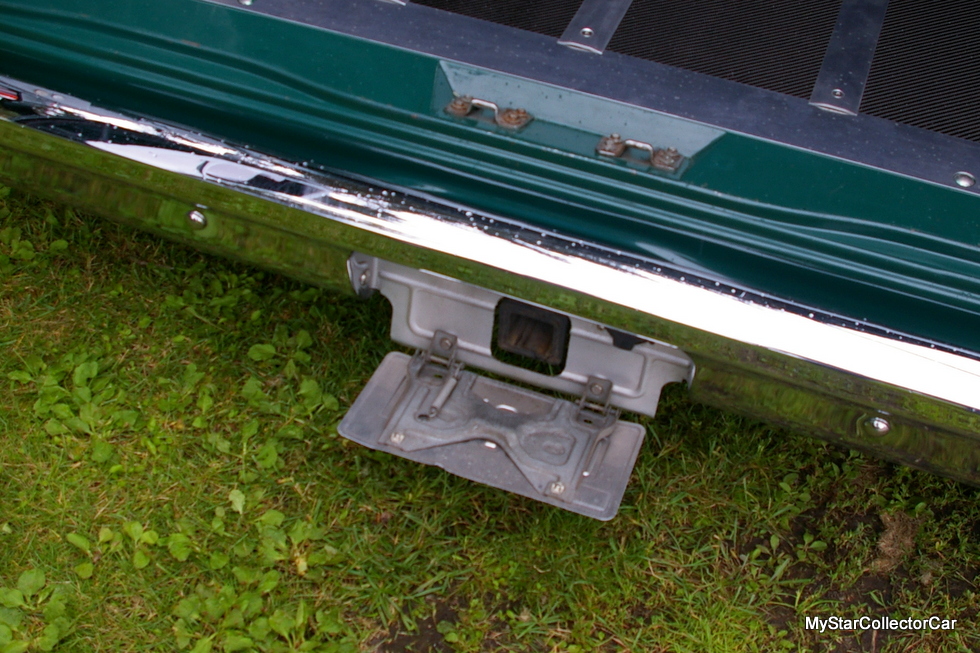
“What’s It?” Wednesday follows a typical pattern of headlights, taillights…all around the car.
This second clue is obviously the taillight so the answer to the puzzle should be found at the front and back of the car.
Look for the answer below on Thursday.
It’s a 1974 Gremlin X.
By: Jerry Sutherland
Jerry Sutherland is a veteran automotive writer with a primary
focus on the collector car hobby. His work has been published in many
outlets and publications, including the National Post, Calgary Herald,
Edmonton Journal, Ottawa Citizen, Montreal Gazette, Saskatoon
StarPhoenix, Regina Leader-Post, Vancouver Sun and The Truth About
Cars. He is also a regular contributor to Auto Roundup Publications.
How does your insurance company evaluate your collector car?
Collector cars are a much different game for your insurance company because insurance for your 50s classic car is located in a much different world than your brand new Honda Ridgeline.
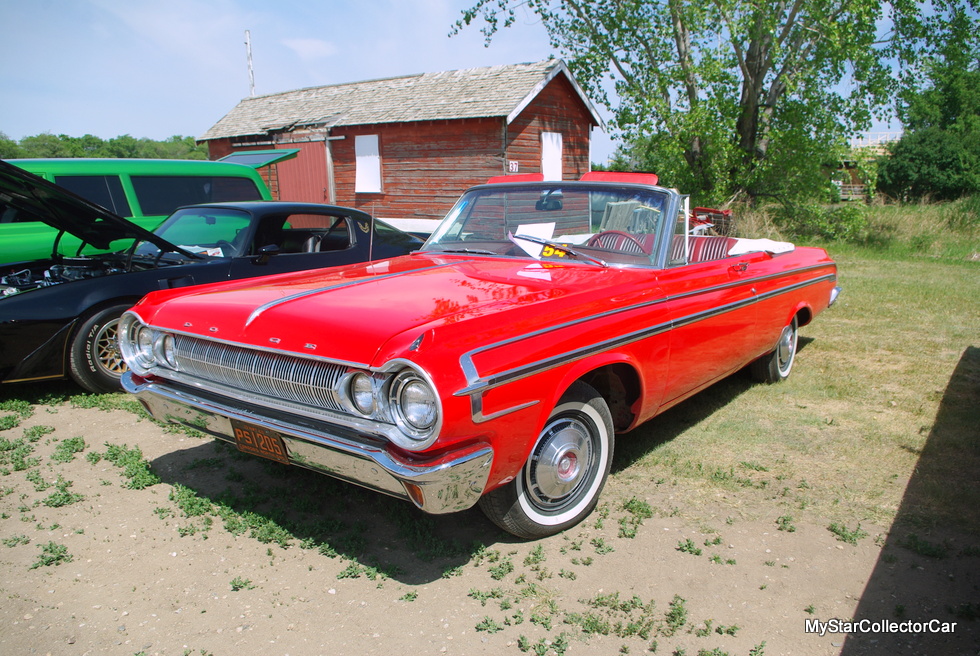
So what exactly are they looking for in Insurance Land when you want to insure your ’64 Dodge Polara?
Bryce Walsh is the Regional Account Executive for Hagerty Insurance and he’s based out of Calgary, Alberta, Canada. Bryce gives weekly seminars to Alberta brokers and one of his duties is to explain the collector car world to them because there are significant differences between regular insurance and collector car insurance.
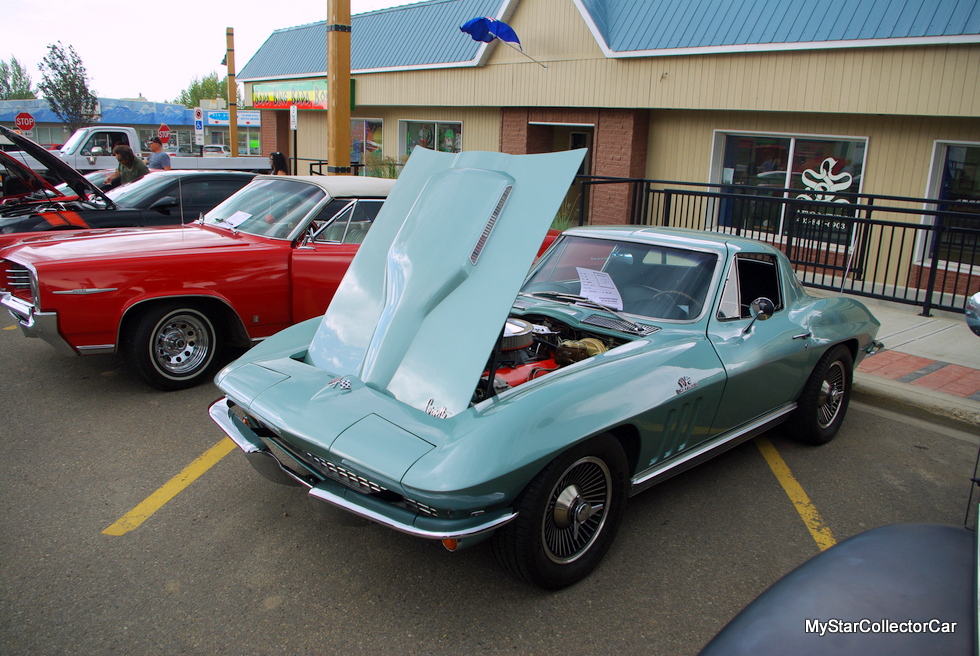
He breaks it down to four basic points when he explains collector cars to Hagerty Insurance brokers. These are important things for you to learn as a customer because you should know where your broker stands when you talk to him about insuring your classic Vette.
The first one is “how rare is your old car?” Bryce explained rarity this way.
“Rarity basically
means a limited run of these vehicles and there were only so many made in the
world but another thing that can make a vehicle rare is maybe it was built by
somebody famous or maybe it was owned by somebody famous.”
Number two is all about popularity with collectors in the hobby.
“Vehicles being
actively bought and sold by collectors—you can see a lot of this action in the
large auctions in North America and
overseas but you can also tell by the price guides and some of the publications
out there.”
Number three is all about consistency.
“Consistency means
vehicle that has held its value or maintained its value over time. A lot of
vehicles suffer from depreciation when they first come off the lot. Collector
vehicles though, have a way of rebounding back and starting to rise in value is
what we see.”
Number four is about how much you drive your beloved old car.
“It’s not a daily
driver. This is probably the most crucial element of what makes a collector car
collectible. It’s not being driven to work, it’s not getting groceries—the
collectors are keeping the mileage low.”
Collector car insurance is a growth industry so Bryce’s information is pure gold because you need to know how your broker is trained to approach the world of classic cars.
Vintage Chevy trucks are a very popular part of the collector vehicle hobby.
“Vintage Chevy panel trucks are a very rare part of the collector vehicle hobby so MyStarCollectorCar seizes every opportunity to interview a Chevy panel truck owner whenever we have an opportunity.”
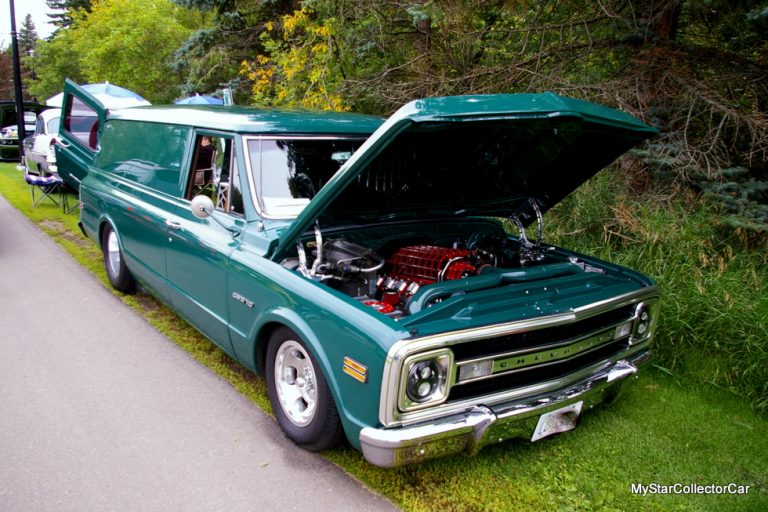
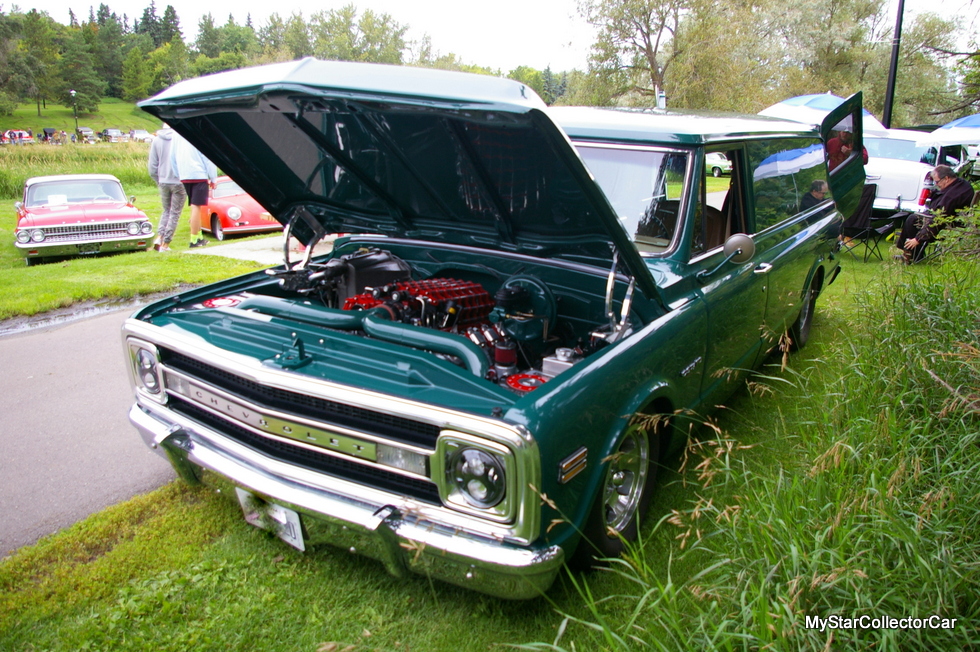
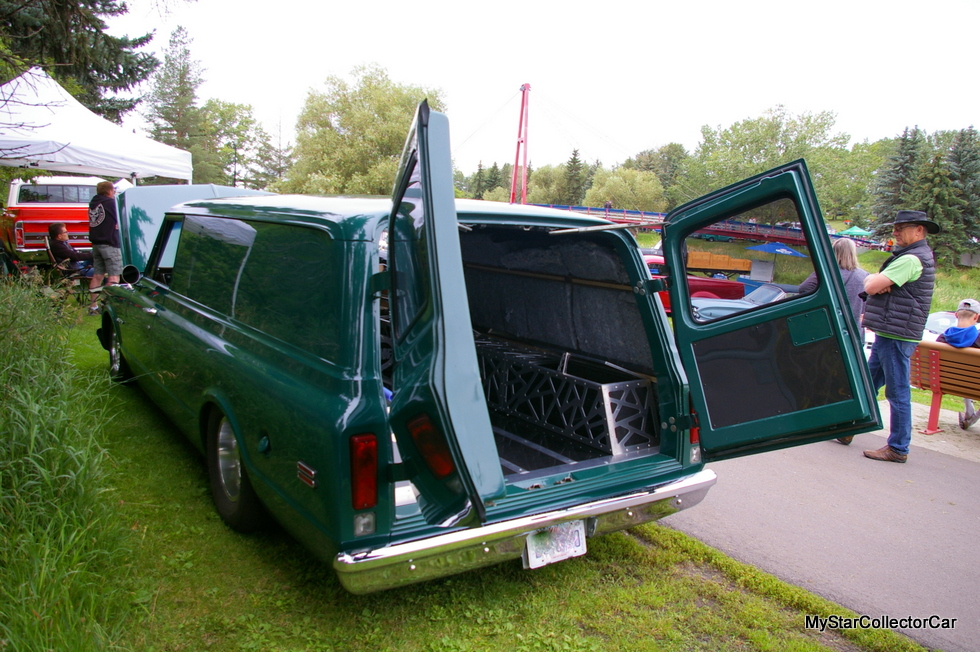
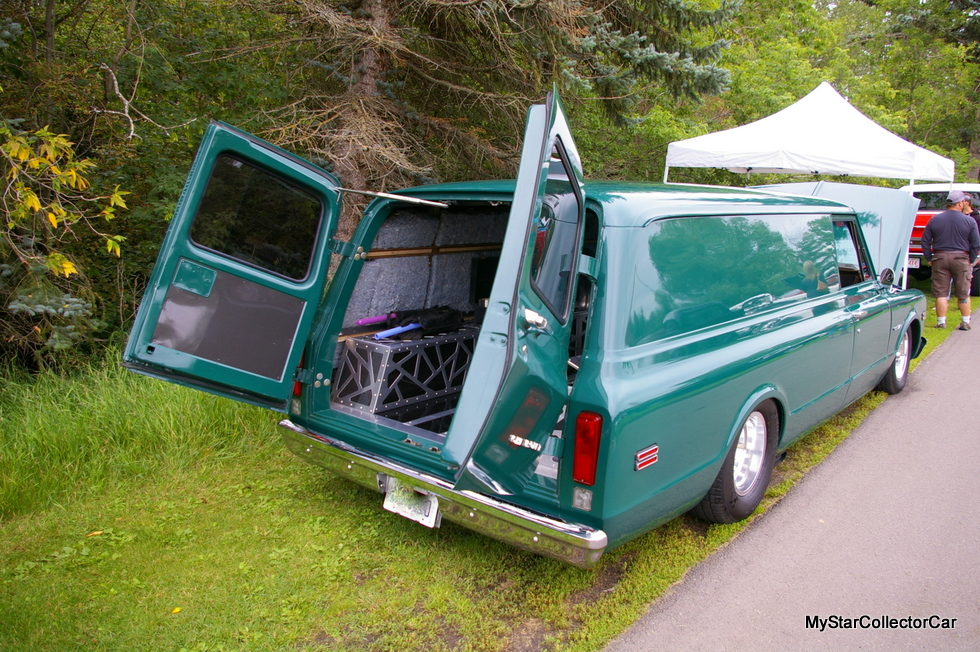
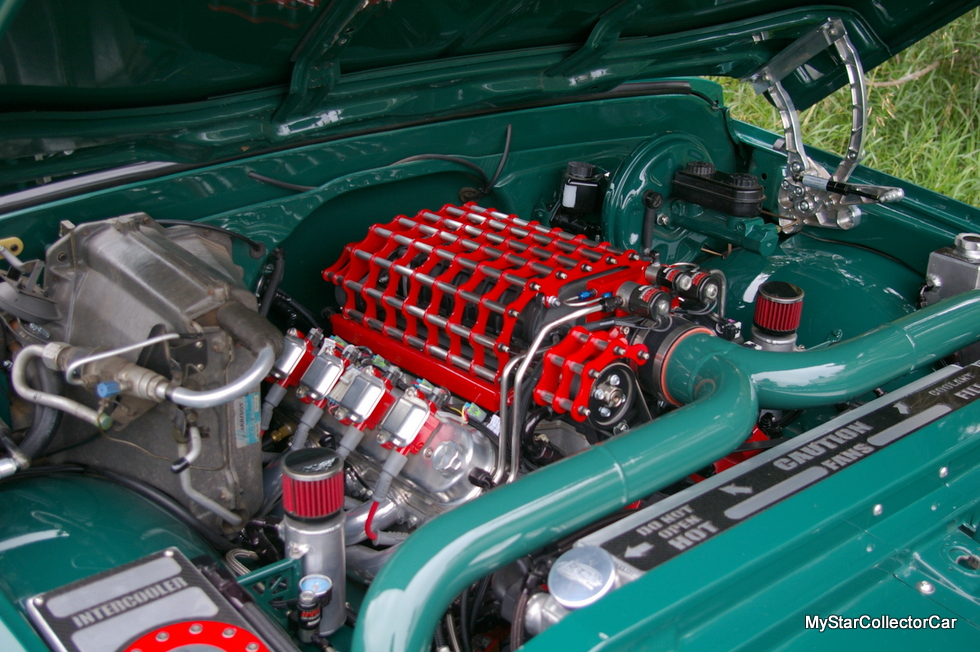
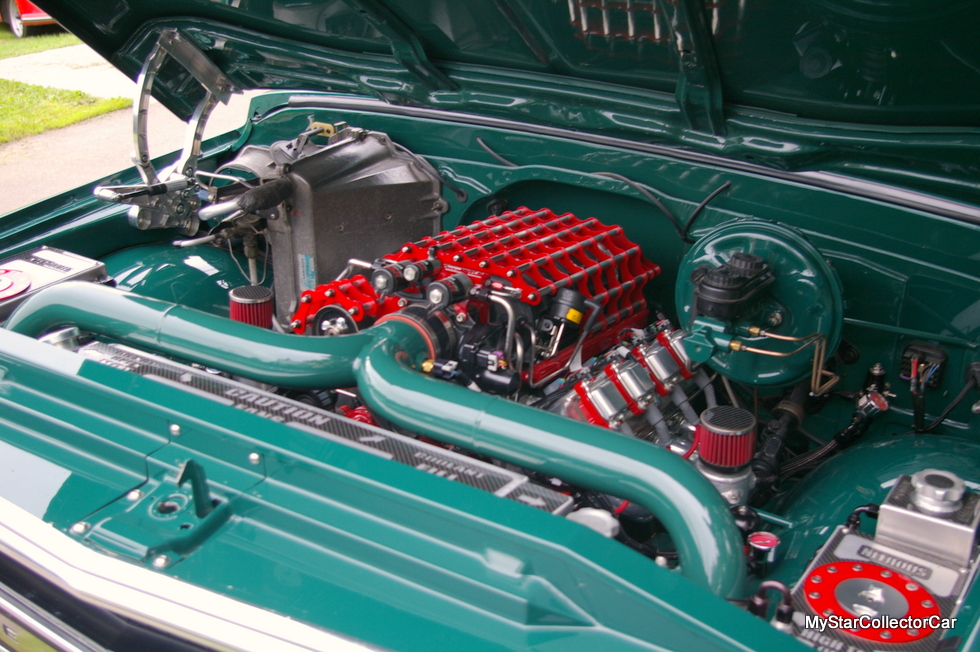
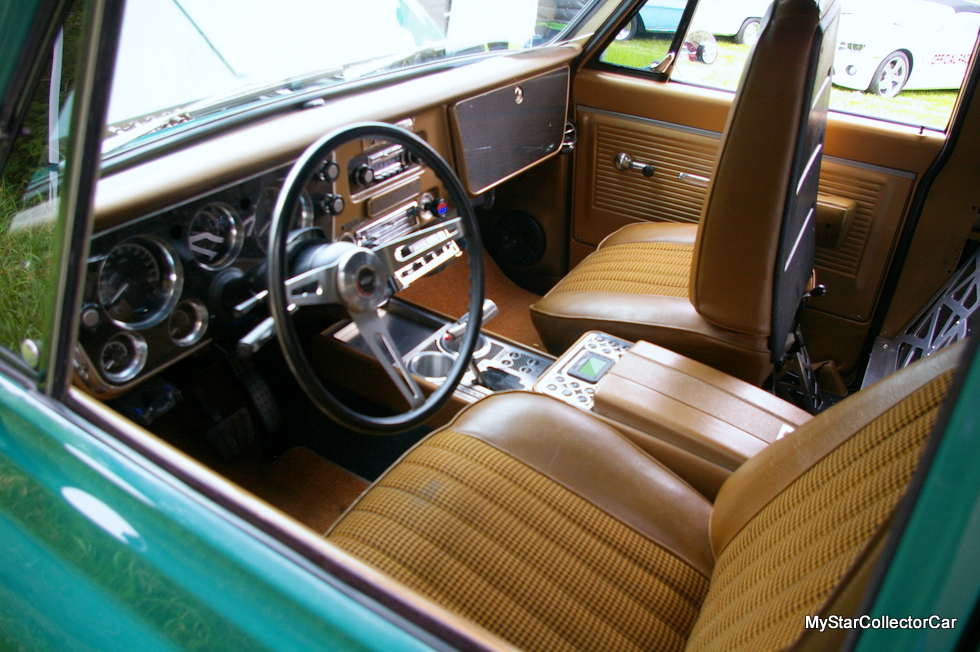
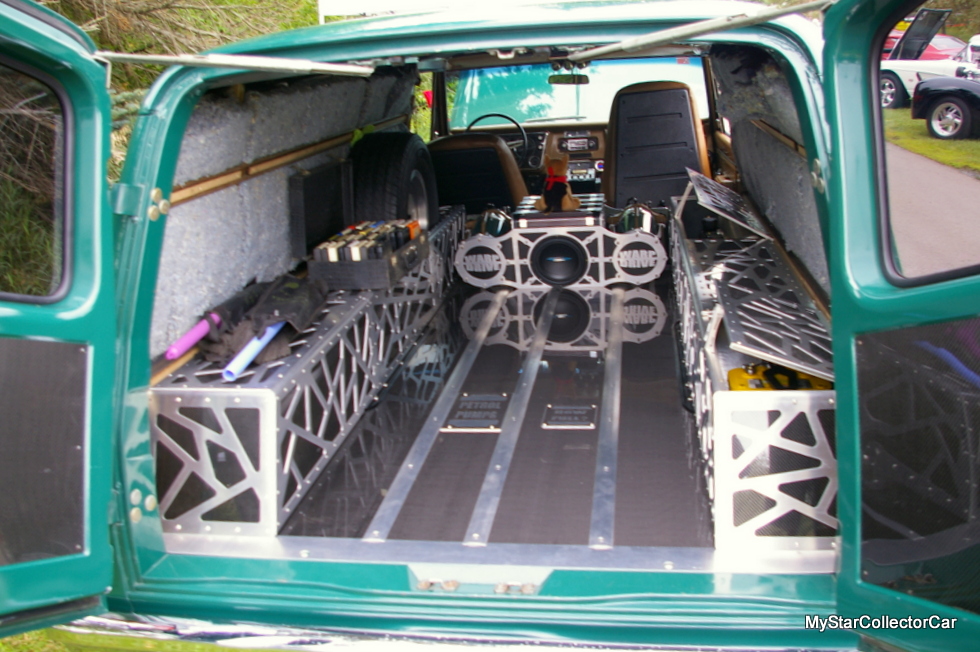
Kim Gough is the owner of a 1969 Chevy CST/10 panel truck that he has transformed into a fast, furious and very cool road beast. The project is still ongoing, according to Kim, but he has created a stunning combination of old school style and new age performance with his panel truck.
Kim mentioned he has a Starsky and Hutch Ford Torino and attended a car show with it about four years ago when he spotted the ’69 Chevy panel. He bought the truck on the spot from its former owner and began to build his vision of a resto mod with his new purchase.
Kim said he leans toward unusual vehicles because he sees “plenty of Tri-Fives and Camaros” at shows and decided he wanted to blaze his own path in the hobby. A 1969 Chevy panel truck fit the bill perfectly for him in the unusual vehicle department and he was able to transform it into a beast over the ensuing years.
The Chevy truck had a major heart transplant and now sports a supercharged Corvette LS1 engine that Kim estimates is very significant at the rear wheels. He intends to add a nitrous system that will make his panel truck even faster in the future.
The Vette engine now sports a custom header system that was built from scratch and extends into a custom exhaust system-complete with electric cutouts that will transfer the truck’s sound from civilized to uncivilized in a hurry.
What goes fast must also stop fast in Kim’s world so he added four-wheel discs to his panel truck.
Even an untrained eye will notice the ride height drop in the Chevy panel. Kim put the truck on an air ride suspension that makes the truck “ride like a Cadillac” in his opinion. The comfort factor extends to the Blazer seats installed in the panel truck.
Kim added that he does things on the fly and “kind of make things up as I go along”, in terms of a project. A good example is his functioning 8 track music system that will play his large collection of retro commercial tapes from a bygone era. Kim summed his choice up with this conclusion; “I needed it (an 8 track player) in a ‘69”.
However, Kim has already planned for a significant future sound upgrade and installed an isolated second battery to handle the big power boost.
His electrical upgrades include aftermarket projector headlights that are a big improvement over the stock Chevy light system.
The fuel tank was also transformed into a bigger unit that will carry more fuel and easy access to its new internal fuel pump made necessary by the fuel injection system pressure requirements of the LS engine.
Everything about Kim’s 1969 Chevy panel truck screams cool and different-and that particular reaction is just what he wanted when he became its owner.
BY: Jim Sutherland
Jim Sutherland is a veteran automotive writer whose work has been
published by many major print and online publications. The list
includes Calgary Herald, The Truth About Cars, Red Deer Advocate, RPM
Magazine, Edmonton Journal, Montreal Gazette, Windsor Star, Vancouver
Province, and Post Media Wheels Section.
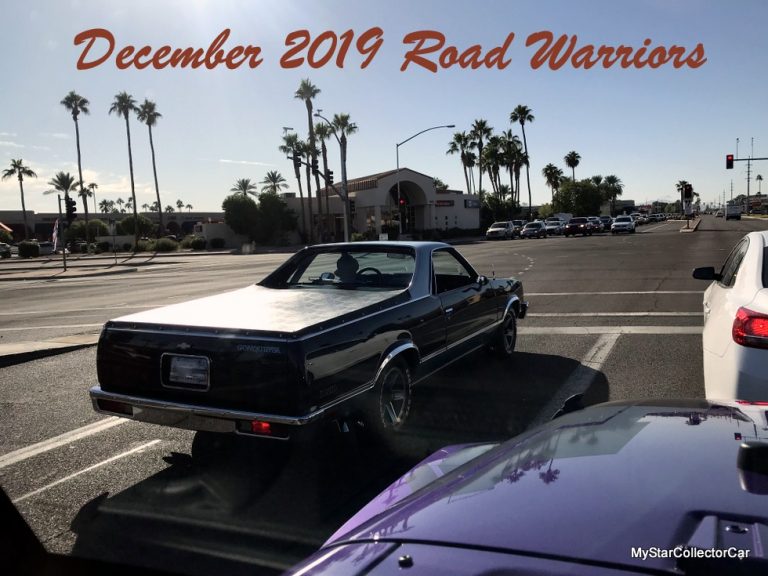
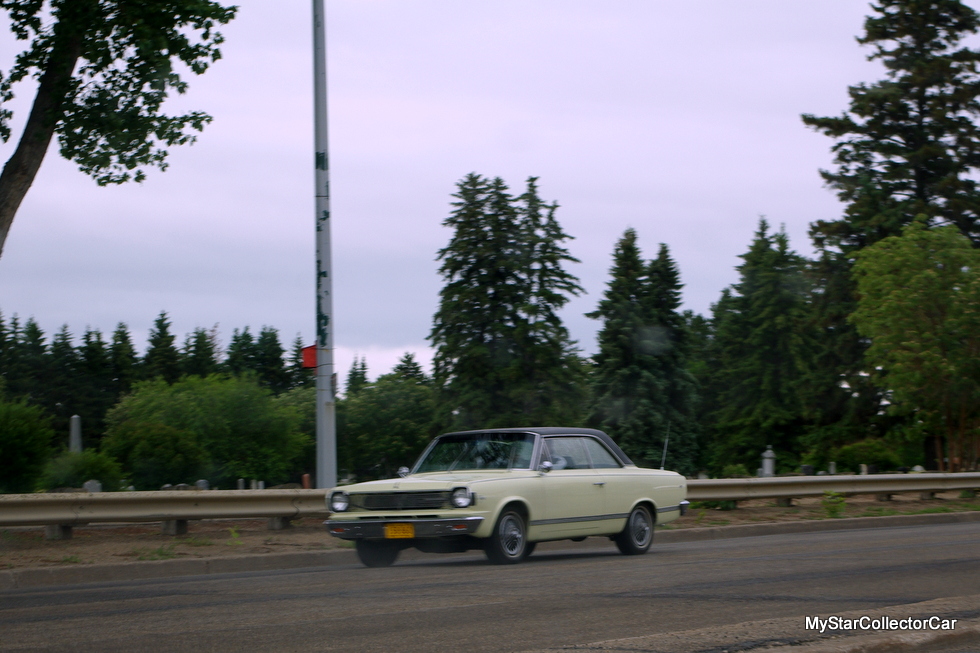
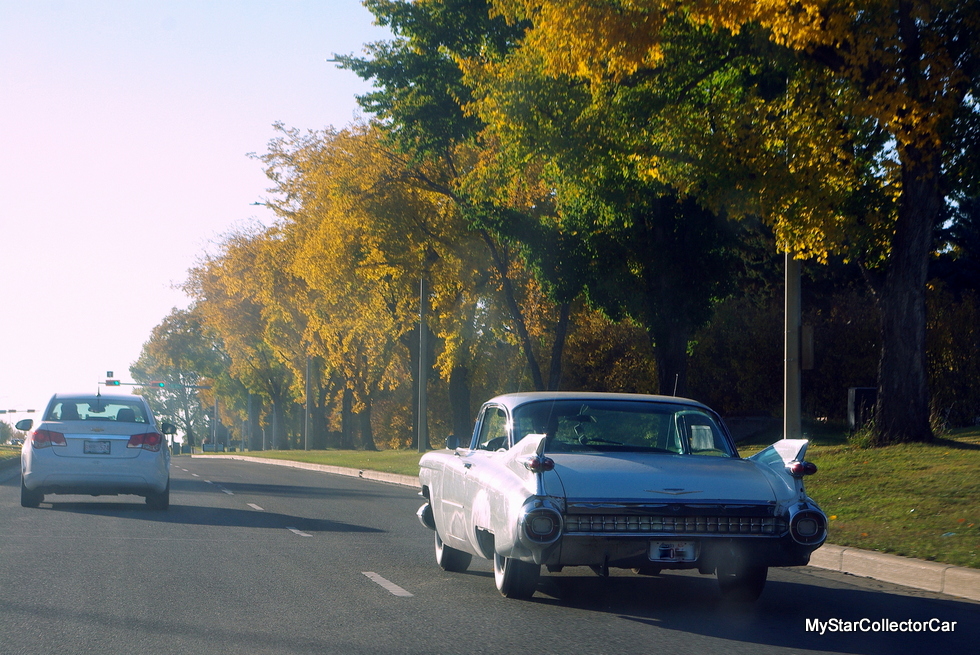
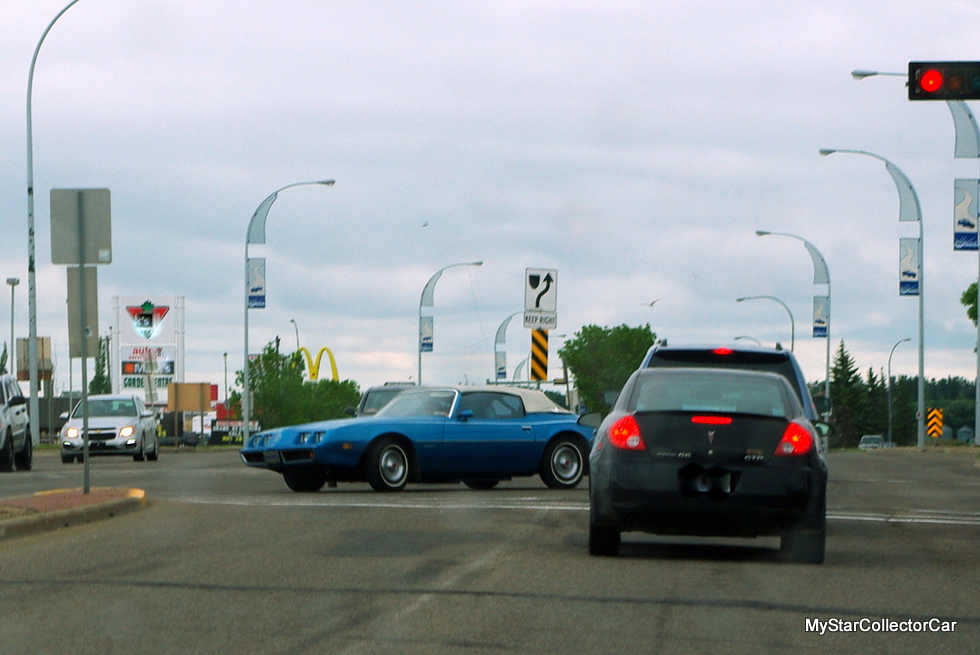
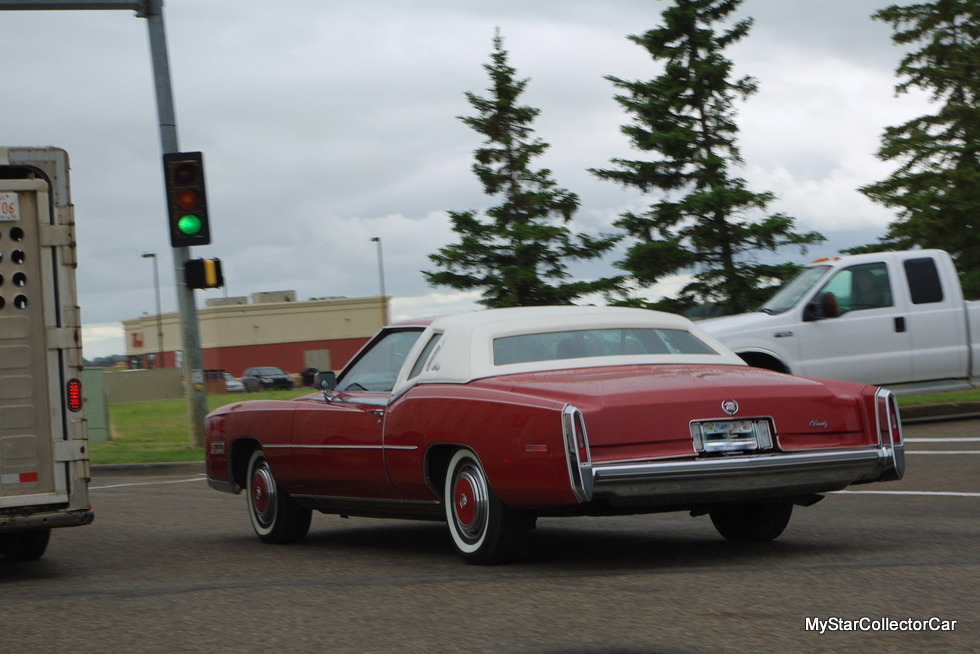
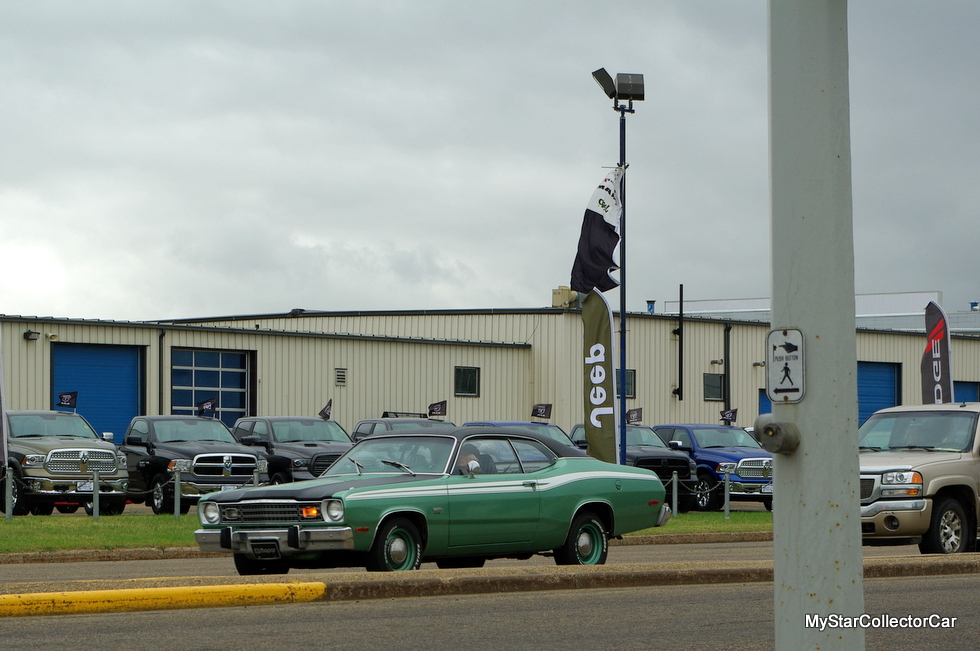
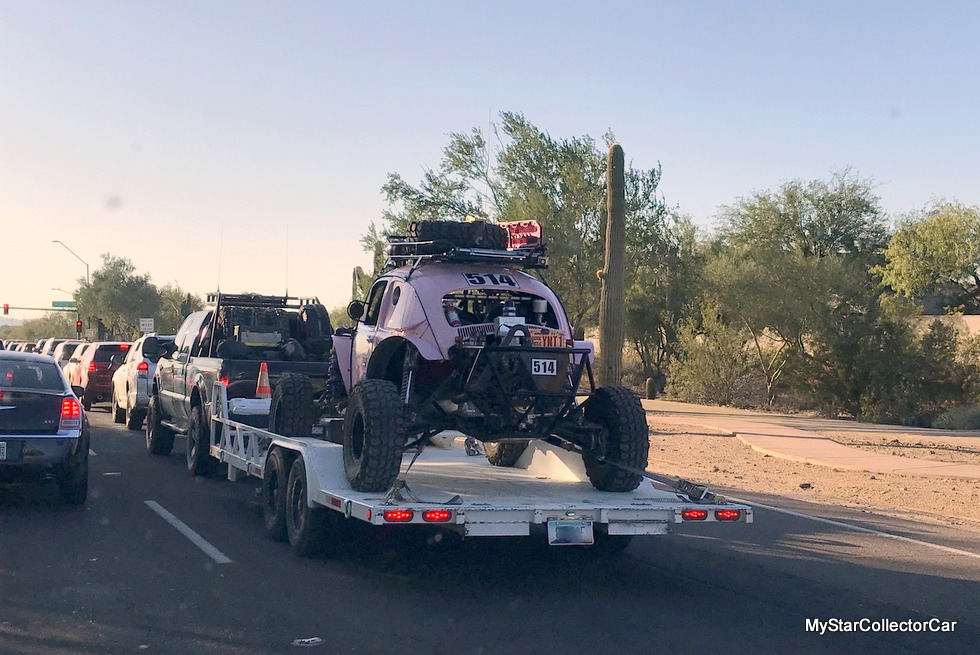
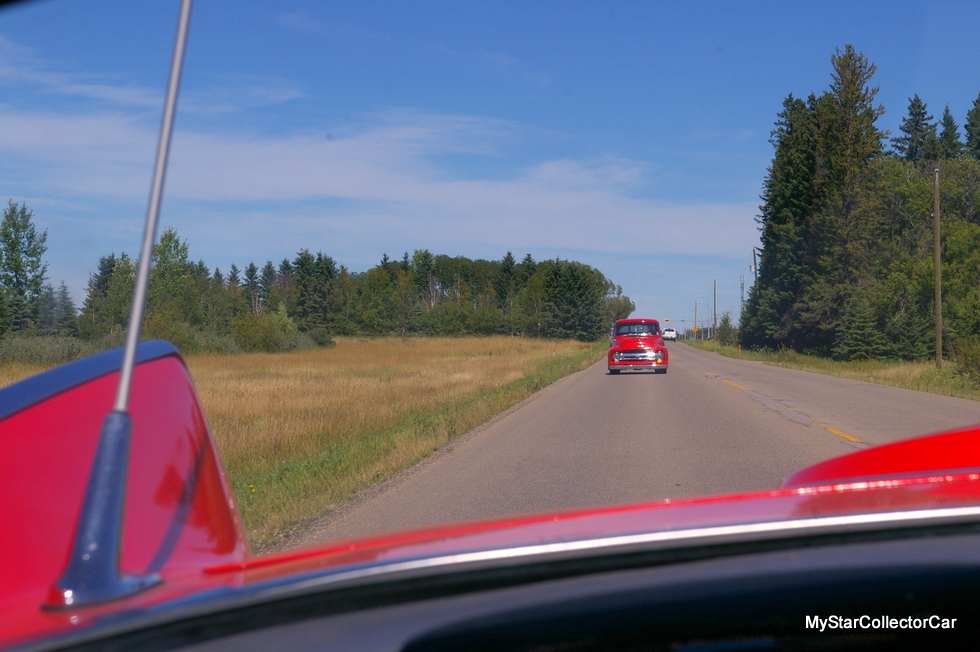
The Road Warrior season is essentially over in most places because winter is reality—not a concept.
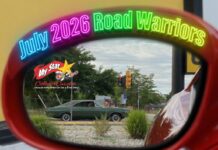
This is a scene from the summer so that’s when this AMC American was on the street.
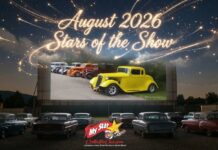
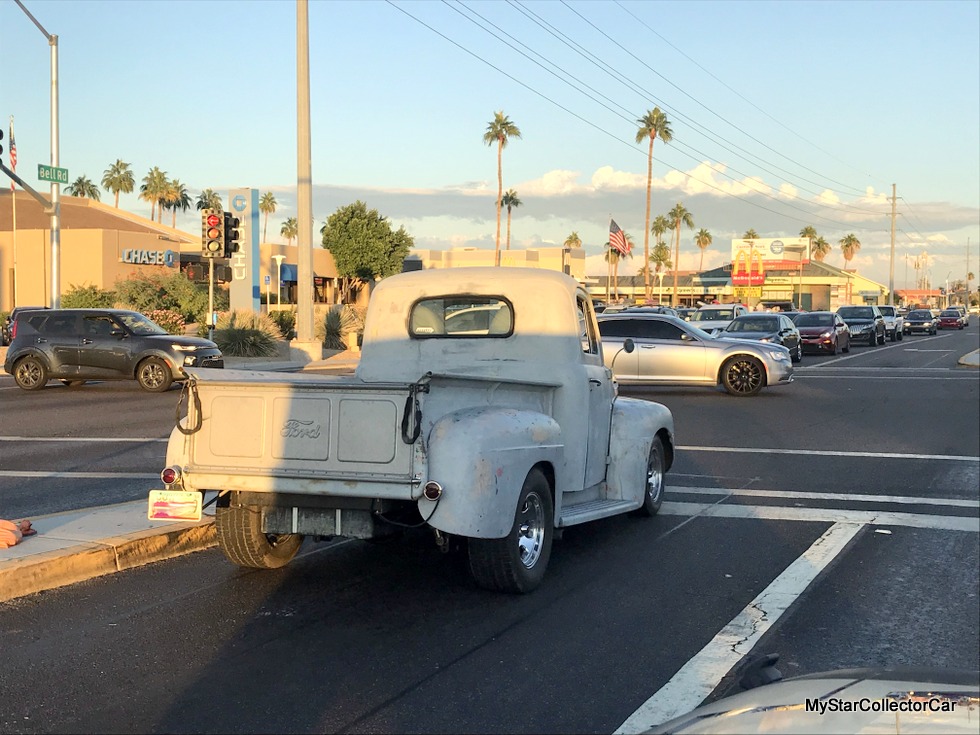
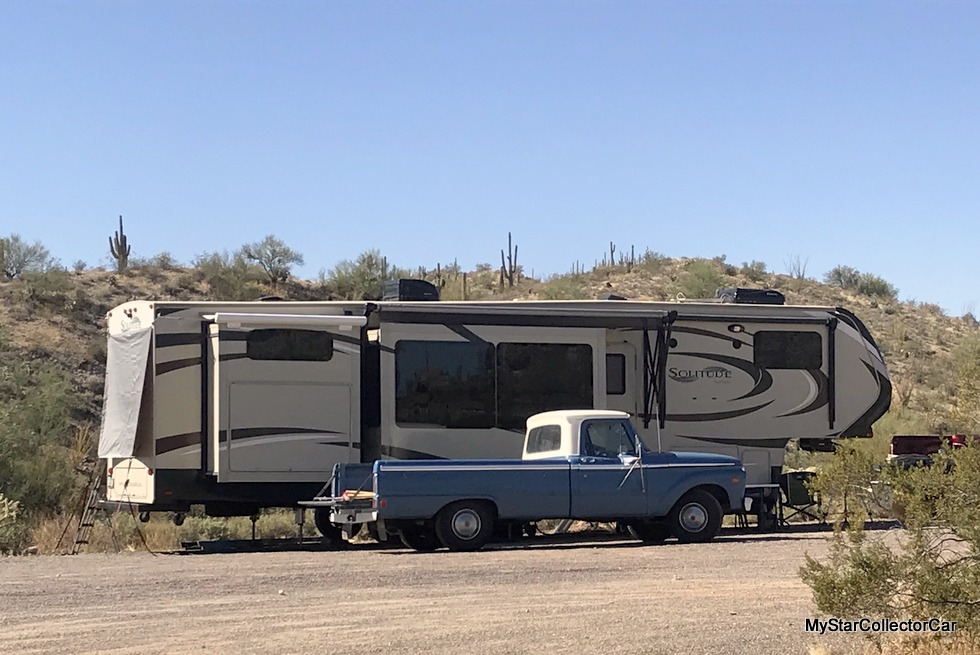
Conversely, this old Ford truck was on the street a few weeks ago—in Arizona.
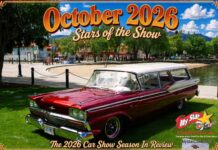
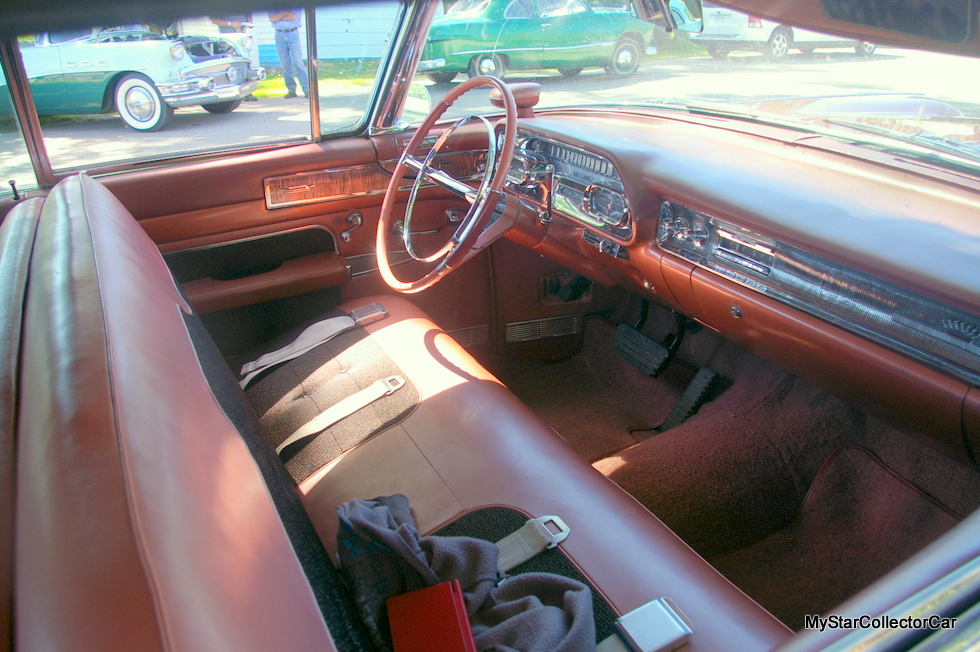
This ’59 Caddy was on the street in autumn—north of the border.
Take a look at more Road Warriors from different climates because driving old iron on streets depends no where you live.
CLICK HERE for more information on how to advertise on the number one daily automotive e-zine in Canada
By: Jerry Sutherland
Jerry Sutherland is a veteran automotive writer with a primary
focus on the collector car hobby. His work has been published in many
outlets and publications, including the National Post, Calgary Herald,
Edmonton Journal, Ottawa Citizen, Montreal Gazette, Saskatoon
StarPhoenix, Regina Leader-Post, Vancouver Sun and The Truth About
Cars. He is also a regular contributor to Auto Roundup Publications.
Today’s roads are dominated by sport utility vehicles built by every major automotive manufacturer in the world.
The new age SUVs have become a huge part of the daily lifestyle of modern families because they offer so many features that separate them from a basic sedan, minivan or station wagon from the past.
The 21st century SUVs are built further off the ground than today’s sedans and are equipped with four-wheel drive options that assist the driver when conditions are not perfect.
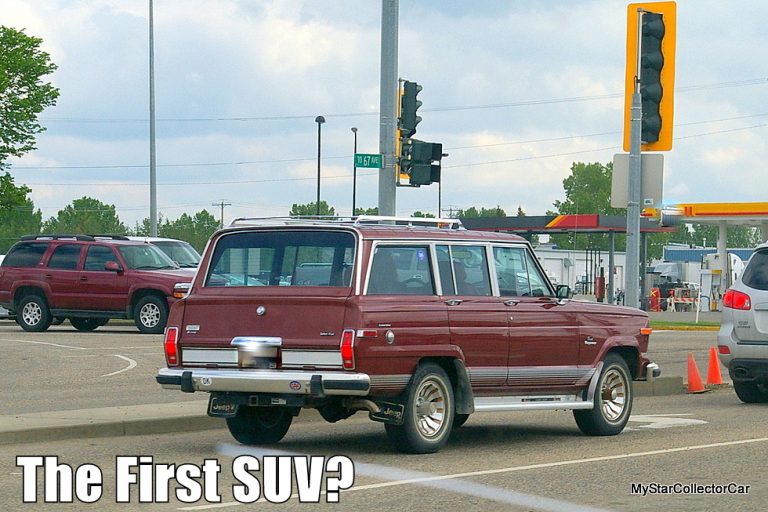
However, the modern SUVs have a direct link with the past, particularly the famous Jeep Wagoneer that first hit the showrooms in time for the 1963 model year. The Wagoneer was a replacement for the Willys Jeep Station Wagon models that were built from 1946 until 1962 by the Kaiser Jeep Corporation.
The Willys Jeep Station Wagon models closely resembled the famous World War II Jeeps and basically looked like a Jeep grafted to a station wagon body. These earlier vehicles were unmistakably Jeeps and shared their utilitarian style (if not the Second World War battlefields) with the military Jeeps; even though the Jeep station wagons were built for a post war buyer who wanted more room for his expanding Baby Boom family.
The Jeep Wagoneer headed in a different direction from its predecessor because it was built with a blend of comfort and sleek style that subtly showed its Jeep lineage but offered more whistles and buzzers in their newest station wagon models.
The new-for-’63 Jeep Wagoneer had a more comfortable ride because it offered an independent front suspension that smoothed out rough roads better than the buckboard-like straight axle found on earlier Jeep vehicles.
The Wagoneer was more of a modern era station wagon than a Jeep Station Wagon and had upscale choices like power steering/automatic transmission to give it a car-like quality. Buyers from the Wagoneer’s earliest days could also add air conditioning and four-wheel drive into the mix if they wanted more creature comforts and versatility into their Jeep station wagons. By the end of the 1960s, the Wagoneer was only built in 4WD form.
CLICK HERE for more information on how to advertise on the number one daily automotive e-zine in Canada
Jeep was famous for its four-wheel drive technology and the Wagoneer benefited from their long legacy in this field.
The refined appearance of the Jeep Wagoneer made it a civilized choice for potential customers who presumably wanted to take the road (or wagon rut) less traveled to their destination.
The lineage of the Wagoneer allowed Kaiser-Jeep to produce a rugged and full-framed off road vehicle that still right looked at home in early 1960s suburbia where it was used as both a grocery and kid-hauler.
The Jeep Wagoneer was initially built by Kaiser-Jeep until American Motors purchased the company in 1970 and eventually AMC was absorbed by Chrysler in 1987. The most interesting part of the Jeep Wagoneer history was its ability to maintain the same basic platform of the original 1963 models and carry that style into the early 1990s when it was dropped from the Chrysler lineup.
The legacy of the Jeep Wagoneer was its identity as an early sport utility vehicle.
The current SUV models are now a dominant force on modern roads, and it would be more than fair to say the first-gen Wagoneer models were some of the first SUVs on the street.
BY: Jim Sutherland
Jim Sutherland is a veteran automotive writer whose work has been
published by many major print and online publications. The list
includes Calgary Herald, The Truth About Cars, Red Deer Advocate, RPM
Magazine, Edmonton Journal, Montreal Gazette, Windsor Star, Vancouver
Province, and Post Media Wheels Section.
Mergers are the key to survival in today’s automotive industry and it extends across international borders.
The last twenty years have seen major mergers or some degree of cooperation between companies based in North America, Japan, Korea, China and Europe.
These mergers have been the key to survival in the highly competitive world of building cars but in some cases these mergers are done on a much smaller scale.
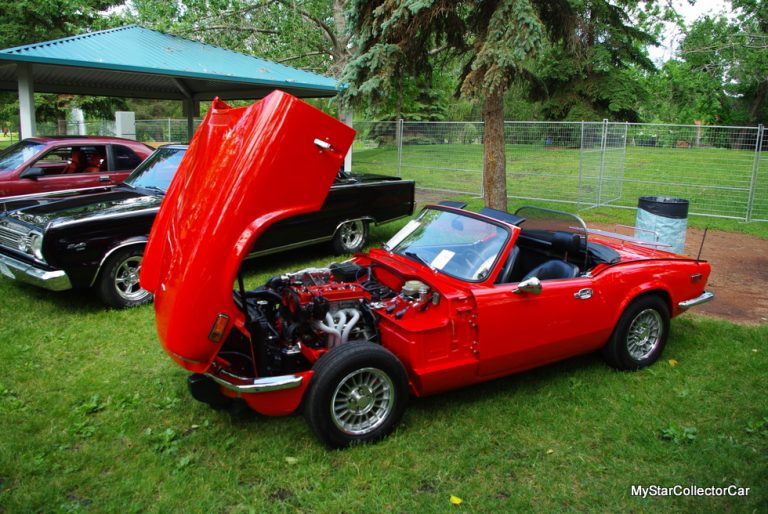
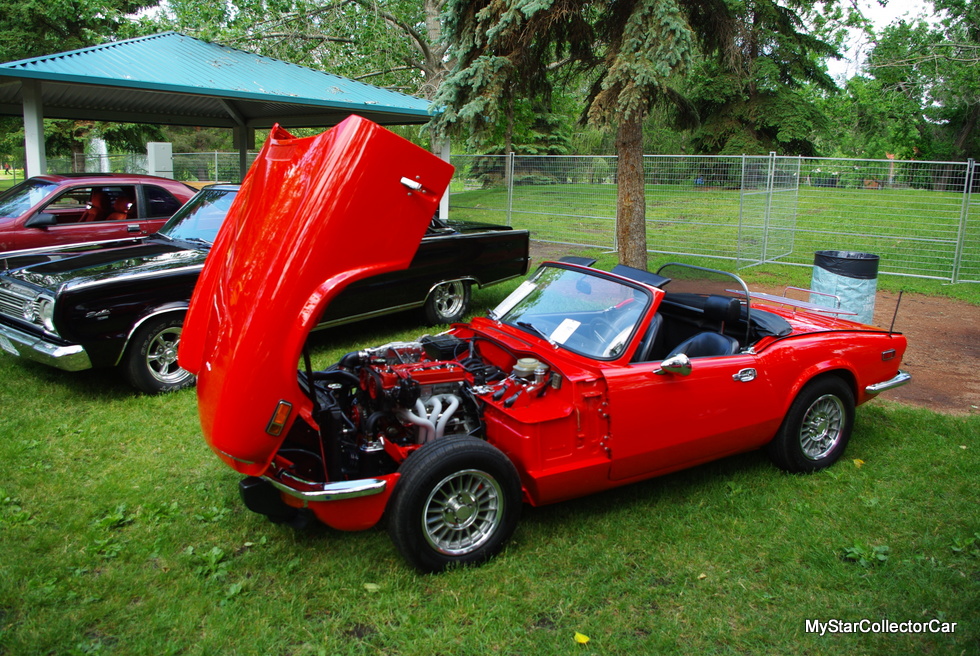
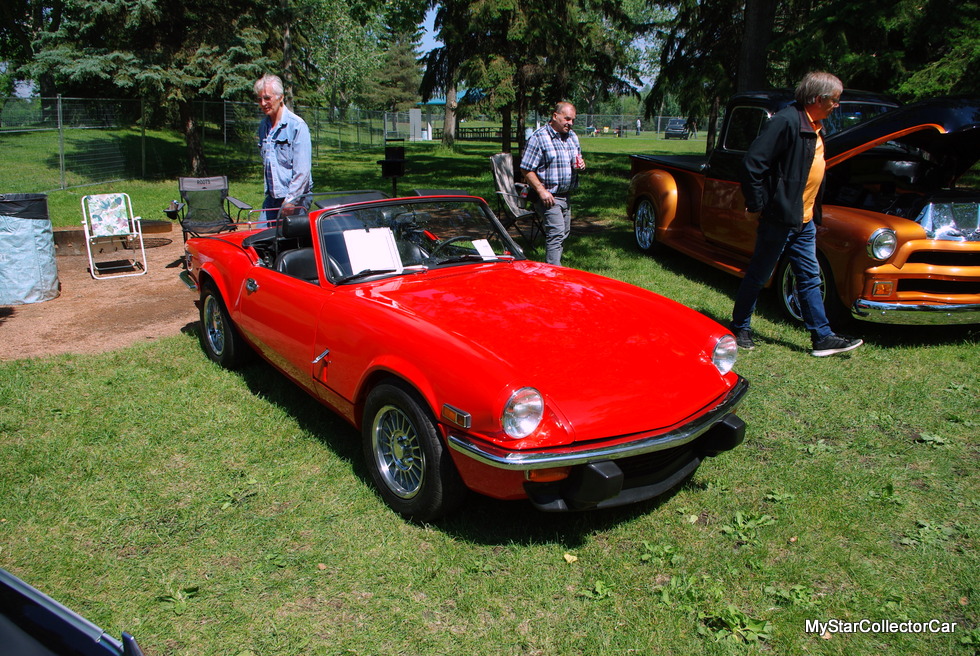
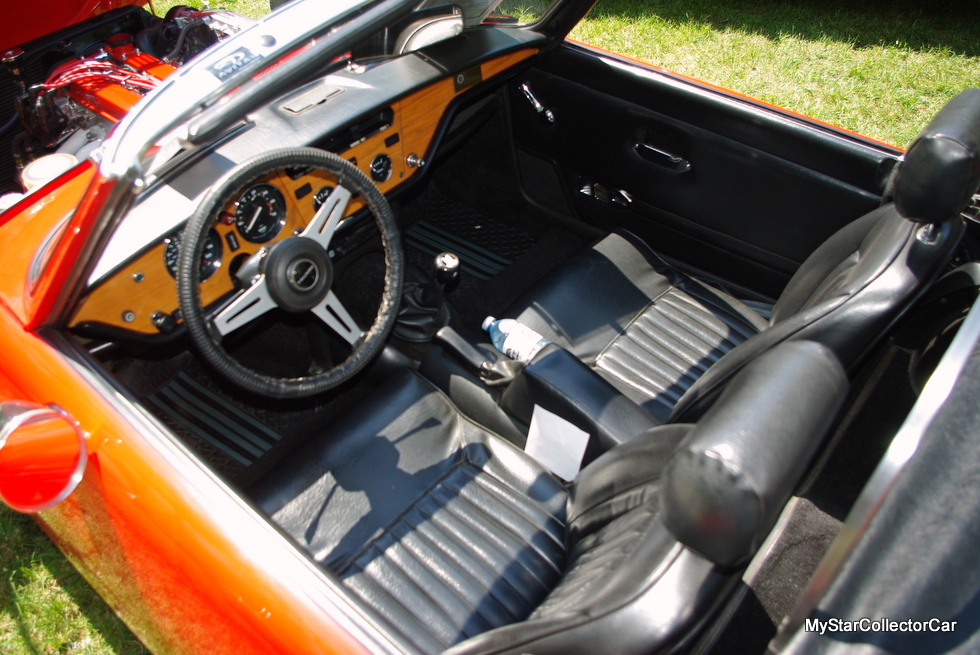
Harry is the proud owner of a multinational 1975 Triumph Spitfire. He bought the little British roadster back in 2003 and it saw plenty of action as a daily driver. Harry actually used the Spitfire on service calls even though the car wasn’t in great shape because he wanted to get a feel for what was required to take the Triumph to another level.
Harry said the “engine was shot and the body was full of holes” so he mapped out a realistic game plan for the Spitfire. He said he “did a little every year but kept it running in the summer and worked on it in the winter”. This was a solid strategy because every year he had fun with the car in the summer and improved it in the off season.
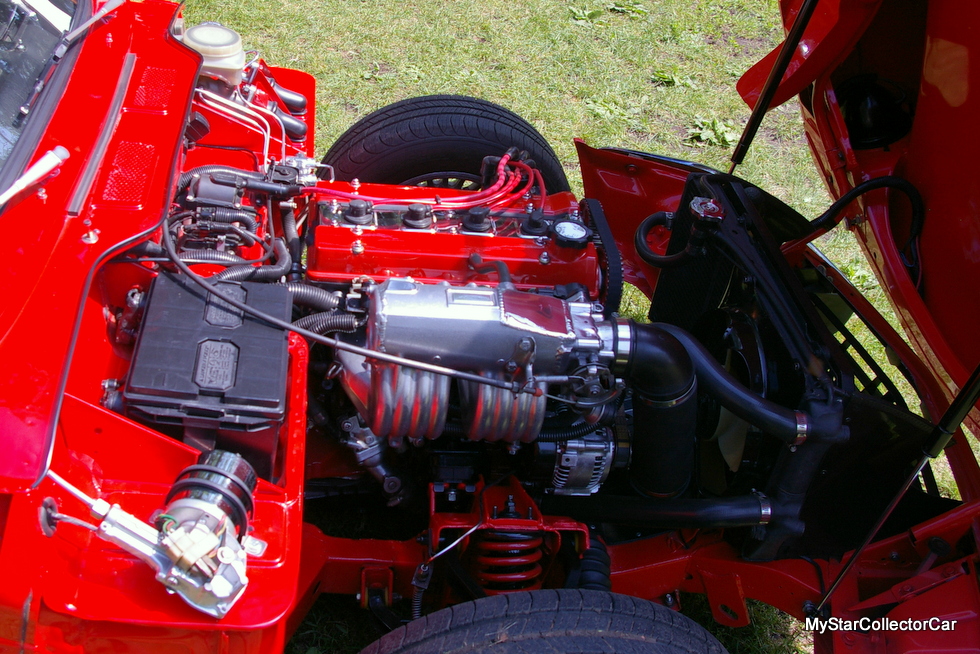
He reached a crossroads in 2006 with the drivetrain because it was in bad shape so Harry decided to head in a different direction (west) with a Japanese engine and transmission. He started measuring to use “whatever would fit” and he realized he could squeeze a 1988 Toyota Corolla EFI 4-cylinder under the hood of the little Brit.
There were a few problems because the ’88 Toyota Corolla engine was transverse-mounted and front-wheel drive so he sourced out a 5-speed manual from an older rear-wheel drive Toyota. Harry did all this research the old-school way—he sourced all his parts at a wrecking yard and made the pieces fit. This retrofit doubled the horsepower so the Spitfire really woke up with its new Japanese heart.
Harry did the swap by rotating the engine mounts plus he had to lower the suspension so the new engine would clear the hood. He had to modify the suspension because the lighter engine made the front end ride higher. Harry said the car was a little hairy to handle after the modifications because of bump steer so the geometry of the front suspension became a work in progress.
The Triumph still retains its British heritage but the list of parts under the hood tells a story with many different chapters. The fuel pump is from an ’88 Merkur; the air filter is ’91 Mazda; the radiator fan is ’76 Celica; the hood struts are from an ’86 NissanMulti—there’s a huge list of parts from other brands including the ’63 Corvette rear shocks. This was a true junkyard build.
Harry likes the Spitfire’s new power range but he drives it at a respectable speed on the highway so occasionally a massive semi will crowd the little car—that’s all part of the open air adventure.
This may be one of the smallest automotive mergers ever done but Harry and his Triumph are the largest merger in the world of fun behind the wheel.
Jerry Sutherland
Jerry Sutherland is a veteran automotive writer with a primary focus on the collector car hobby. His work has been published in many outlets and publications, including the National Post, Calgary Herald, Edmonton Journal, Ottawa Citizen, Montreal Gazette, Saskatoon StarPhoenix, Regina Leader-Post, Vancouver Sun and The Truth About Cars. He is also a regular contributor to Auto Roundup Publications.
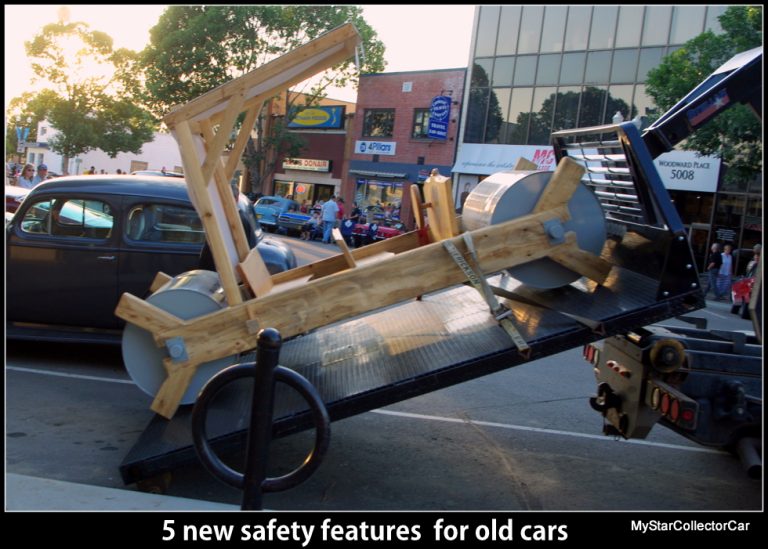
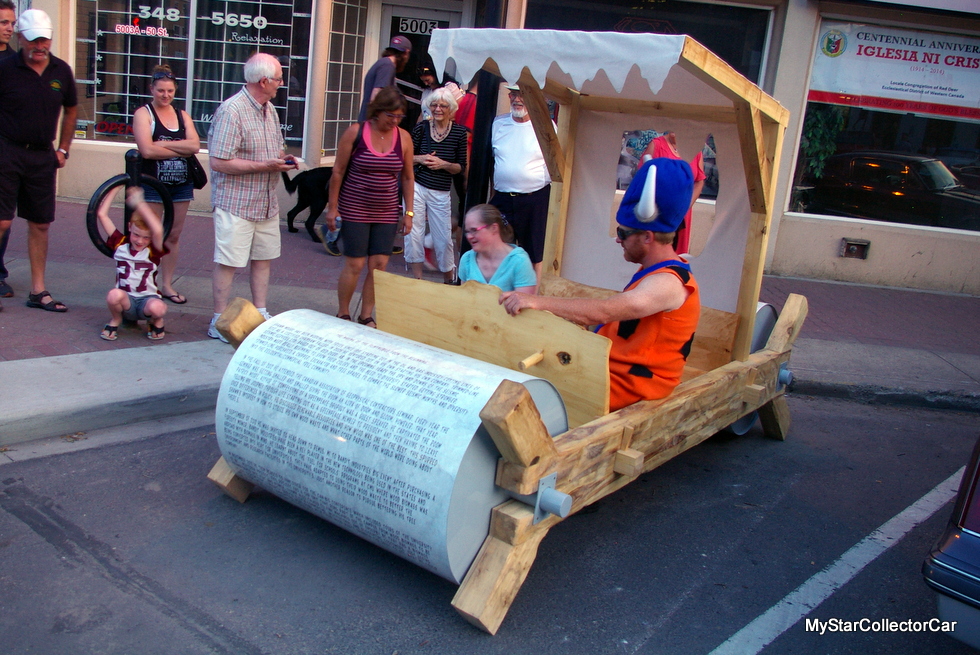
The evolution of automotive safety has moved forward in a big way since the days when Fred Flintstone stopped his stylish caveman sedan courtesy of his two good feet.
The 21st century has become an amazing period of technological advancement for modern vehicles in terms of safety so MyStarCollectorCar decided to list a few modern safety upgrades that would be a good retro fit on vintage iron.
Jim Sutherland
The first addition to our list is a forward collision warning system that account for road hazards that can pop up in a moment’s notice on a drive. A retro fit forward collision warning system would likely have to work in conjunction with a modern four-wheel disc brake system upgrade because an old school drum brake system is just slightly ahead of the Flintstone brake system by comparison.
However, one can assume that a car guy who would choose to retro fit his classic ride with state-of-the-art safety upgrades would also add performance upgrades into the mix for faster stop and go.
CLICK HERE for more information on how to advertise on the number one daily automotive e-zine in Canada
The next modern safety feature for a vintage ride would be a blind spot warning system. Old cars were designed to reflect the style from their moment on center stage so the visual angle was focused on the curves and angles. Little to no attention was paid to the sight lines down the side of the car for the driver.
,k
The emphasis was on style and few automotive designers cared whether a tall fin or large roof pillar got in the driver’s line of vision. A modern blind spot warning system would eliminate a retro problem for drivers who want to know if the lane is clear for their beloved 65-year-old car.
The back end of a classic car is also an area of concern for their owners because of the same body style vs clear rear vision found in vintage rides. Small back windows in some generations of older cars also turned reverse into a high stake guessing game for the driver.
The modern automotive era offers a rear cross-driving warning system that detects hazards before they become part of the lawsuit against owners who are unaware of the objects in their rear path and subsequently crash into them.
MyStarCollectorCar’s third addition to our list includes a rear warning system retro fit to alert old car owners of dangerous conditions like litigation lawyers after the collision.
21st century automotive safety technology also includes our 4th choice for retro fits: A Lane-keeping assist that helps keep you in the correct lane while on the road. This particular gizmo works well with modern steering systems-but would likely be limited to an upgraded steering system on an old car because the Lane-keeping assist feature would likely die from exhaustion if it was hooked up to a factory steering system from a bygone automotive era.
The 5th and final addition to our 21st century car equipment list for old iron would be adaptive cruise control. These units monitor traffic conditions and work with the Lane-keeping unit to keep a safe distance between other vehicles while on the road. They are also able to gauge traffic flow enough to bring a vehicle to a complete halt if necessary.
It’s clear that car safety has come a long way since Wilma and Betty invented back seat driving as a deterrent to Fred’s crazed driving habits.
The only question left for car guys is how much of the new tech can be retro fitted on their old iron.
BY: Jim Sutherland
Jim Sutherland is a veteran automotive writer whose work has been
published by many major print and online publications. The list
includes Calgary Herald, The Truth About Cars, Red Deer Advocate, RPM
Magazine, Edmonton Journal, Montreal Gazette, Windsor Star, Vancouver
Province, and Post Media Wheels Section.