


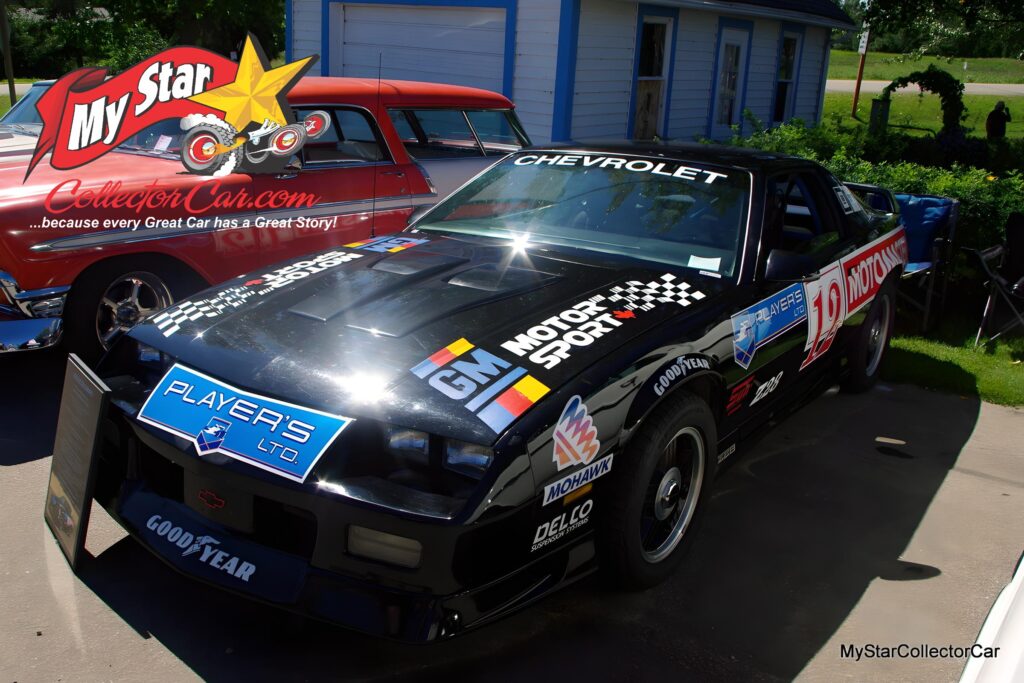
There are tribute cars like the ‘70 AAR Cuda and Challenger T/A, but those cars were built to look like race cars—not drive like them.
This 1992 Camaro 1LE Z-28 is a race car with a solid racing history.
Jerry Sutherland
Stew Edey is the proud owner of this former track car and he’s also a student of its racing history. He explained how the Player’s GM Motorsports Series was a Canadian-only series with designated East and West divisions.
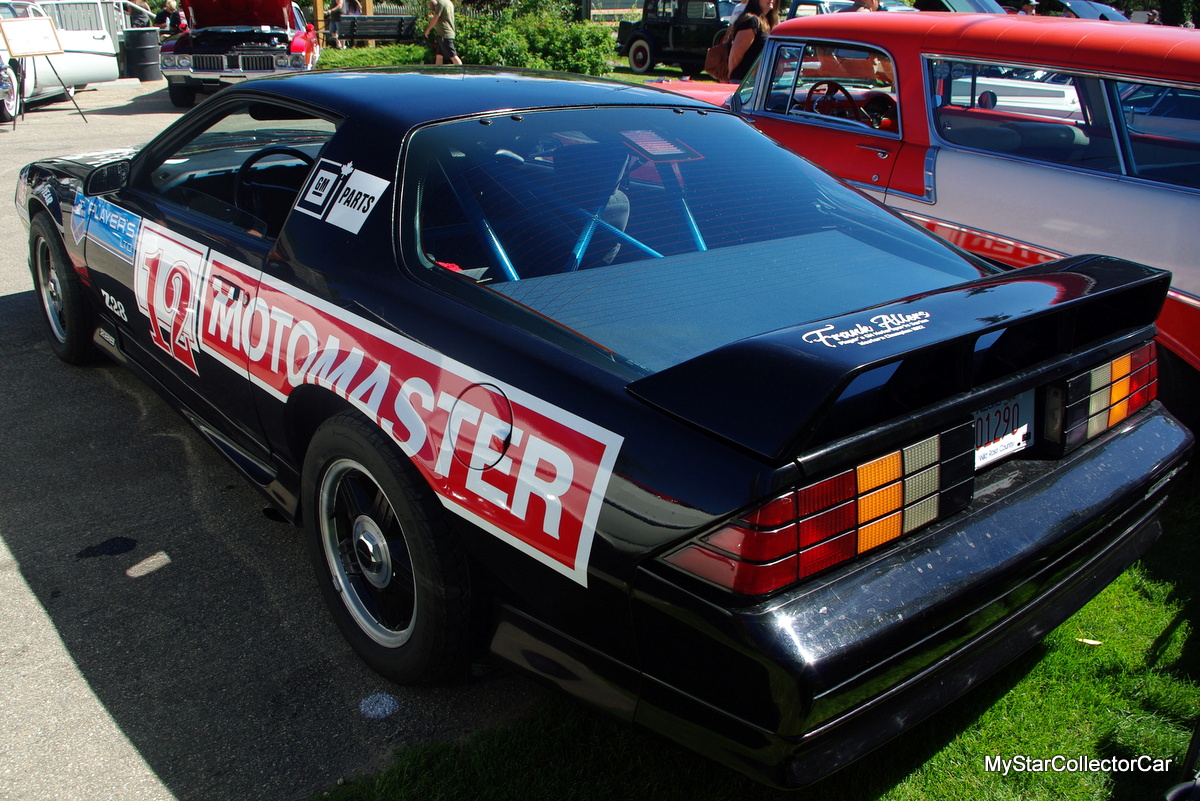
Stew was a fan of the GM Motorsports Series, so he knew the history of these cars—he’d watched this one race. Eight years ago, a buddy told him about a ‘92 Camaro for sale at a small, out-of-the-way auction with “stickers all over it” so he had to check it out. He couldn’t believe this was a real-deal GM Motorsports car with a storied racing history—his thoughts were,“What’s a Player’s car doing up there?”.
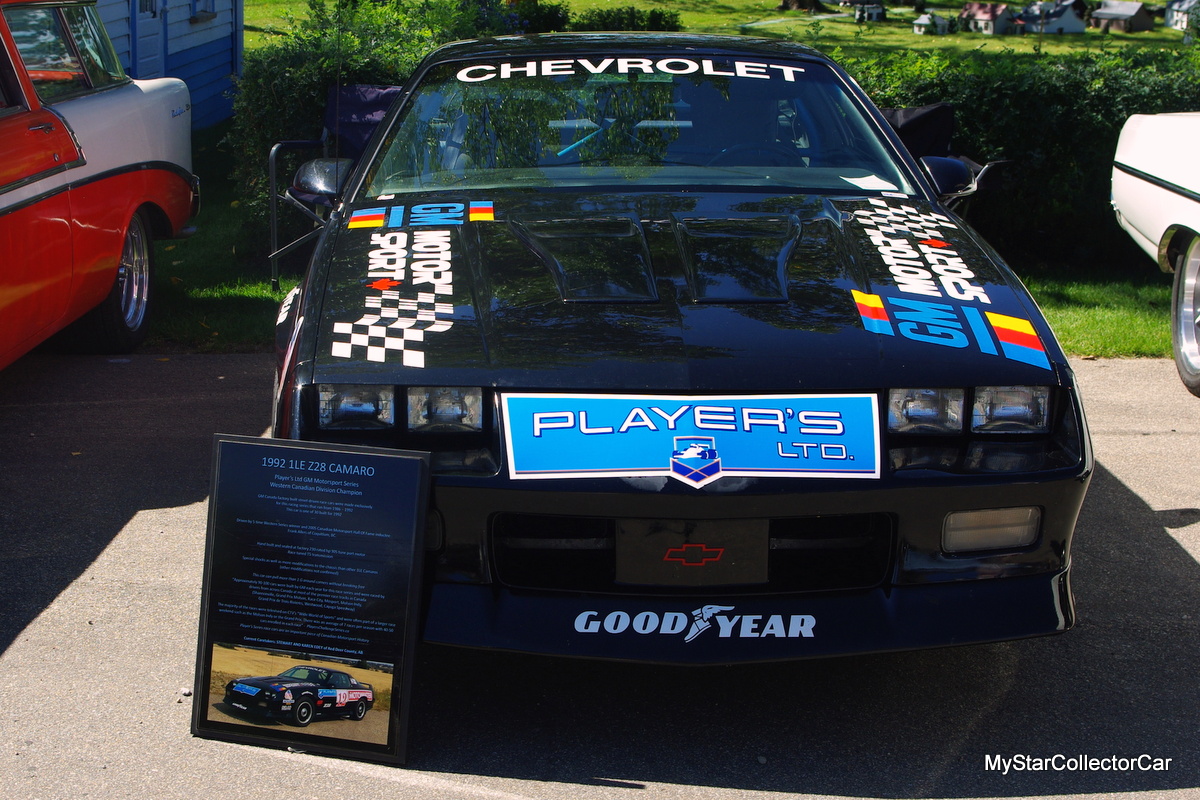
He knew this car was off the radar of the money guys who like to collect cars like this so Stew took some cash and a lot of hope to the auction. He was lucky because he ended up with the winning bid.
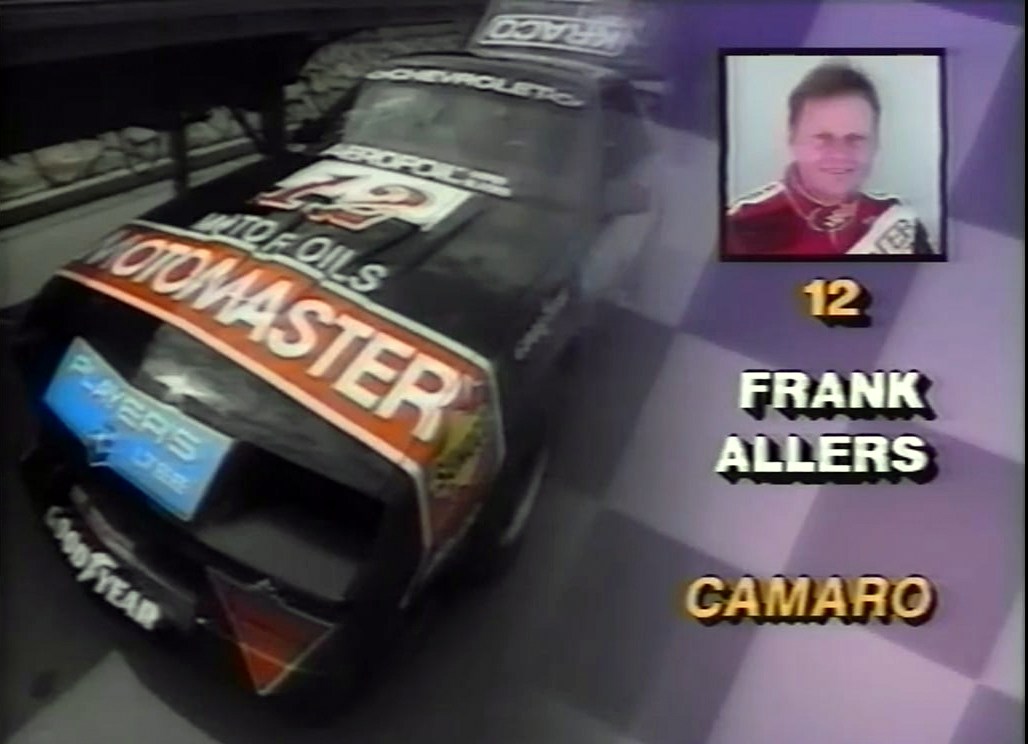
These cars (Camaros and Pontiacs) would race at various tracks across the country and at the end of the season the best of the east and west would meet for the championship. Stew’s car (driven by Frank Allers) was the Western points champion because he was consistently in the top 3-4 during the 1992 season.
Stew explained how these cars were basically stock, but they had massive upgrades to the brakes and suspension. They ran small-block Chevy V-8s that pumped out a rated 230 horsepower with a 380 ft-lbs torque number.
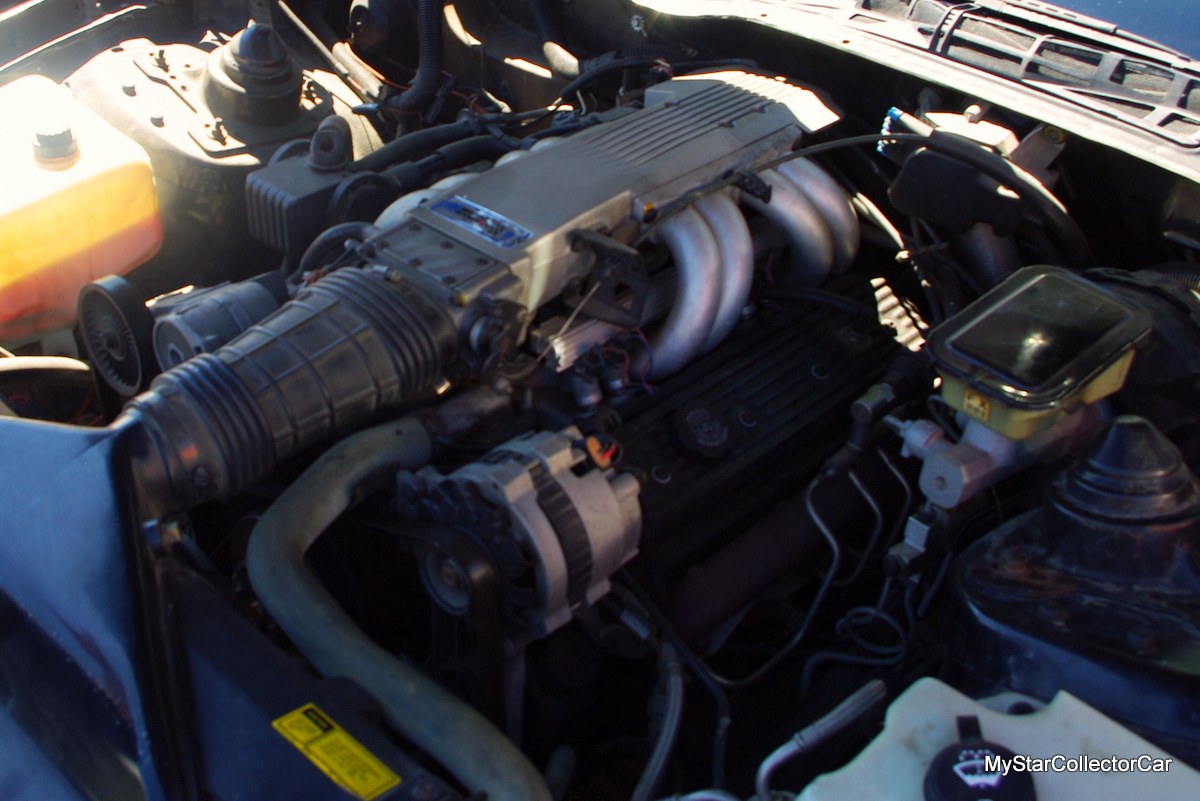
Chevy sent out street versions of the 1-LE, and they’re rare, but Stew’s car is extremely rare because it’s a race-prepared version. Stew said very few of these cars survived intact because the tracks were merciless on these cars.


His ’92 Camaro survived racing with no major crashes so it’s a straight car. Stew said the only real damage it took was at Mosport in Quebec when the Eastern Canadian drivers forced Western Canadian Allers off the track, so he had to rip off the Camaro’s nose at a pit stop. Stew said Allers still finished 8th despite his mishap.
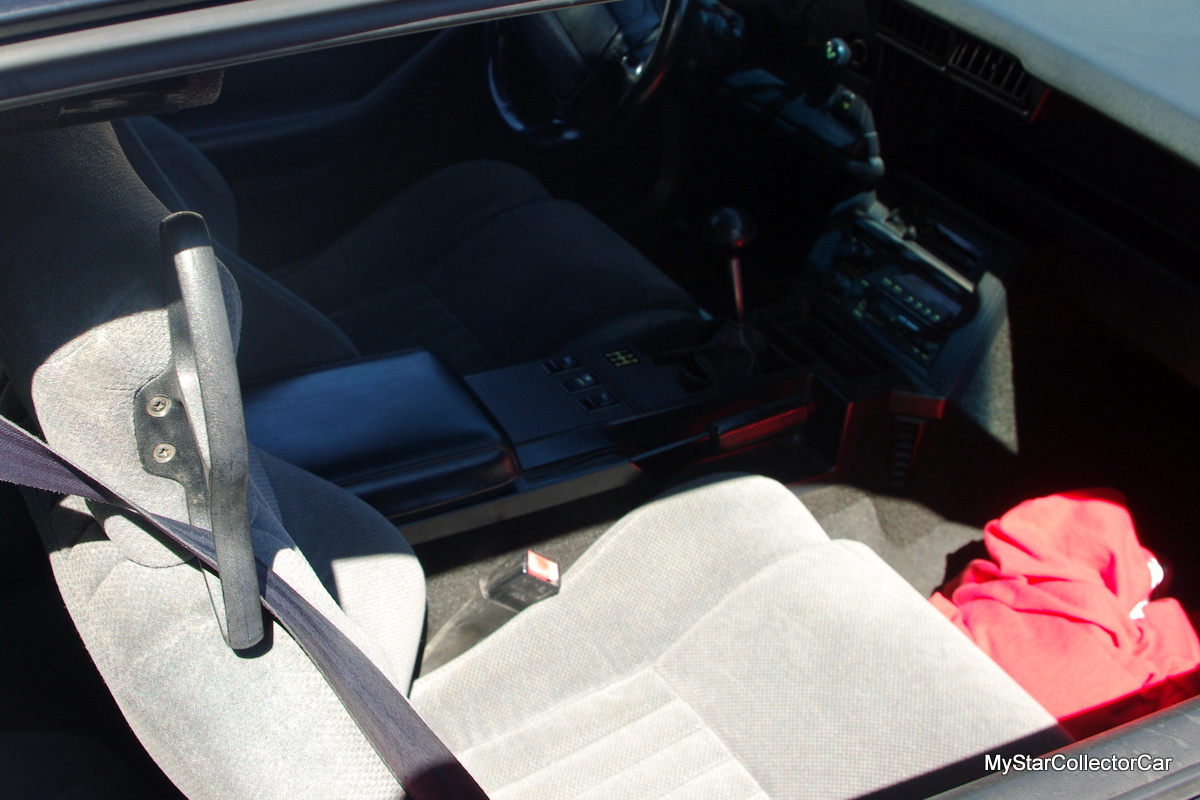
These race cars looked stock right down to the factory radio in Stew’s car, because the idea was to promote Camaros and Firebirds on the track to sell them at the dealerships. They came with gated side exhausts and a roll cage that could be easily disassembled.
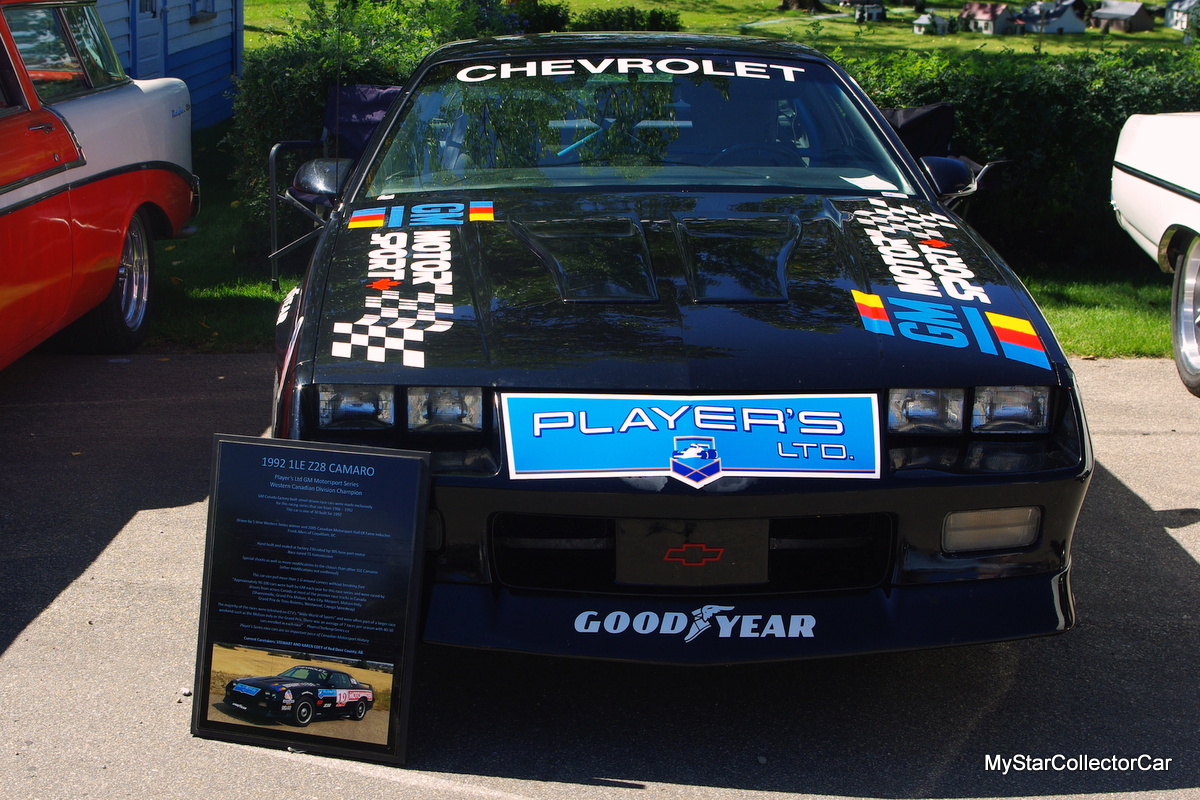
Now it’s a driver and Stew has one mission in life. He hadn’t driven it much over the years and he regretted that because he wants more people to learn about this piece of Canadian racing history.
Stew is happy to explain the car’s background story and he emphasizes the Canadian heritage behind it and the Player’s GM Motorsports racing series. As a bonus, the car is also a very civilized vehicle on the road because that’s why it was built—to sell cars.
The racing history is priceless.
Jerry Sutherland
By: Jerry Sutherland
Jerry Sutherland is a veteran automotive writer with a primary focus on the collector car hobby. His work has been published in many outlets and publications, including the National Post, Calgary Herald, Edmonton Journal, Ottawa Citizen, Montreal Gazette, Saskatoon StarPhoenix, Regina Leader-Post, Vancouver Sun and The Truth About Cars. He is also a regular contributor to Auto Roundup Publications.
- CLICK HERE TO SIGN UP FOR THE NEWSLETTER
- CLICK HERE to Like us on Facebook
- CLICK HERE to Follow us on Twitter
- CLICK HERE to Follow us on Pinterest