


The 1990s were pivotal years for performance because technology caught up to (and went past) smog laws.
In other words, cars started getting fast again, and they had the brakes and handling to harness all that extra horsepower.
The best measuring stick for quickness is the tried-and-true 0-60 miles per hour run because it’s the closest thing to merging on a highway, so here are the two quickest domestic cars from 1990-99.
Jerry Sutherland
The quickest car in 1990 was the ZR-1 Corvette.

This car was the next stage for the Corvette, so its twin-cam, 32-valve, aluminum block/ heads 5.7-liter V-8 cranked out 375 horsepower. That meant this Vette rocketed to 60 miles per hour in 4.5 seconds. That also meant this ’90 Vette could easily run with the legendary 60s muscle cars.
The quickest car in 1991 was the ZR-1 Corvette.

This little rocket was considered crude by European standards, but it could thump a 911 with ease. It was slightly slower than its 1990 version at 4.6 seconds, but it was still the quickest domestic car in ’91.
Things changed in 1992 when Dodge introduced the Viper.
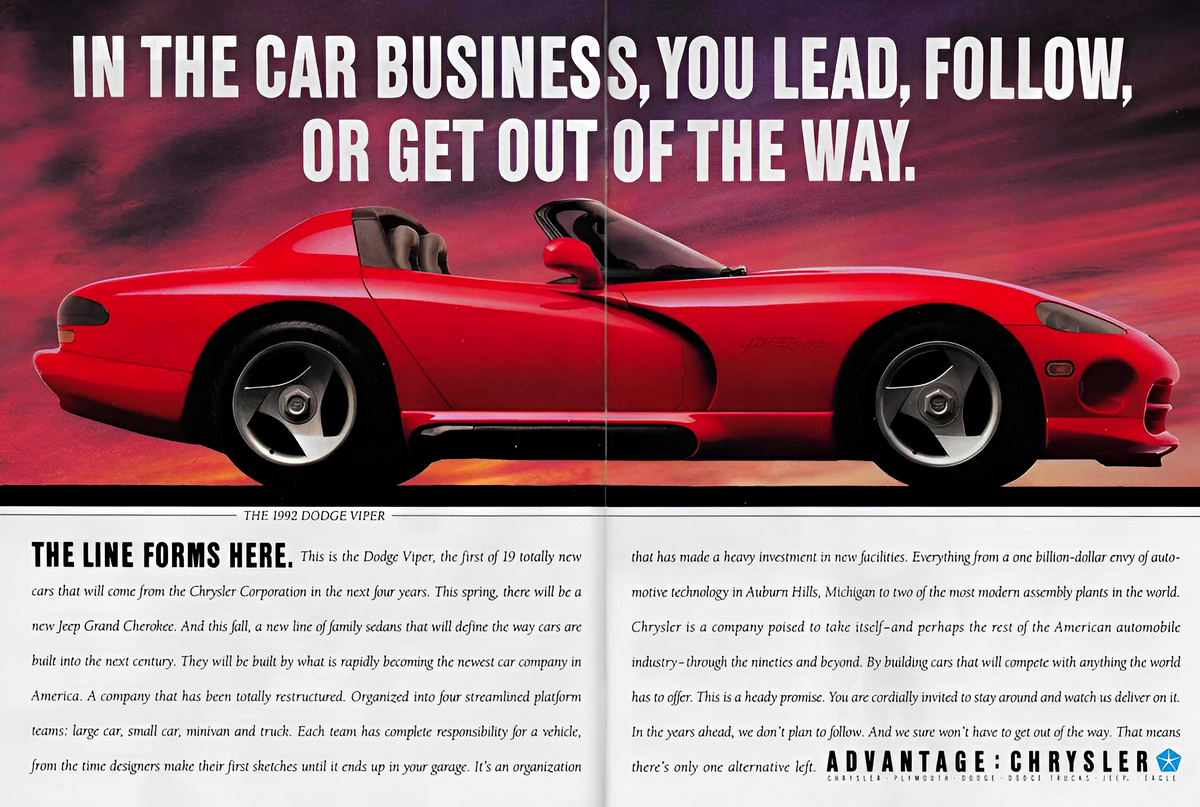
The Viper RT/10 was an insane concept because it was a cross between the original AC Cobra and a Gen III Corvette. It was low-slung, wide open, and it powered by a 488 cubic inch V-10 that pumped out 400 horsepower. The Viper took over first place in ’92 when it ran a 4.5-second 0-60.
They built 1043 RT/10 Vipers in 1993, and the 90s Mopar rocket took first place again that year.
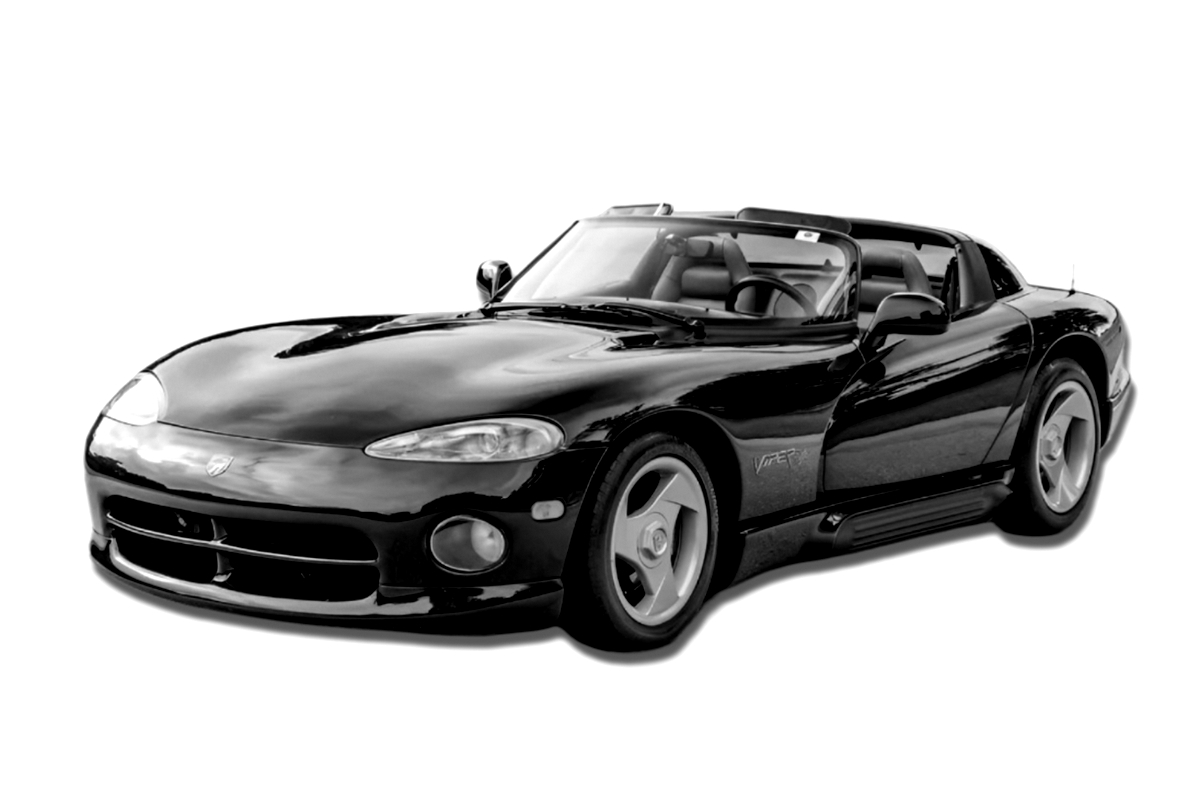
The ’93 Viper was still wide-open, crude and kind of dangerous—plus they shaved the 0-60 time down to 4.4 seconds.
The 1994 Viper RT/10 was offered in a few more colors and they changed some little things like fan shrouds and washer bottle locations, but it was still a Gen I version.
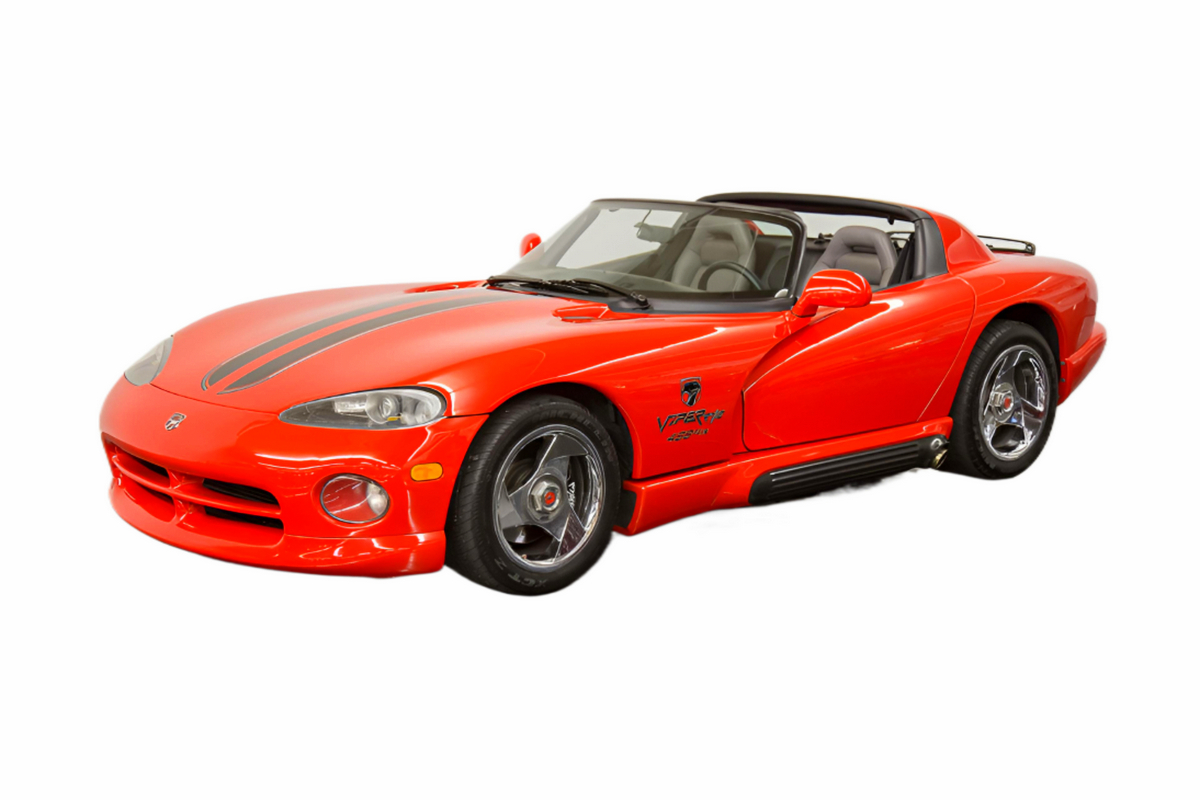
It was also a 4.4-second, 0-60 car.
This ’95 Viper RT/10 knocked a little more off the 0-60 run—it took 4.3 seconds to 60 mph with the big V-10.
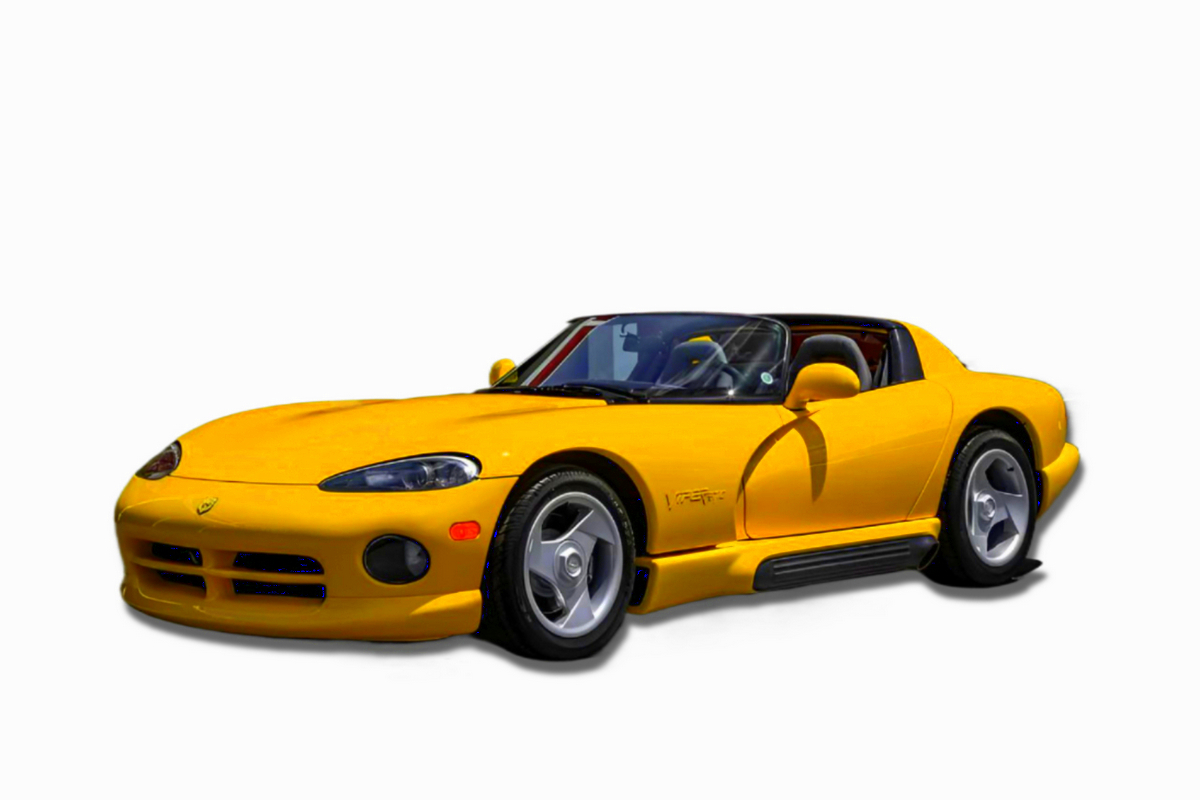
That made it the quickest domestic car for three years in a row.

1996 saw some major changes in the Viper, and it was still the reigning fast-car champ for the fifth year in a row.
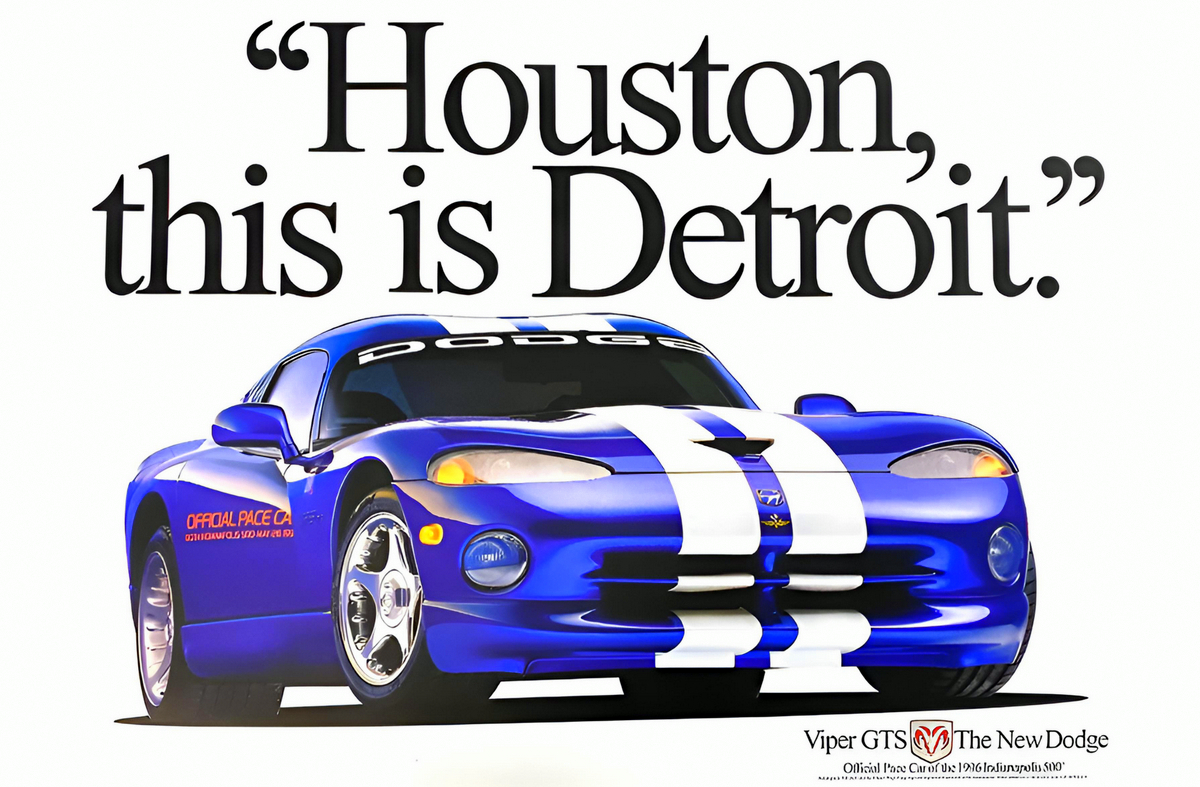
The RT/10 windows were updated, the side exhausts were gone and replaced with a single exhaust outlet and horsepower was bumped to 415. There was a removable hardtop option, and the GTS coupe was introduced. The coupe came with a 450-horse V-10 that pushed it to a 4.0-second, 0-60 time.
1997 was the next year the Viper dominated the quickest car title.

The GTS coupe continued in ’97, plus the roadster returned with all the GTS upgrades—the result was a repeat of the 4-second time.
The Viper took the 0-60 championship again in 1998.
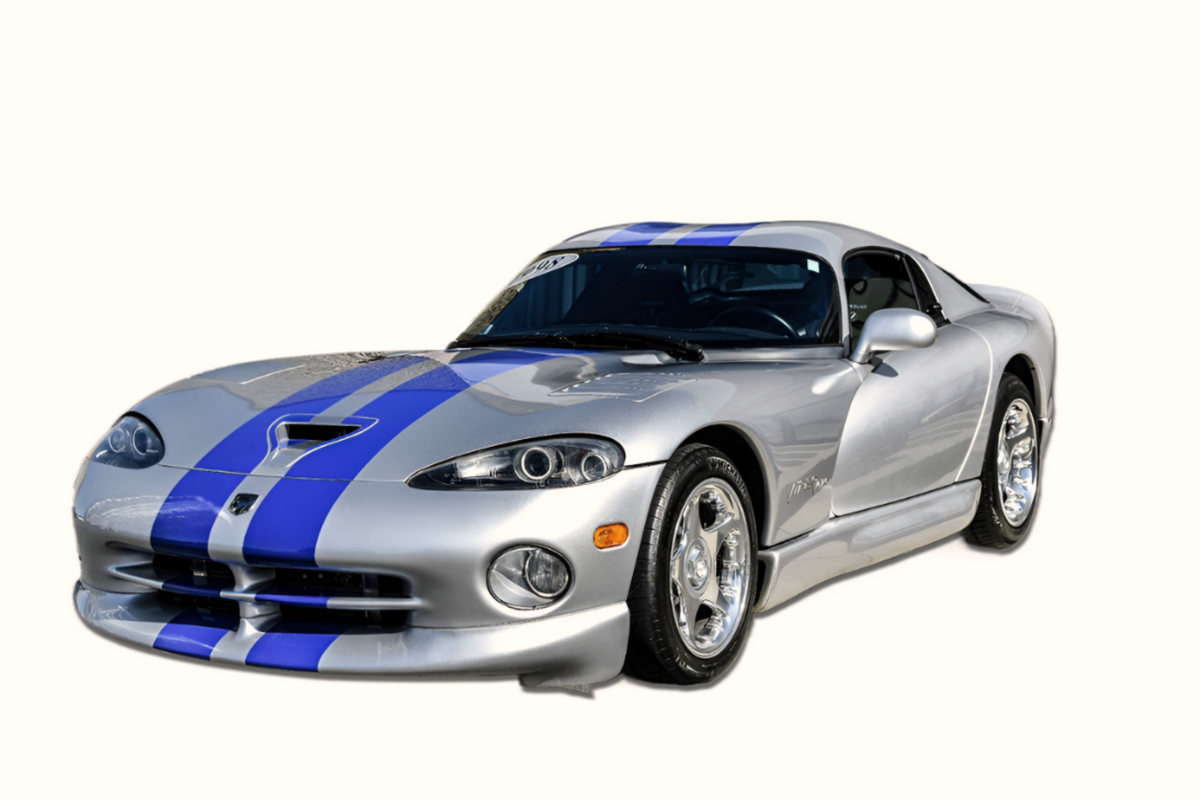
There weren’t many changes beyond a cutoff switch for the passenger-side airbag and a new silver color option. There was also no change in the 4-second 0-60 number.
1999 ended with (you guessed it) …another Viper win.
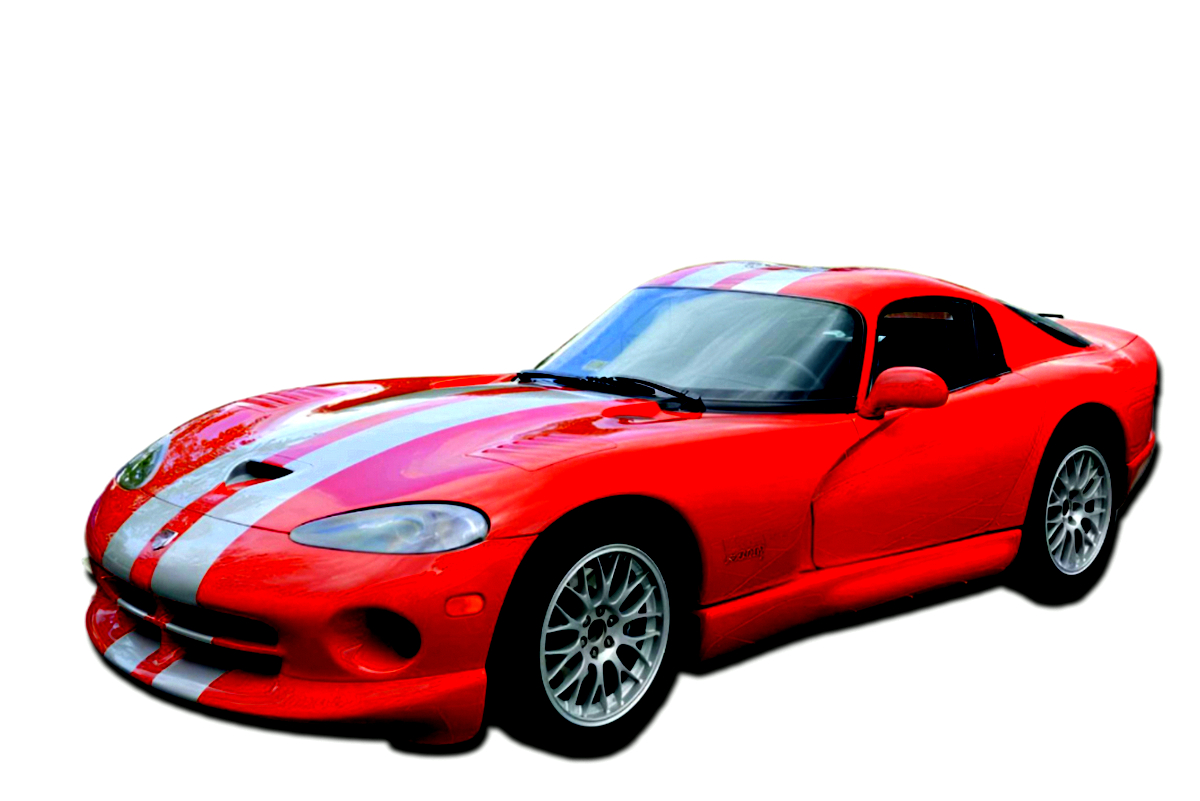
Vette guys had to be getting tired of the thumping, and that would change in the 21st Century. Even though the Vette had the ‘King of the Hill’ nickname, factory Vipers beat factory Vettes for seven years in a row because the ’99 Viper GTS ran another 4.0-second, 0-60 time.
The Viper dominated the 0-60 times, but the biggest lesson was how innovative domestic car builders were in the 1990s.
They set the table for some amazing cars in the 21st Century.
Jerry Sutherland
By: Jerry Sutherland
Jerry Sutherland is a veteran automotive writer with a primary focus on the collector car hobby. His work has been published in many outlets and publications, including the National Post, Calgary Herald, Edmonton Journal, Ottawa Citizen, Montreal Gazette, Saskatoon StarPhoenix, Regina Leader-Post, Vancouver Sun and The Truth About Cars. He is also a regular contributor to Auto Roundup Publications.
- CLICK HERE TO SIGN UP FOR THE NEWSLETTER
- CLICK HERE to Like us on Facebook
- CLICK HERE to Follow us on Twitter
- CLICK HERE to Follow us on Pinterest
Please re-post this if you like this article.