


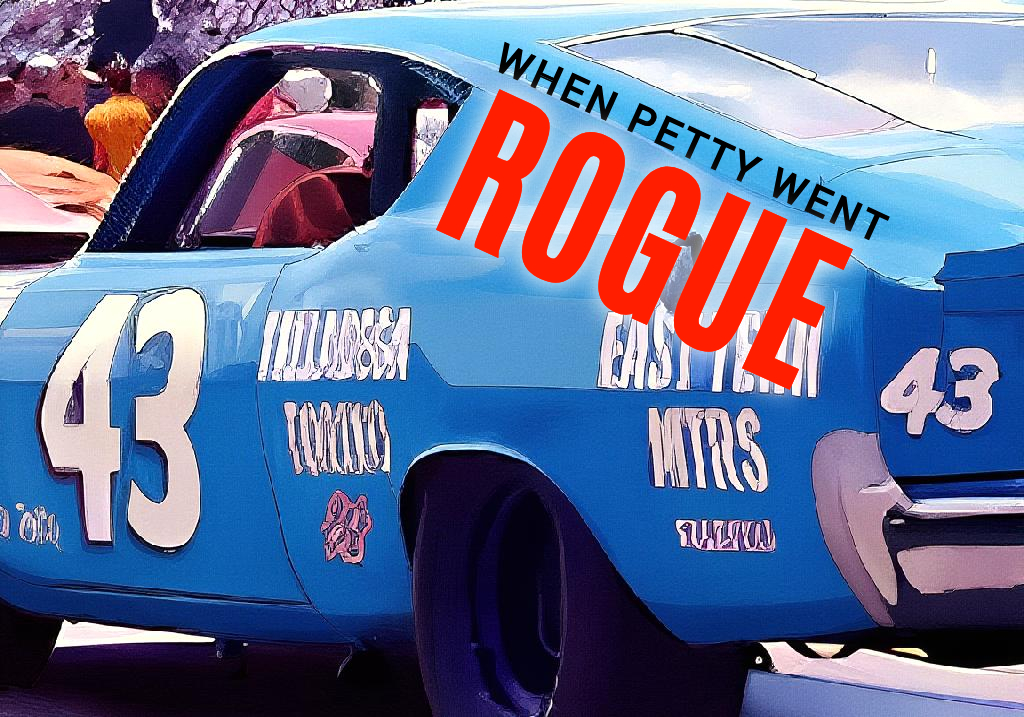
The stock car wars were raging when Ford introduced its beastly Torino Talladega model in 1969.
The battlefield was the track, a war zone where Ford waged an ongoing conflict with Chrysler and GM during the late Sixties.
At the time, Toyota was not even a participant in these racetrack wars because the Japanese company’s 98 lb. weakling cars had exactly zero chance on NASCAR tracks.
Jim Sutherland
It was a take-no-prisoners conflict in which winning on Sunday meant selling on Monday for the Big Three domestic automakers. The back nine of the 1960s was a time when Ford and Chrysler were launching gas-powered missiles to achieve track dominance-and both car companies left nothing on the table.
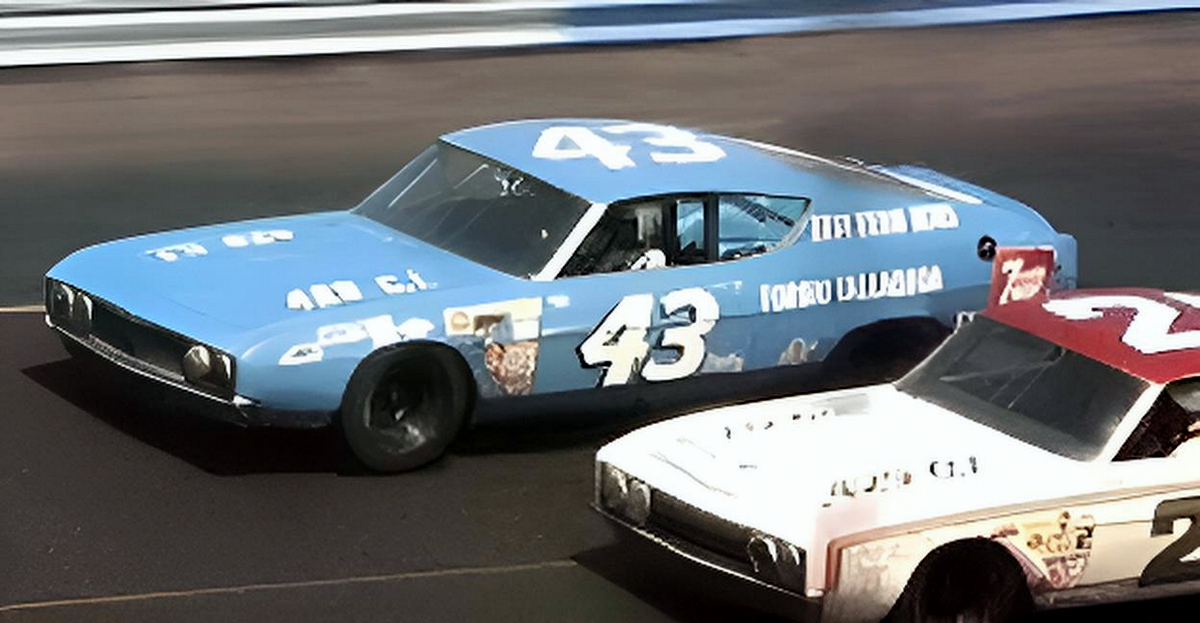
Chrysler introduced its famous 426 Elephant Hemi in 1964 when a future warrior king named Richard Petty drove his Plymouth to a championship during a season that started with the King’s first Daytona 500 victory when he led 184 out of 200 laps.
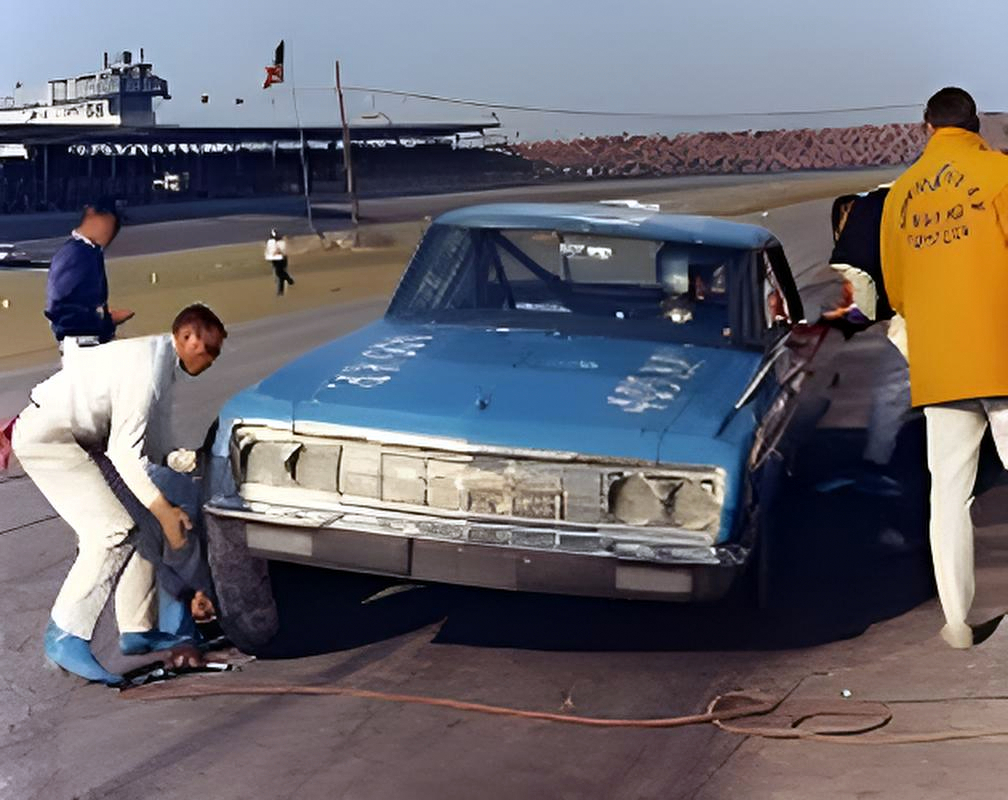
It was the stuff of legends for Petty fans, but NASCAR rewarded Chrysler with a 426 Hemi ban that forced the King to walk away from stock car racing in 1965. Chrysler responded by offering a 426 street-legal Hemi as a production engine option for its 1966 models and Richard Petty returned to stock car racing in dominant fashion.
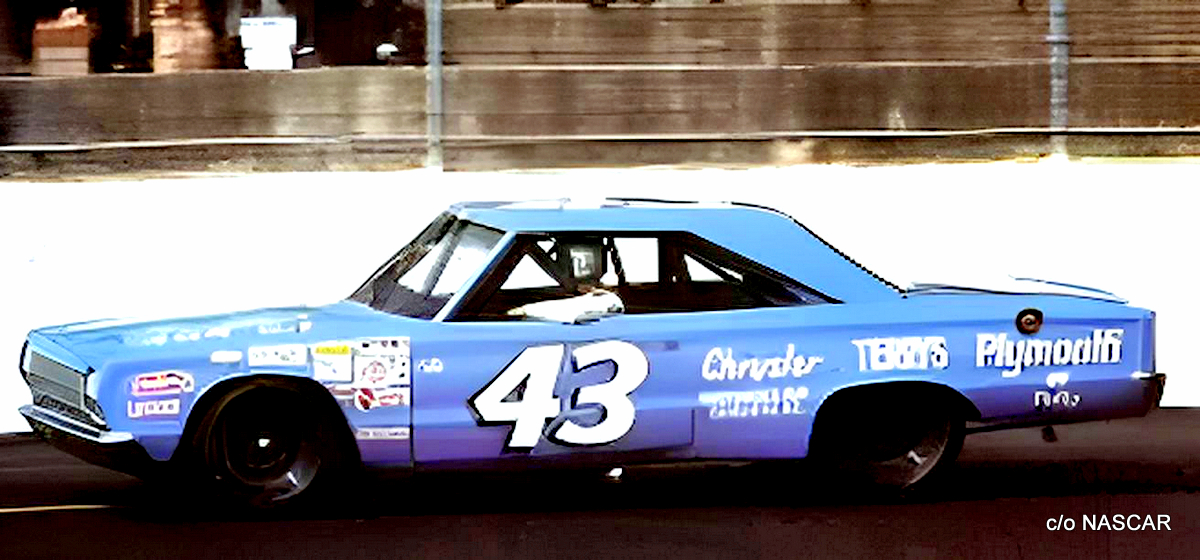
Petty obliterated the competition during the 1967 racing season and won 27 of 48 races, including 10 consecutive victories enroute to his championship. Mopar maniacs became Petty cultists because of King Richard and worshiped at his throne.
However, things changed in a huge way before the 1969 season because Ford had a better idea for their race cars. The Blue Oval boys designed a slick aerodynamic model built for the track and sold in limited editions by Ford dealerships so it would qualify as a “stock car”. It was named the Ford Talladega and built on a Torino platform.
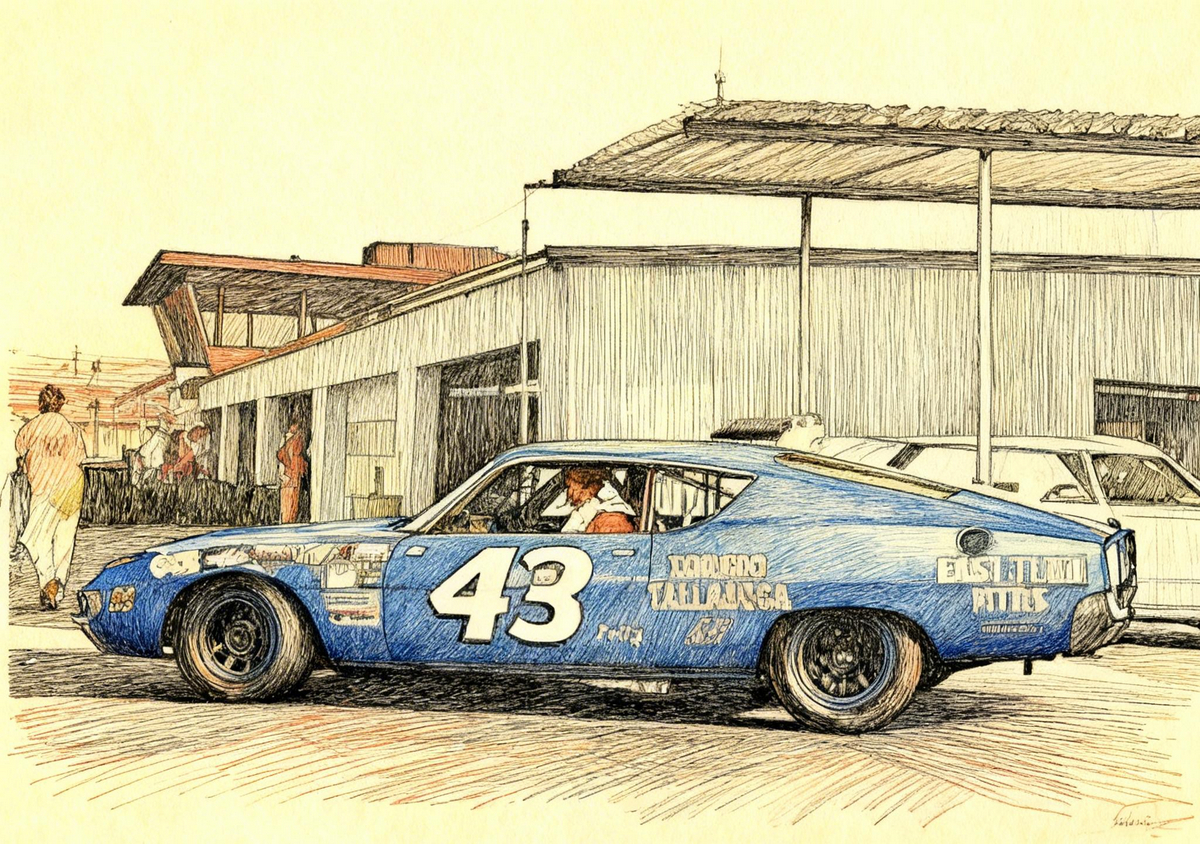
The car’s sleek design was created by Ford’s smartest nerds to drop their track car’s air resistance enough to blow by the blocky Mopars and win races-even if the Chrysler products had Hemi engines under their hoods.
The highly competitive Richard Petty realized the new Fords would run at the front of any pack and told Chrysler they needed a more aerodynamic design to compete with their archrivals. Petty’s suggestions fell on deaf ears and suddenly the King was a Ford boy in 1969.
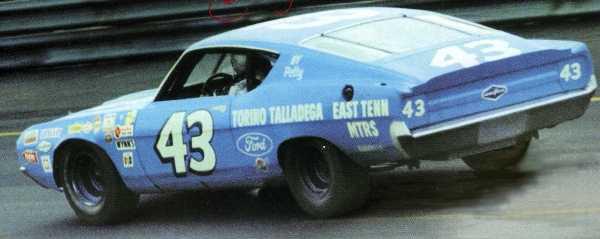
For Petty’s Mopar fans, the devastating news was an unholy Hatfield-McKoy wedding. They were shocked to learn the King had left them high and dry for an enemy car builder and would now race under the Ford banner. Even worse for Mopar fans, Petty won 10 races in 1969 and finished second in the championship run in a hated Ford.


It was very clear the 1969 Ford Talladega was an engineering marvel based upon the car’s air-cheating feature that ran from front to back, even including its rocker panels that were modified to fit with the aero extensions on the front fenders.
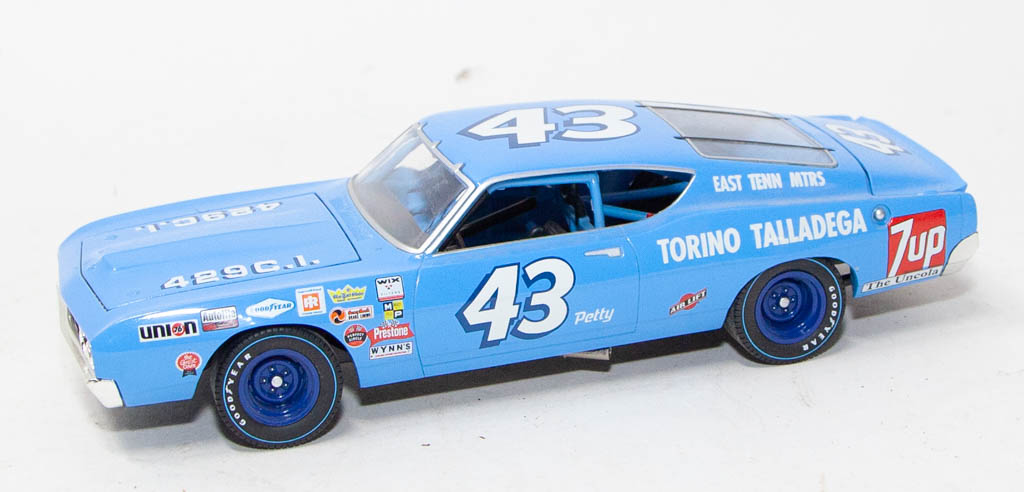
The net result was a very rare Ford muscle car that dominated on the track in 1969 and kidnapped a king that year. However, the war was not over because King Richard Petty returned to the Plymouth family in 1970 in a slick new Superbird, a predatory beast with the wildest aerodynamic package ever put on a domestic car.
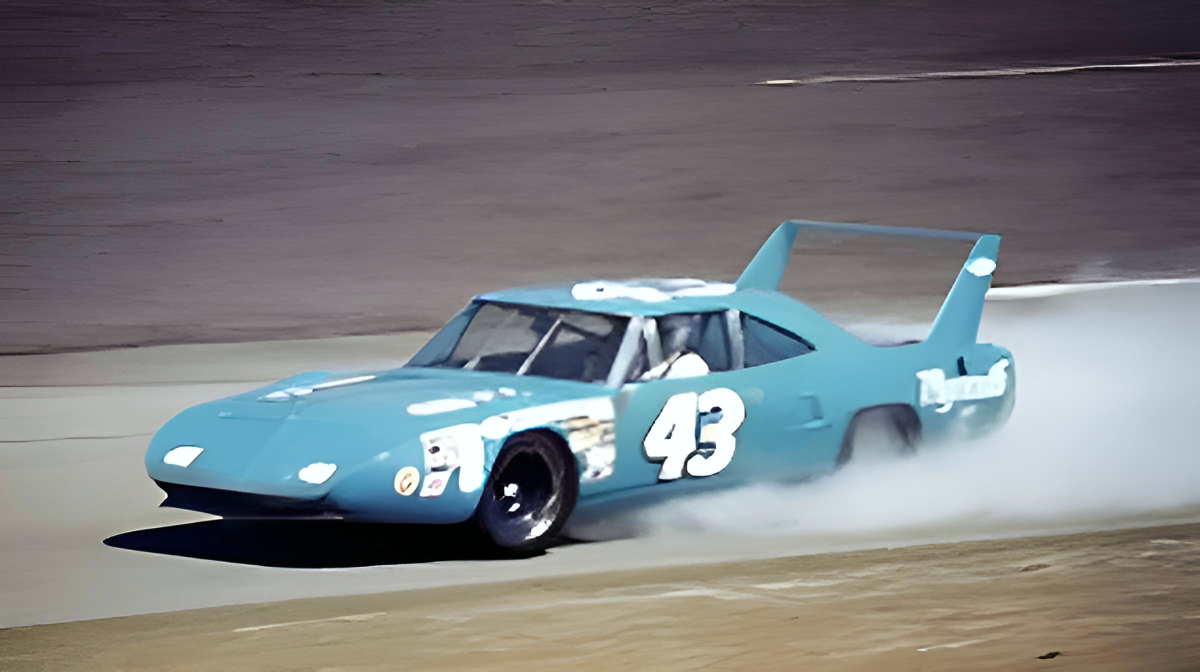
The aero wars were not over in NASCAR racing, and the King was back in his rightful castle in the eyes of Mopar fans.
But, for one year, Ford lived the NASCAR dream with an aerodynamic legend, the 1969 Ford Talladega.
Jim Sutherland
By: Jerry Sutherland
Jerry Sutherland is a veteran automotive writer with a primary focus on the collector car hobby. His work has been published in many outlets and publications, including the National Post, Calgary Herald, Edmonton Journal, Ottawa Citizen, Montreal Gazette, Saskatoon StarPhoenix, Regina Leader-Post, Vancouver Sun and The Truth About Cars. He is also a regular contributor to Auto Roundup Publications.
- CLICK HERE TO SIGN UP FOR THE NEWSLETTER
- CLICK HERE to Like us on Facebook
- CLICK HERE to Follow us on Twitter
- CLICK HERE to Follow us on Pinterest