


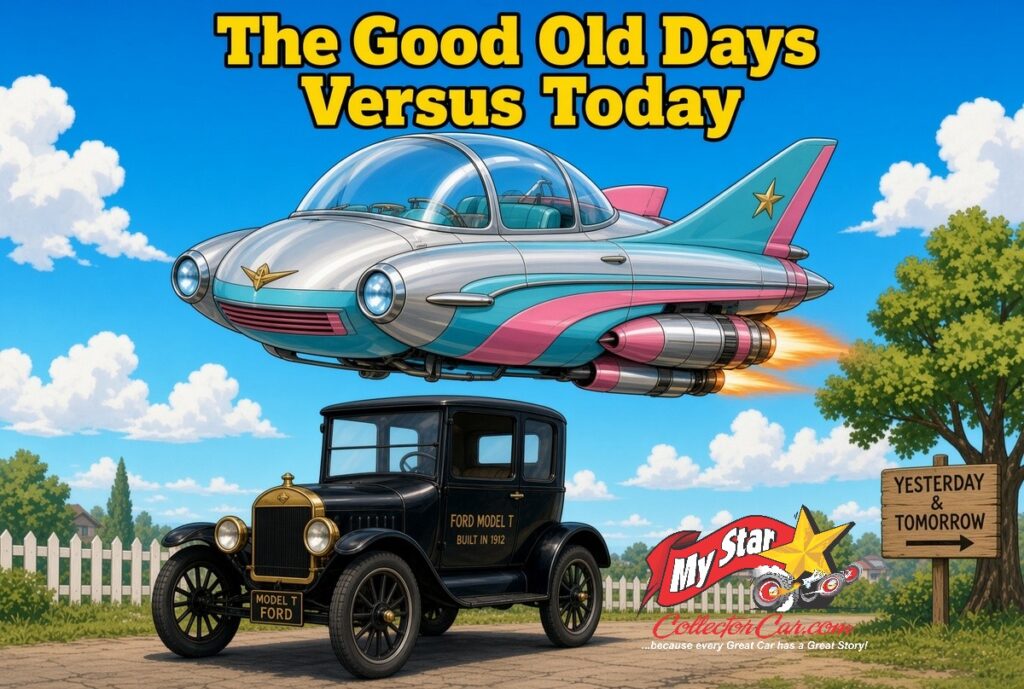
We all paint the good old days with a sentimental brush–the car hobby is based on it.
The truth is less kind to older cars because, just like real life, they were a strange mix of good and bad things.
Here’s a more realistic assessment of the good old days of cars.
Jerry Sutherland
They were built better. Anyone who owned a mass-produced car from the 1950s, 60s and 70s can tell you how wrong that statement is when it’s applied to the real world.
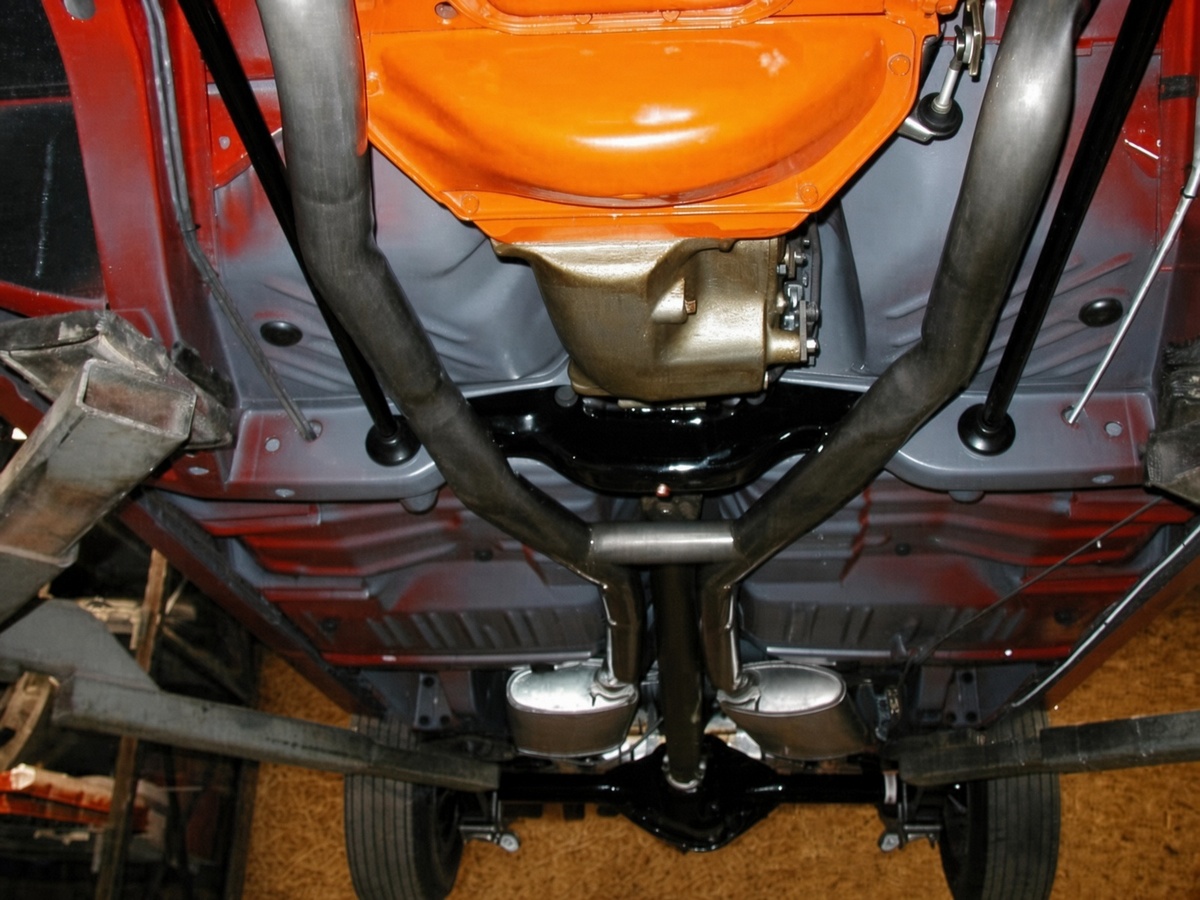
If you’ve done a frame-off restoration you’ve seen the carnage that passed itself off as quality control in Detroit’s golden era. The missed primer in rust prone areas, the thin dry paint on door edges and roofs that were clearly undersealed for rust proofing were all landmines waiting to be uncovered nightmares for guys working on them 40 years after the fact.


Those things are all part of the reality faced by today’s car guys who choose to work on old iron. Surprisingly enough, a correct restoration will recreate all those mass production flaws.
New cars are better for collisions. On the surface, this is true because a properly-belted guy driving an SUV with crumple zones and 217 airbags will give the driver a fighting chance in a major crash.
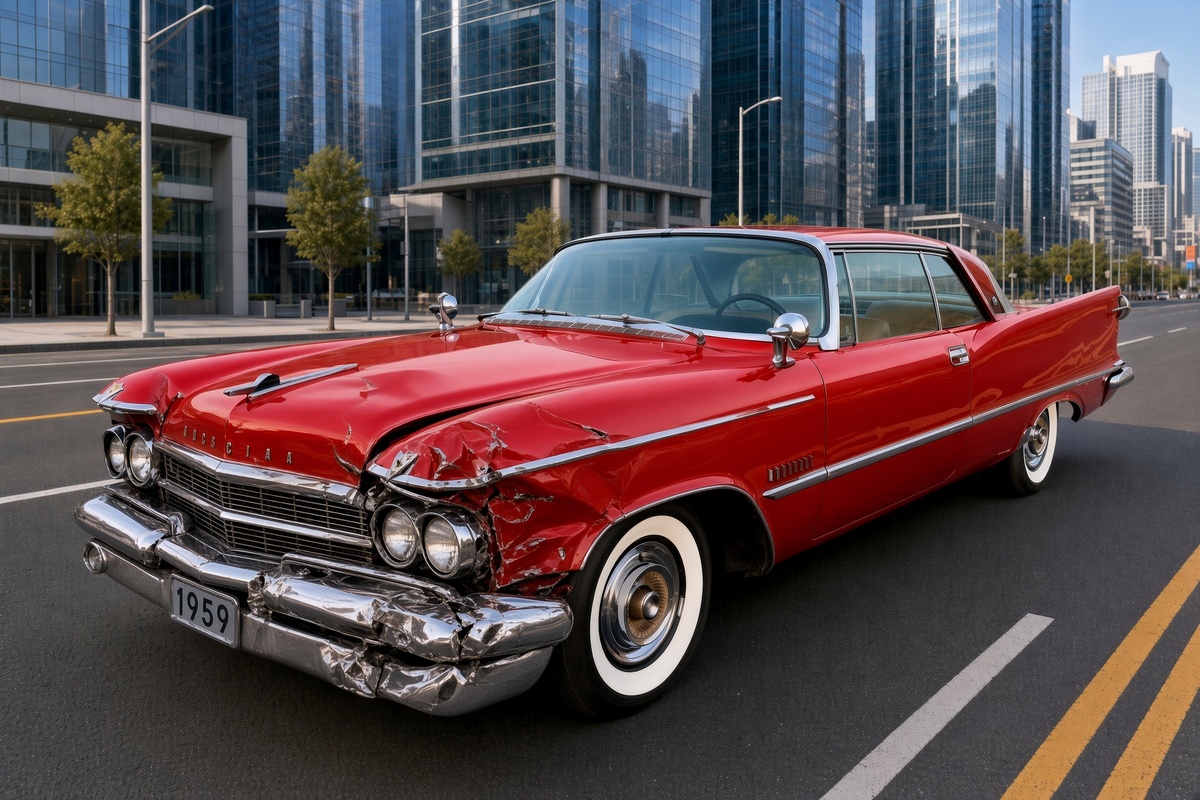
That may be true, but I like my chances with a ’59 Imperial in a 30 mph, offset T-bone collision into the side of that same SUV. I even like my chances of driving the Imperial away from the crash with a bent bumper being the biggest wound on the car.
There’s a big difference in metal gauge between 1959 and 2026. If you don’t believe that, try pulling out a minor dent in the Imperial versus a brand-new Subaru.
Cars are more reliable nowadays. That is basically true because they have so many checks and balances in their computer-controlled world that your car can tell you when you’ve lost 2 pounds in its right rear tire.
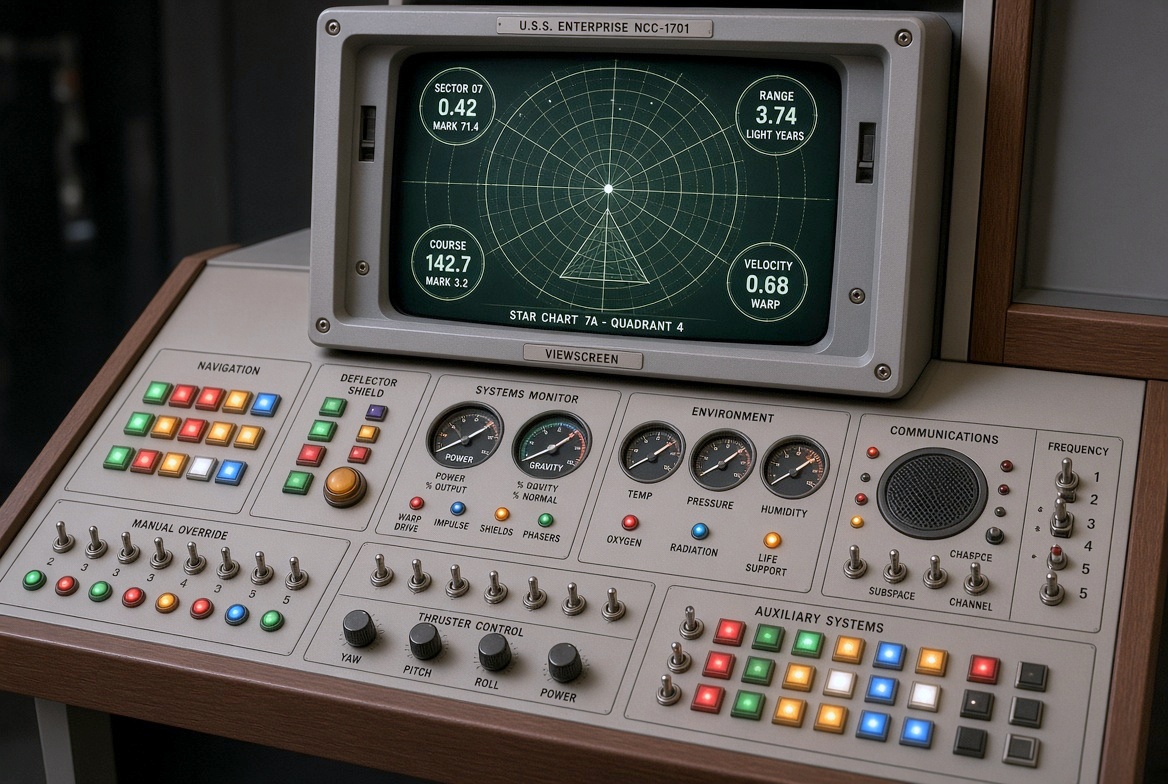
The computer power is a strength and a liability at the same time with your car, because when it fails, it fails dramatically. You can open the hood but you’re going to close it with the same mystified look you had when you opened it.

You can try your diagnosis app and it will tell you have a faulty alternator module–and that means you are done. Now your car is telling your car’s computer it can’t start because the starting protocol is messed up. In other words, you’re hitchhiking.
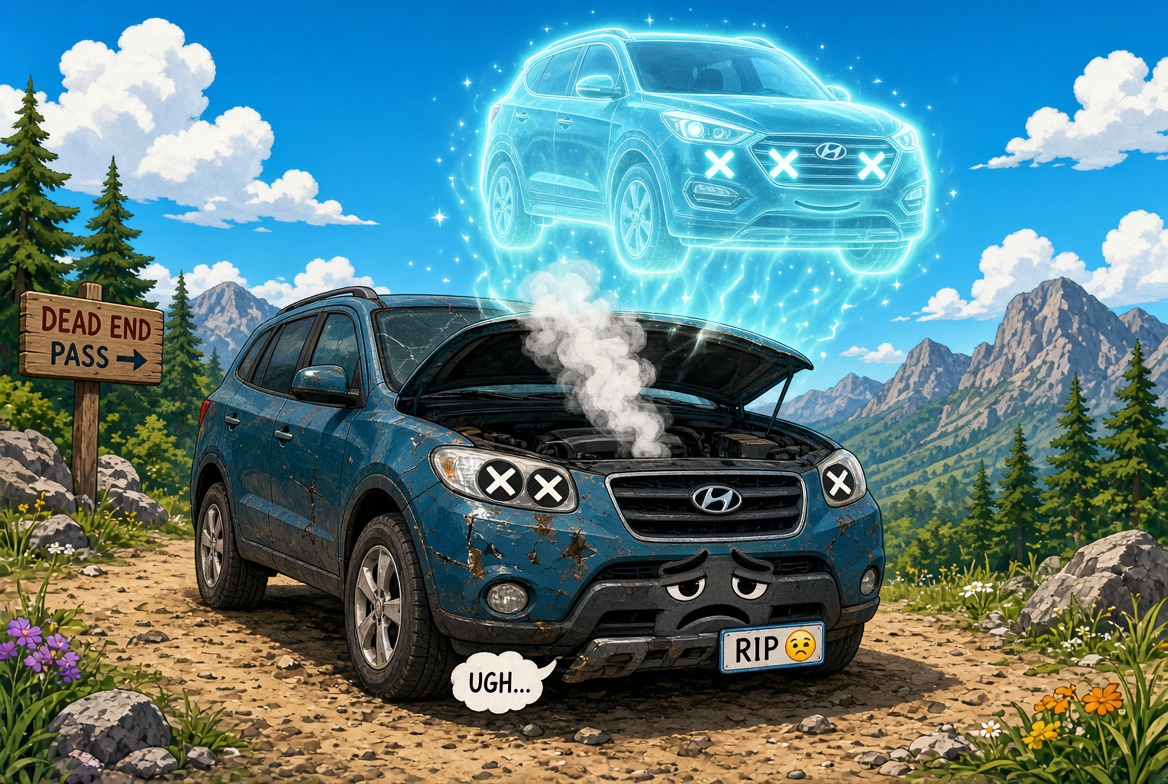
Gone are the days when a well-placed tap on the starter could get the old Merc back on the road. You are officially on the side of the road with a dead Hyundai.
Despite that liability, tech stills extends the life of today’s engines because they run cleaner and more efficiently under state-of-the-art fuel delivery systems.
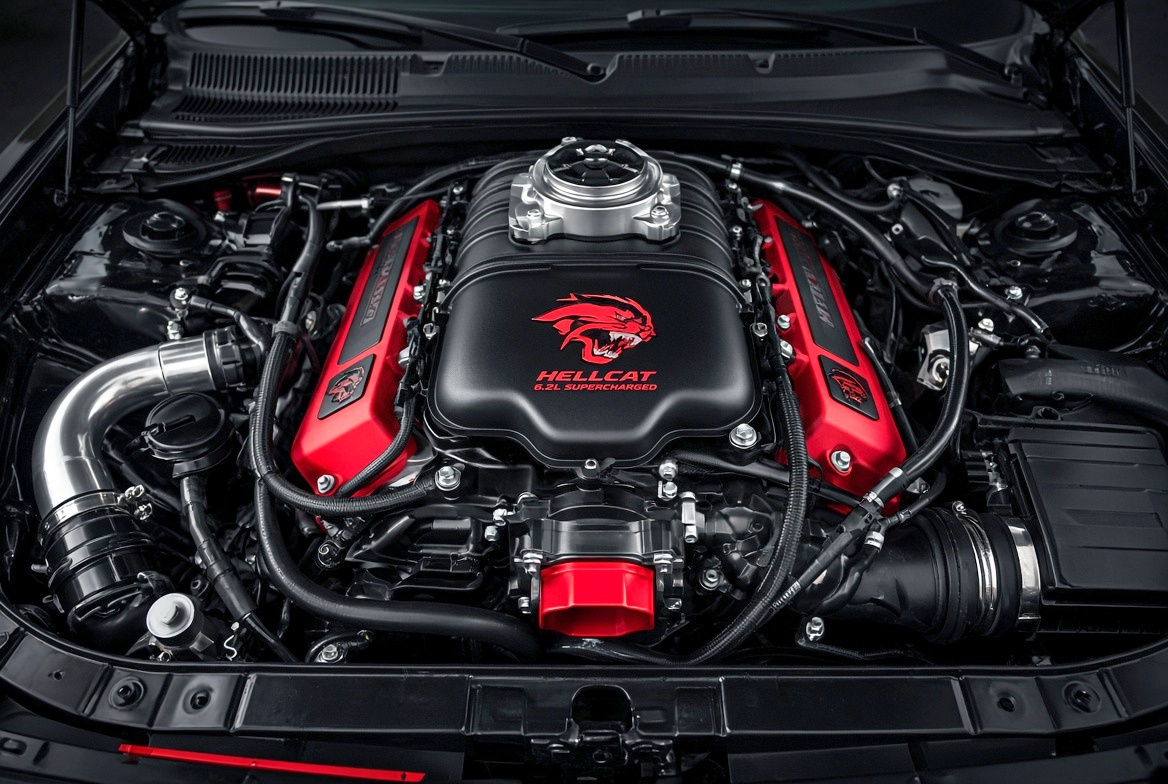
They don’t wash fuel down the cylinders like a carb does, plus they can deliver 700 horsepower and 30 miles per gallon at 70 mph.
This is a simple lesson—the old days came with old problems. But you could solve them.
Jerry Sutherland
By: Jerry Sutherland
Jerry Sutherland is a veteran automotive writer with a primary focus on the collector car hobby. His work has been published in many outlets and publications, including the National Post, Calgary Herald, Edmonton Journal, Ottawa Citizen, Montreal Gazette, Saskatoon StarPhoenix, Regina Leader-Post, Vancouver Sun and The Truth About Cars. He is also a regular contributor to Auto Roundup Publications.
- CLICK HERE TO SIGN UP FOR THE NEWSLETTER
- CLICK HERE to Like us on Facebook
- CLICK HERE to Follow us on Twitter
- CLICK HERE to Follow us on Pinterest