


Corvette is a named steeped in automotive legend with a history that goes back to 1953 in the folklore of General Motors.
The famous American sports car broke the mold when it debuted 73 years ago during an era when practical cars were the order of the day.
Jim Sutherland
General Motors decided to step away from a tamer early 1950s approach to transportation and built the Corvette, a car designed to fit only two people and run against the typical multi-passenger people-haulers sold by the automotive giant.
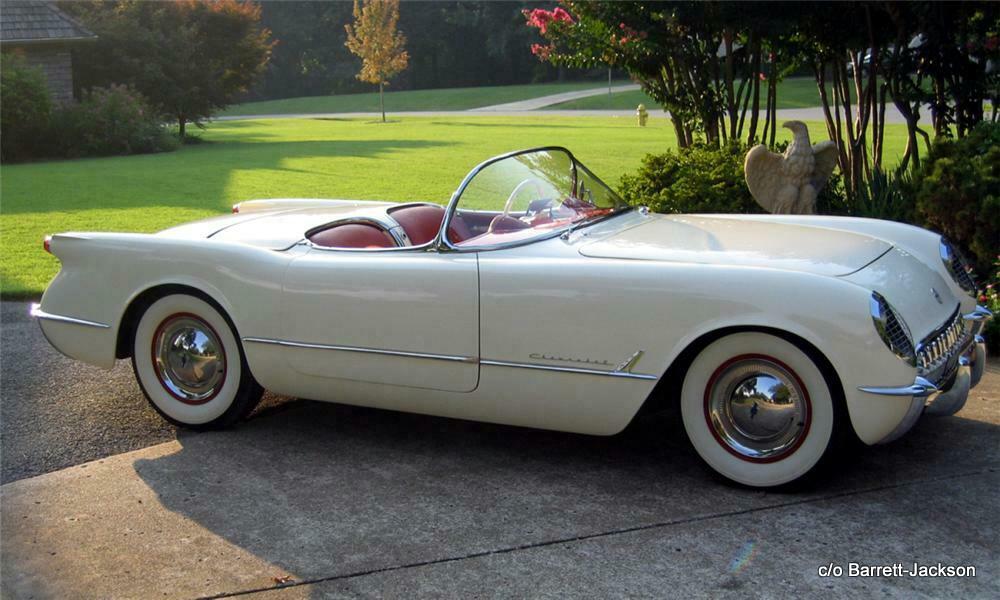
Herds of kids were the order of the day in 1953, so a Corvette was a highly unusual mode of transportation for a typical buyer. Check that, a 1953 Corvette was a highly impossible mode of transportation for a typical buyer.
The good news is a ’53 Vette was a solid choice for an atypical buyer: the single guy without a family and subsequent responsibility issues that required a car with more seats for more kids. There was nothing particularly remarkable about the 1953 Corvette in terms of overall performance, but it looked like a sporty set of wheels during an era when two-seater cars built in America were as rare as Communist sympathizers.
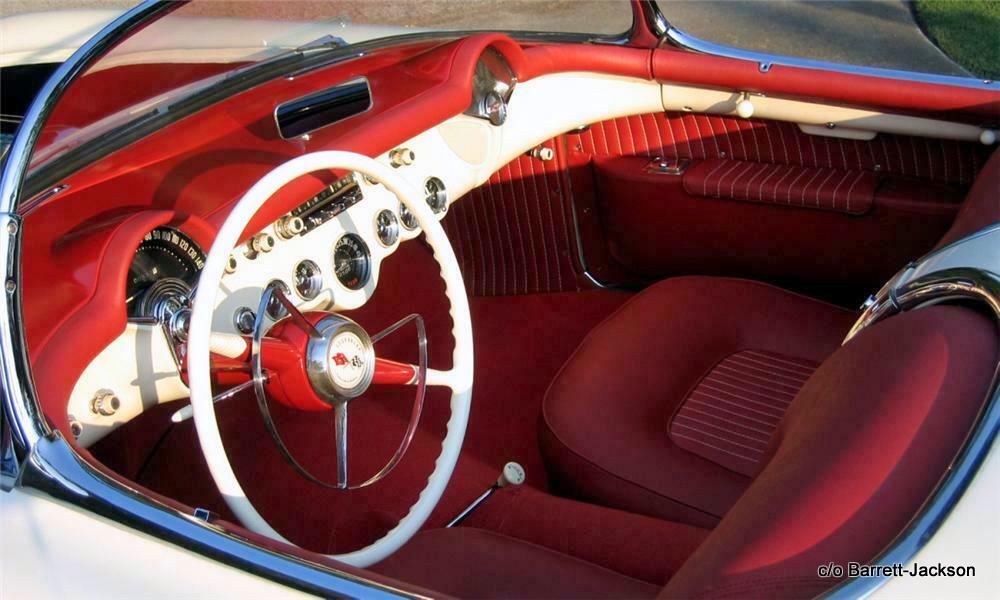
The Corvette gamble proved to a be a solid one because the General still builds them in 2026, although they are now raging beasts that can run with the big dogs all day every day.
The Corvette legend prompted GM to create a car model that played off the Vette name in some fashion and cashed in on its fame. The first name experiment was the Corvair, although it debuted as a concept car in 1954 with strong Corvette roots.
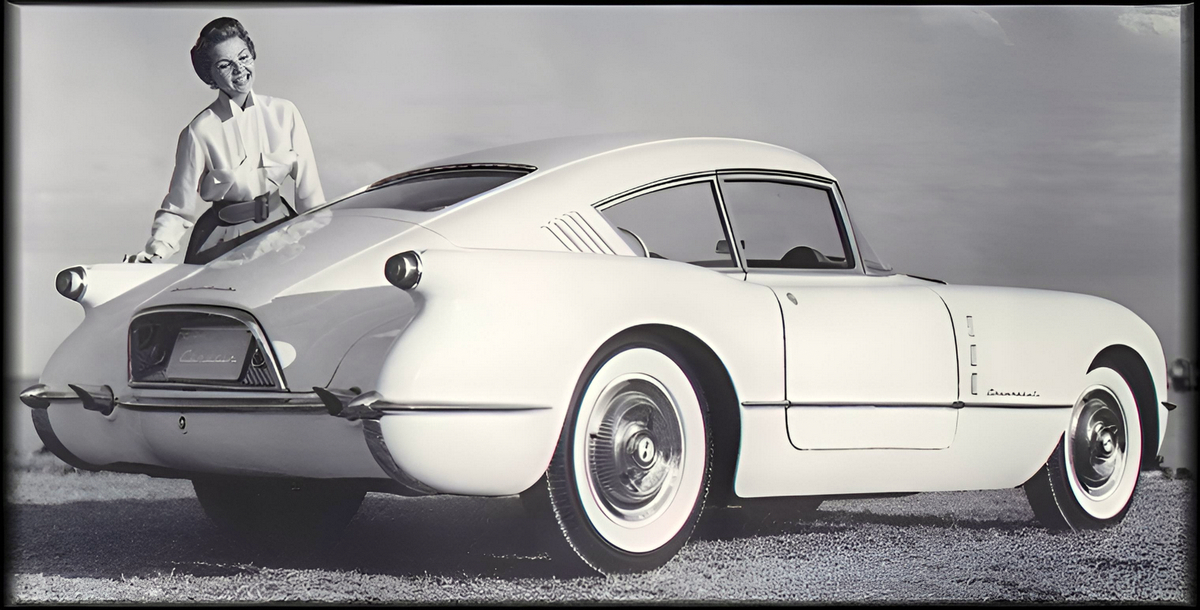
The what-if ‘54 Corvair had a sleek fastback design with a radical rear deck that paid homage to the early days of the jet age. The concept car’s handle mashed Chevy’s Corvette and Bel Air names together and came up with Corvair.


The original Corvair concept car never achieved altitude as a very cool production sports car but eventually the name resurfaced on GM’s factory version in 1960. Even better, the 1960 Corvair had an appropriate air-cooled rear engine that could blow the doors off a VW Beetle and offered much more passenger room in the bargain.
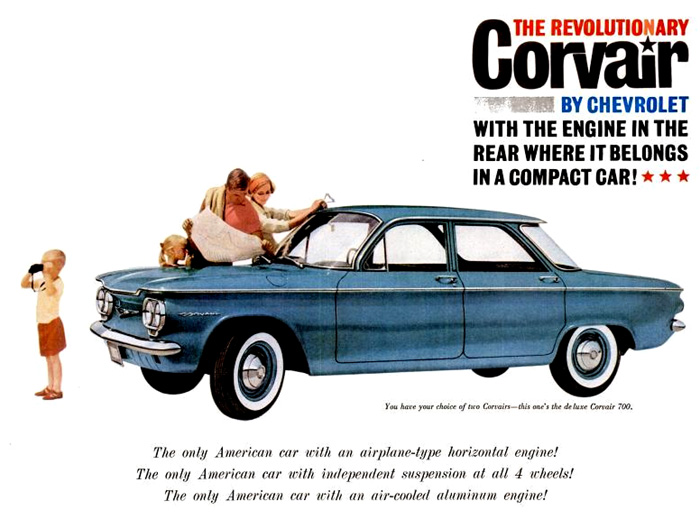
The Corvair was a winner during the early days of North American compacts, but it ran into a brick wall when consumer advocate Ralph Nader crucified the car in a best-seller book titled ‘Unsafe At Any Speed’.
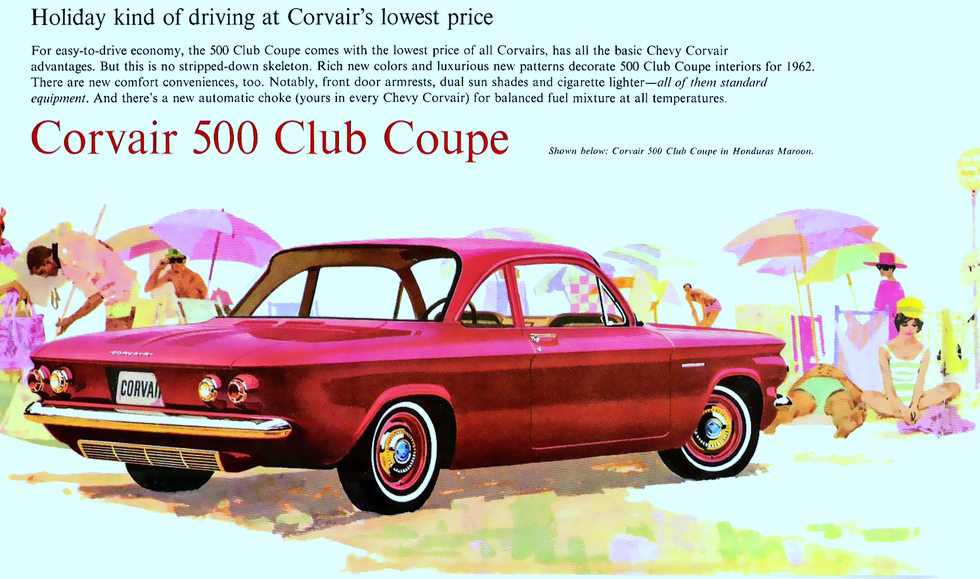
Nevertheless, the Corvair was sold from 1960 until 1969, despite Nader’s best efforts to nuke the car model in his book.
The other GM model that borrowed from the Corvette name was the sub-compact Chevette built from 1976 until 1987. The Chevette name was used to reflect its “Baby Chevy” size, but the ‘Vette part of the name was likely also a nod to the legendary Corvette.
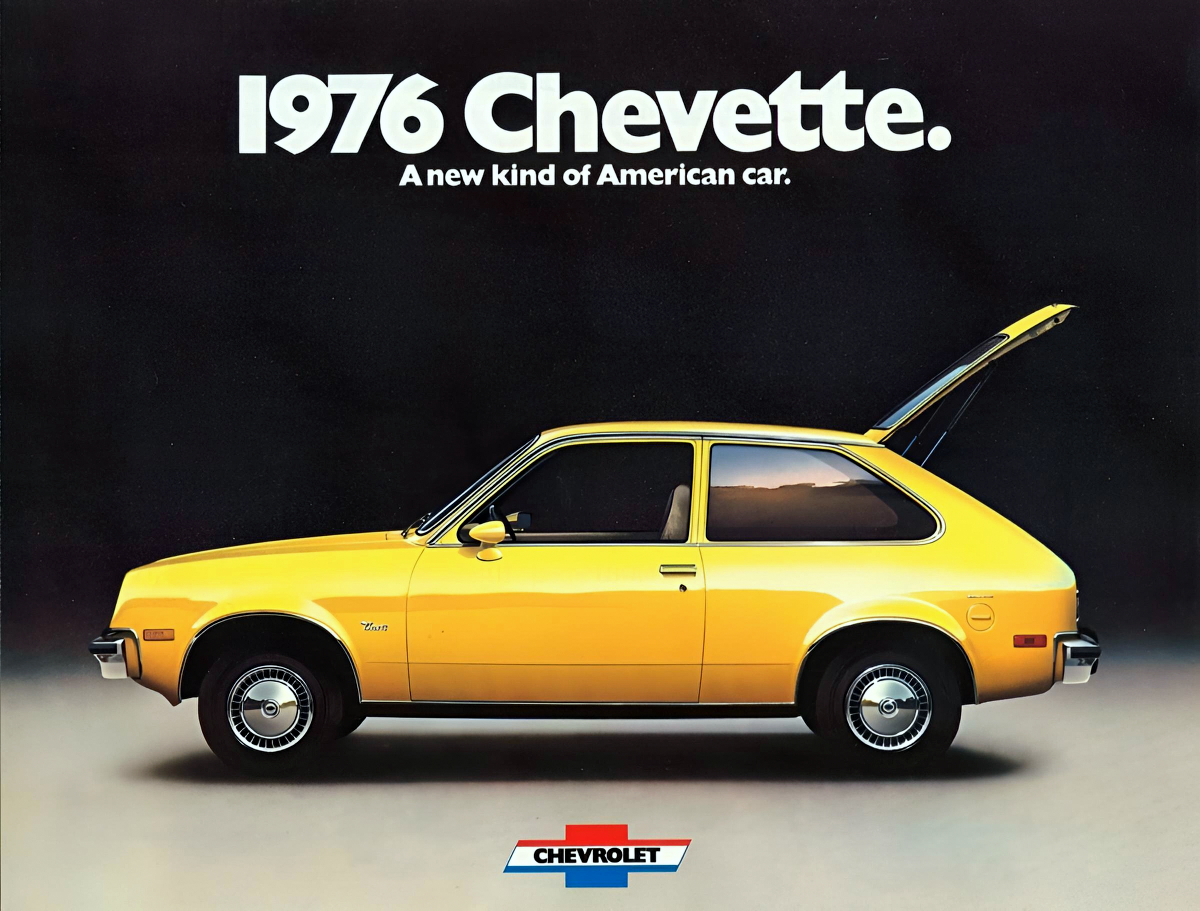
The Chevette was a modest, compact car with solid MPG and sales numbers because it sipped fuel during a tumultuous time when gas prices soared and small import cars answered the bell in the sub-compact department.
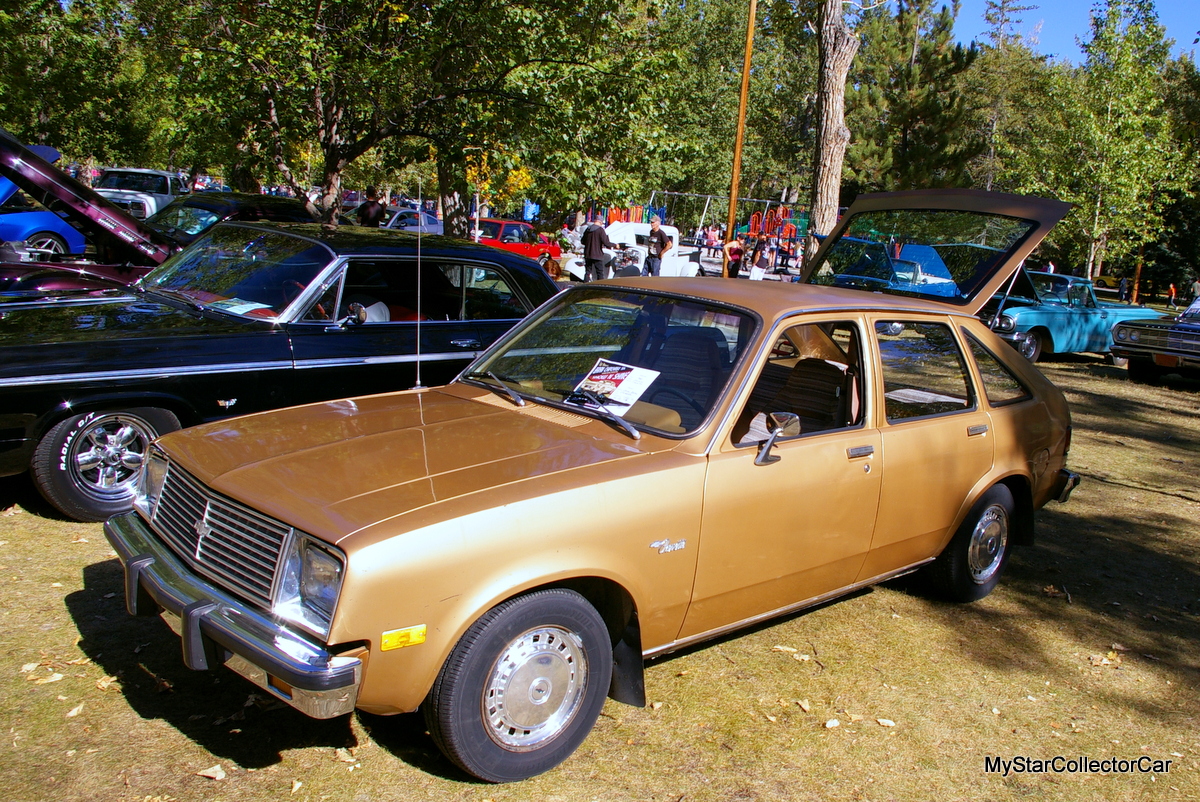
The humble little Chevette was a cheap solution to transportation issues during its 11-year production run but any resemblance to its Corvette stablemate required a very active imagination and probably hallucinogenic drugs to connect the dots.
Perhaps the best argument was both cars were nicknamed “Vettes”.
Jim Sutherland
BY: Jim Sutherland
Jim Sutherland is a veteran automotive writer whose work has been published by many major print and online publications. The list includes Calgary Herald, The Truth About Cars, Red Deer Advocate, RPM Magazine, Edmonton Journal, Montreal Gazette, Windsor Star, Vancouver Province, and Post Media Wheels Section.
- CLICK HERE to Sign Up for the Newsletter
- CLICK HERE to Like us on Facebook
- CLICK HERE to Follow us on Twitter
- CLICK HERE to Follow us on Pinterest