


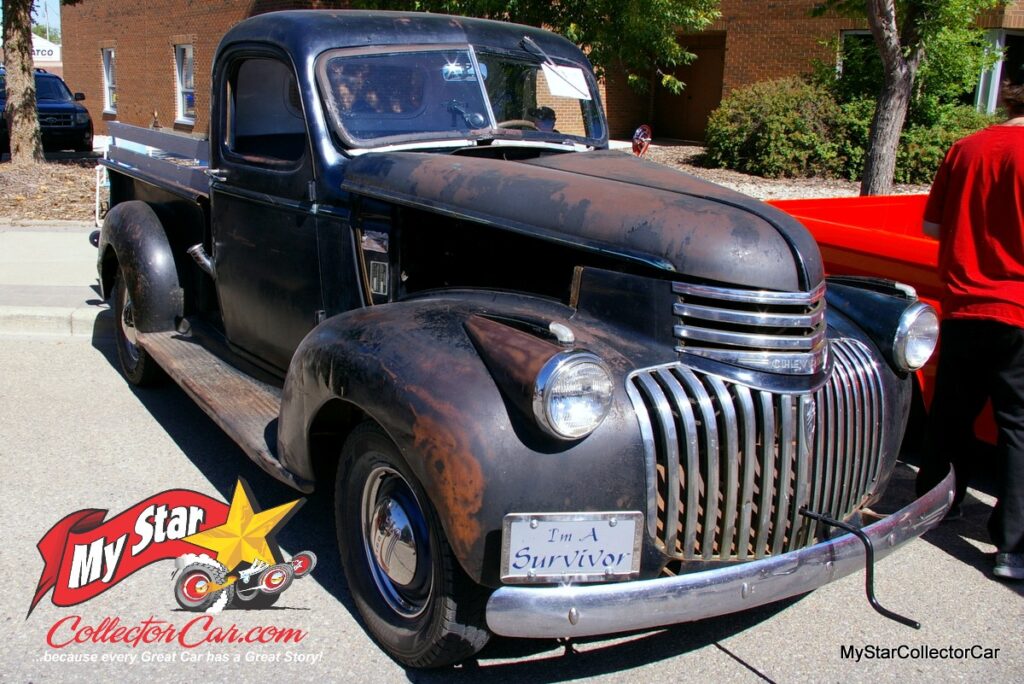
1941 marked the beginning of the end for most conventional automotive manufacturing in North America, including civilian pickup trucks.
It’s true a few domestic vehicle brands were built for the 1942 model year, but the United States officially entered into World War Two in early December 1941 after the Pearl Harbor attack on December 7th that year.
Jim Sutherland
The net result was the United States set aside its automotive manufacturing and built military equipment. The Canadian automotive builders had already switched to military equipment because Canada had joined the war earlier and wound down their civilian vehicles after 1941.
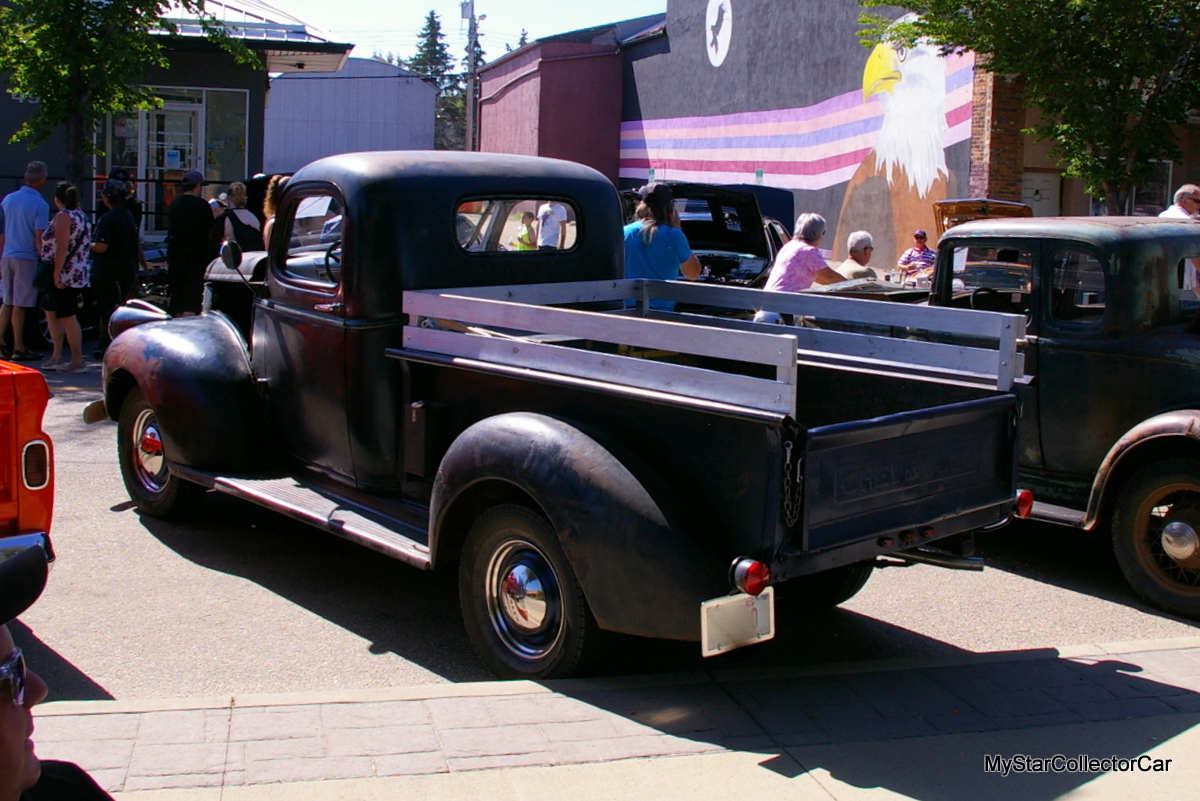
Consequently, a 1941 Chevy pickup truck built in Canada would mark the last manufacturing of civilian vehicles in that country and, out of necessity, needed to work longer than usual before its retirement.


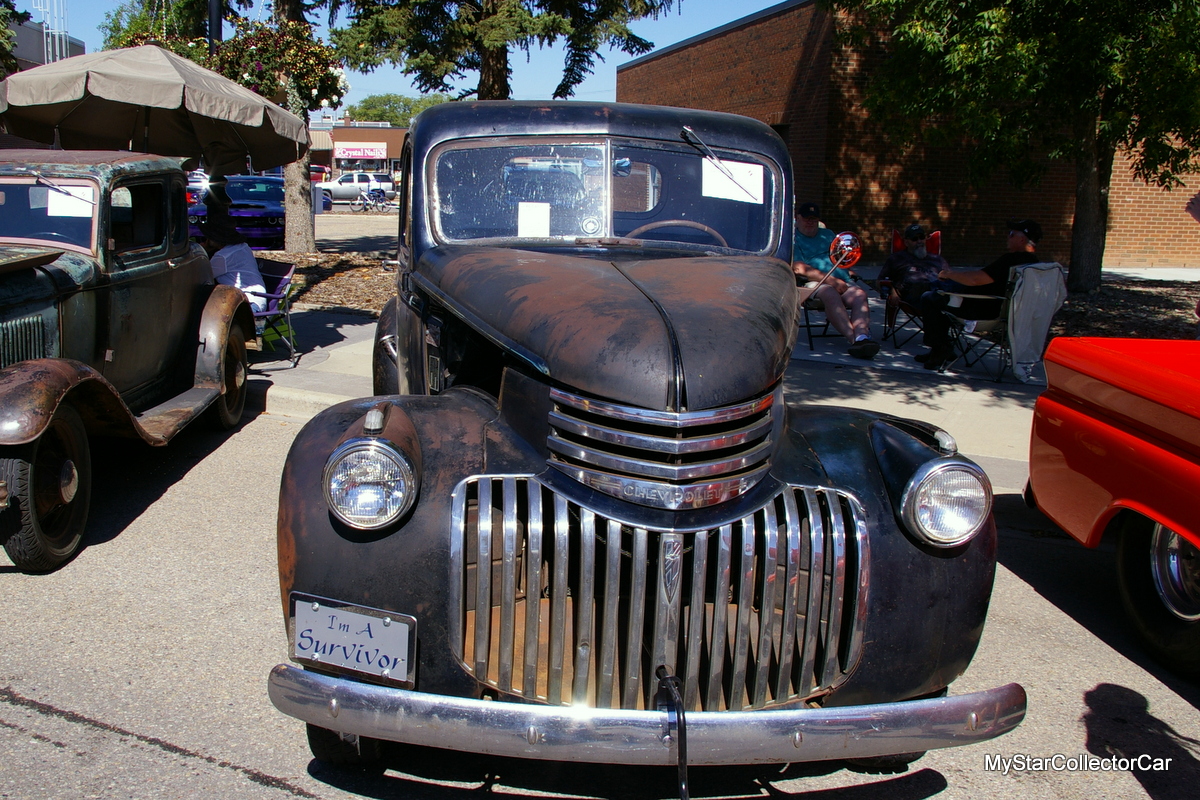
The ’41 Chevy was used as a farm truck and worked very hard before the old pickup was finally pulled from active duty and left on a farm in southeast Alberta Canada for a long period of time.
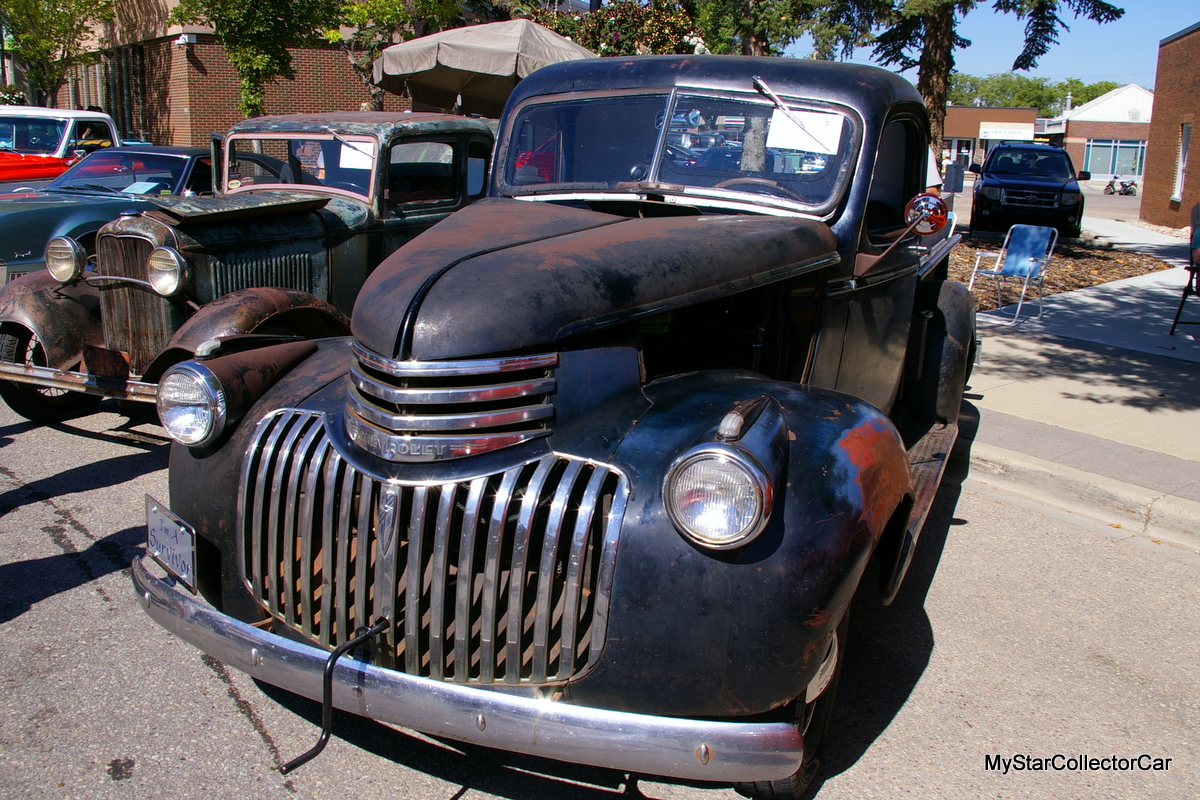
Lester Dahl became aware of the 1941 Chevy pickup in 2024 and decided to rescue it from an uncertain fate on the precious owner’s farm. Most car guys will be very surprised to hear that Lester had little trouble firing up the truck and was able to get it running right off the bat.
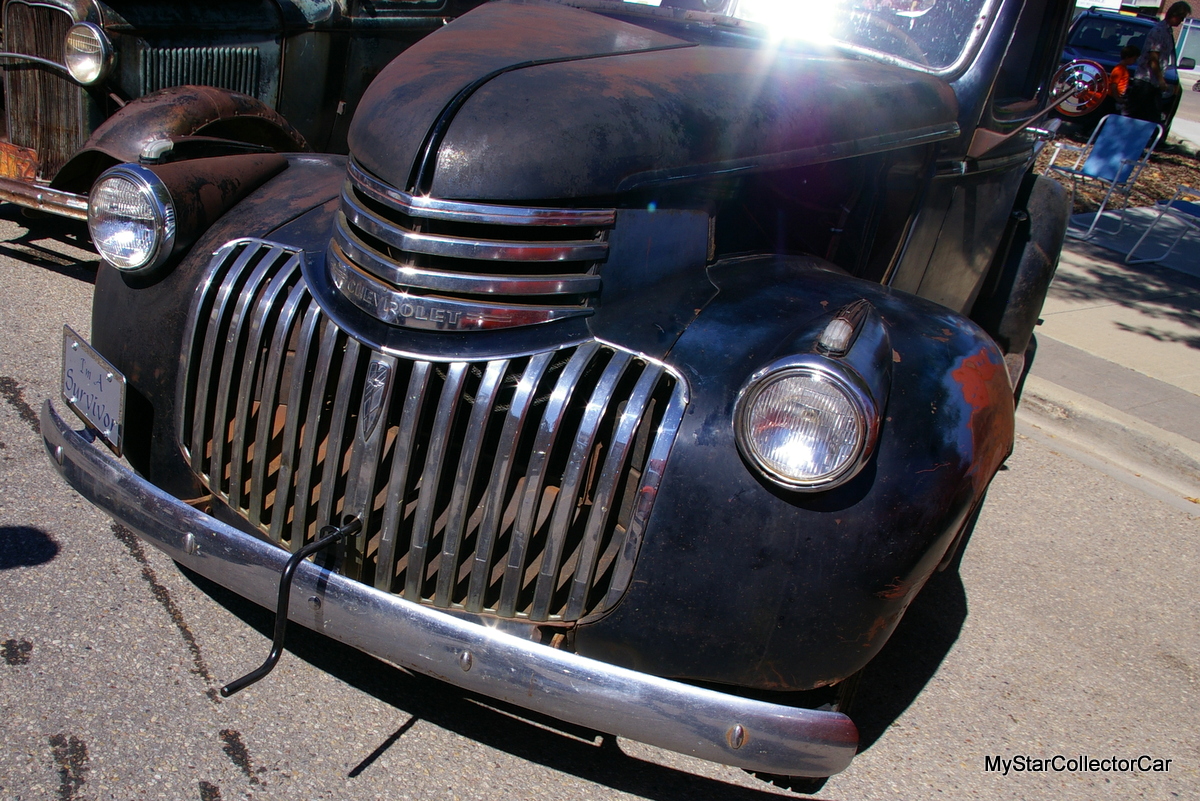
The fact his truck was a runner inspired Lester to move forward with other mechanical repairs to make it roadworthy. Lester replaced the brake system, steering components, along with the truck’s weather-beaten and worn tires to make it pass a mechanical inspection. He also added an Ooga horn to comply with the inspection because the truck’s factory horn did not work.
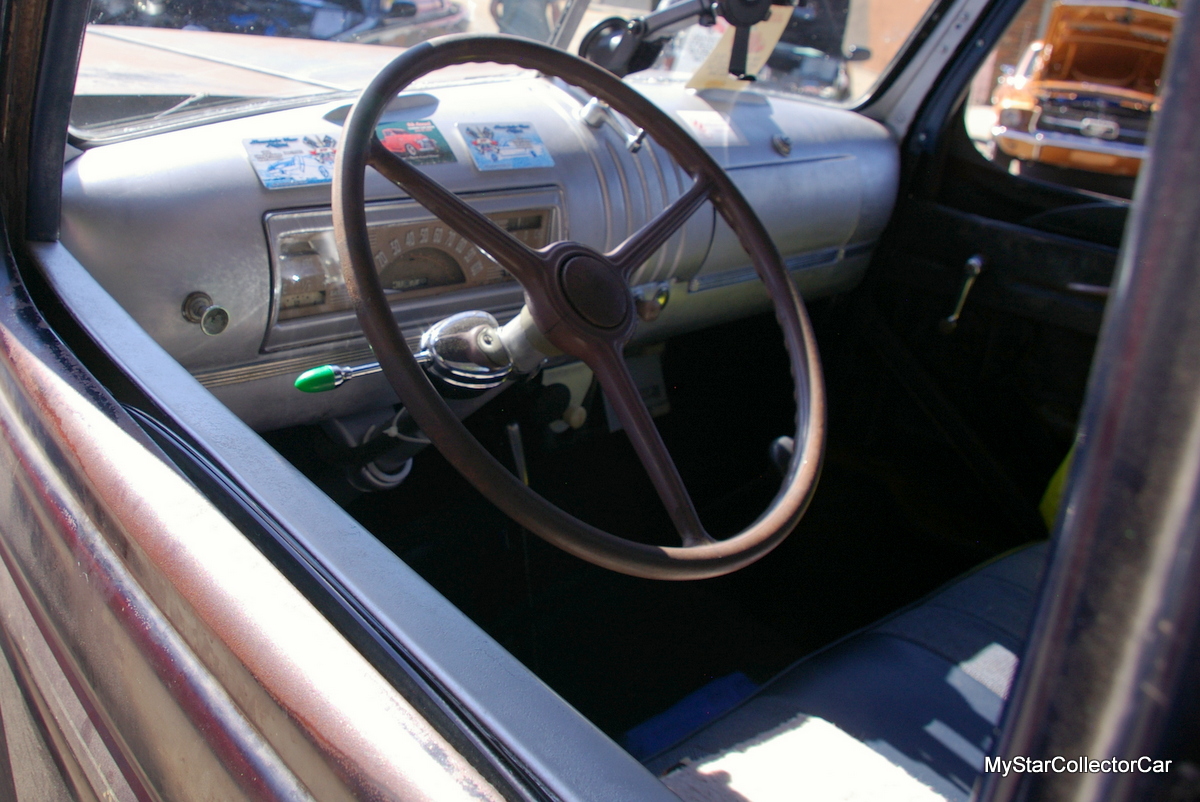
1941 Chevy trucks did not leave the factory with signal lights, so Lester added an aftermarket system because today’s drivers are not familiar with hand signals. As a result, he made signal-via- flashing-turn-lights to simplify the process for other drivers on the road.
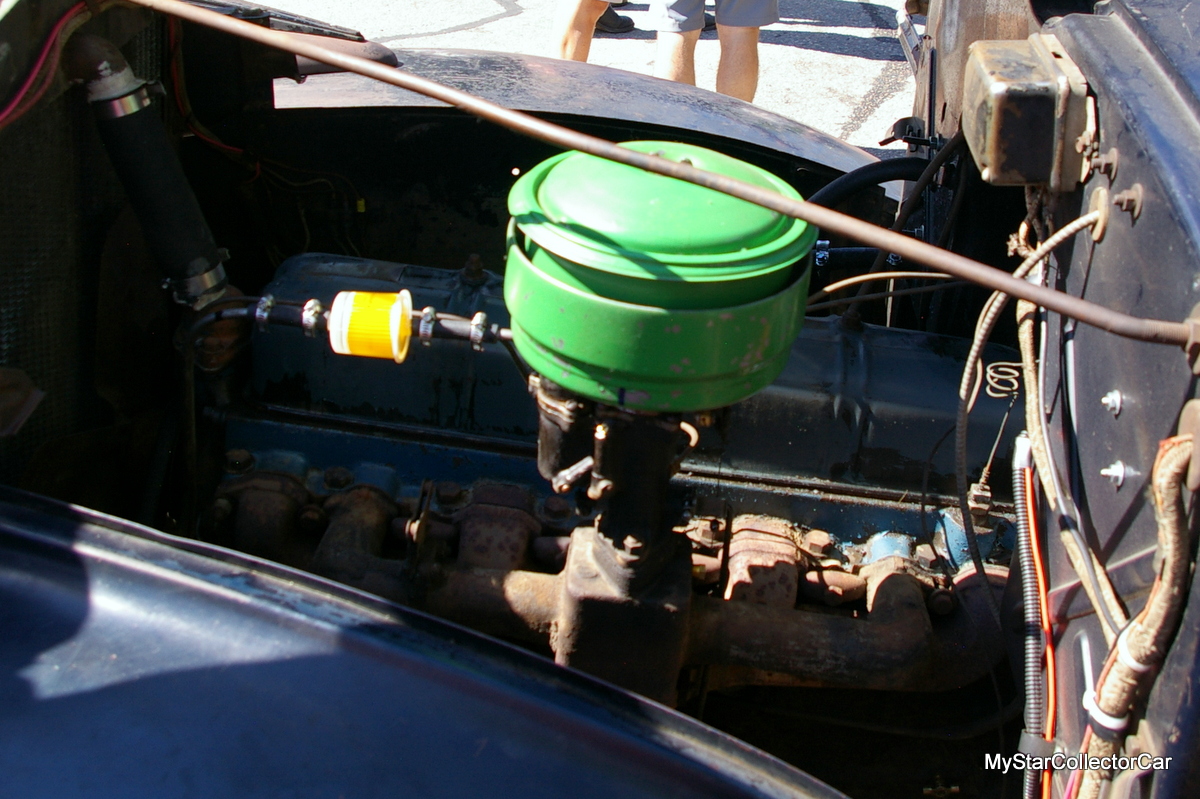
The ’41 Chevy pickup did not have a tailgate when Lester bought it, but he was able to find one for the 85-year-old truck. Lester also put a conventional inline fuel filter on the truck’s factory six-cylinder engine to help prevent a clogged carburetor on it.
The interior of the truck has undergone one change because its bench seat’s upholstery was ravaged by use and time, so Lester put new material on the seat.
However, he chose to preserve his truck’s history etched into its outer skin and chose not to cover the history with new paint. Lester was very impressed with the lack of rust on the truck and noted its thick metal skin was too tough for extreme corrosion.
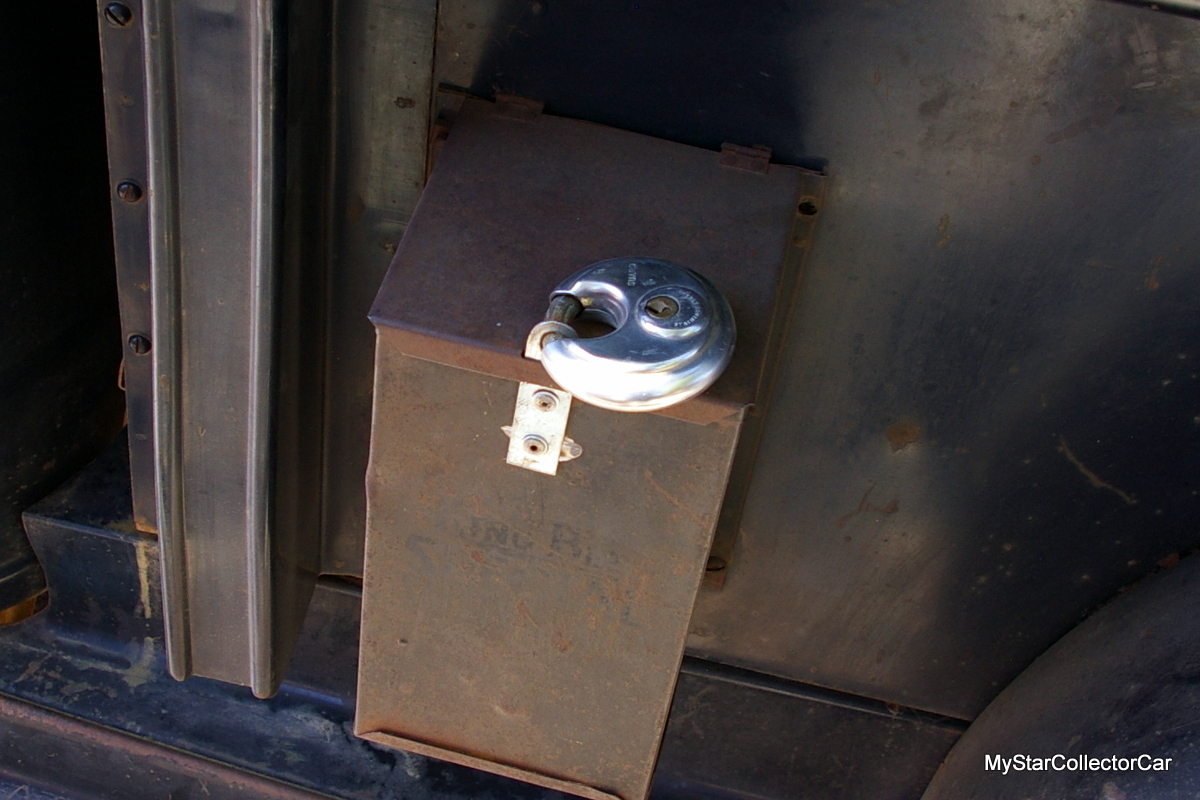
Lester likes to drive his ’41 Chevy truck and does not abuse it on road adventures. Instead, he keeps a steady 45 mph pace (roughly 70 km/h) and enjoys the trip, complete with a windshield that opens to allow a cool and steady airflow in the cab. Lester describes the windshield feature as “just beautiful”, in terms of its cooling function.
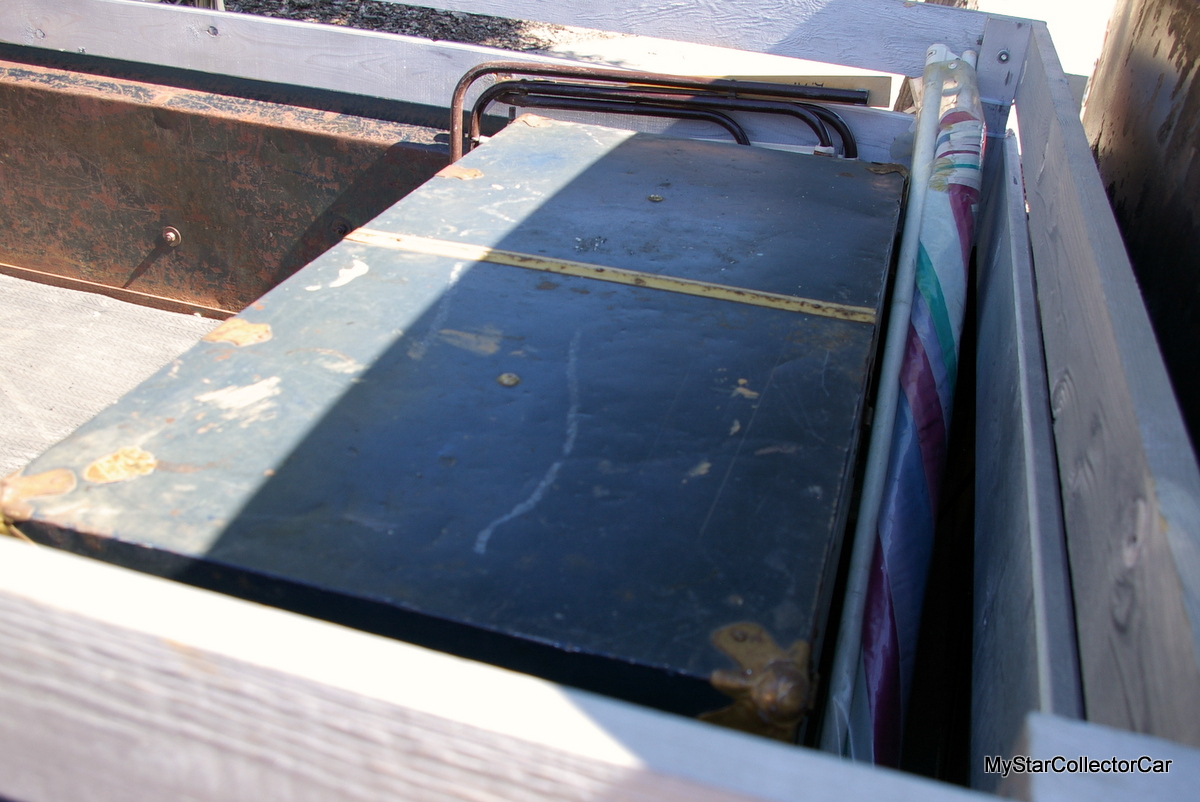
The vintage trunk in the Chevy’s bed was donated by Lester’s sister and doubles as a storage container for his tools. Lester is a hands-on owner who is also practical and likes to be prepared for roadside repairs.
This car guy has a happy ending because Lester was the right guy at the right time to own this old farm truck.
Jim Sutherland
BY: Jim Sutherland
Jim Sutherland is a veteran automotive writer whose work has been published by many major print and online publications. The list includes Calgary Herald, The Truth About Cars, Red Deer Advocate, RPM Magazine, Edmonton Journal, Montreal Gazette, Windsor Star, Vancouver Province, and Post Media Wheels Section.
- CLICK HERE to Sign Up for the Newsletter
- CLICK HERE to Like us on Facebook
- CLICK HERE to Follow us on Twitter
- CLICK HERE to Follow us on Pinterest