



The car hobby is more than a pastime—it’s also big business.
MyStarCollectorCar focuses on the personal side of the hobby–because the personal side makes for the best stories.
Beyond that warm and fuzzy world lies the clinical side of the car hobby—the numbers.
Jerry Sutherland

I read a major marketing firm’s assessment of where the classic car hobby is headed, and the numbers were incredible. The car hobby generated 37.52 billion in 2024, 40.8 billion in 2025 and is estimated to hit 94.13 billion in 2035.
They projected the CAGR (compound annual growth rate) at 8.72% over the forecast period from 2025-2035. Those are numbers any sane financial adviser would dream about for their clients.

I was surprised by that projection, because conventional wisdom (plus experience at car shows) tells me the average car guy is definitely getting older. So why would the car hobby grow at such a solid rate?

This report said there is growing interest in the hobby with younger collectors who are attracted to classic vehicles. Essentially, younger buyers are interested in old iron because the classics are cool–and they have an upside as an investment.
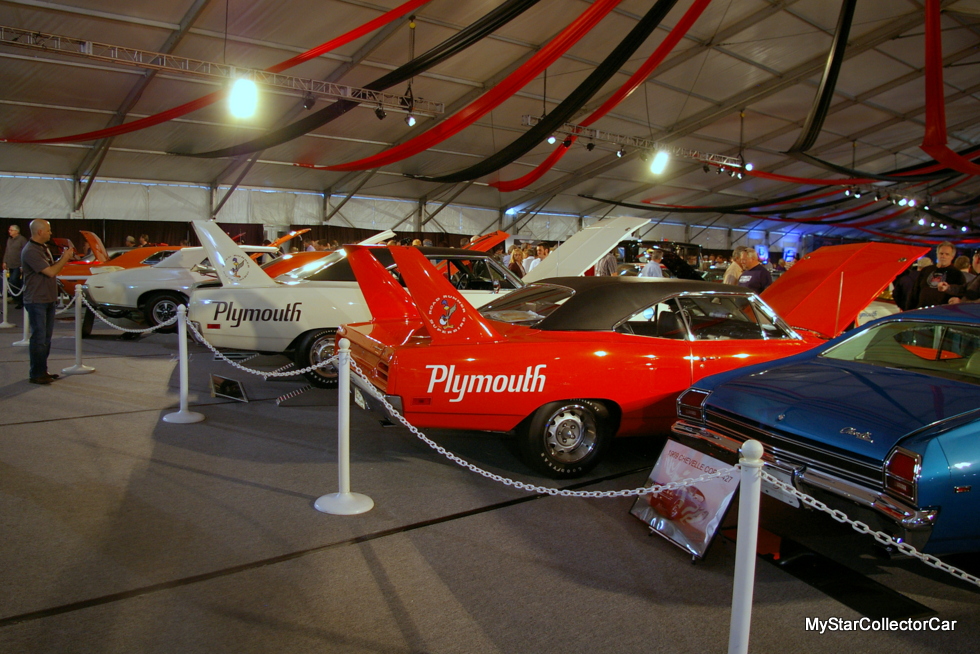
In other words, that old classic is the 4-wheeled equivalent of a blue-chip stock.
They listed other reasons why the car hobby is a bullish market. New technology means you can drive a classic muscle car that handles like a new Honda Accord—and gets equivalent mileage. It’s all because of new tech.
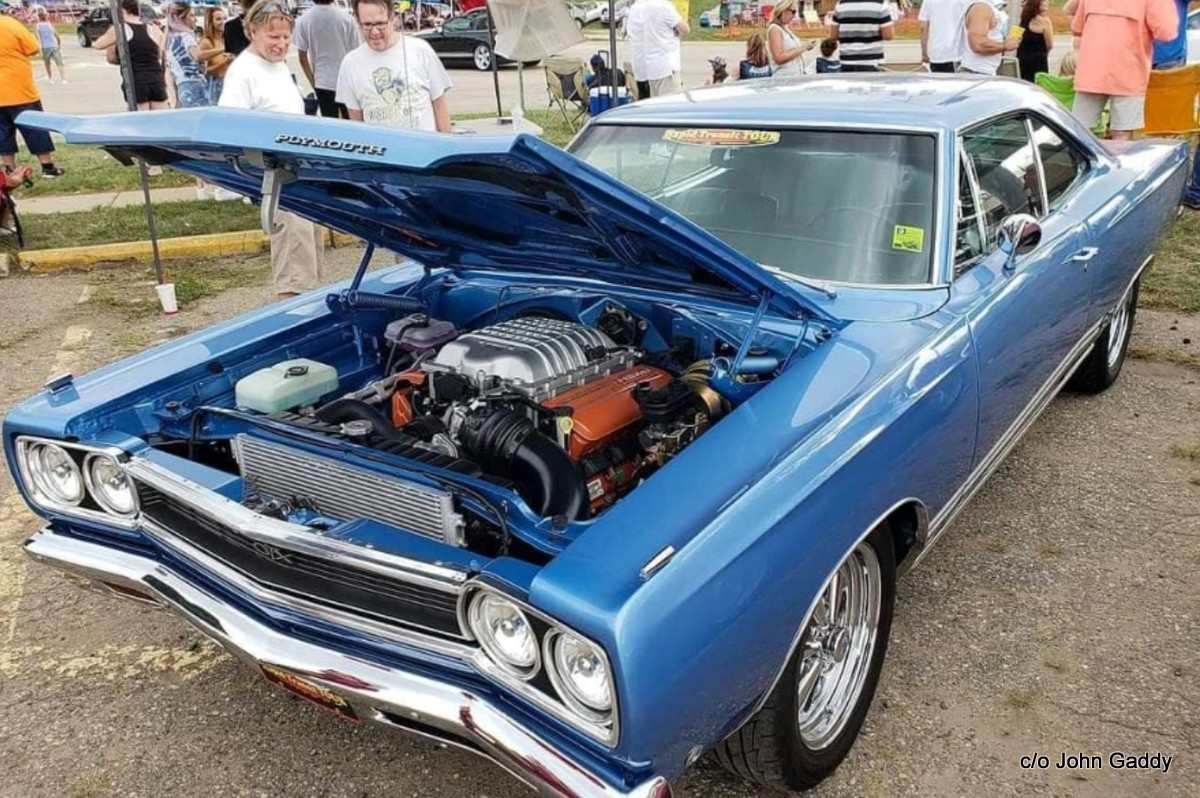
That new tech also produces 3-D parts and state-of-the-art electronic diagnosis you wouldn’t have seen in the 1960s. Anything that makes it easier for people to participate in a hobby is a huge asset.
The online marketplace is another reason why the car hobby is such a shaker and mover in the financial world. Today, a guy in Tokyo can look at a muscle car in Arizona through his smart phone. He can get a live video inspection and ask questions just like he’s there in Arizona standing right next to the car.

Social media is another huge factor. New cars guys can tap into a world full of forums, clubs and experts who can help out a rookie car guy. That paves the way for new members in the car hobby.
Statistics tell the story. According to this article, the car hobby currently lists 45% of the total market in North America; 30% in Europe; 15% in Asia-Pacific and 10% in Middle East/Africa. The last two regions are experiencing economic upticks, so that means growth in interest and customers for old iron. All you need is a growing middle class with some disposable income—it’s not all high-rollers in the hobby.
Major North American auction companies are hosting events in Europe now, so the classic car hobby is now a mobile event where European buyers are part of the experience. This means buyers and sellers can meet across the pond.
Despite that bullish trend, there are fluctuations in the car market. Muscle cars and Ferraris dropped 10 points from 2024-25 but other cars picked up the pace. I was surprised to learn the 50s-era iron market has stabilized at a consistent level.

I learned a few things from this market report. This size of this hobby is massive, and the global growth potential is off the charts because new markets drive new money. That’s good news—and it only gets better for aftermarket parts and the ability to save old iron.
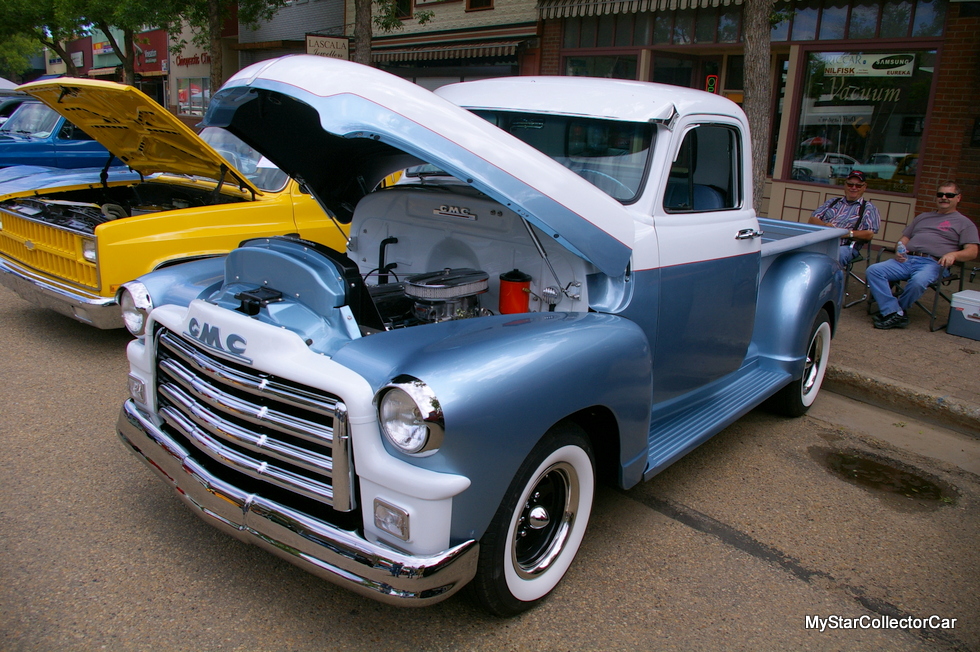
The stability in prices for 50s iron was a shock. I can only attribute that to new interest across the globe because domestic prices have definitely dipped over the last few years.
This was a clinical look at the car hobby from a purely financial point of view, but it does tell a story—the future of the car culture has never been stronger.
Jerry Sutherland
By: Jerry Sutherland
Jerry Sutherland is a veteran automotive writer with a primary focus on the collector car hobby. His work has been published in many outlets and publications, including the National Post, Calgary Herald, Edmonton Journal, Ottawa Citizen, Montreal Gazette, Saskatoon StarPhoenix, Regina Leader-Post, Vancouver Sun and The Truth About Cars. He is also a regular contributor to Auto Roundup Publications.
- CLICK HERE TO SIGN UP FOR THE NEWSLETTER
- CLICK HERE to Like us on Facebook
- CLICK HERE to Follow us on Twitter
- CLICK HERE to Follow us on Pinterest